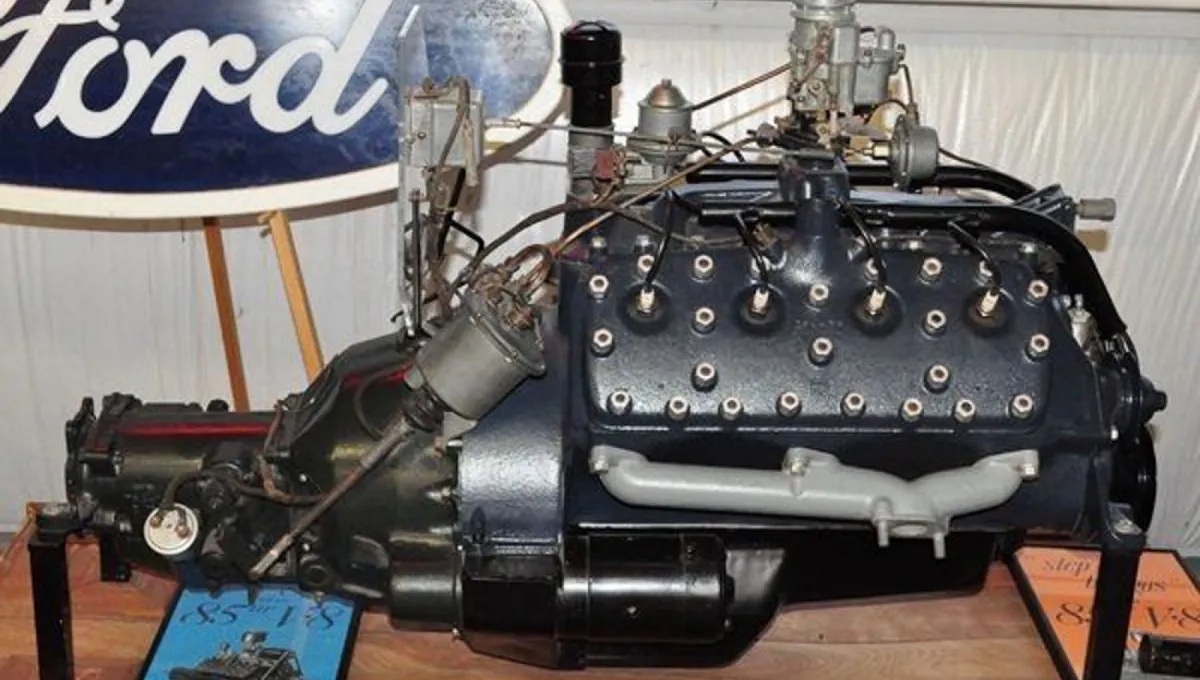
Ford’s Massive EV Losses Are Shrinking as Its Electric Strategy Starts Paying Off
Ford is finally reducing EV losses while building new revenue streams around batteries.
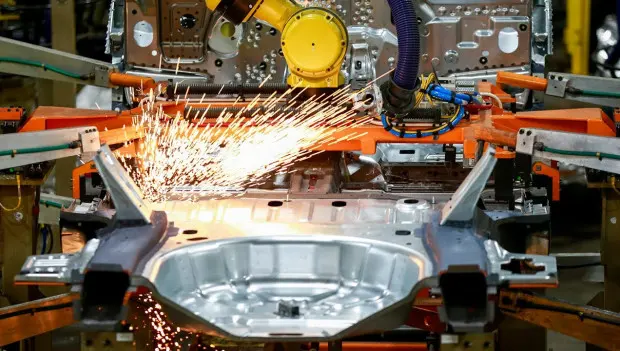
For years, Ford's electric vehicle business seemed stuck in a costly cycle. Analysts estimated the company was losing roughly $50,000 on every EV it sold, making profitability look like a distant goal. Now, however, the numbers suggest the situation is beginning to improve.
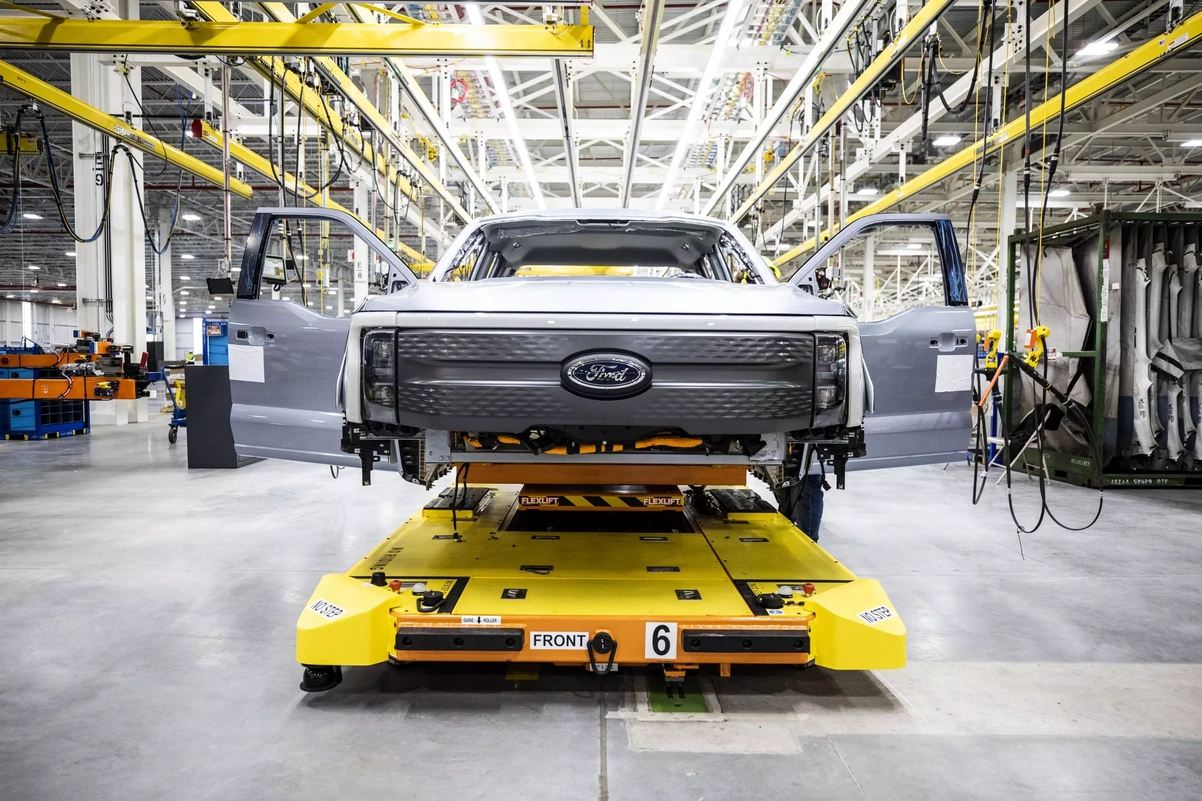
EV Losses Continue to Narrow
Ford reported a $777 million EBIT loss for its Model e electric vehicle division during the first quarter of 2026. While still a substantial deficit, company executives pointed to significant progress, noting that losses associated with its first-generation EV products fell by nearly 35%.
The automaker now expects full-year Model e losses to land between $4.0 billion and $4.5 billion. That's an improvement from the division's $4.81 billion EBIT loss recorded in 2025.
The improving outlook helped Ford raise its overall adjusted EBIT forecast for the year to between $8.5 billion and $10.5 billion.
Meanwhile, net income surged to $2.55 billion during the first quarter, compared with $471 million during the same period a year earlier. Revenue climbed to $43.25 billion.
Batteries Are Becoming a Business of Their Own
A major piece of Ford's profitability strategy extends beyond simply selling vehicles.
CEO Jim Farley has repeatedly highlighted Ford Energy as a critical component of the company's long-term financial plan. The business focuses on using battery technology and energy storage systems in applications beyond transportation.
Ford plans to invest approximately $1.5 billion into the initiative this year and expects to have more than 20 gigawatt-hours of energy storage capacity available beginning late next year.
The strategy allows Ford to generate revenue from battery investments that were previously viewed only as expenses tied to EV production. By supplying energy storage solutions for electrical grids and data centers, the company hopes to create an entirely new profit stream.
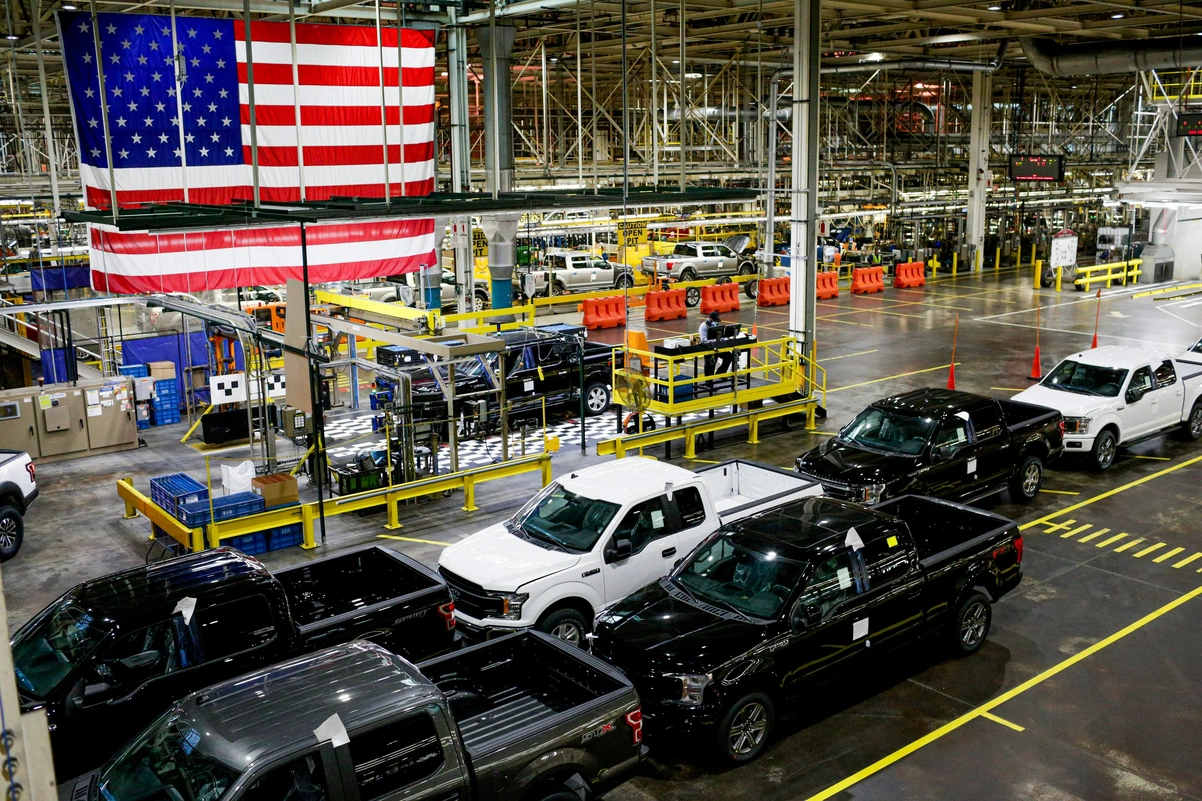
Ford Pro Remains the Company's Financial Engine
While Model e works toward profitability, Ford's commercial vehicle division continues generating substantial earnings.
Ford Pro delivered $1.69 billion in first-quarter EBIT while maintaining an 11.4% profit margin. The division also reached 879,000 paid software subscribers, representing a 30% increase compared with the previous year.
Revenue from software products and related services exceeded $15 billion last year. Ford expects that figure to continue growing at nearly 8% annually through the remainder of the decade.
A New EV Platform Could Change Everything
Ford's broader EV reset began in late 2025 when the company recorded $10.7 billion in Model e asset impairments.
Out of that restructuring effort emerged Ford's new Universal EV platform, which executives describe as a major step forward in efficiency and production costs. The company believes the architecture will allow future electric vehicles to be built much more economically than current models.
Production using the new platform is expected to begin at Ford's Louisville assembly plant in 2027.
Investors Are Paying Attention
Wall Street appears encouraged by Ford's recent progress.
The company's shares finished May at $17.44, representing a gain of 42.5% over the previous month and more than 70% over the past year. The stock also approached its 52-week high of $17.78.
Online investor sentiment has remained largely positive as well, reflecting growing confidence that Ford's EV business is moving in the right direction.
Challenges Haven't Disappeared
Despite the improving numbers, Ford still faces several obstacles.
Higher commodity prices, particularly aluminum costs, are expected to add more than $2 billion in expenses this year. Additionally, first-quarter results benefitted from a one-time $1.3 billion tariff-related credit that won't repeat in future quarters.
Even so, the overall trajectory appears much healthier than it did just a few years ago.
With Ford Pro generating strong profits, Ford Energy opening new opportunites, and Model e losses steadily declining, the automaker's electric vehicle business finally seems to be moving toward a more sustainable future. The days of massive per-vehicle losses may not be completely over, but they are becoming far less severe than before.
For Ford, that's a very diferent story than the one investors were hearing only a year ago.
You may also be interested in the news:
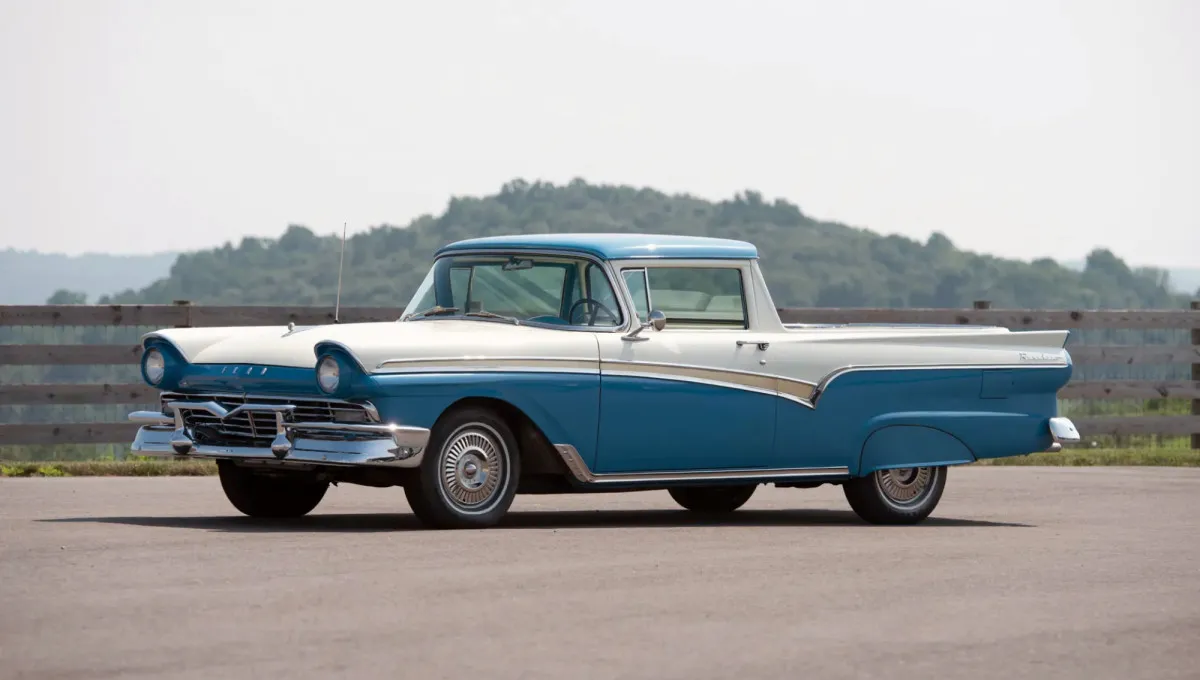
More Than a Car! More Than a Truck! The 1957 Ford Ranchero
The 1957 Ford Ranchero launched a new kind of American vehicle, blending passenger-car styling with pickup-truck utility years before the segment took off.

2027 Ford Bronco RTR Priced From $50,495—Undercuts Bronco Raptor by $31,500
Ford has set the starting price for the 2027 Bronco RTR, with orders expected to open later this year.
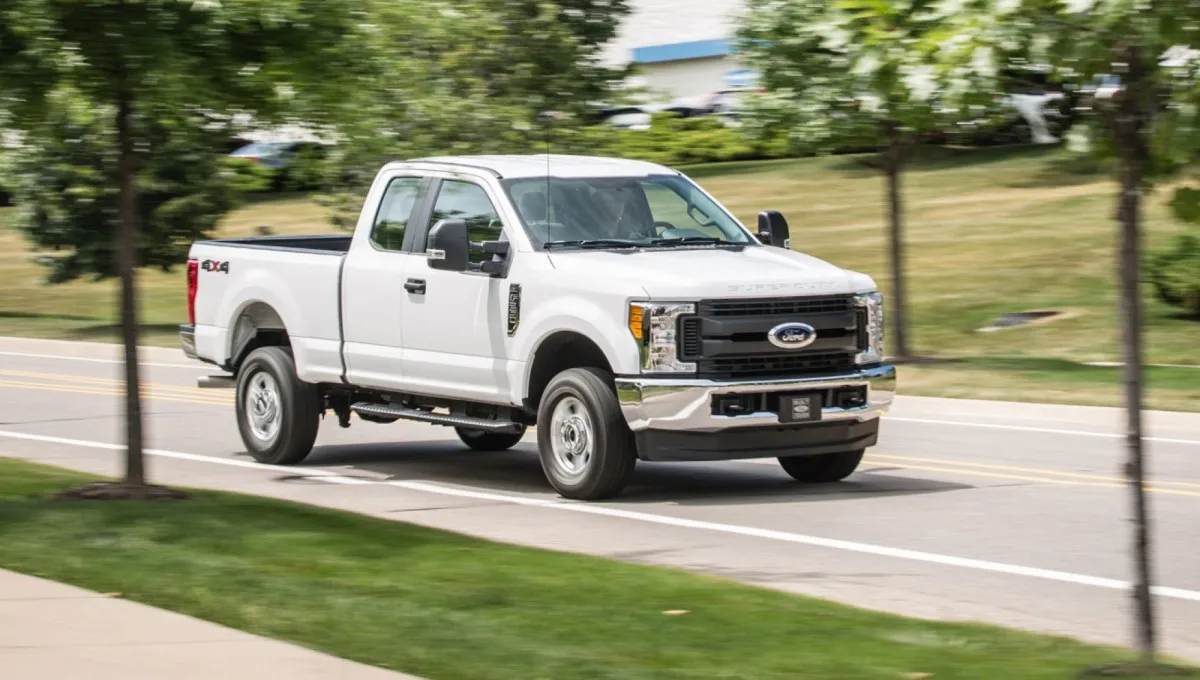
41,748 Ford SUVs and Trucks Recalled—Your Headlights Could Suddenly Stop Working
Ford recalls 41,748 vehicles after contaminated LED chips threaten required headlight performance on newer models.

Armored Ford F-550 Is a Rolling Fortress Built to Carry Millions
TAG Dynamics has unveiled a new armored cash-in-transit vehicle based on the Ford F-550 pickup for security companies and financial institutions.