
How to Properly Install Spark Plugs to Boost Fuel Economy and Engine Performance
Correct spark plug installation can improve engine efficiency, prevent damage, and even lower fuel consumption.
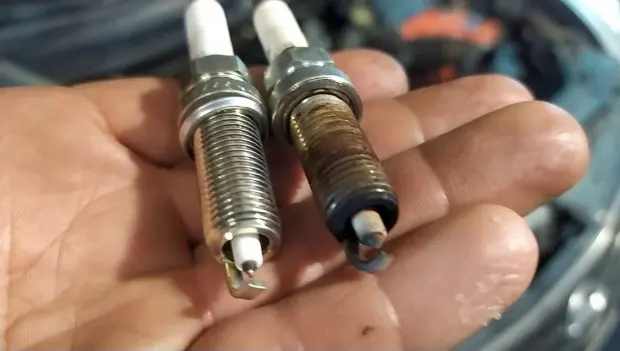
Spark plugs are one of those routine maintenance items that need regular checks and timely replacement. Most drivers know it’s a good idea to inspect their condition and gap roughly every 3,000 miles. What fewer people realize—even experienced drivers—is how important proper installation is if you want your engine to run at its best without losing power or burning extra fuel.
Before getting into how to tighten spark plugs correctly, there are a few key details worth clearing up. The first is whether to lubricate the threads. Opinions vary—not just among drivers, but even between manufacturers like NGK and Bosch. Some recommend applying a small amount of anti-seize, while others advise installing plugs dry. The safest bet is to follow the specific guidelines provided for the brand you’re using.
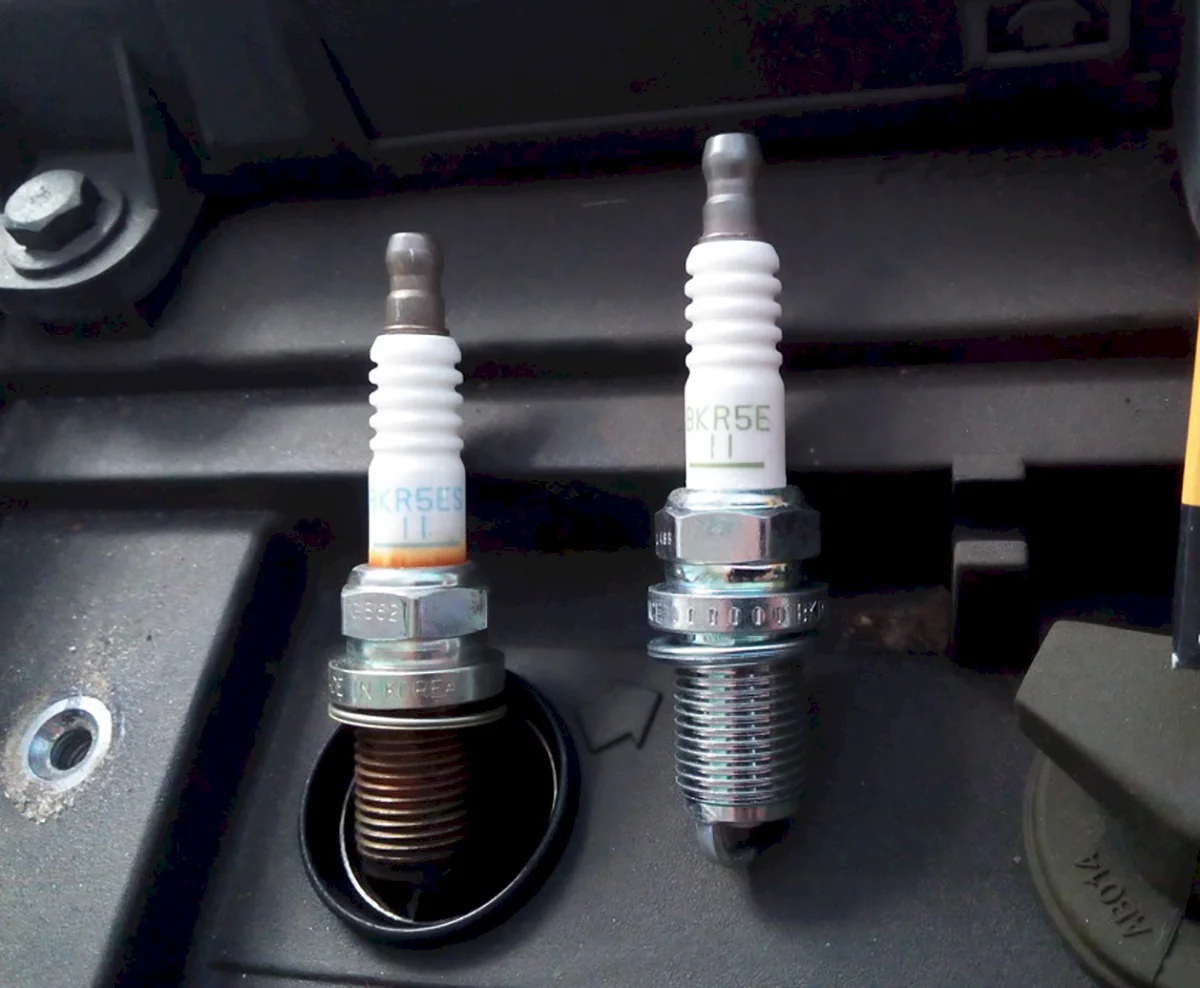
Another important detail is the threaded terminal at the top of the plug. It should never be loose or wobbly. If it is, you could end up with weak or inconsistent spark. A quick tighten with pliers usually solves the problm.
So why does proper tightening matter so much? Because incorrect torque can lead to real issues. If a spark plug is too loose, it may eventually deform or fail to seal properly. If it’s overtightened, it can overheat—leading not only to premature wear but potentially expensive engine damage, especially in the cylinder head.

Choosing the right spark plug also matters. It needs the correct gap, proper thread length, and the right heat range for your engine. If the plug is too short—or installed incorrectly—the air-fuel mixture won’t ignite as intended. On the other hand, if the threads extend too far, carbon buildup can form over time, making the plug extremely difficult to remove later.
For installation, it’s best to use a proper spark plug socket—typically 5/8-inch (16 mm) or 13/16-inch (21 mm) depending on your vehicle. After setting the correct gap, insert the plug into the socket and thread it in by hand until it seats naturally.

Next comes the most critical step: tightening with a torque wrench. The recommended torque is about 29 lb-ft (converted from 39 Nm). Tighten the plug until you feel the wrench click. Also, make sure the side electrode ends up roughly in a horizontal positon.
Taking a few extra minutes to install spark plugs the right way can make a noticeable difference in how your engine runs—smoother performance, better fuel efficiency, and fewer problems down the road.
You may also be interested in the news:

One Capful and Your Wipers Stop Squeaking: Experts Reveal a Simple Trick
We've all been there: windshield wipers start squeaking, smear grime across the glass and leave streaks behind instead of actually helping.
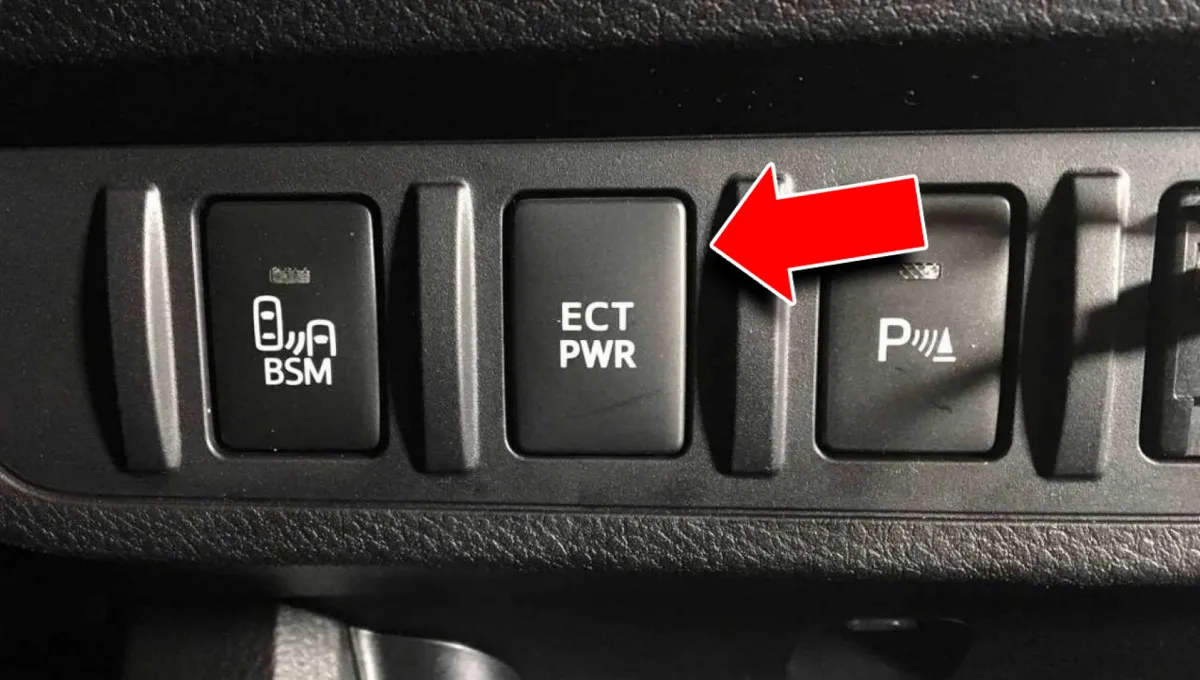
You Hit ECT PWR and Your Toyota Suddenly Wakes Up: What That Mysterious Button Really Does
This little button can change the way a Toyota drives, but plenty of owners have no idea what actually happens when they press it.

Toyota Wanted a Reliable Engine — It Accidentally Built a 2,000-HP Monster
Toyota engineers may have gone too far with durability — and accidentally created the ultimate engine for hot-rodding.

It Confuses Many Drivers: What Does the Road Sign With a Thumbs-Up Mean?
This unusual sign appears near highway entrances, tunnels and other locations where roadside stops can create serious safety hazards.

How to Prepare Your Car for a Long Highway Trip
A long trip starts not with loading the suitcases, but with checking the car.