
Who Built the World's Best Suspension—and Why It Never Ended Up Under Every Car
This revolutionary suspension system promised unmatched ride comfort, yet it never made it into mass production.
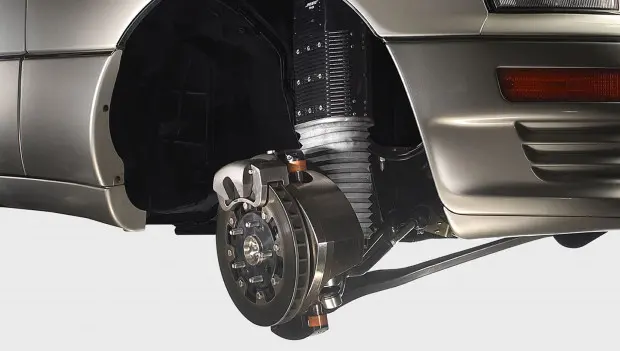
A vehicle's suspension has one primary job: keep the tires planted on the road while insulating passengers from bumps, potholes, and other imperfections in the pavement. In theory, the ultimate suspension would deliver near-perfect ride quality regardless of road conditions. It may sound impossible, but one engineer came surprisingly close to making it a reality.
That engineer was Amar Bose, the Indian-American inventor best known for his work in audio technology. Although his name is synonymous with premium sound systems, Bose was also passionate about automobiles. He appreciated performance and reliability, but comfort was what truly fascinated him.

By 1980, after building a successful company in the audio industry, Bose launched an ambitious side project: developing an entirely new type of automotive suspension.
The system he envisioned was unlike anything the industry had seen before. During development, the project was kept under tight secrecy and operated under the misleading codename "Project Sound." The goal was simple but incredibly challenging—eliminate virtually all unwanted body movement.
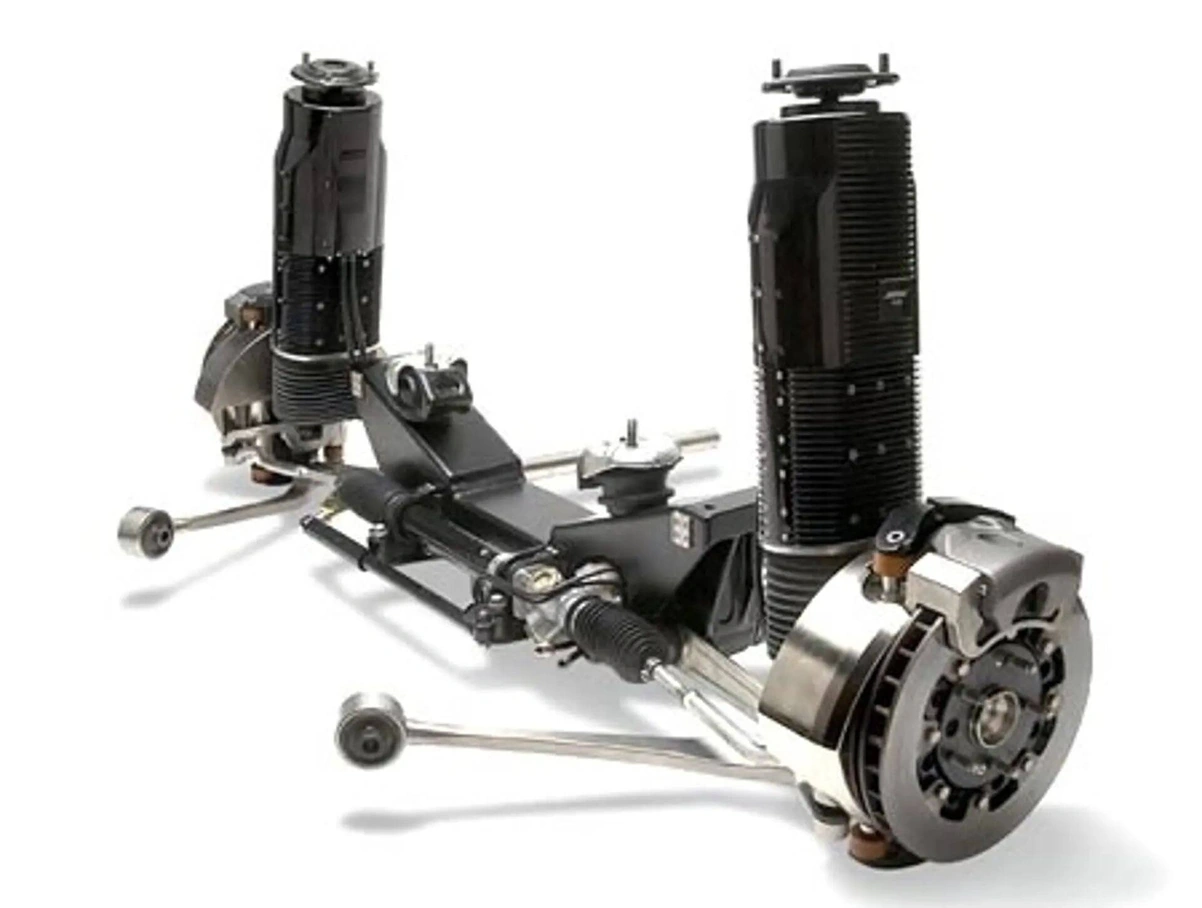
At the heart of Bose's design was a linear electromagnetic motor powered by amplifiers and controlled by a sophisticated microprocessor-based system. Instead of relying on conventional springs and shock absorbers, the motor acted as the suspension unit itself, compressing and extending at extremely high speeds.
Because the system reacted far faster than traditional springs, it effectively eliminated the tiny delays that occur in conventional suspensions. The result was remarkable: within roughly 8 inches of wheel travel, the vehicle's body could remain almost perfectly level, even over significant road imperfections.
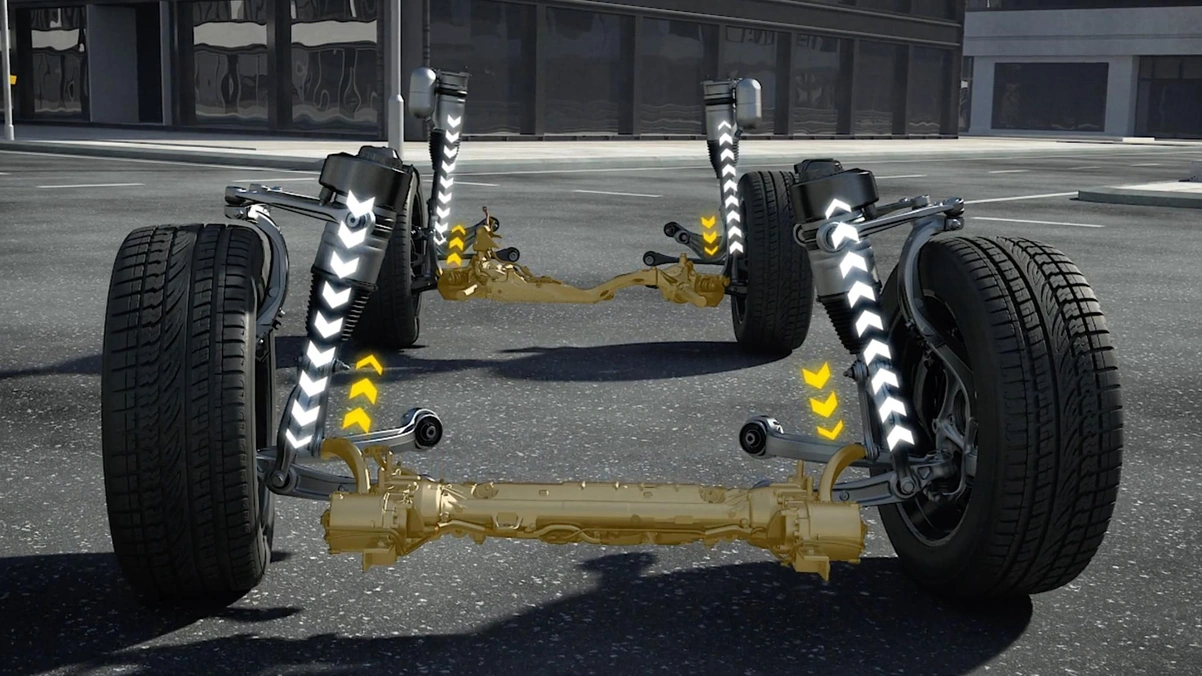
Naturally, such a setup required electrical power. However, the design partially offset its energy consumption through regenerative operation, recovering some of the energy generated by suspension movement. The system was capable of absorbing not only large bumps but also minor surface imperfections that most drivers barely notice.
The result was a ride quality that bordered on the extraordinary. Luxury-car comfort and sports-car handling no longer had to be opposing goals.
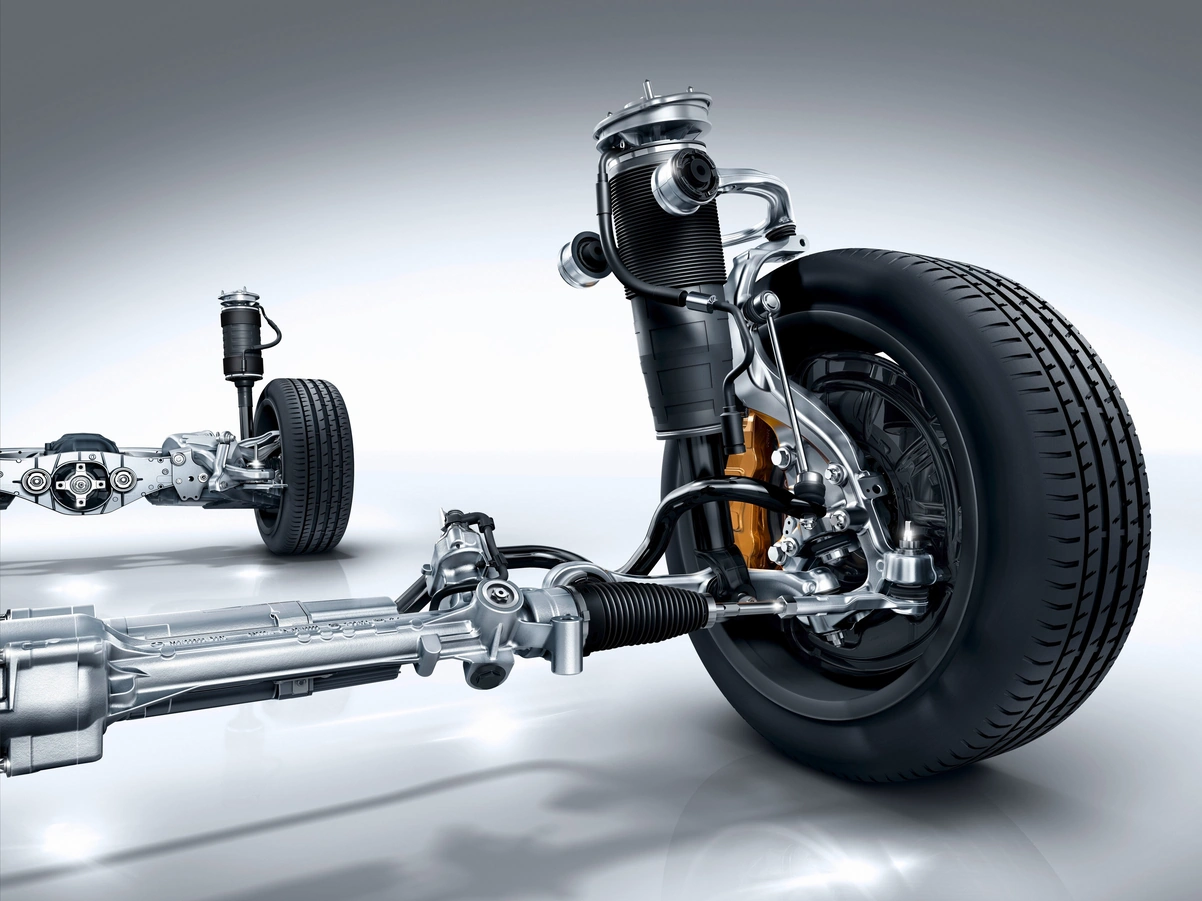
Development continued for an astonishing 24 years. Bose finally revealed the technology to the public in 2004, showcasing demonstrations that quickly attracted attention throughout the automotive world. For the first time, a single suspension system appeared capable of serving both high-end luxury sedans and high-performance sports cars.
Another major advantage was flexibility. Because the suspension was software-controlled, engineers could dramatically alter its characteristics through programming rather than mechanical changes.
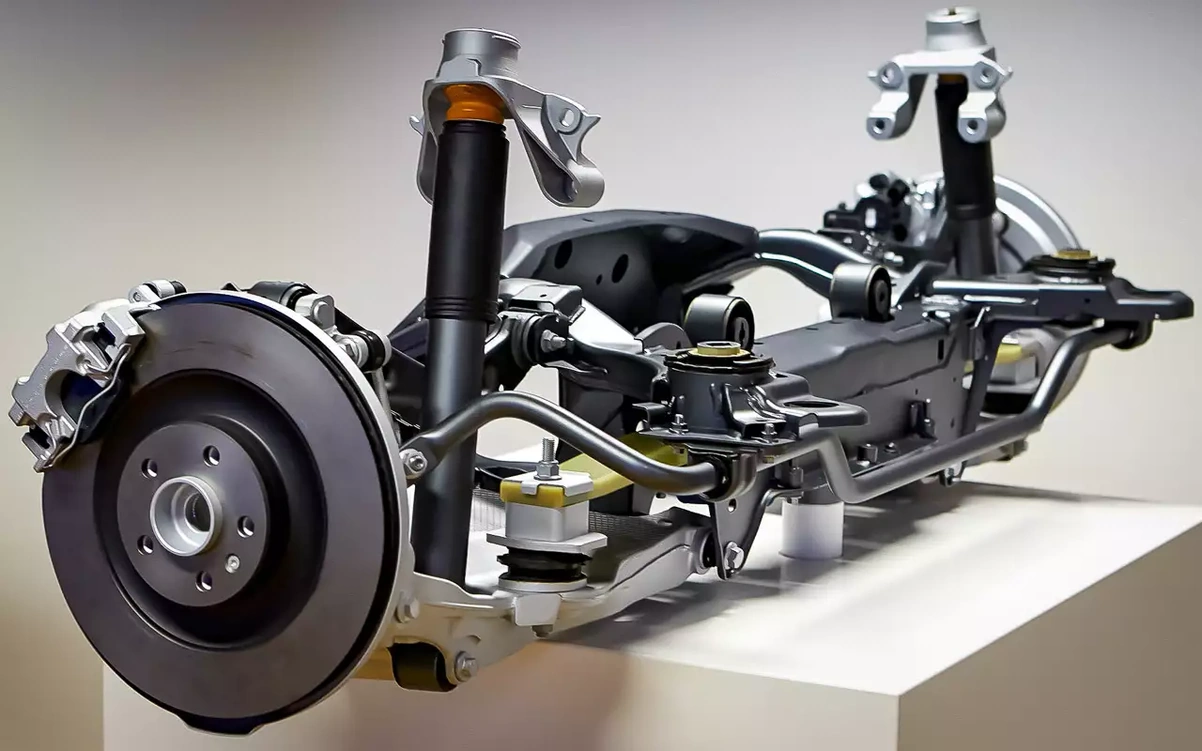
So why didn't the world's most advanced suspension become a standard feature on modern vehicles?
The answer comes down to two major obstacles.
The first was cost. Bose had always envisioned the technology for premium and performance vehicles, but even in those segments, automakers viewed the system as too expensive and too complex to manufacture at scale.
The second issue was weight. The suspension added approximately 198 pounds to a vehicle. While that extra mass had little effect on ride comfort, it negatively impacted performance, fuel economy, and overall efficiency—factors that became increasingly important throughout the 2000s.
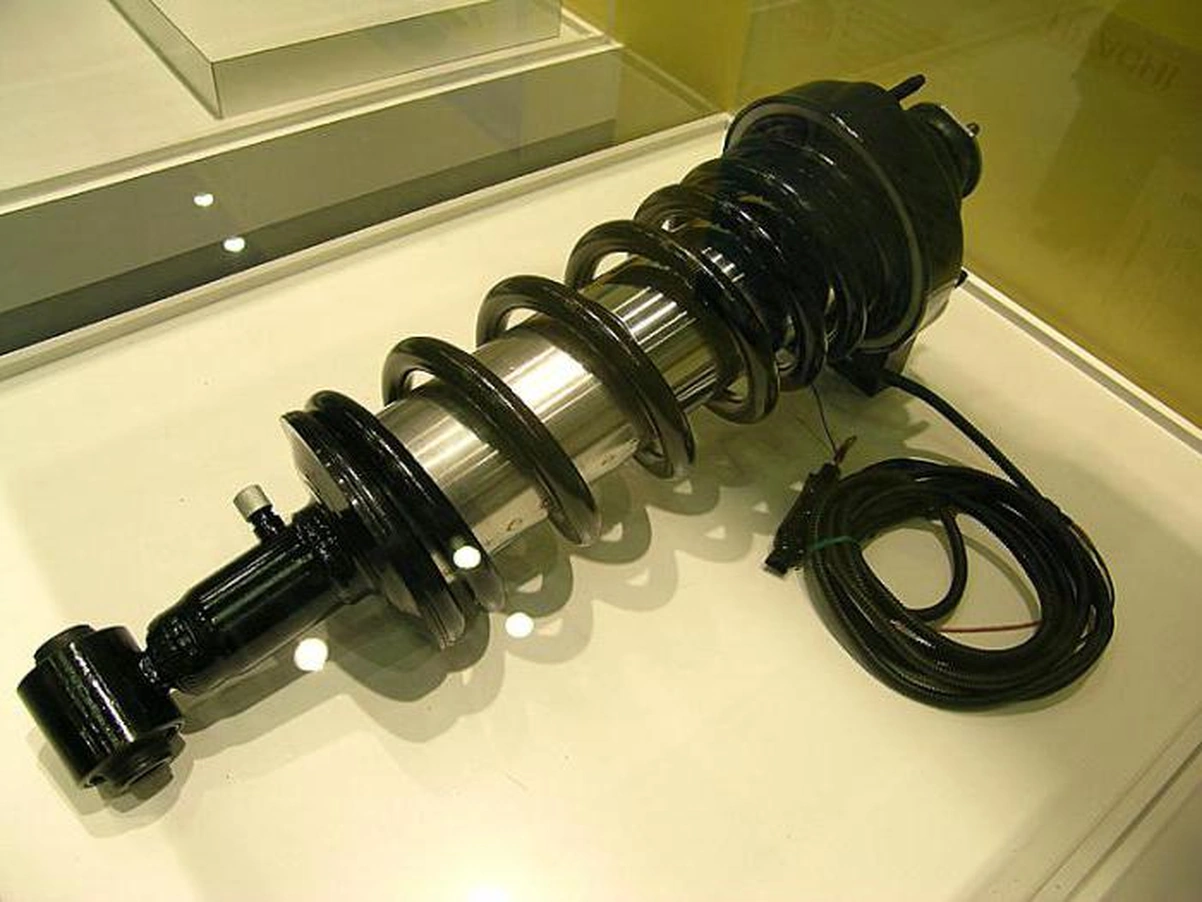
As a result, the groundbreaking technology never found a production partner willing to take the leap.
Amar Bose's suspension remains one of the most intriguing "what if" stories in automotive history. In 2017, the company's suspension-related assets and intellectual property were sold, bringing an end to one chapter of the project. Still, with advances in electric vehicles, software-defined chassis systems, and active suspension technology, the idea may not be gone forever.
One day, an automaker could revisit Bose's vision and finally bring one of the most remarkable suspension concepts ever created to the road.
You may also be interested in the news:
10 Concept Cars From the 20th Century That Look Like They Came From the Future
From futuristic cockpits to rocket-inspired bodies, these 10 vintage concept cars pushed design boundaries and still look spectacular today.
“Are You Sure It’s Chinese?” Who Really Builds China’s Car Engines
Who Really Develops China’s Car Engines?
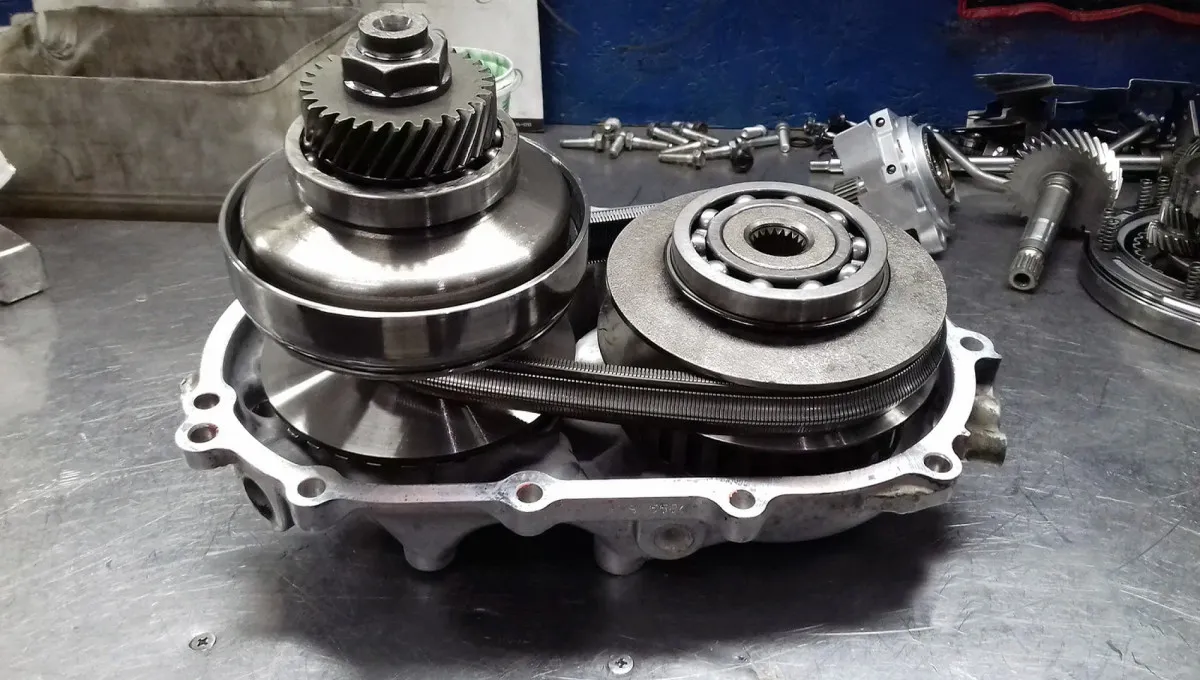
Why Experienced Drivers Still Warn Against Buying a Used Car With a CVT
CVTs offer smooth acceleration and good fuel economy, but expensive repairs and durability concerns make used models risky.

Hidden Key Fob Trick: Open All Your Car Windows With One Button
An auto mechanic explains how drivers can remotely open and close car windows using a key fob, provided the vehicle has the right hardware.

8 Car Maintenance Mistakes That Could Cost You Thousands if You Wait Too Long
Depending on driving conditions, some maintenance tasks may need to be performed sooner and more often than the automaker recommends.