
The Most Trouble-Prone Small Turbo Engines: Five Powerplants Buyers May Want to Avoid
Small turbocharged engines are everywhere these days, but some have developed a reputation for costly problems.
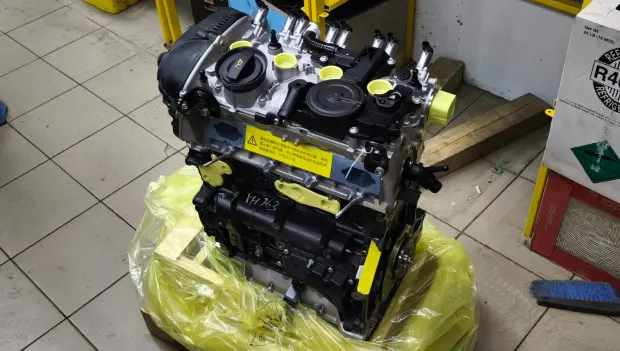
Turbocharged four-cylinders have become the industry standard, powering everything from compact hatchbacks to midsize SUVs. They deliver strong torque, improved fuel economy, and help automakers meet increasingly strict emissions regulations. But not every downsized engine has proven to be a success. Some have earned a reputation for serious reliability issues, with owners reporting major failures at relatively low mileage.
Here are five turbocharged inline-fours that have become notorious for their long lists of weak spots.
BMW N13B16 (EP6CDT)
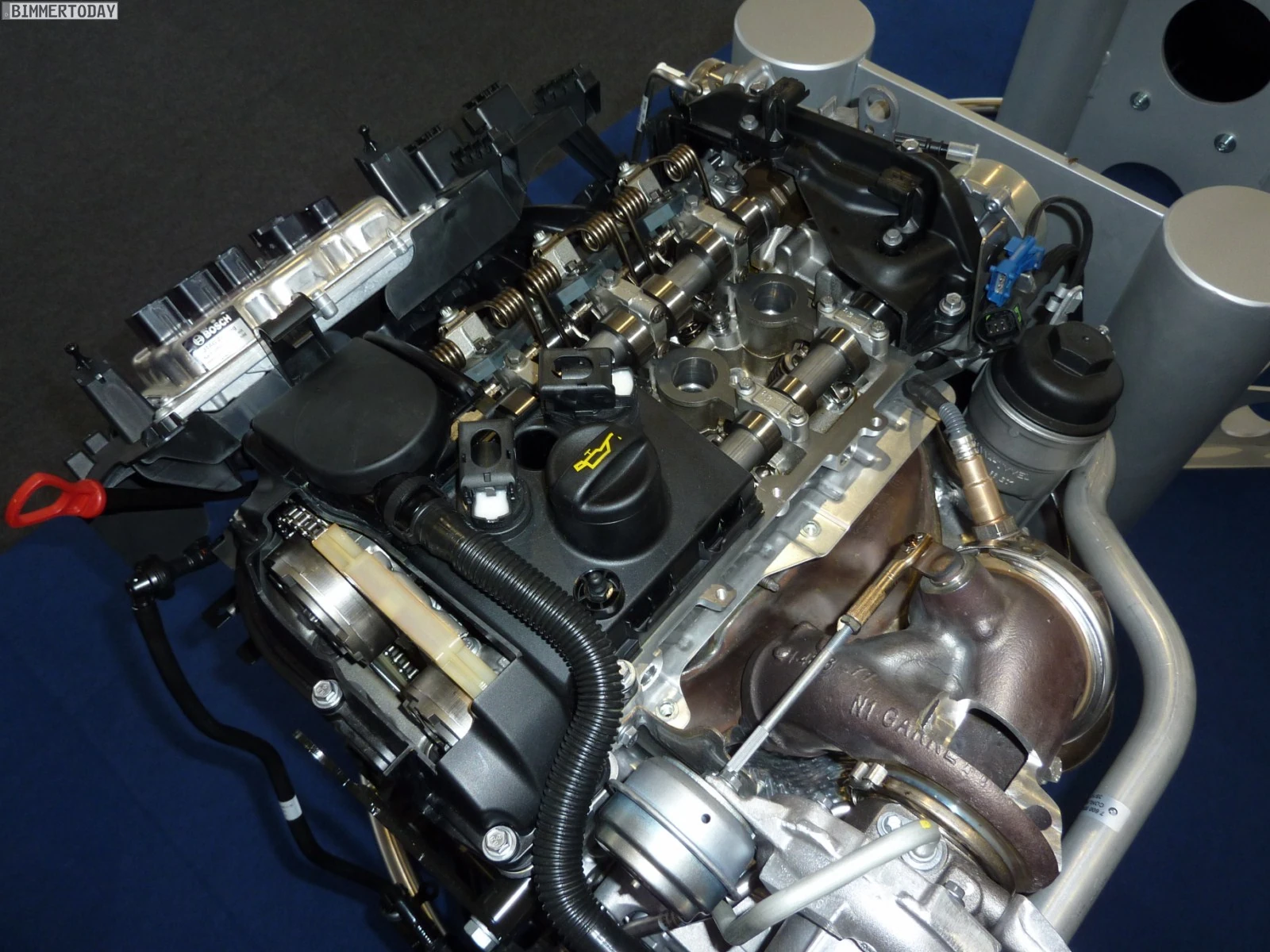
Common problems: PCV system valves, turbocharger components, timing chain
Introduced in 2009, BMW's 1.6-liter N13B16 engine is considered the spiritual successor to the infamous Prince family. Its French cousin, known as the EP6CDT, developed an equally poor reputation among owners.
In many cases, these engines struggle to make it beyond 125,000 miles without significant repairs. Failures of the crankcase ventilation valves, turbo control hardware, and the oil pump pressure control solenoid are fairly common. Loss of oil pressure can quickly lead to catastrophic engine damage.
Once the odometer approaches 60,000 miles, another weak point often emerges: the timing chain. High-pressure fuel pumps, electric water pumps, and fuel injectors are also known trouble areas. As the engine ages, excessive oil consumption and leaks become increasingly common.
Volkswagen EA888 Gen 2
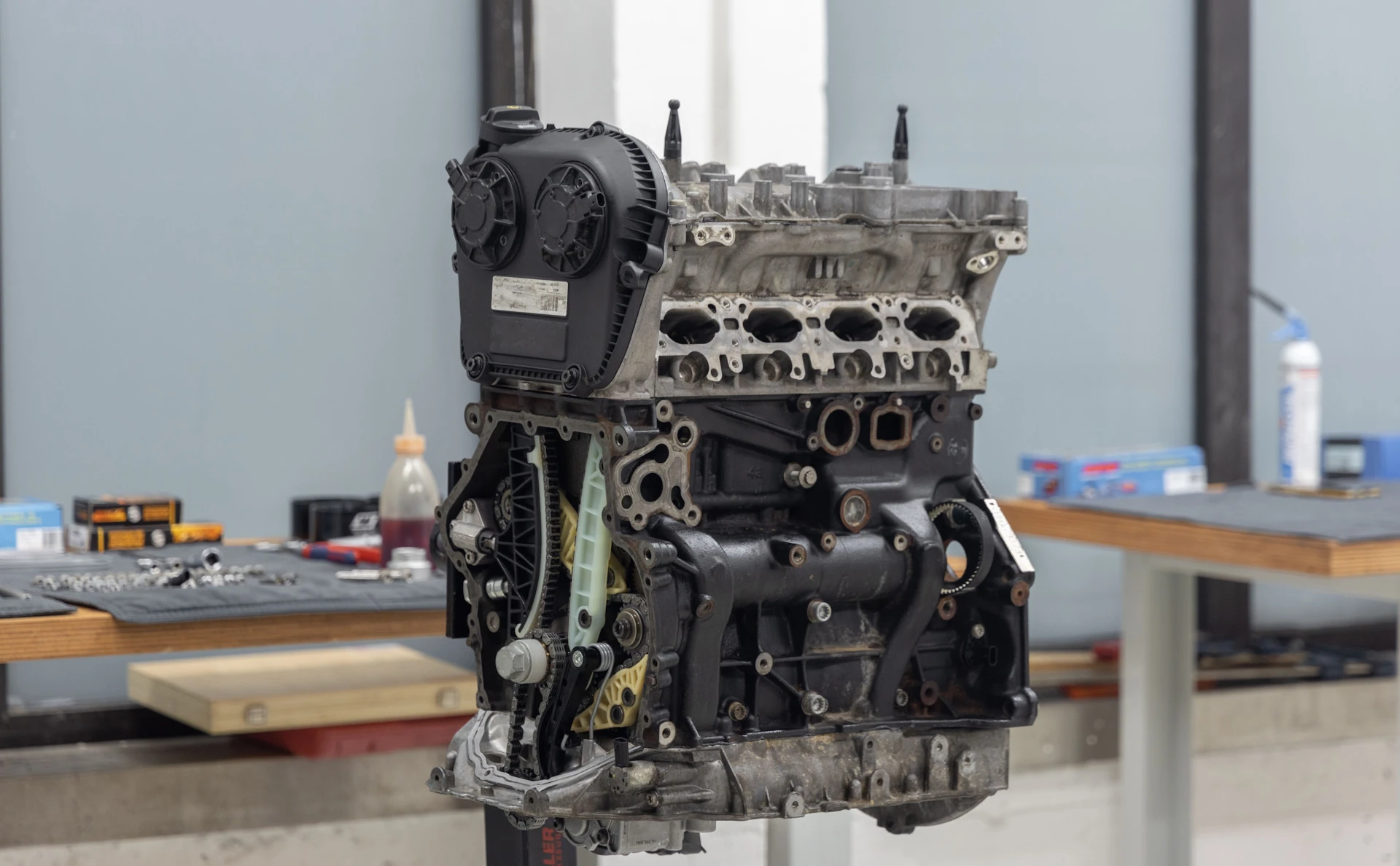
Common problems: Pistons, timing chain, chain tensioner
Volkswagen was among the pioneers of small turbocharged engines, but the second-generation EA888 family, produced between 2008 and 2011 in 1.8- and 2.0-liter form, turned out to be one of the company's most problematic designs.
The biggest issue involved the pistons. Their thin oil-control rings frequently seized, causing severe oil consumption and excessive carbon buildup. Many owners found themselves adding oil long before they expected to.
The timing chain system proved equally troublesome. Chains and tensioners often failed before reaching 60,000 miles. In the worst cases, the chain would jump timing, allowing valves and pistons to collide and resulting in expensive engine rebuilds.
Volkswagen addressed many of these shortcomings with the third-generation EA888 introduced in 2011, but the Gen 2 engines had already cemented their reputation.
Hyundai G4KH
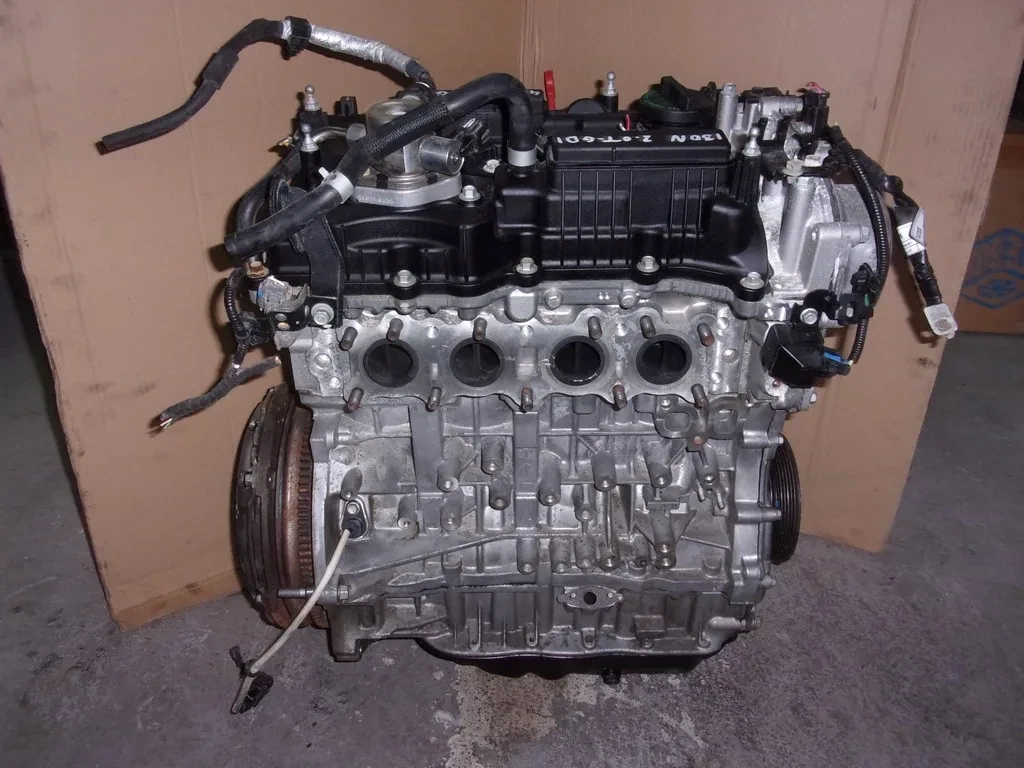
Common problems: Cylinder scoring, spun rod bearings
On paper, Hyundai's 2.0-liter Theta II GDi engine looked like a modern and powerful unit. In real-world use, however, it proved demanding and sensitive to maintenance.
The most notorious problem is rod-bearing failure, which often appears around 60,000 miles and is frequently linked to infrequent oil changes or the use of incorrect lubricants.
Engines built before 2015 also suffered from cylinder scoring. Hyundai later revised the design by adding piston oil squirters, reducing—but not completely eliminating—the issue.
The aluminum engine block is vulnerable to overheating, which can lead to distortion and increased oil consumption. Timing chain stretch, faulty temperature sensors, and cracked boost hoses are also common complaints. Models built after 2015 received the E-CVVT variable valve timing system, but oil leaks around the seals became another source of headaches.
Ford EcoBoost 2.0
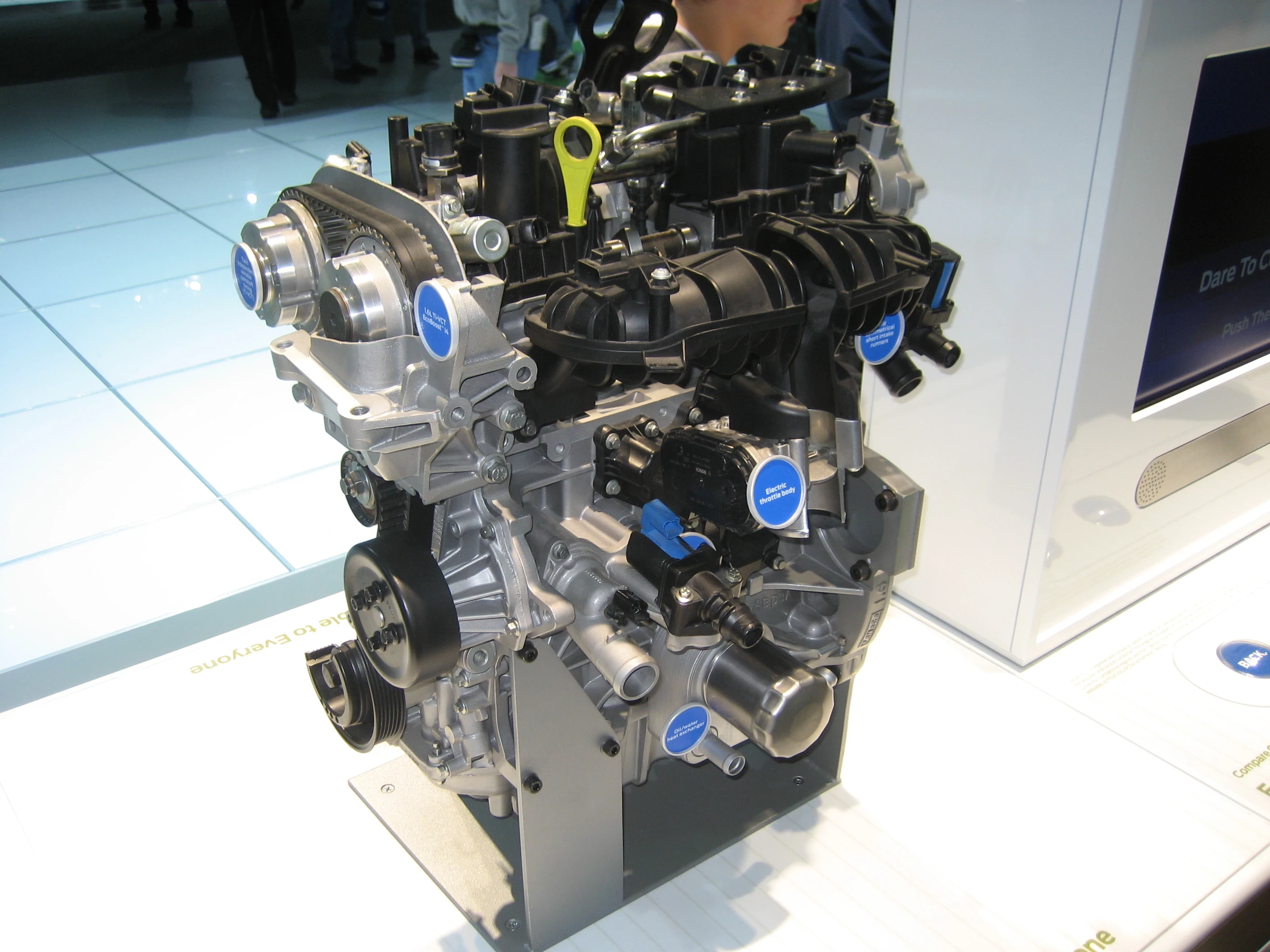
Common problems: Pistons, cooling system, oil leaks
Ford launched the 2.0-liter EcoBoost in 2009 as a turbocharged evolution of an otherwise dependable naturally aspirated engine. Unfortunately, the addition of turbocharging and direct injection introduced several vulnerabilities.
The piston design is among the biggest concerns. Because the engine is prone to detonation, pistons can crack or even fail completely, especially when low-quality fuel is used. In response, Ford issued several ECU software updates over the years.
The cooling system also left much to be desired. Failure of the electric cooling fan clutch could lead to overheating and blown head gaskets. Variable cam timing actuators often required replacement around 60,000 miles, while cracked exhaust manifolds became another issue later in life. In some cases, metal fragments from the manifold could damage the turbocharger.
Oil leaks, especially from the rear main seal, are another long-standing complaint that never received a definitive fix.
Mazda L3-VDT
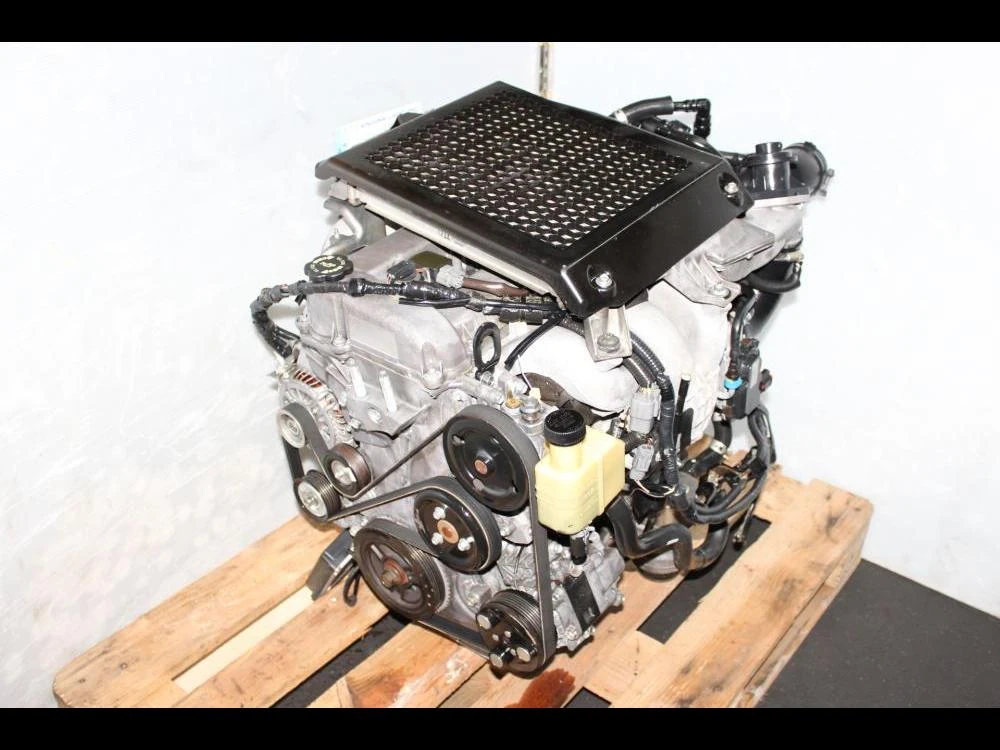
Common problems: Timing chain, VVT actuator, cylinder scoring
Mazda introduced its 2.3-liter turbocharged L3-VDT in 2005. Initially installed in high-performance Mazda3 and Mazda6 MPS models, the engine later found its way into the CX-7 crossover.
Performance was one of its strengths. The engine delivered strong low-end torque and impressive midrange punch. Reliability, however, told a different story.
The timing chain often stretched before reaching 60,000 miles, and the variable valve timing actuator tended to wear out at roughly the same point. Any interruption in oil supply could lead to cylinder scoring, oil pump problems, and rod-bearing damage. While the turbocharger itself was capable of lasting up to 125,000 miles, it required meticulous maintenance.
Such compromises were acceptable in performance-oriented MPS models, but for a family-oriented crossover like the CX-7, the engine proved far too temperamental.
Should You Buy a Used Car With One of These Engines?
In theory, yes. A properly rebuilt engine with documented service history and maintenance records may still provide years of dependable service.
In reality, however, buying a used vehicle equipped with one of these powerplants involves considerable risk. Unless there is extensive documentation proving that known issues have already been addressed, prospective buyers should either proceed with caution or look elsewhere.
How to Extend the Life of a Turbocharged Engine
- Use high-quality fuel and engine oil, and change the oil more frequently than the factory interval recommends.
- Don't cut corners on filters and routine maintenance items.
- Prevent overheating by keeping an eye on the cooling system and boost hoses.
- After spirited driving, allow the engine to idle for one or two minutes before shutting it off so the turbocharger can cool down.
- Inspect timing chains and variable valve timing components regularly.
A turbocharged engine can deliver excellent performance and efficiency, but neglecting maintenance—or choosing the wrong design—can turn ownership into an expensive experience.
You may also be interested in the news:
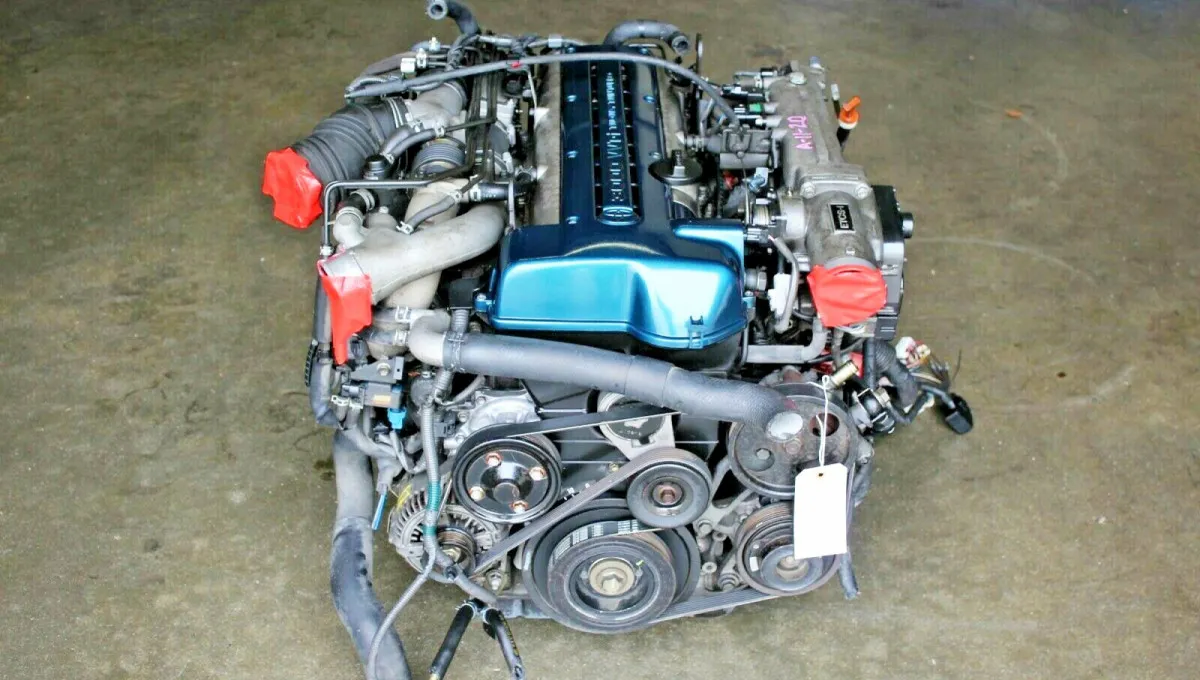
Toyota Wanted a Reliable Engine — It Accidentally Built a 2,000-HP Monster
Toyota engineers may have gone too far with durability — and accidentally created the ultimate engine for hot-rodding.
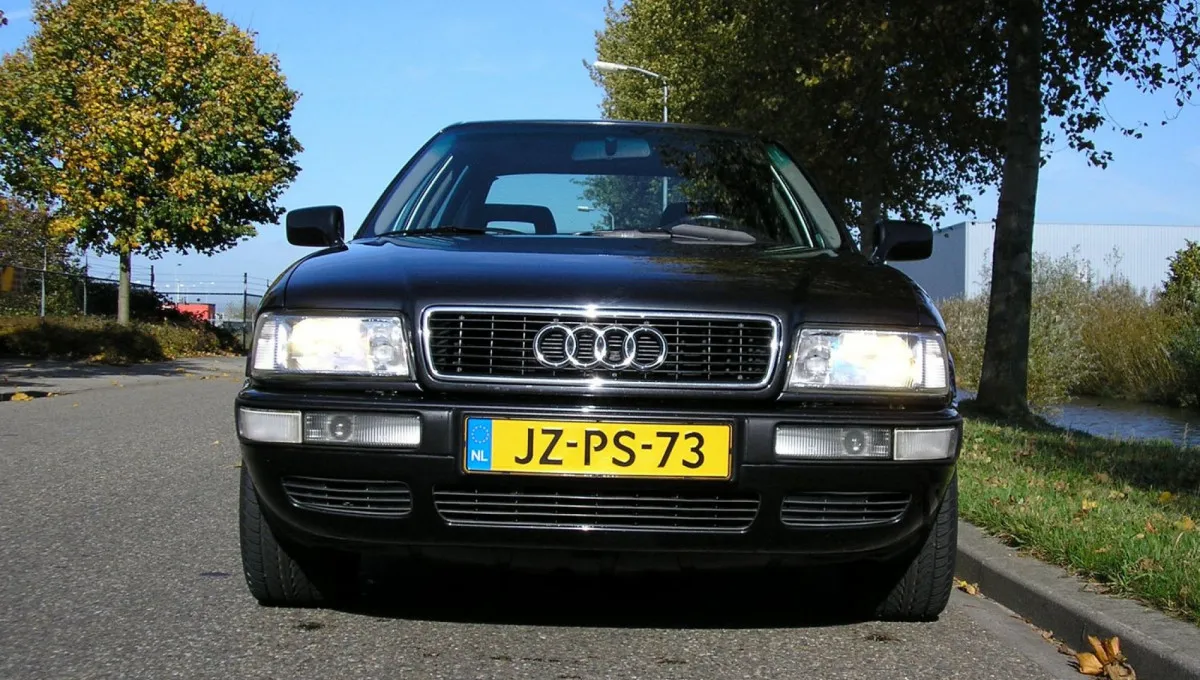
Audi 80 Has Covered Nearly 1 Million Kilometers With Its Original Engine
A 1991 Audi 80 is closing in on a mileage record.

Toyota's First Engine Was Copied From a Chevrolet
Toyota's first engine, the Type A, wasn't entirely Japanese—it was based heavily on a Chevrolet straight-six.
Million-Mile Engines: Why Four Legendary Motors That Outlived Their Owners Became History
Some engines become legends by surviving for decades, crossing millions of miles and proving nearly impossible to kill.
2026 Toyota Tundra Replacement Engine Failed, Raising New Questions About the Recall Fix
A 2026 replacement V35A engine has failed, raising fresh questions about Toyota’s Tundra recall fix.