
Naturally Aspirated Engines Known for Real Reliability: 185,000 Miles Without Major Repairs
Several classic naturally aspirated engines still prove durability matters more than turbocharged performance in everyday driving.
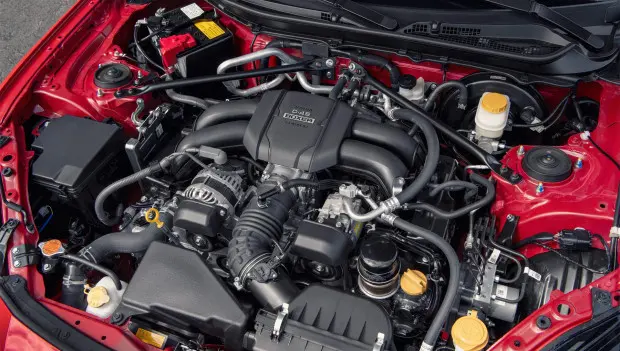
Technology keeps moving forward, but progress isn’t always an improvement — at least not immediately. Modern automotive engines are a good example. Over the past decade, the market has been increasingly dominated by turbocharged powertrains. While turbo engines offer clear benefits, they rarely match the long-term durability and low-maintenance nature of older naturally aspirated designs.
No turbo, fewer problems
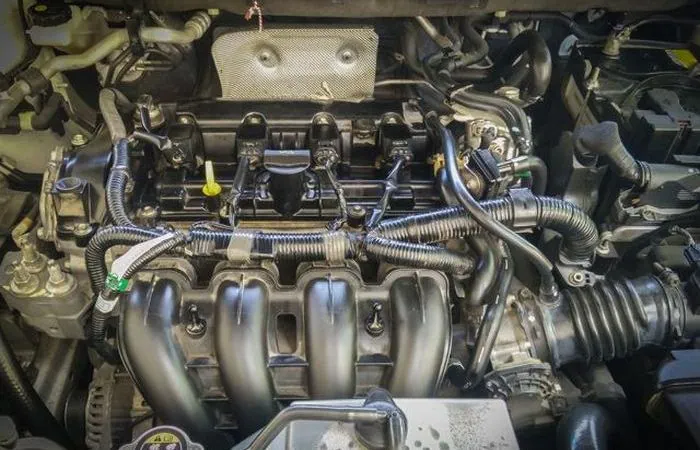
Finding a naturally aspirated engine in today’s new-car market is becoming harder every year. Turbochargers have taken over for a reason: they deliver strong torque, better fuel efficiency, and lively acceleration, especially in city driving.
Still, reliability is where older naturally aspirated engines often shine. Without the added complexity of turbocharging systems, many of these engines gained a reputation for durability and simplicity. Some designs are known to run well past 185,000 miles without requiring a major rebuild. Many of these engines appeared in Japanese vehicles, though a few other manufacturers built similarly durable powerplants.
Toyota engines
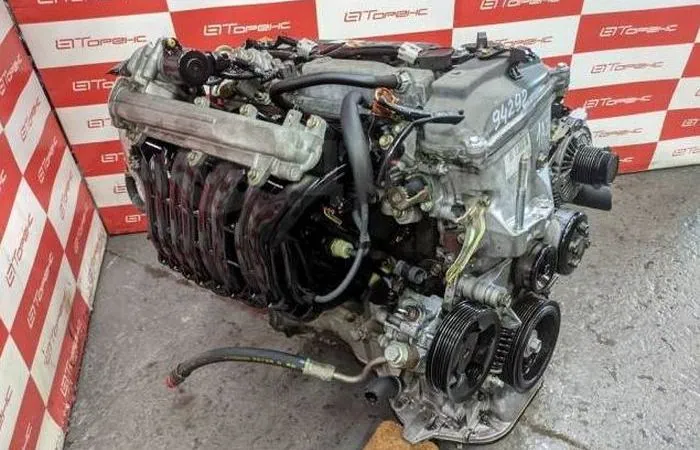
When drivers talk about dependable naturally aspirated engines, models from Toyota frequently come up first — particularly the 1AZ and 3ZR engine families.
The 1AZ-FE engine, commonly found in earlier generations of the Toyota Camry and Toyota RAV4 from the 2000s, is widely regarded as a durable workhorse. A more modern example is the 3ZR-FAE, which powered vehicles such as the Toyota Corolla, Toyota Avensis, and later versions of the RAV4.
Both engines are known to reach around 185,000 miles before needing major internal repairs. Like any engine, they have their quirks — the 1AZ, for example, is known for moderate oil consumption — but overall durability remains a strong point.
Honda engines
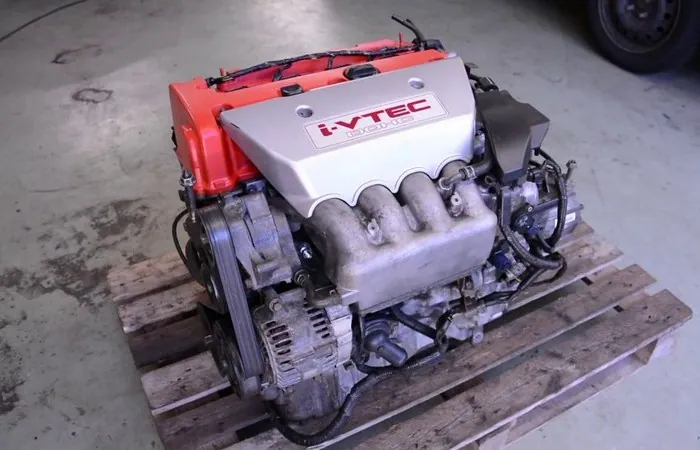
Honda has also built several famously tough naturally aspirated engines. Among enthusiasts and mechanics alike, the K20 and K24 engines stand out.
These engines are often praised for their “start it, drive it, forget it” reliability. Even when driven hard, they tend to hold up remarkably well. Many examples reach 220,000–250,000 miles before requiring a full rebuild.
Despite being capable of high engine speeds, both designs perform just as comfortably in everyday city driving. They appeared in models like the Honda Civic, Honda Accord, and Honda CR‑V. Their main drawback today is simply availability — newer vehicles rarely use engines like these.
Mitsubishi engines
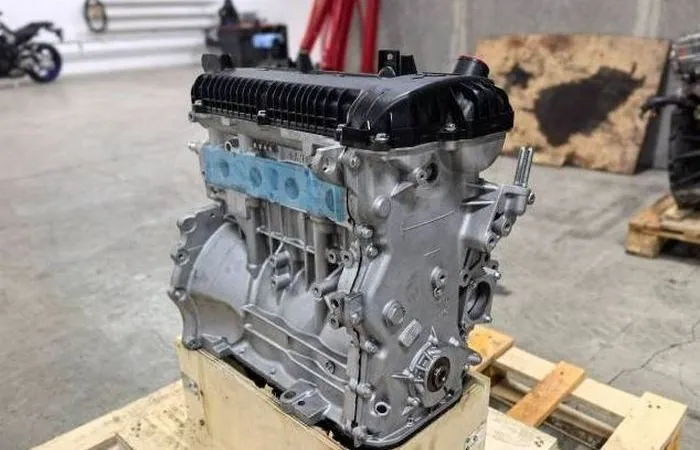
One of the most durable naturally aspirated engines from Mitsubishi Motors is the 4A92.
By modern standards, this engine is surprisingly straightforward: a chain-driven valvetrain, an aluminum block, and relatively simple engineering overall. It’s known for reliability and relatively low maintenance needs.
Like any engine, it has its sensitivities — it requires good-quality oil and doesn’t tolerate overheating well. But under normal conditions, owners often go long periods without thinking about the engine at all between scheduled maintenance.
The 4A92 appeared in vehicles such as the Mitsubishi Lancer, Mitsubishi Outlander Sport, and Mitsubishi ASX.
Lexus engines
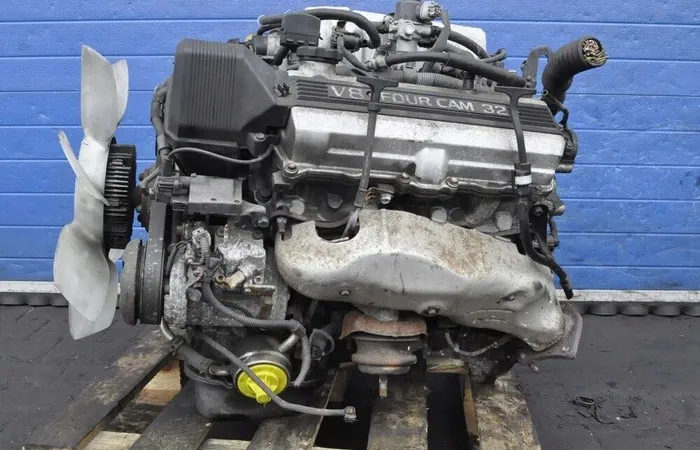
If one naturally aspirated engine family deserves a reputation for near-legendary durability, it might be the UZ series from Lexus.
These V8 engines combine aluminum cylinder heads with a cast-iron block and — importantly — no turbochargers. That simple formula resulted in extremely robust powertrains.
Many UZ engines easily surpass 185,000–220,000 miles, and some enthusiasts claim examples have reached 430,000–500,000 miles before a major overhaul. While those figures can vary depending on maintenance, the engines’ reputation for longevity is widely recognized.
Their biggest downside is fuel consumption, which is far from modern standards. Still, their durability made them popular in vehicles like the Lexus LS 400 and the Toyota Land Cruiser.
Mazda engines
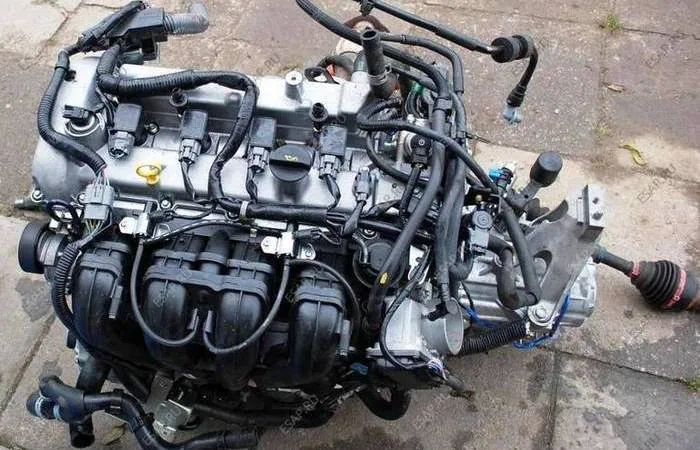
Interestingly, about 10–15 years ago engines from Mazda rarely appeared in reliability rankings. Today, however, some of the brand’s older naturally aspirated engines are appreciated for their durability.
One standout is the LF engine family, built with a cast-iron block and relatively simple design. The concept behind it is straightforward: fewer complicated systems mean fewer potential failure points.
While these engines can develop issues like increased oil consumption at very high mileage, most problems only appear after years of heavy use. The bigger challenge today is finding one — naturally aspirated engines like these are becoming increasingly rare.
They were commonly installed in models such as the Mazda6 and Mazda CX-7.
You may also be interested in the news:
That Little Auto Hold Button Could Make Your Daily Commute a Lot Less Annoying
That little Auto Hold button can take the strain out of stop-and-go traffic, steep hills, and everyday city driving.

He Traded His F-150 for a Loaded Ram 1500—Then the Door Sticker Revealed Just 782 Pounds of Payload
2026 Ram 1500 Limited Buyer Trades His F-150 and Finds Only 782 Pounds of Payload
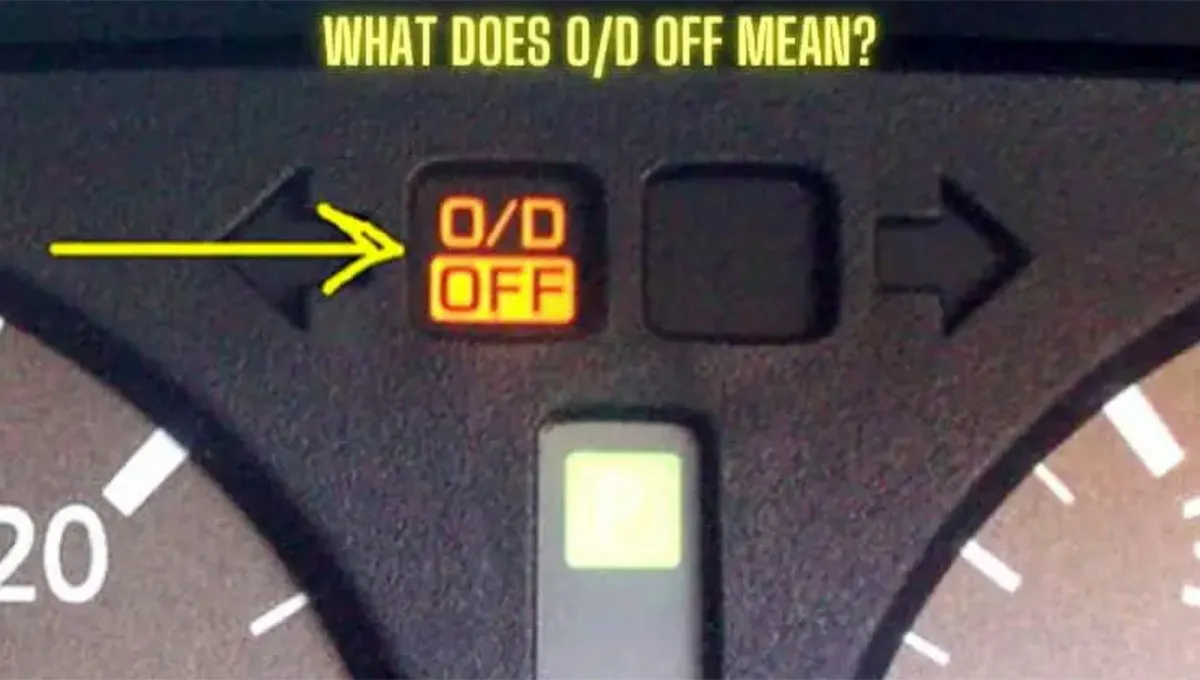
That O/D OFF Button in Your Car Has a Purpose—Here’s When You Actually Need to Press It
That mysterious O/D OFF button isn't a warning of transmission trouble—it can actually make driving easier in specific situations.

7 Cars That Should Have Been Legends — But One Big Flaw Held Them Back
Some cars had the styling, performance and character to become icons, but one glaring weakness kept them just short of legendary status.

Your Steering Wheel Starts Shaking at 60 MPH? Don’t Ignore These Warning Signs
A vibrating steering wheel is often most noticeable at highway speeds, but the cause isn’t always immediately obvious.