
Few American Drivers Know What Really Turns Off When You Press the ESP Button
Many drivers press the ESP button without realizing what vehicle systems actually change afterward.
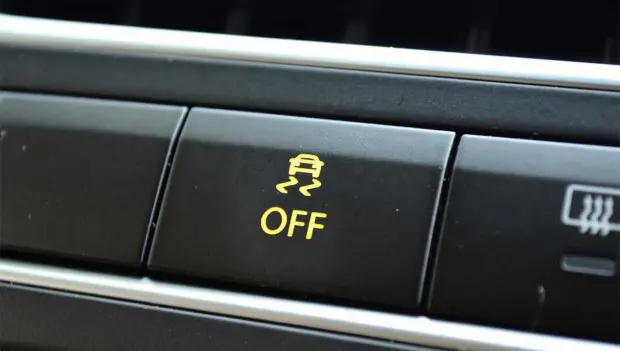
Many drivers have noticed the ESP button on the dashboard or inside the vehicle’s onboard settings—but far fewer understand what it actually does. Today, electronic stability systems are standard on almost every passenger vehicle. In certain situations, however, temporarily turning the system off can actually help a driver regain control.
The story of electronic driver aids began with ABS, the anti-lock braking system. Anti-lock Braking System allowed cars to brake more effectively without locking the wheels. Even during hard braking, drivers could still steer the vehicle and maintain its intended direction.
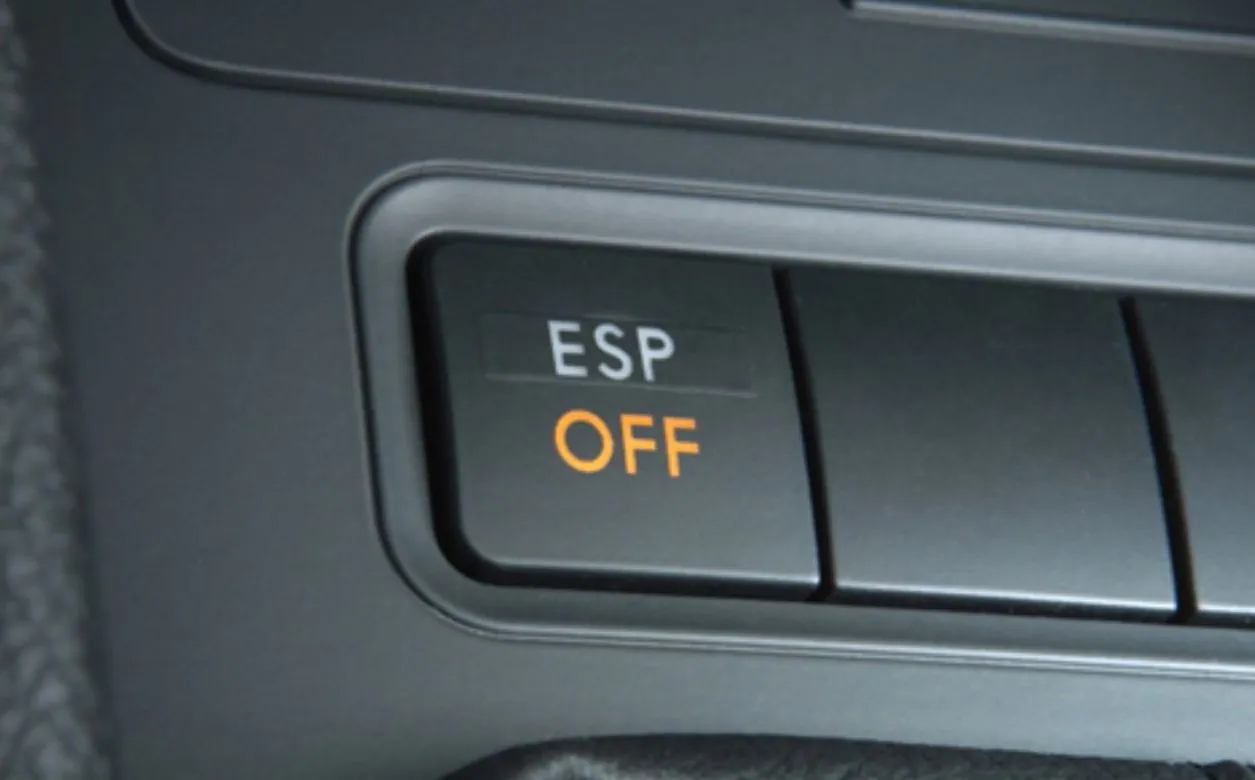
Engineers later added additional traction-management systems designed to prevent drive wheels from spinning under acceleration. Technologies such as Traction Control System (TCS), Acceleration Slip Regulation (ASR), and Electronic Traction System (ETS) monitor wheel slip and reduce power when necessary.
On dry pavement these systems work extremely well. But when driving on loose snow, deep sand, or thick mud, the situation changes. In those conditions, the wheels sometimes need to spin faster to build momentum and pull the car forward.
If traction control constantly reduces engine power, the wheels may spin in short bursts while warning lights flash on the dashboard—yet the vehicle barely moves. Even a small obstacle can become surprisingly difficult to overcome.
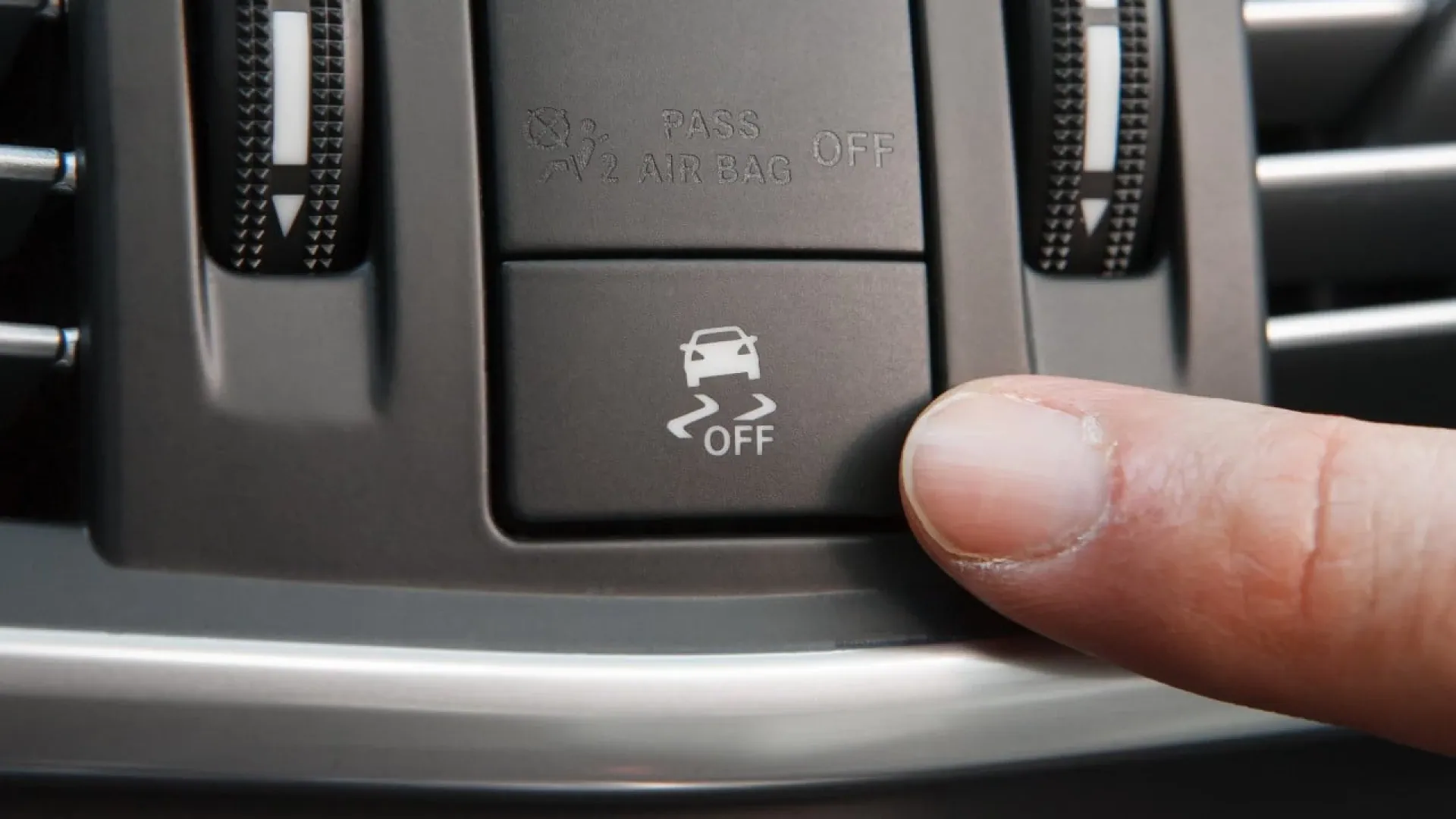
That’s where the connection with Electronic Stability Program (ESP) comes in. ESP works alongside traction control and takes things a step further. It monitors the car’s direction and can apply the brakes to individual wheels or reduce engine power to keep the vehicle stable.
Because these systems are closely linked, pressing “ESP OFF” usually reduces both stability control and traction control at the same time. With those limits relaxed, the drive wheels can spin freely—something that can be useful when trying to escape deep snow or loose terrain where momentum is essential.
Normally, ESP constantly compares where the driver wants the car to go with where it’s actually moving. If the system detects that the front or rear of the car is starting to slide, it quickly intervenes to bring the vehicle back under control.
To do this, the system uses several methods. Sometimes it cuts engine power. In other cases, it briefly applies the brakes to one wheel to correct the car’s path. Sensors measure acceleration in multiple directions and track how the vehicle rotates around its vertical axis, allowing the electronics to react almost instantly.
What changes when you turn ESP off depends on the vehicle. Many cars display a clear “ESP OFF” indicator on the instrument panel, but the actual behavior can vary from model to model.
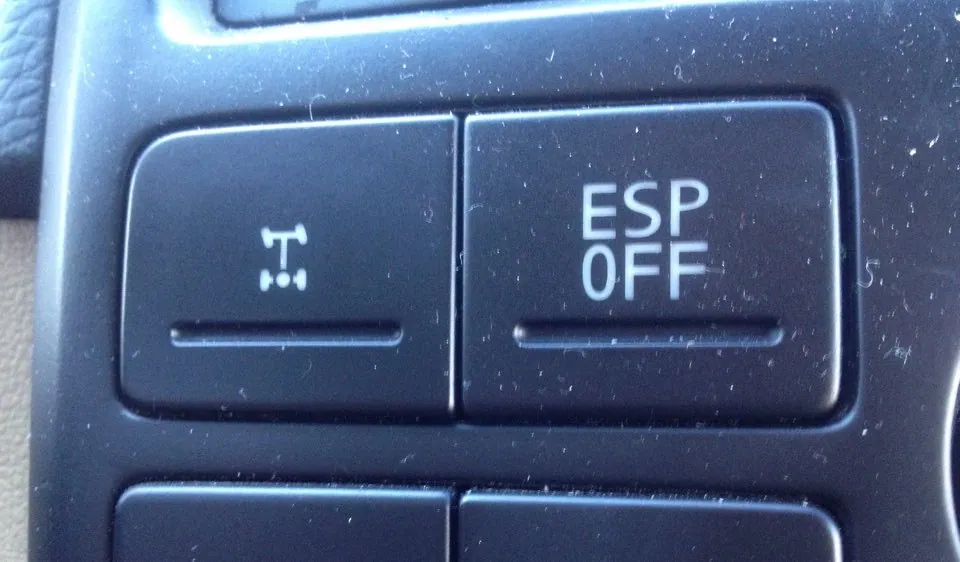
For example, the Hyundai Creta uses a two-stage system. A quick press disables only the traction control limiter, allowing more wheel spin. Holding the button longer disables the full stability-control function. This lets the driver decide whether free-spinning wheels in snow are more important than electronic assistance against skidding.
Even after turning ESP off, the change usually isn’t permanent. Restarting the engine typically reactivates the system automatically. In some vehicles, stability control may return even sooner—once the car reaches a certain speed, often around 25–30 mph, the electronics switch themselves back on.
You may also be interested in the news:
These 7 Dashboard Warning Lights Could Leave You Stranded—Here’s What They Really Mean
These dashboard warning lights can signal serious problems, from low oil pressure to overheating or brake trouble.

Why Stainless-Steel Bodies Never Replaced Conventional Steel in Mass-Market Cars
Stainless-steel bodies resist corrosion, but cost, manufacturing challenges, and styling constraints keep automakers using steel.
That Little Auto Hold Button Could Make Your Daily Commute a Lot Less Annoying
That little Auto Hold button can take the strain out of stop-and-go traffic, steep hills, and everyday city driving.
He Traded His F-150 for a Loaded Ram 1500—Then the Door Sticker Revealed Just 782 Pounds of Payload
2026 Ram 1500 Limited Buyer Trades His F-150 and Finds Only 782 Pounds of Payload
That O/D OFF Button in Your Car Has a Purpose—Here’s When You Actually Need to Press It
That mysterious O/D OFF button isn't a warning of transmission trouble—it can actually make driving easier in specific situations.