
Why More Drivers Are Starting to Avoid Cars Equipped With CVT Transmissions
Concerns about reliability continue to influence drivers when choosing vehicles equipped with CVT transmissions.
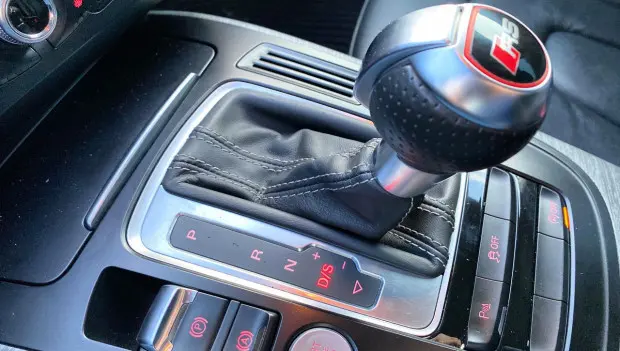
Many major automakers have used continuously variable transmissions, or CVTs, in their vehicles for years. Yet drivers still have mixed feelings about this type of gearbox. Some buyers choose CVT-equipped cars without hesitation, while others avoid them entirely, recalling stories about failures and expensive repairs.
Those concerns date back to the 1990s, when CVTs first began appearing in mass-produced vehicles. Early versions often caused trouble for owners. Overheating, premature wear, and failures at relatively low mileage were not uncommon. Repairs were also costly and required specialized technicians, who were harder to find at the time. Experiences from that era shaped the reputation of CVTs, and many drivers still view them as a weak point in a vehicle’s drivetrain.
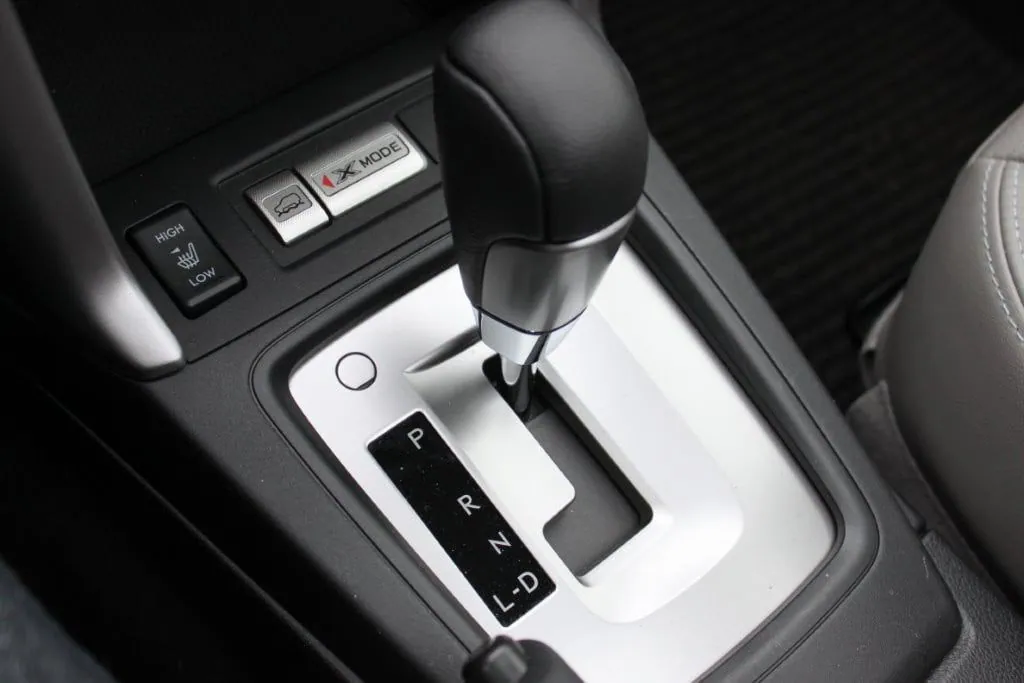
In reality, modern CVTs have evolved considerably. Automakers have redesigned key components, strengthened internal parts, and introduced more durable materials. As a result, today’s systems are generally more reliable and operate more smoothly than earlier versions.
They also offer some clear advantages. Acceleration tends to be very smooth because the transmission doesn’t shift through traditional gears. Instead, the engine stays in an optimal power range while the vehicle gradually increases speed. CVTs can also improve fuel economy compared with many conventional automatic transmissions.
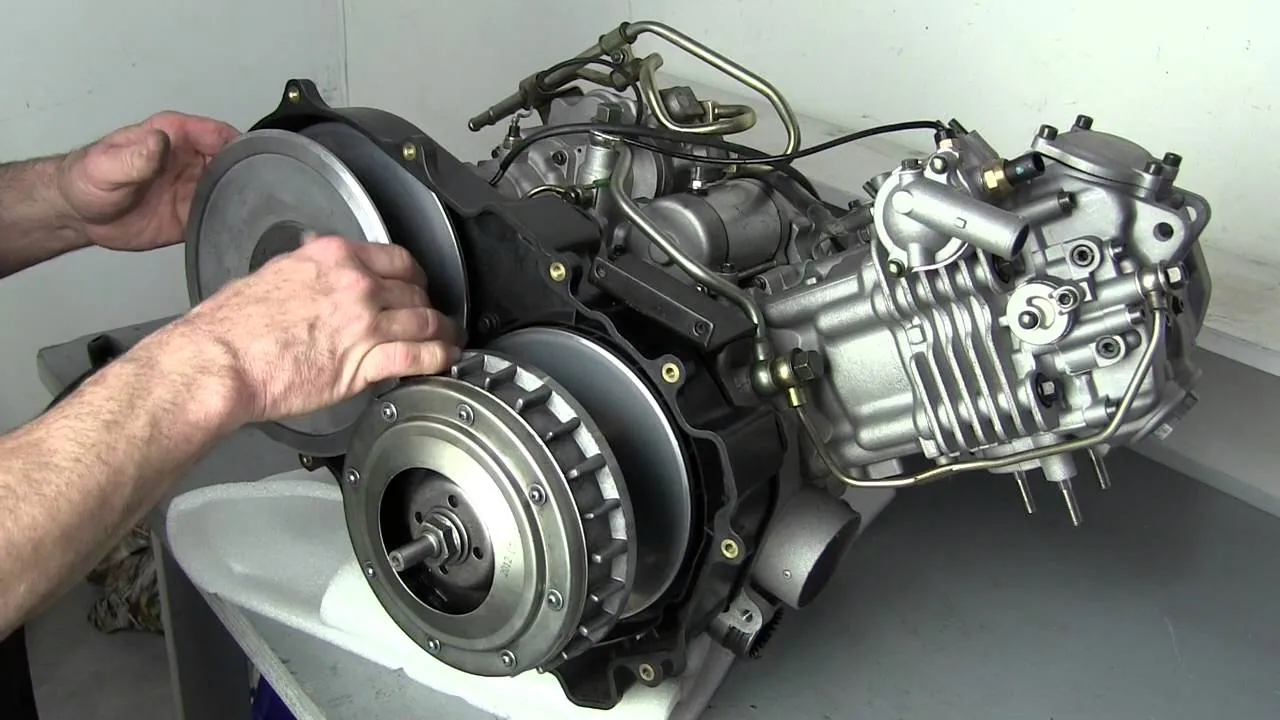
Still, the drawbacks haven’t disappeared completely. Some vehicles continue to face reliability concerns, particularly in certain models. For example, questions have been raised about the durability of the S tronic transmission used in the Audi A5. Similar discussions appear among owners of the Nissan Qashqai with the 1.6-liter engine and the Nissan Juke.
There are also more durable examples. The TR580 CVT used in several Subaru models is often considered more robust than many competitors. Even so, these transmissions typically require servicing or repair after roughly 93,000 miles.
Specialists at independent repair shops say it’s a mistake to label all CVTs unreliable. Much depends on the manufacturer. Two transmissions that appear similar on the outside can behave very differently in real-world use.
Japanese designs, for instance, often have a stronger reputation among drivers. CVTs produced by Aisin—widely used in vehicles from Toyota—are generally known for handling heavy loads well when properly maintained. A similar reputation applies to transmissions from Jatco, which appear in models from Nissan and Mitsubishi Motors. In many cases they operate reliably and don’t cause major problems for owners.
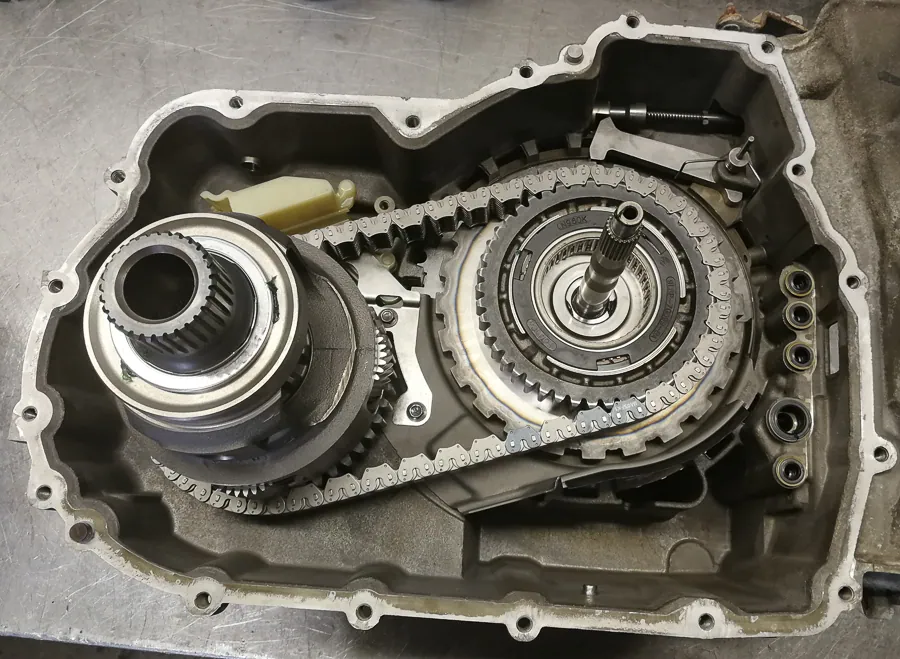
However, the situation becomes less predictable when buying a used vehicle. The history of the transmission is often unclear. It’s difficult to know whether the CVT was overheated, whether fluid changes were done on time, or whether proper service intervals were followed. These factors can significantly affect lifespan, yet they’re almost impossible to verify in advance.
Because of that uncertainty, buyers often view used CVT-equipped vehicles as a bigger risk.
Drivers tend to be especially cautious with CVTs used in some Chinese-built vehicles. Once mileage climbs past about 50,000 miles, the chance of hidden issues may increase. In some cases, problems appear suddenly and require costly repairs, which is one reason many shoppers remain cautious when considering these transmissions.
You may also be interested in the news:
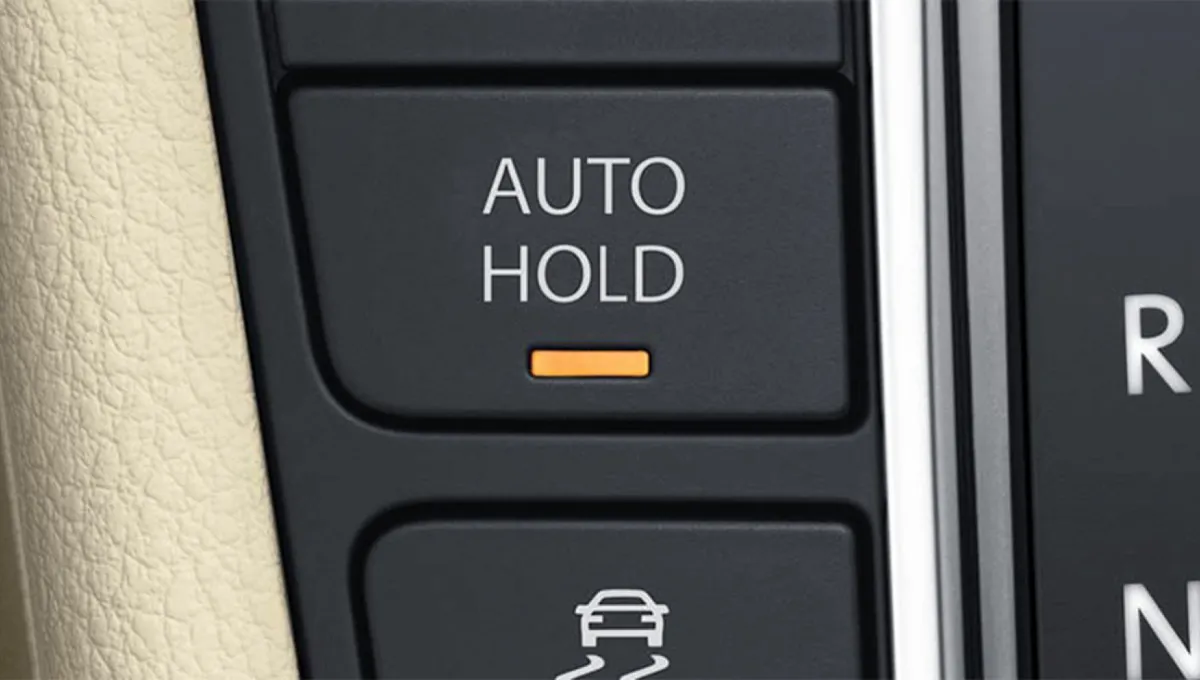
That Little Auto Hold Button Could Make Your Daily Commute a Lot Less Annoying
That little Auto Hold button can take the strain out of stop-and-go traffic, steep hills, and everyday city driving.
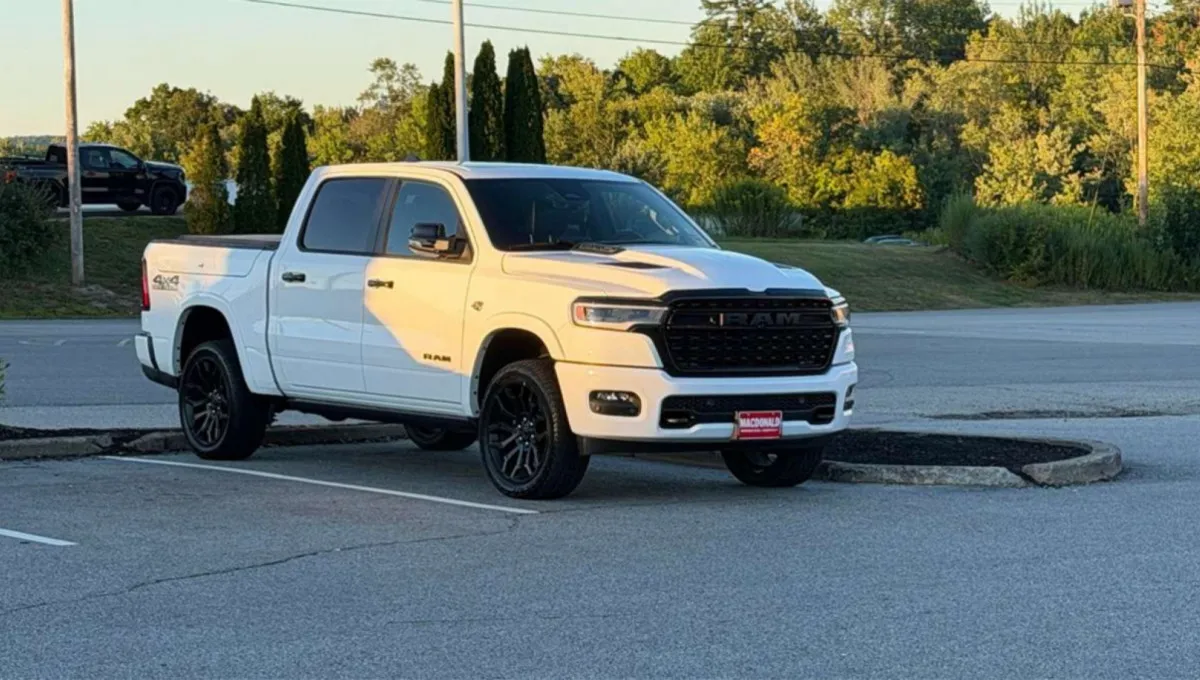
He Traded His F-150 for a Loaded Ram 1500—Then the Door Sticker Revealed Just 782 Pounds of Payload
2026 Ram 1500 Limited Buyer Trades His F-150 and Finds Only 782 Pounds of Payload
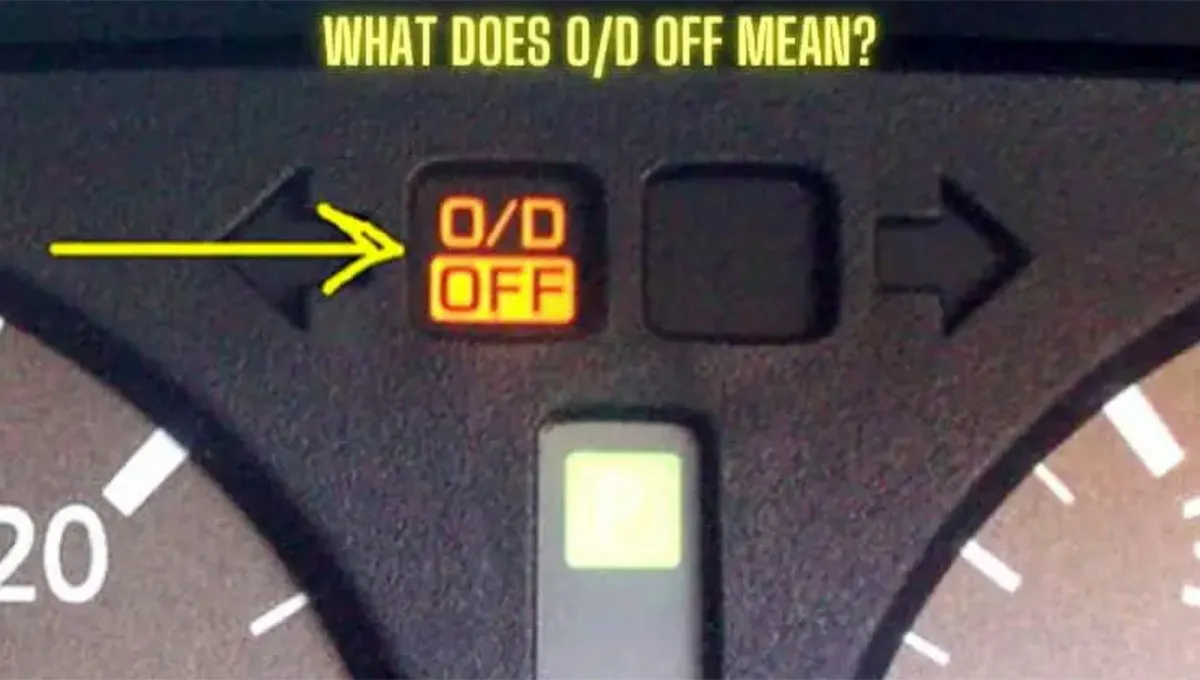
That O/D OFF Button in Your Car Has a Purpose—Here’s When You Actually Need to Press It
That mysterious O/D OFF button isn't a warning of transmission trouble—it can actually make driving easier in specific situations.
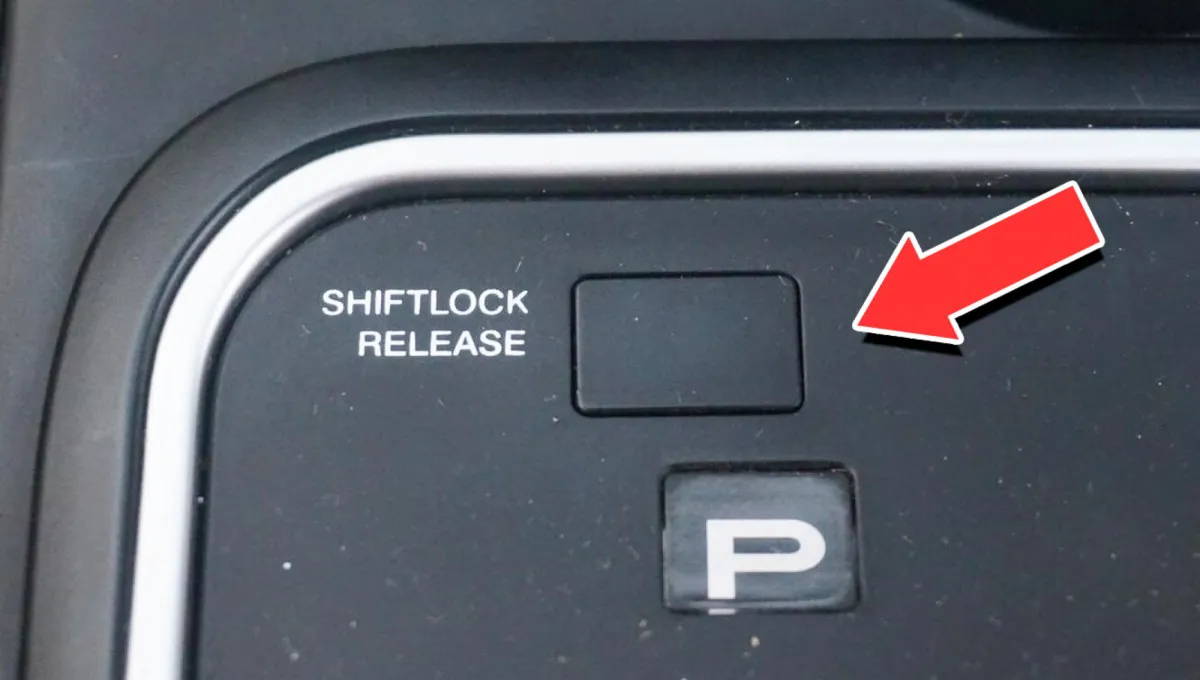
Shift Lock Explained: Why Your Automatic Shifter Won’t Move—and Why That’s Actually Good
If your automatic shifter suddenly refuses to move, there’s a good chance your car is protecting you from an accidental gear change.

7 Cars That Should Have Been Legends — But One Big Flaw Held Them Back
Some cars had the styling, performance and character to become icons, but one glaring weakness kept them just short of legendary status.