
Why Some Automatic Transmission Shifters Move Straight and Others Follow a Zigzag Pattern — And Which Works Better
Automatic transmission vehicles use two main shifter layouts, each designed with different safety and usability priorities.

In vehicles equipped with automatic transmissions, you’ll typically notice two types of gear selectors. Some move strictly in a straight line, while others travel through a curved, zigzag-shaped gate. At first glance, it may seem like a purely stylistic difference. In reality, the shape serves a practical purpose and reflects different engineering approaches to driver control.
Both designs accomplish the same basic task: selecting transmission modes such as Park, Reverse, Neutral, and Drive. The difference lies in how the driver moves between those positions. A straight-line selector allows quick, direct shifts without extra hand movement. That layout can be convenient when frequently parking, pulling away, or maneuvering in tight spaces.

A zigzag or gated selector, on the other hand, requires more deliberate movements. To shift from Drive to Reverse, for instance, the driver must guide the lever slightly sideways before continuing the motion. This added step helps prevent accidentally engaging Reverse while the vehicle is still moving forward.
Automatic shifters didn’t always look the way they do today. In earlier vehicles, the gear lever was often mounted on the steering column, much like the setup found in many classic American cars. As vehicle interiors evolved and cabin space became more compact, manufacturers began relocating the selector to the center console between the front seats.
That position proved practical. Drivers could see and feel the lever’s position more easily, and the surrounding space could accommodate armrests, storage compartments, and additional controls.
Over time, the floor-mounted shifter became the industry standard, and its shape started to play a bigger functional role. A straight shift path emphasizes speed and simplicity, while a gated or zigzag design prioritizes precision and error prevention. The balance between those priorities often determines which layout automakers choose.

The zigzag design features a guide track with bends or steps built into it. Those angles are intentional. They prevent the driver from selecting the wrong gear with a single straight movement. For example, switching from Drive to Reverse or Park requires guiding the lever through a specific path in the gate. In many cases, that mechanical path eliminates the need for a separate locking button because the track itself acts as the safeguard.
Some vehicles still include additional protection. Before engaging Reverse or Drive, the driver may need to press the lever downward or hold a release button.
A straight-line shifter, by contrast, typically relies on a lock button built into the handle. Until the button is pressed, the selector remains locked in place. Only when the driver holds the release can the lever move to another gear. The system is simple, durable, and familiar to most drivers.
Importantly, the shape of the shift path has no effect on how the transmission itself operates. It’s mainly a matter of engineering philosophy, driver convenience, and interior design — factors each automaker balances in its own way.
You may also be interested in the news:

The Language of the Road: Which Hand Signals Do American Drivers Still Understand?
Traditional driving hand signals are fading from American roads, but a few old gestures can still help drivers avoid trouble.
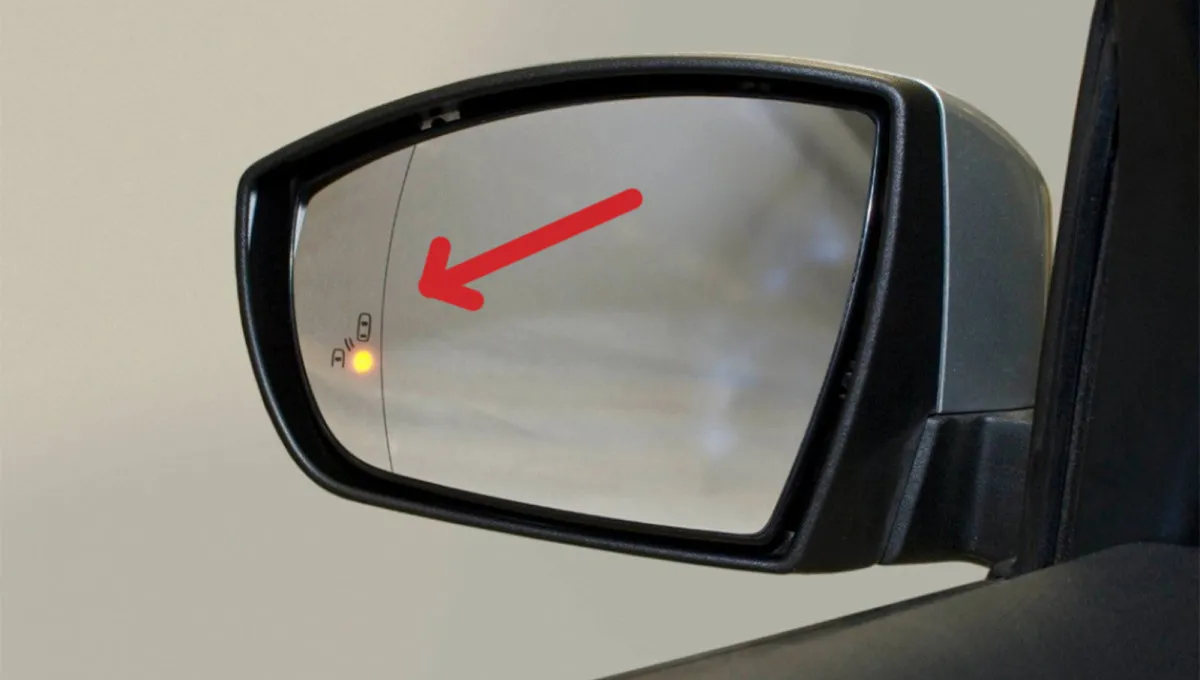
Why Do Some Car Side Mirrors Have a Dotted Line? Most Drivers Don't Know What It Does
That small dotted line on your car's side mirror serves an important purpose many drivers overlook.

Why Colored Stripes on New Tires Confuse Drivers: What They Really Mean
A blue stripe on one tire brand can mean something entirely different on another, leaving drivers wondering what the markings mean.

These 8 Cars Went Over 1 Million Miles — They Just Don’t Build Them Like They Used To
Some cars outlast generations of owners, proving that careful maintenance and durable engineering can deliver extraordinary mileage.

The 1957 Dodge: How “Autodynamics” Shaped One of Detroit’s Boldest Designs
The 1957 Dodge Looked Like a Dream Car, but Its Biggest Flaw Was Hiding Beneath the Surface.