
The strangest and rarest Toyotas ever built — cars you’d never expect from the brand
Japan’s domestic market once featured several unusual Toyota models rarely seen — or imagined — outside the country.
For many American car enthusiasts, the lineup from Toyota feels pretty familiar. The brand is best known for staples like the rugged Toyota Land Cruiser, the best-selling Toyota Camry and Toyota Corolla, along with smaller cars such as the Toyota Yaris.
But in its home market of Japan, Toyota has occasionally offered models that feel almost unimaginable for global markets. Some were limited runs, others were engineering experiments, and a few became genuine collector’s items.
Here are several of the most unusual and rare Toyotas ever built.
Toyota Classic
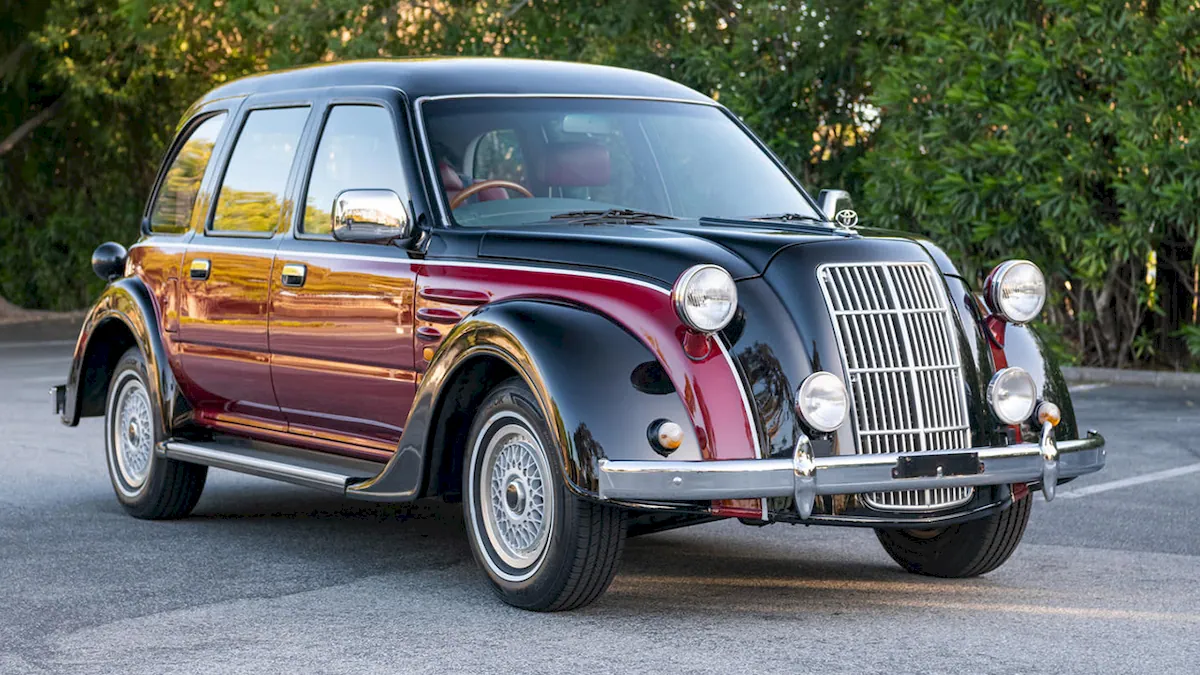
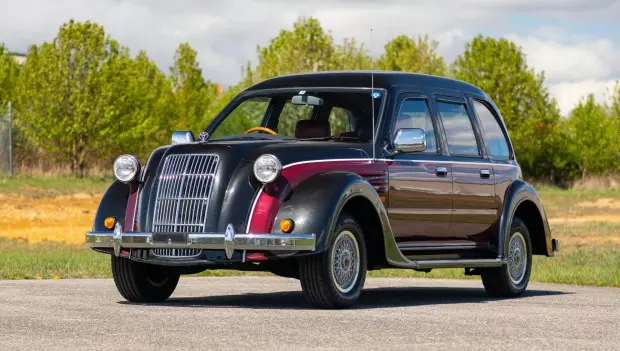
At nearly 192 inches long with a 112-inch wheelbase, the Toyota Classic might not fit traditional definitions of elegance — but it certainly has presence.
The car was developed by Toyota’s special projects division known as TECS (Toyota Excellent Conversion Series), a group responsible for some of the company’s most unconventional builds. Designers drew inspiration from the historic Toyota AA — the brand’s very first passenger car. That original model itself was heavily influenced by the aerodynamic American sedan Chrysler Airflow.
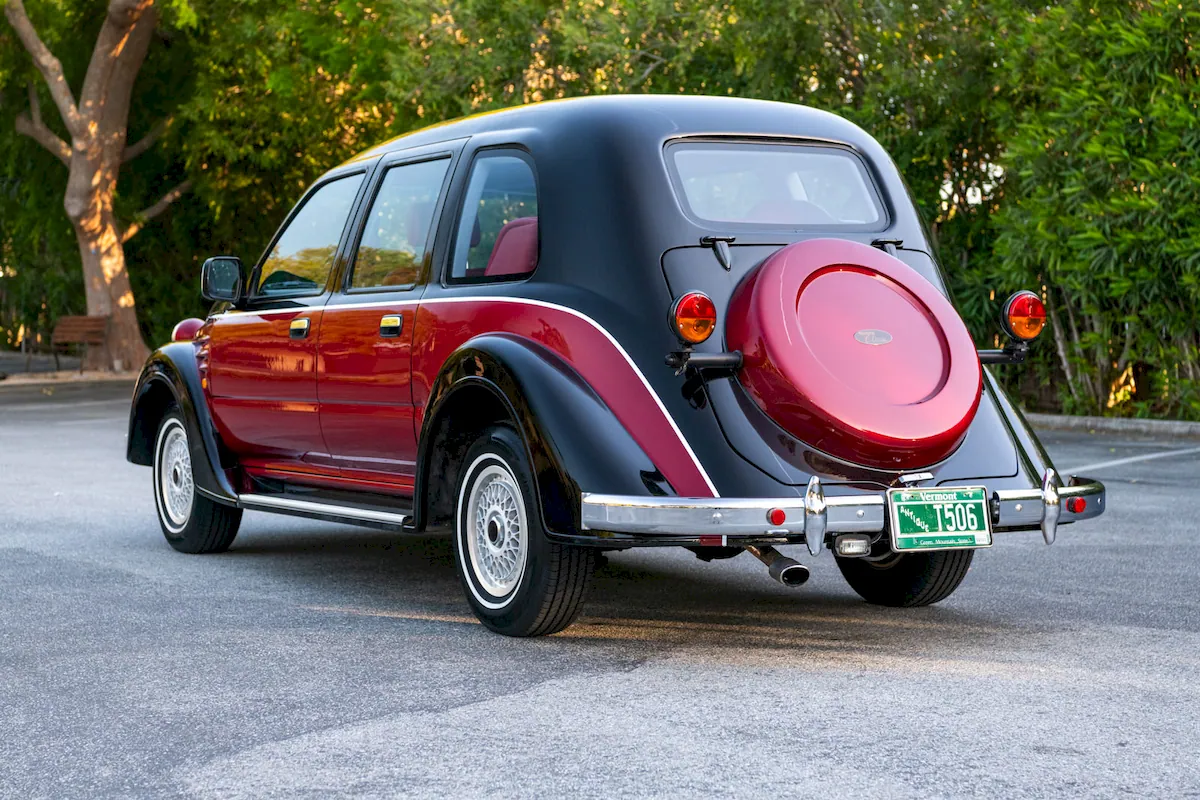
Underneath the retro bodywork sat the ladder-frame chassis from the Toyota Hilux. The mechanical components were carried over as well, including a 97-horsepower overhead-valve engine paired with a four-speed automatic transmission.
The Toyota Classic was built for just one year, with only 100 units produced, making it one of the most exclusive Toyotas ever sold.
Toyota Origin
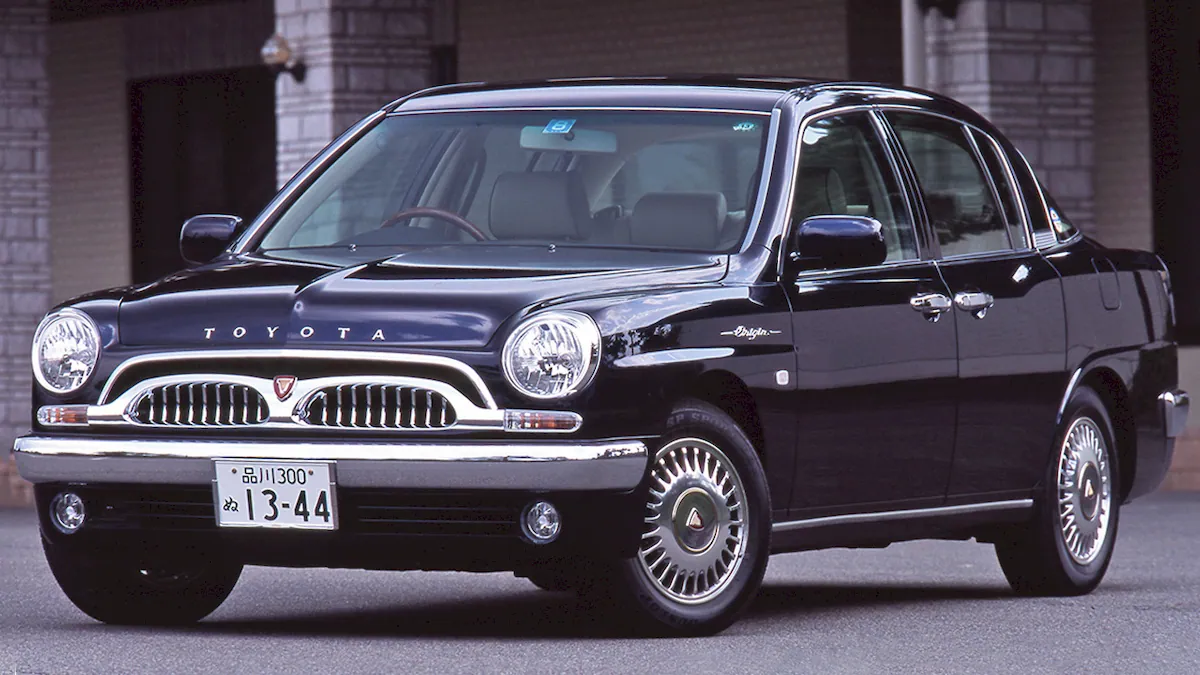
Could any Toyota briefly steal attention from the majestic Toyota Century with its V12 engine? Surprisingly, the Toyota Origin came close.
The model debuted in Japan in November 2000 to celebrate a major milestone: Toyota producing its 100-millionth vehicle. The car was based on the rear-wheel-drive chassis of the Toyota Progres but received a completely unique retro-inspired body.
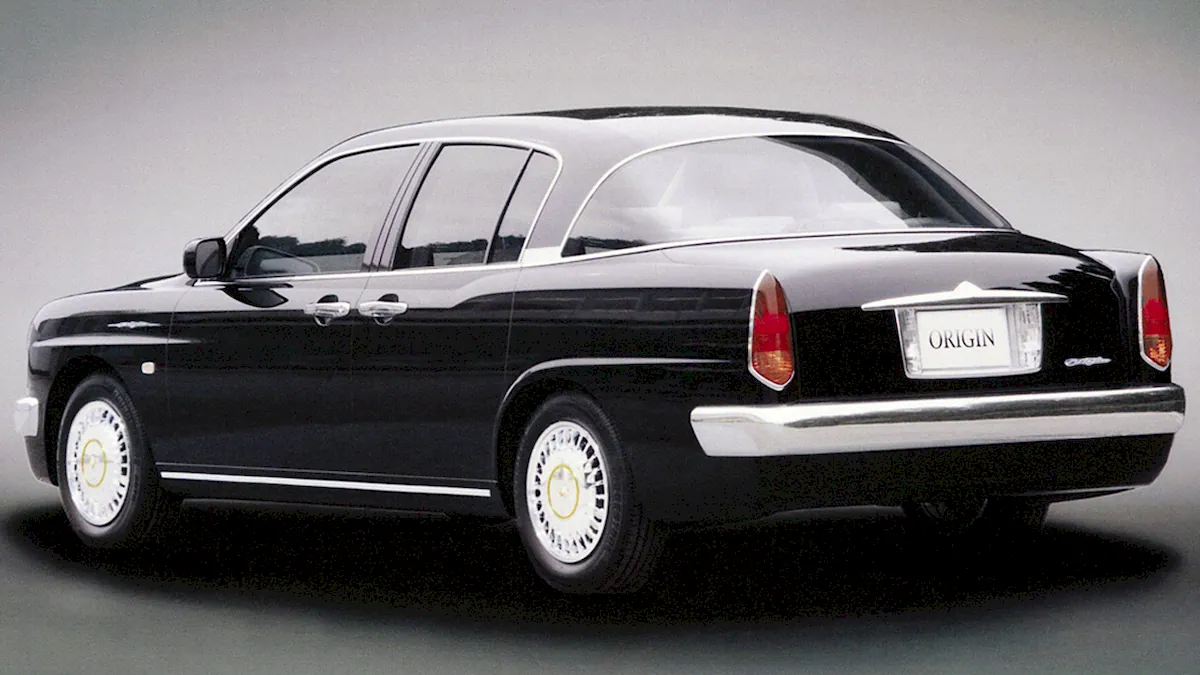
Its styling paid tribute to the 1955 Toyota Crown, featuring a bold chrome grille, tall vertical taillights, a distinctive reverse-slanted C-pillar, and a panoramic rear window.
Toyota originally planned to build about 1,000 units, though the final production reportedly reached 1,073 cars. The price was steep — about $60,000 at the time, roughly double the cost of a standard Progres sedan.
Toyota Mega Cruiser
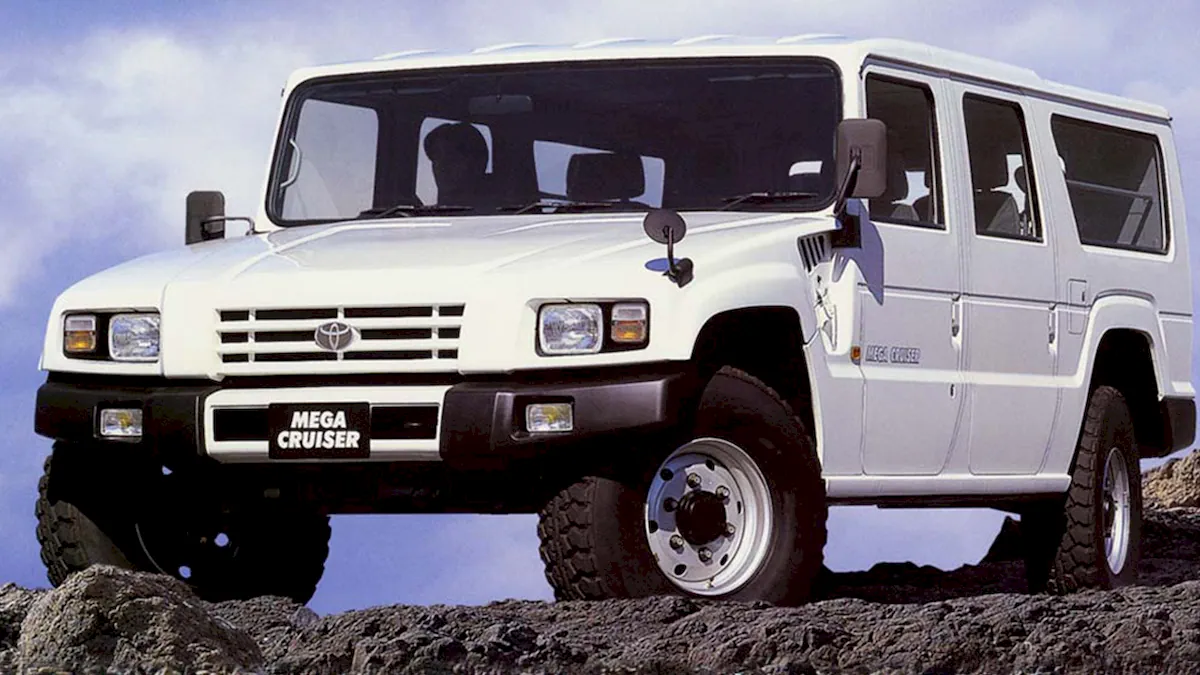
At the 1993 Tokyo Motor Show, Toyota unveiled something dramatically different from its typical lineup: the Mega Cruiser.
This massive off-road vehicle was essentially a civilian version of a light military transport designed for the Japan Self-Defense Forces. Like most military-grade machines, it emphasized durability over luxury.
The SUV rode on a heavy-duty steel frame supporting the engine and drivetrain. Despite its long 134-inch wheelbase, the Mega Cruiser was surprisingly maneuverable thanks to a four-wheel-steering (4WS) system that allowed a tight 18.4-foot turning radius.
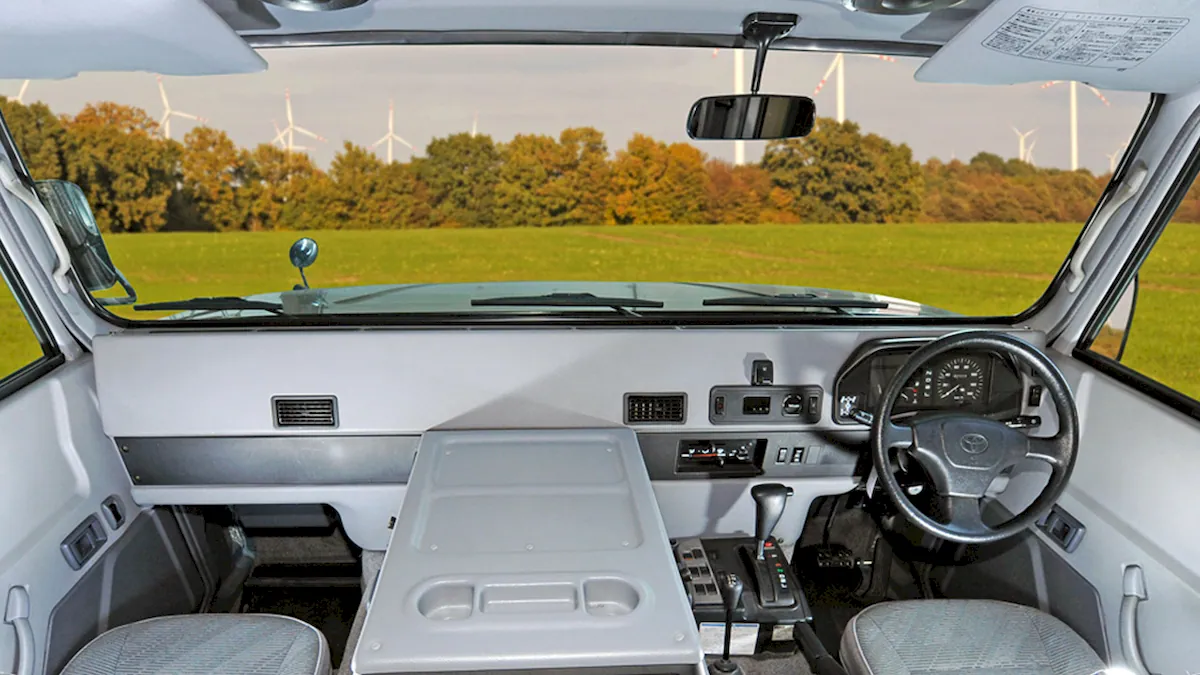
Power came from a 4.1-liter turbo-diesel engine producing 153 horsepower, borrowed from the Toyota Coaster. The engine was known for strong reliability and relatively modest fuel consumption for a vehicle of this size.
However, the Mega Cruiser’s high price and significant taxes prevented it from becoming a mainstream model. Only about 150 civilian BXD20 versions were sold, while the military BXD10 variant reached roughly 3,000 units.
Toyota TRD2000
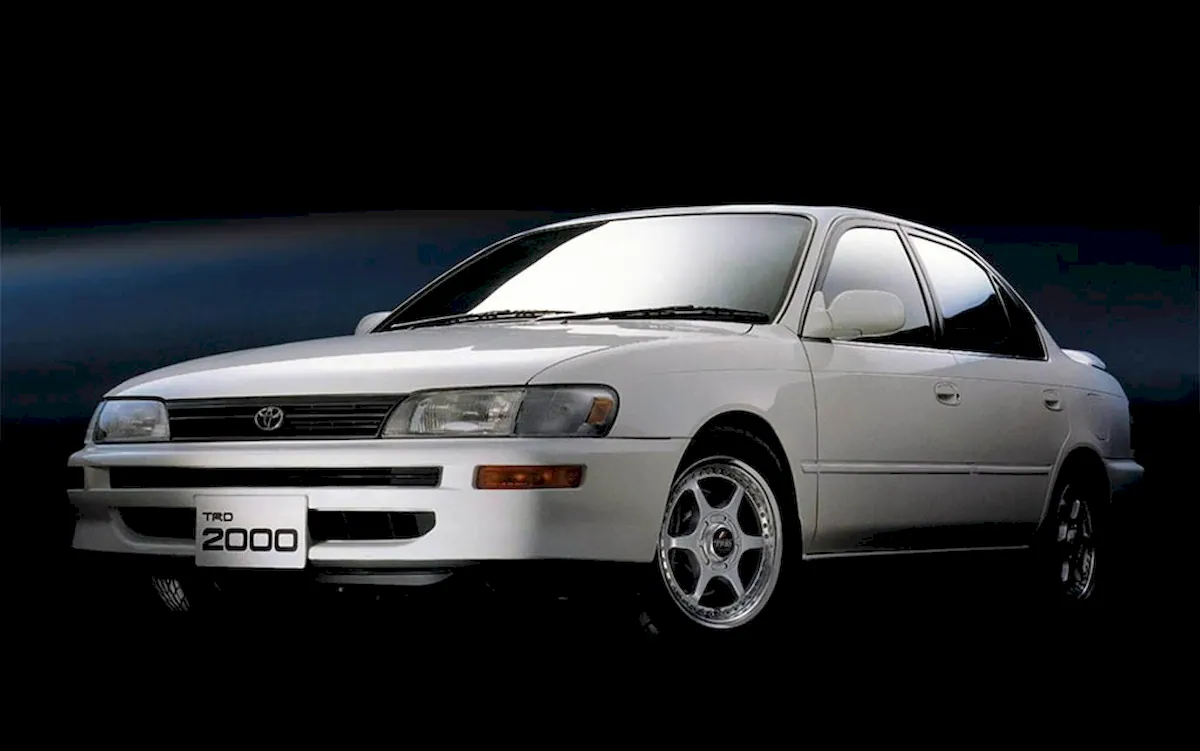
The story of the Toyota TRD2000 is closely tied to the golden era of the Japanese Touring Car Championship in the 1990s.
Fans of the series dreamed of owning road cars that closely resembled the race machines competing in JTCC. Automakers responded by launching special versions of production vehicles inspired by touring-car racing.
Introduced in 1994, the TRD2000 looked almost identical to a standard seventh-generation Corolla. The differences were subtle: 15-inch alloy wheels, a small trunk spoiler, and a dual exhaust system.
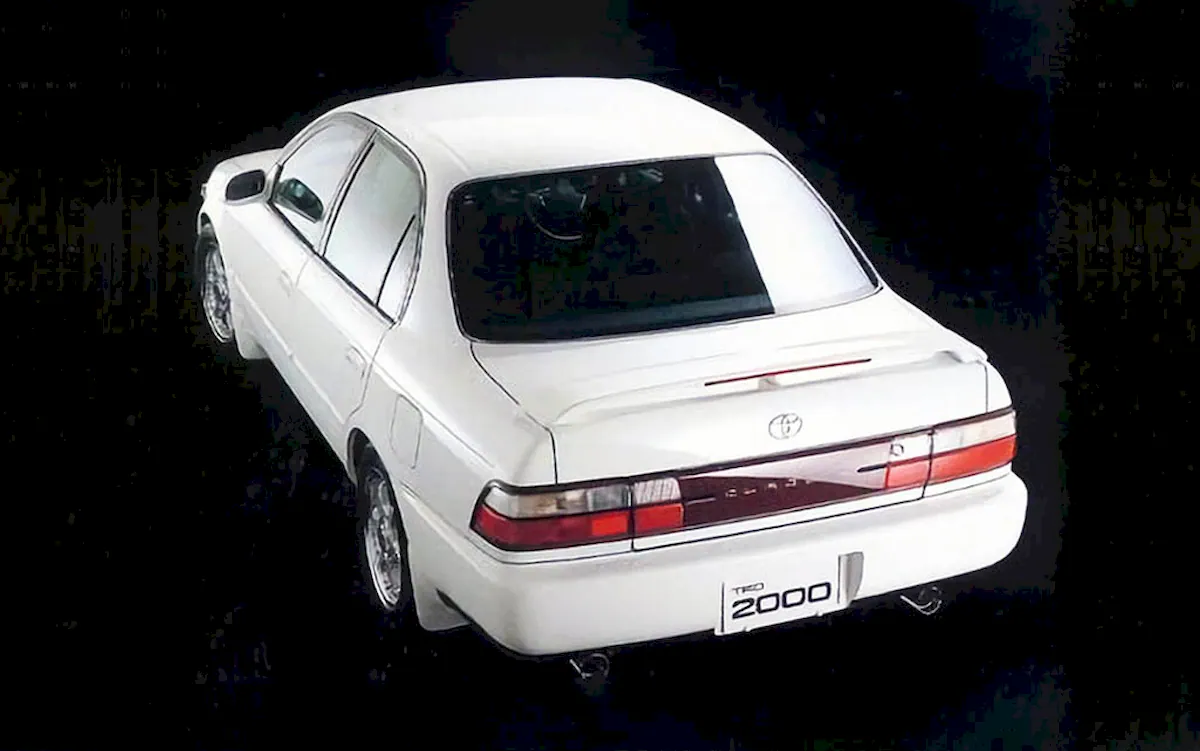
Under the hood, however, sat a 180-horsepower naturally aspirated 3S-GE four-cylinder engine, borrowed from the rally-bred Toyota Celica GT‑Four. Power was sent through a five-speed manual transmission with a short-throw shifter.
Sales began in October 1994 with a price of roughly $30,000 at the time — actually more expensive than the Celica GT-Four homologation model. Unsurprisingly, buyers were scarce.
Only 10 cars were ever sold, after which the project was quietly canceled. That makes the TRD2000 the rarest production car Toyota has ever built.
You may also be interested in the news:
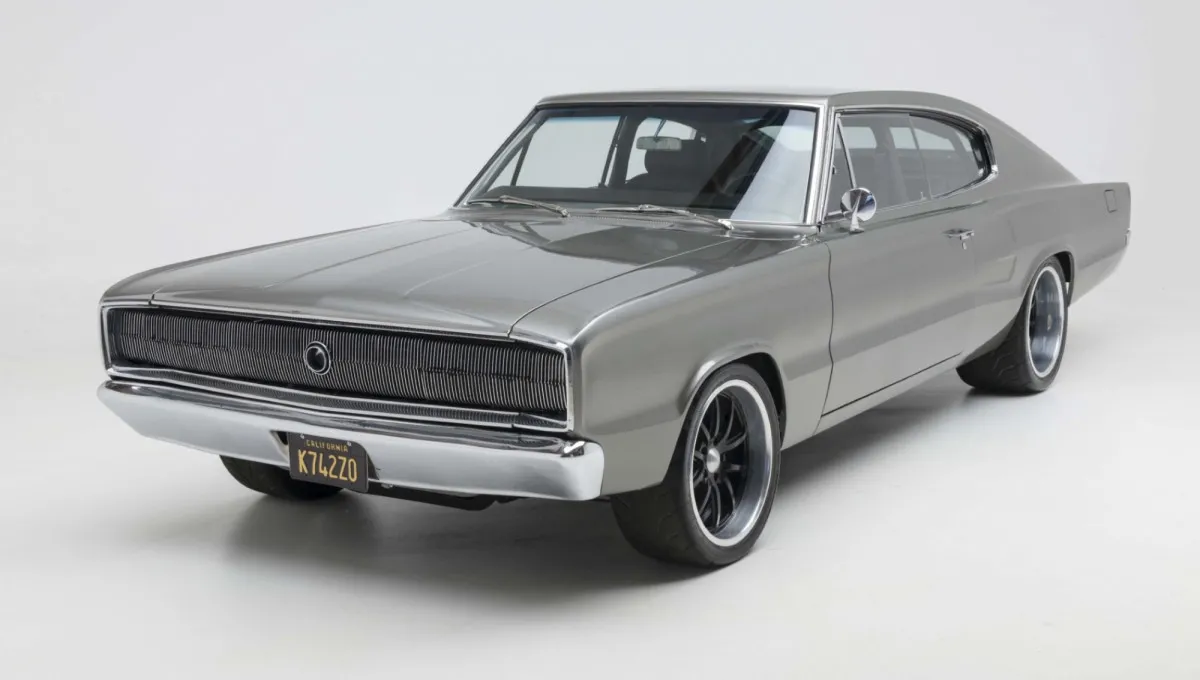
The “Leader of the Dodge Rebellion”: The 1966 Dodge Charger
The Dodge Charger has endured for 60 years, but its story began with an unlikely 1966 debut.
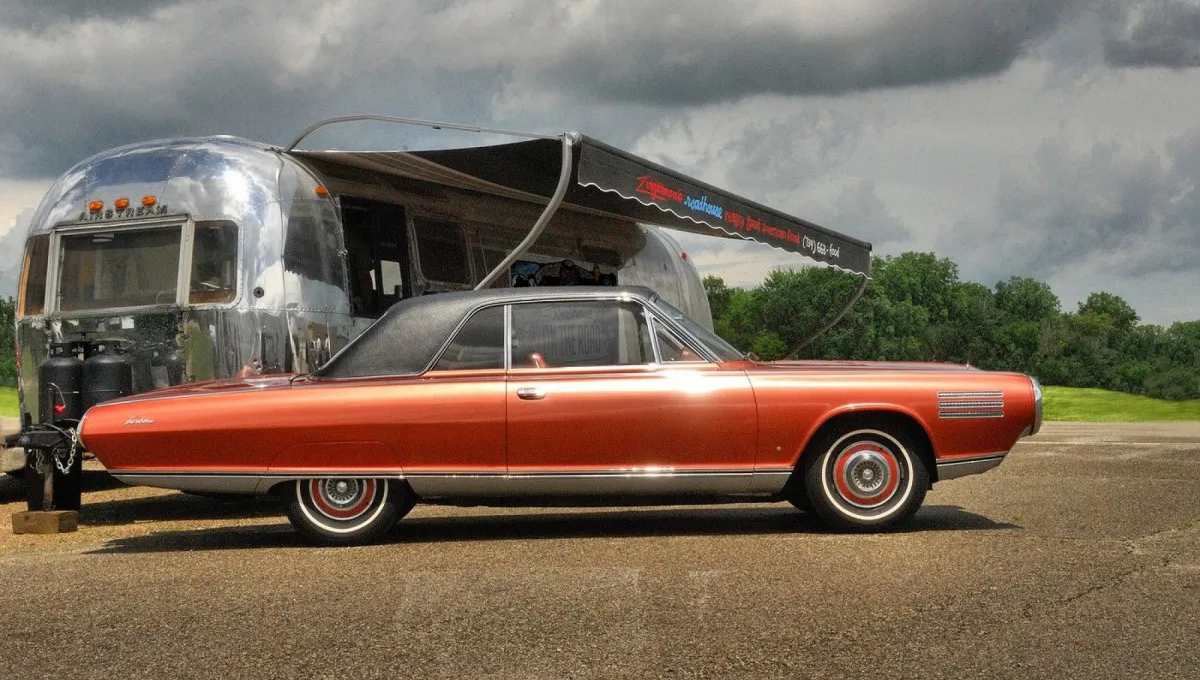
The Gas Turbine Chrysler Drove a Million Miles Across the U.S., Ran on Perfume, but Never Went Into Production
In late 1963, a strange new car hit American roads, turning heads with the unmistakable sound of a jet engine.
His Passenger Left a Bag With a Passport Inside—What This Uber Driver Did Next Touched Millions
An Uber driver drove back to return a forgotten bag, turning a ride into kindness.
A Little Boy Spotted a Bearded Biker at the Store—What Happened Next Felt Like a Christmas Miracle
A biker with a white beard turned an ordinary grocery run into a Christmas memory one little boy won't forget.
This Tiny Camper Has a Shower, Kitchen and Two Beds—And It Fits on a Small Truck
A new Japanese camper packs a living room, kitchen, shower and two sleeping areas into a compact package.