
Dirty Door Sills: A Simple Upgrade That Helps Keep Your Car Cleaner
Mud, slush, and moisture make dirty door sills unavoidable—but a small modification can dramatically reduce the mess.
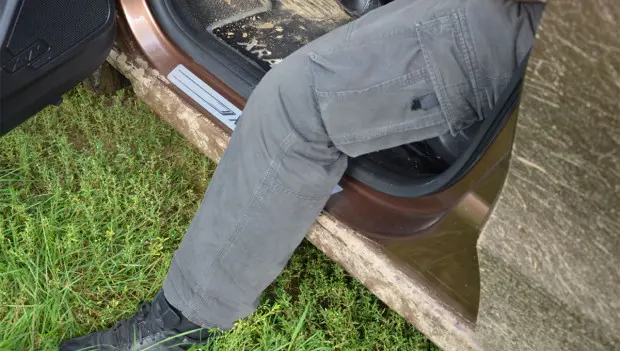
When the roads are wet, muddy, and covered with slush, keeping your car’s door sills clean is nearly impossible. Dirt that collects there inevitably finds its way into the cabin. It sticks to the sill itself and transfers easily to the clothes of drivers and passengers as they get in or out. Fortunately, a small modification can help reduce the problem significantly—if not eliminate it completely.
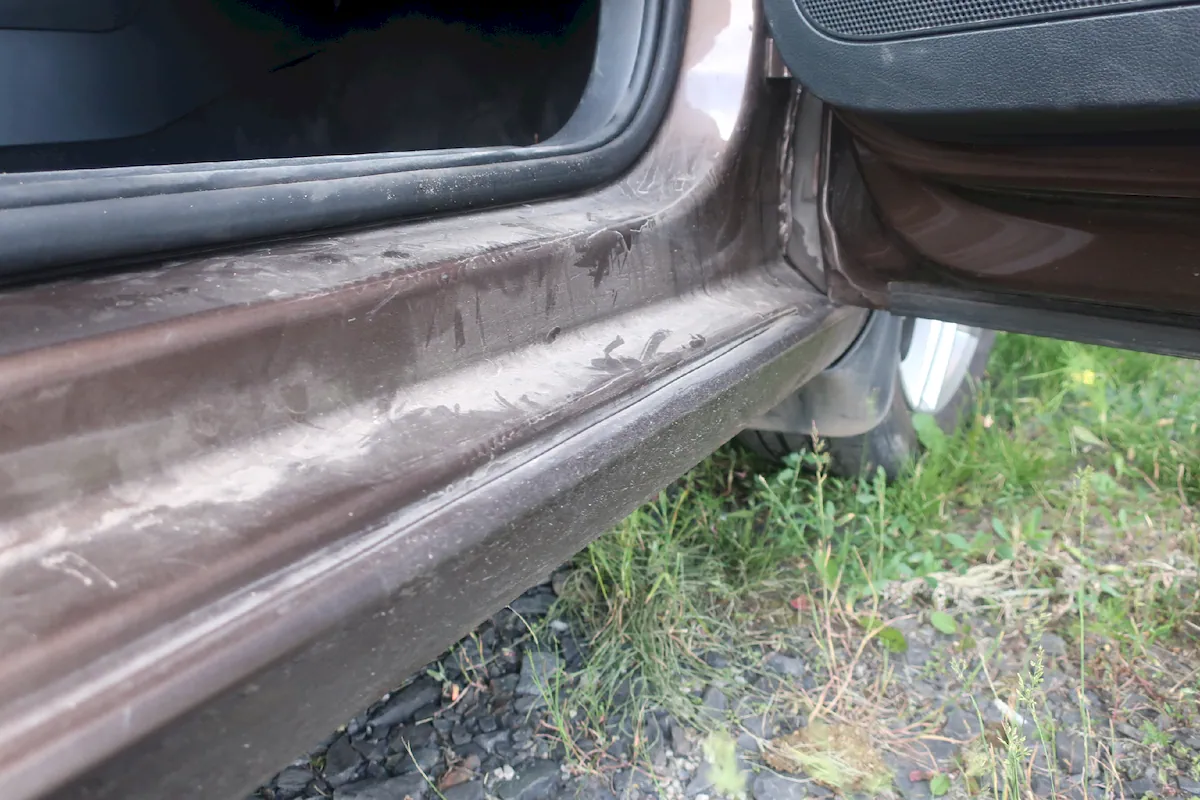
So why do door sills get so dirty during bad weather in the first place? The answer comes down to their design. The wider the sill, the more likely it is to collect grime. It’s a simple matter of surface area.
In addition, shorter drivers and passengers often end up brushing against the sill more frequently when entering the vehicle, making dirty clothes even more likely. While there’s not much anyone can do about their height, improving the design of the sill area is definitely possible.
The real issue with accumulated grime—especially during winter—isn’t just the mess it brings into the cabin. Road slush often contains chemical de-icers and salt used to treat highways and city streets. When these substances sit on the metal bodywork, they gradually attack the paint and protective coating. Over time, this can lead to corrosion and costly body repairs.
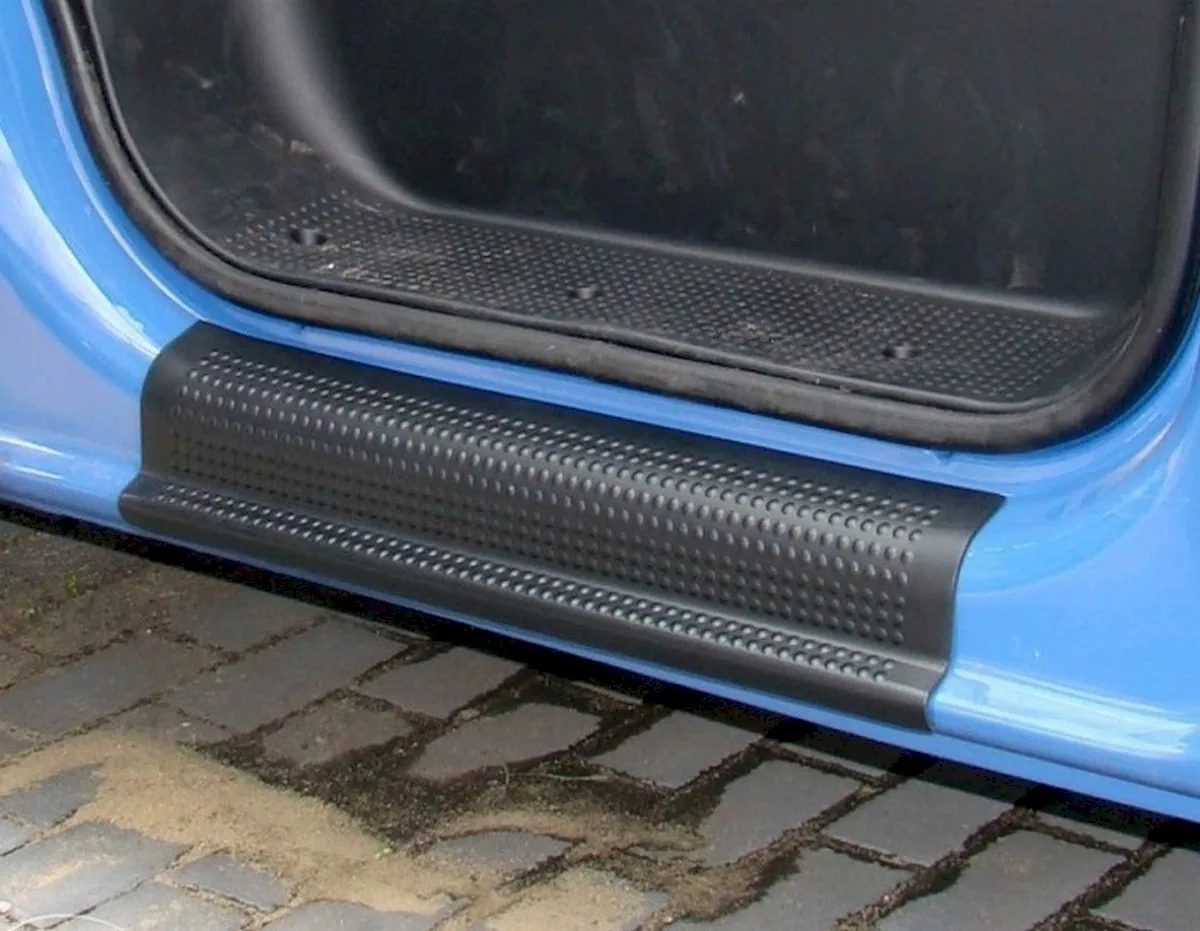
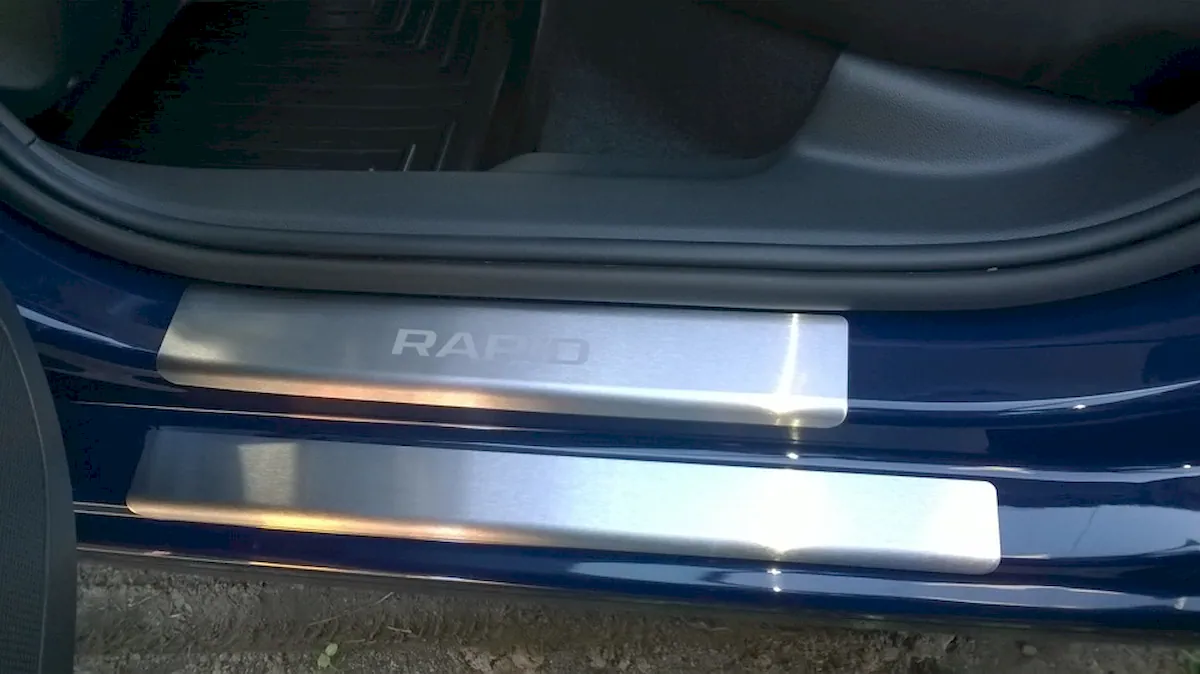
One way to reduce the problem is to upgrade the factory door sills. Adding protective trim and slightly reducing how far the sill extends outward can make a noticeable difference. Specialized plastic sill covers are designed for exactly this purpose. They create a tighter seal between the door and the body, protect the painted surface, and help prevent dirt from collecting along the edge.
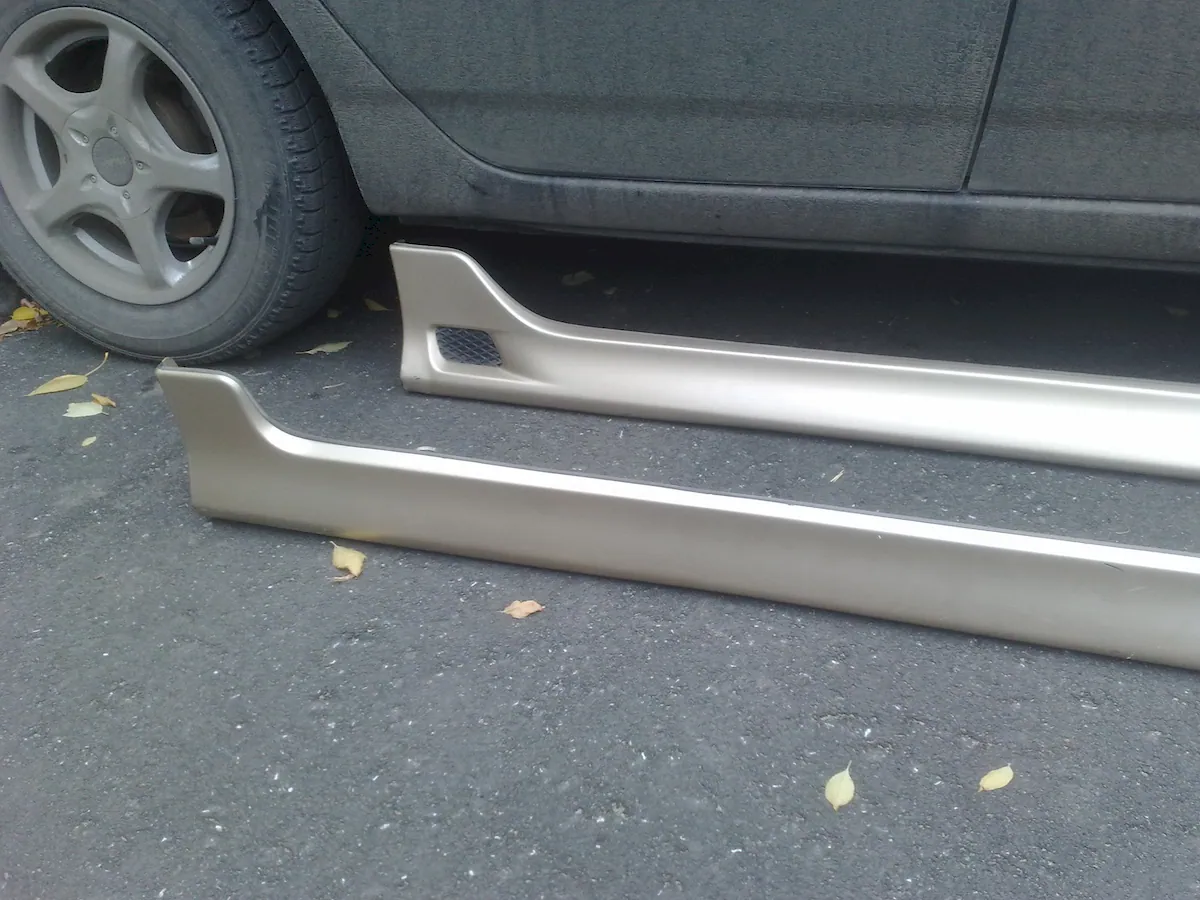
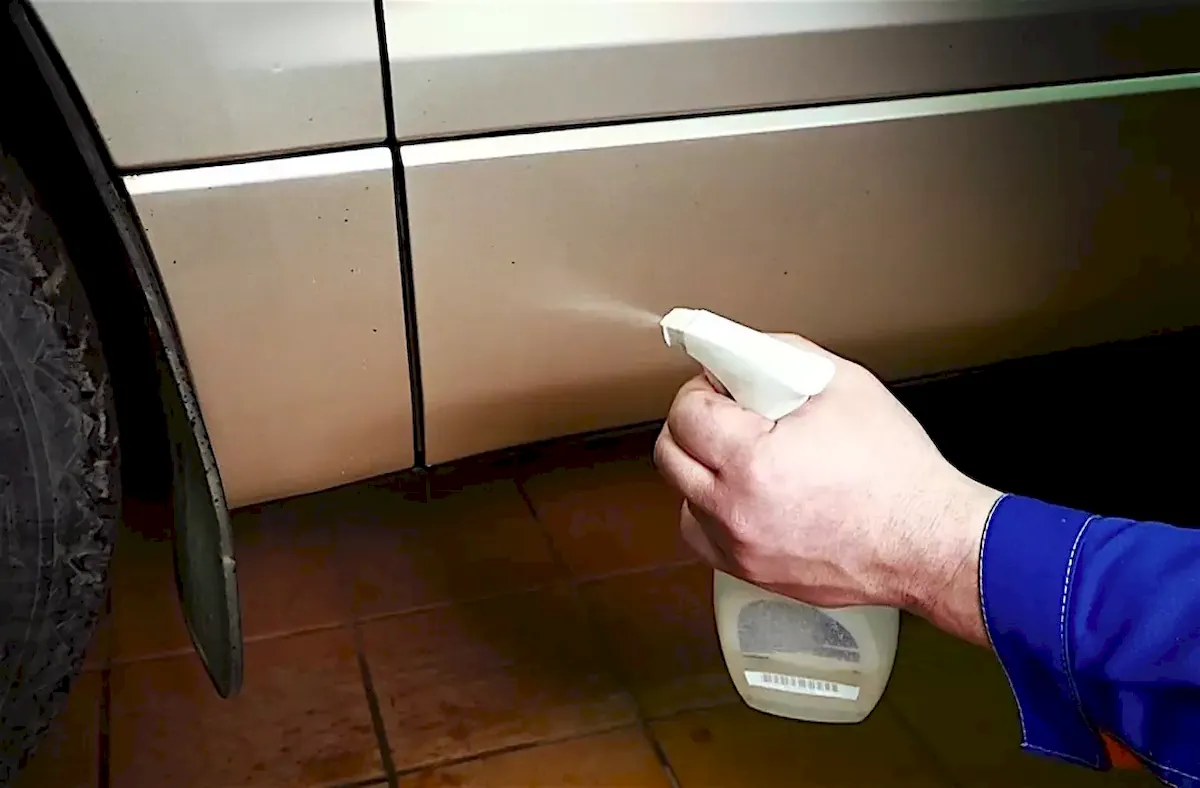
To further improve protection against snow and sticky road grime, the sill area can be treated occasionally with a hydrophobic spray. Products like WD‑40 work well for repelling moisture and reducing buildup. Many drivers also apply a heavy protective grease or wax-based underbody coating before winter to shield the underside of the vehicle from salt and chemicals.
Finally, a little care when getting in and out of the car helps too. Taking a moment to step in carefully can keep both the sill and your clothes cleaner—especially during the messy winter months.
You may also be interested in the news:

His Passenger Left a Bag With a Passport Inside—What This Uber Driver Did Next Touched Millions
An Uber driver drove back to return a forgotten bag, turning a ride into kindness.
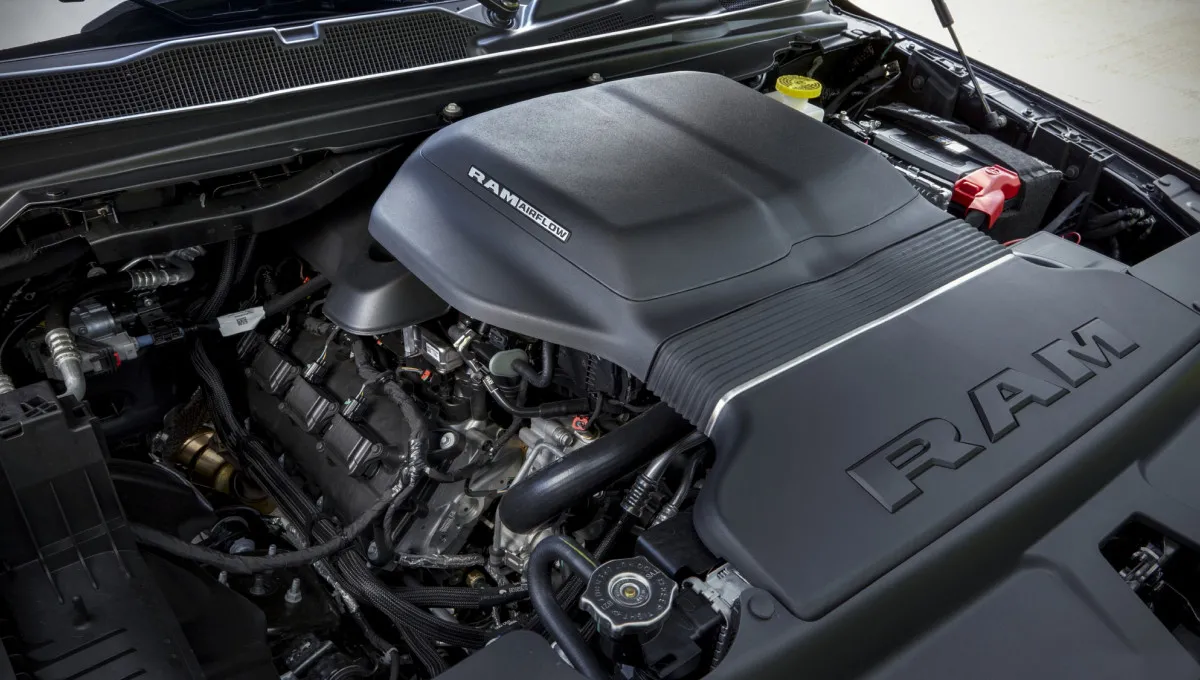
Your Engine Could Be Warning You: 6 Problems That Can Make a Car Run Rough
Engine problems rarely happen without a reason, and six common issues can cause a car to run poorly.

Astrologers Name 3 Zodiac Signs That Love Driving at Night: Is Yours One of Them?
For these three signs, nighttime means freedom, not fear, as they hit the road after the city goes quiet.
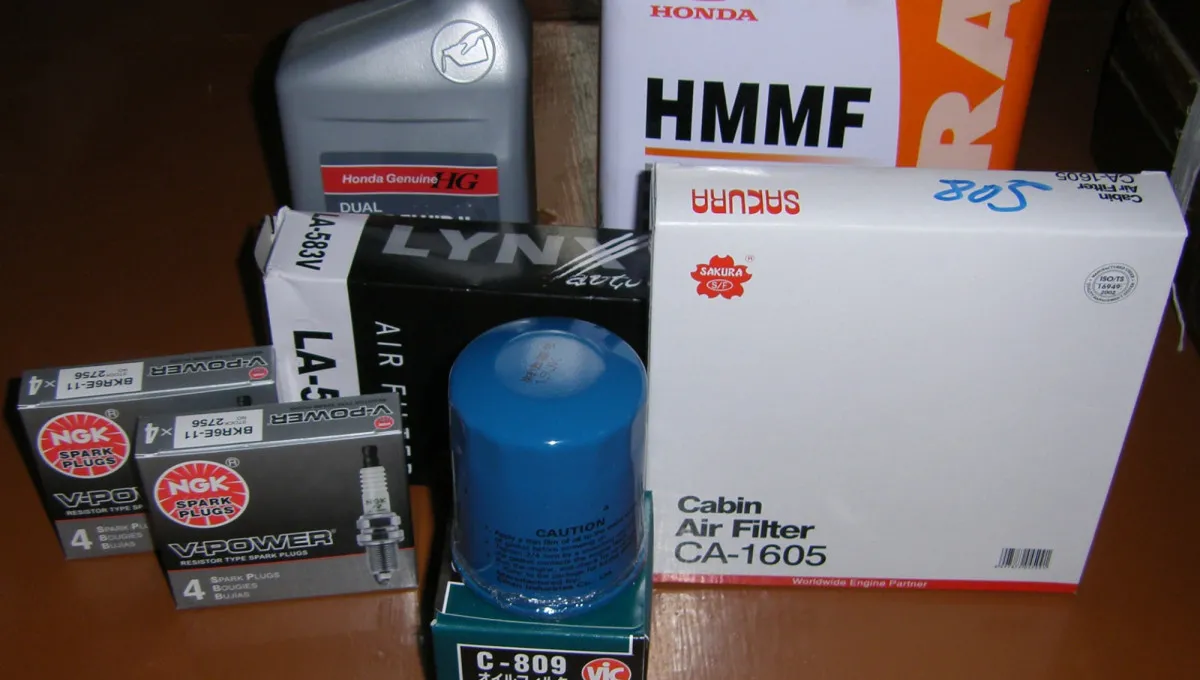
Changing Your Car’s Filters: How to Do Basic Maintenance Yourself Without Damaging the Engine
Changing the oil, engine air filter and cabin air filter yourself can save money, but small mistakes can cause expensive problems.
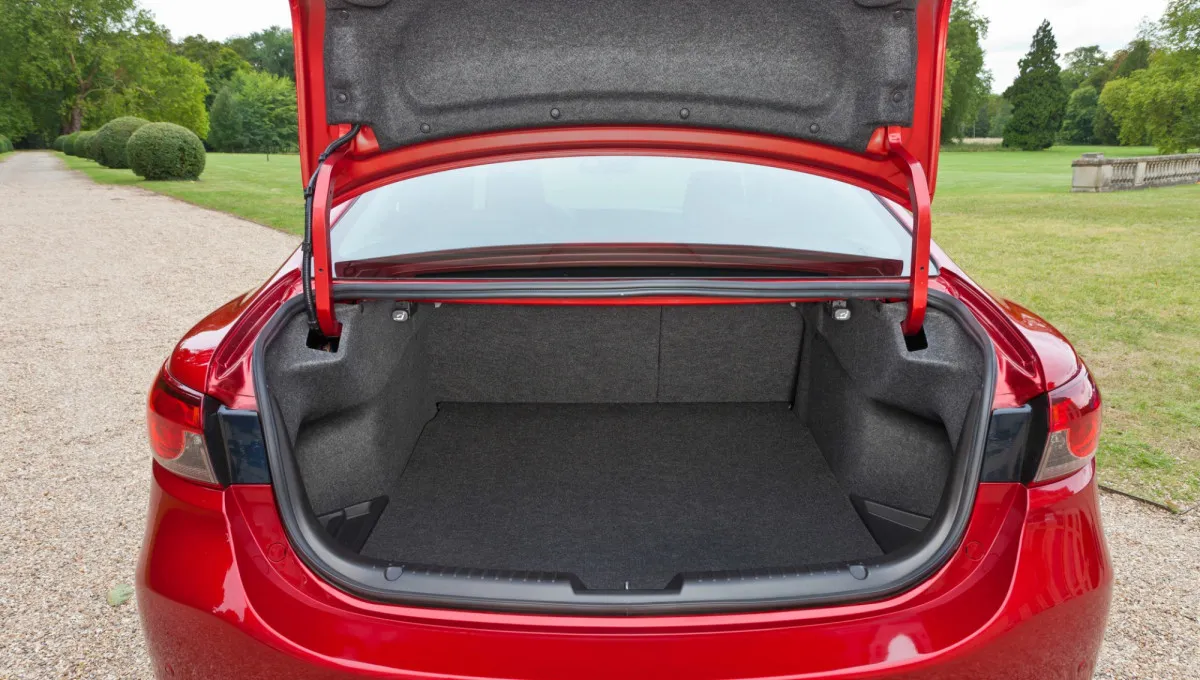
That Stuff in Your Trunk Is Costing You More Than You Think—Here’s What to Take Out
Carrying unnecessary cargo can quietly increase fuel use, accelerate wear and create an avoidable safety hazard for drivers and passengers.