
What to Do if Your Coolant Is Running Low: Is It Safe to Add Water?
Running low on coolant can be risky, but adding water may temporarily protect your engine in certain situations.
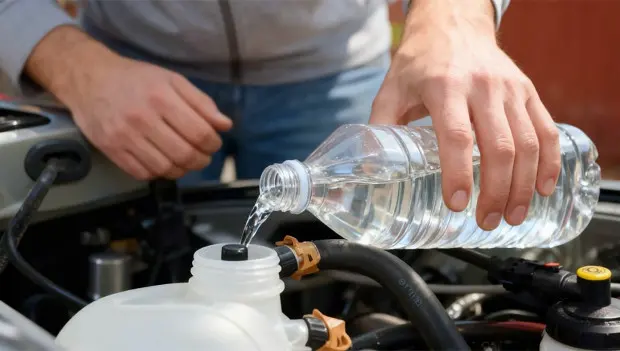
Many drivers eventually notice the coolant level in their vehicle starting to drop. The problem becomes especially stressful when there’s no antifreeze available nearby and the drive home is still ahead. In situations like that, one question comes up almost immediately: can plain water safely be added to the cooling system without damaging the engine?
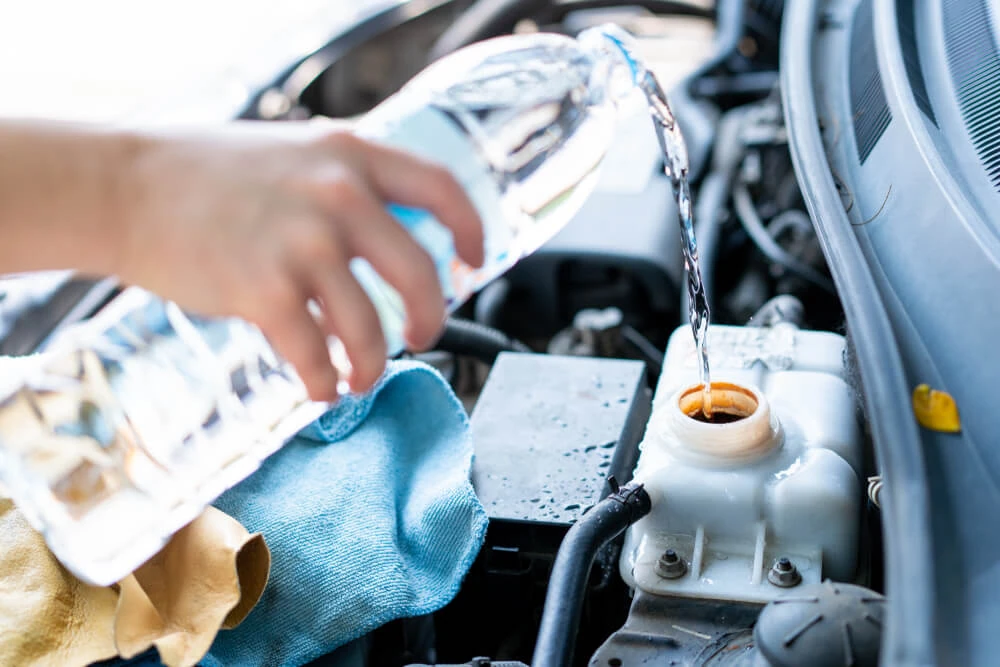
Modern vehicles typically use one of two main types of coolant expansion tanks. The first is a circulation-style reservoir, where coolant constantly moves through the system and the level is easy to monitor thanks to transparent tank walls. The second design is a more isolated overflow-style tank, where coolant movement is minimal and pressure usually isn’t present. The type of system affects both how drivers should check coolant levels and what can safely be added in an emergency.
One thing is important to understand from the start: coolant doesn’t simply disappear on its own. Over time, the water mixed into antifreeze can slowly evaporate, especially in modern turbocharged engines that operate at higher temperatures. Older naturally aspirated engines usually experience this process more slowly. However, if the coolant level drops rapidly, there’s a good chance the vehicle has a leak somewhere in the system — possibly from the radiator, hoses, water pump, or even the head gasket. In severe cases, coolant can disappear almost instantly.
If the cooling system is leaking, adding water isn’t just acceptable — it may actually be necessary to prevent the engine from overheating. Distilled water is the safest option, but clean tap water can also work temporarily if nothing else is available. The key is avoiding dirty or contaminated water from questionable sources. Once the mechanical issue is repaired, though, the coolant should still be fully replaced, since diluted antifreeze loses some of its protective properties.
There’s also a less serious scenario where coolant slowly drops to the minimum mark without any visible leaks. That usually happens because of natural evaporation over time. In those cases, adding a small amount of distilled water is generally considered safe and may help preserve the balance of additives already present in the antifreeze. Regular tap water contains minerals and salts that can eventually build up inside the cooling system, potentially clogging narrow passages and reducing cooling efficiency.
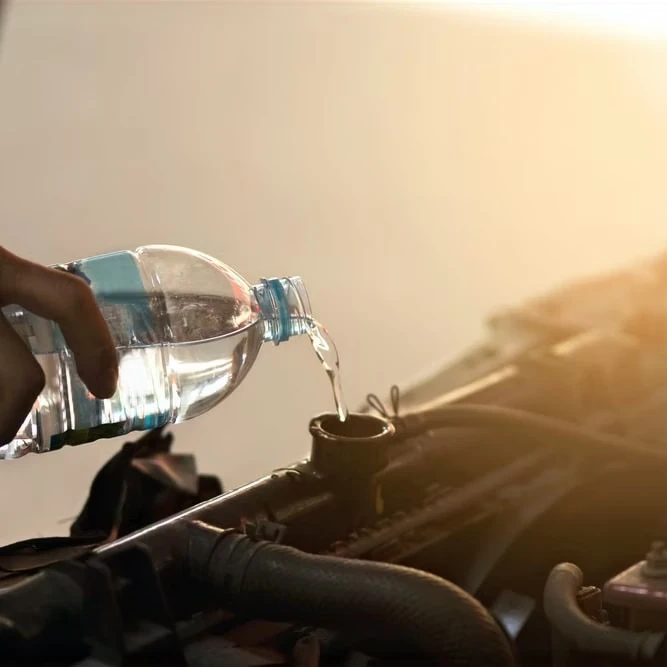
Eventually, the system should still be topped off with the proper antifreeze concentrate to restore the correct coolant mixture.
In the end, adding water should only be viewed as a temporary solution under specific circumstances. Drivers shouldn’t ignore the reason behind a falling coolant level, especially if the problem keeps returning. Regular cooling system inspections can help prevent serious engine damage, unexpected breakdowns, and expensive repair bills later on.
You may also be interested in the news:
Your Engine Could Be Warning You: 6 Problems That Can Make a Car Run Rough
Engine problems rarely happen without a reason, and six common issues can cause a car to run poorly.
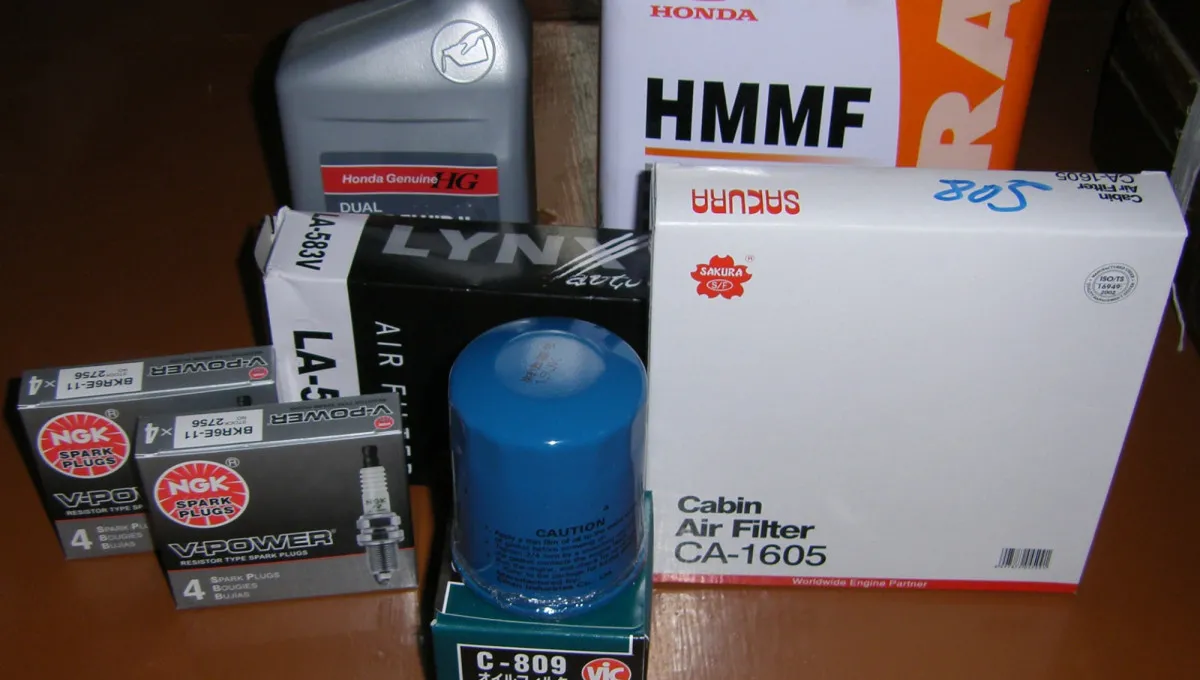
Changing Your Car’s Filters: How to Do Basic Maintenance Yourself Without Damaging the Engine
Changing the oil, engine air filter and cabin air filter yourself can save money, but small mistakes can cause expensive problems.
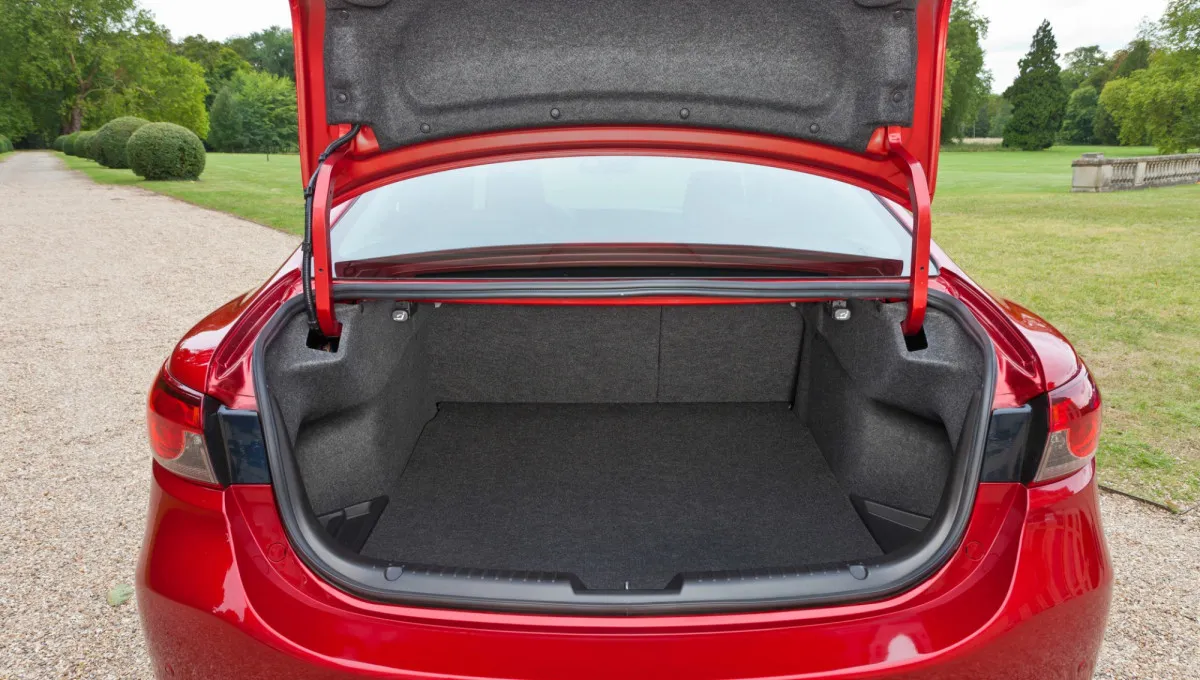
That Stuff in Your Trunk Is Costing You More Than You Think—Here’s What to Take Out
Carrying unnecessary cargo can quietly increase fuel use, accelerate wear and create an avoidable safety hazard for drivers and passengers.
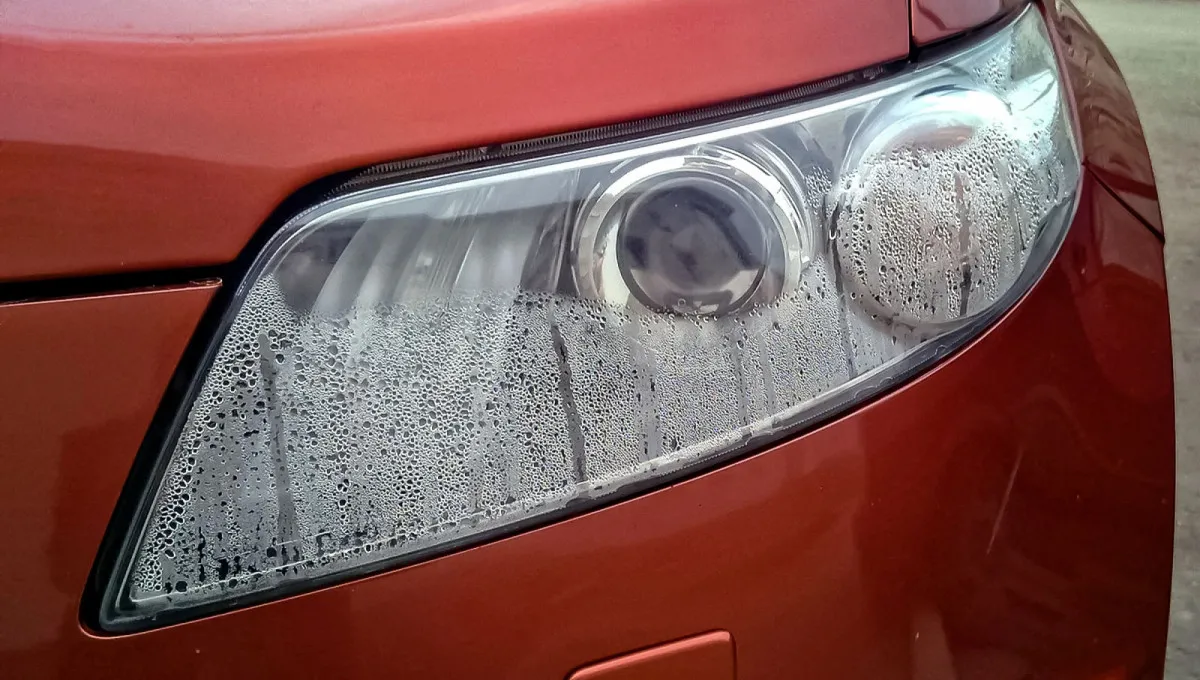
Your Headlights Are Fogging Up for a Reason: 4 Causes and 5 Steps to Fix Them
Foggy headlights are not always a sign of damage, but persistent condensation can point to a problem that needs attention.
Why Is Your Car’s Suspension Making a Knocking Noise? 5 Symptoms Every Driver Should Know
Five common suspension noises can point to specific problems, helping drivers narrow the cause before inspection.