
BlueHDi Engines Recalled Again — 50,000 Vehicles Affected
The recall affects vehicles built between July and October 2025 across multiple European markets regions.
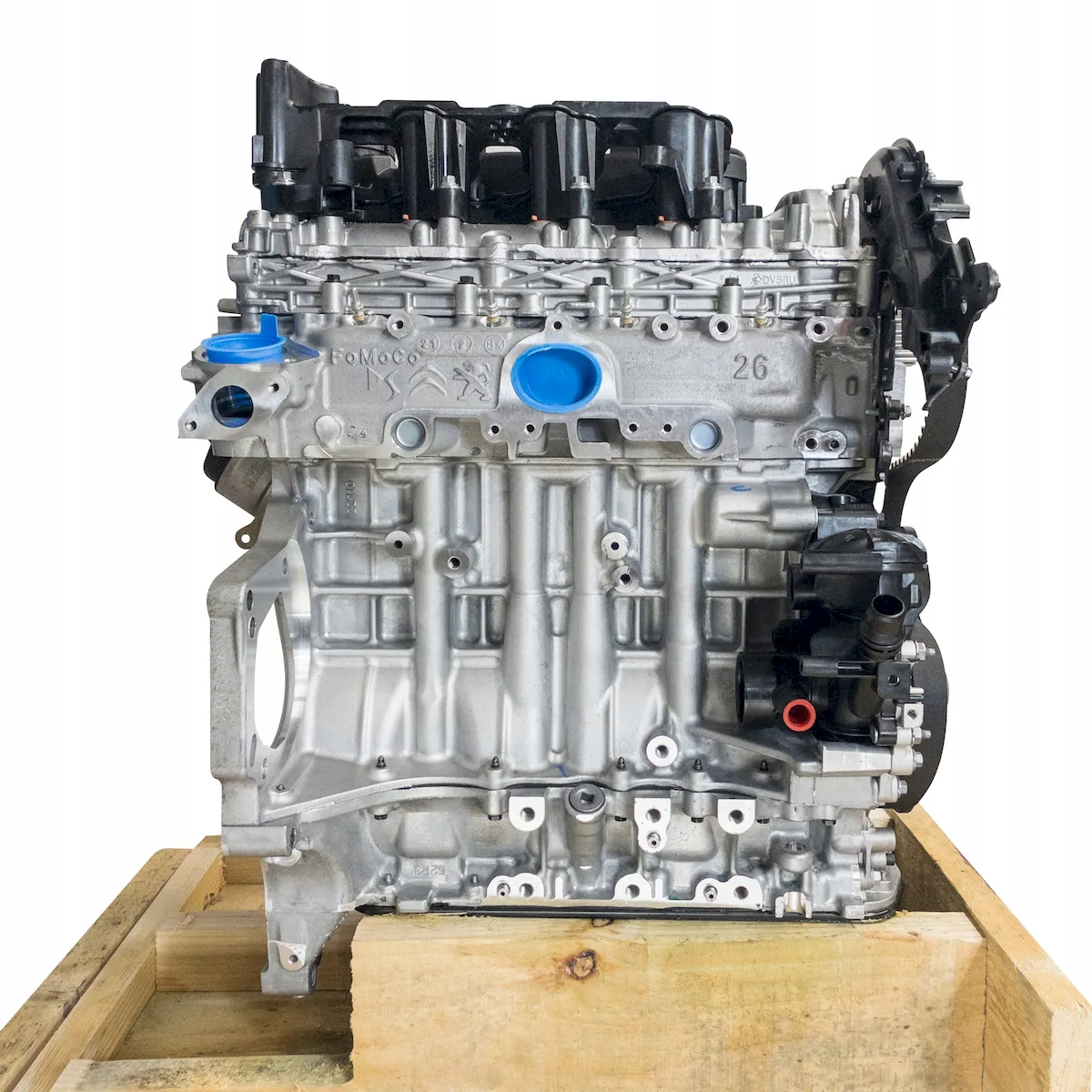
The 1.5-liter BlueHDi (DV5) diesel engine has already taken a reputational hit in the past due to premature wear of the timing chain linking the camshafts—a failure that can lead to chain slip or breakage and severe engine damage. However, the latest recalls stem from entirely different issues.
In March 2026, Stellantis announced a service campaign impacting more than 50,000 vehicles across Europe due to a fault in the fuel injection system found in the 1.5 BlueHDi engine.
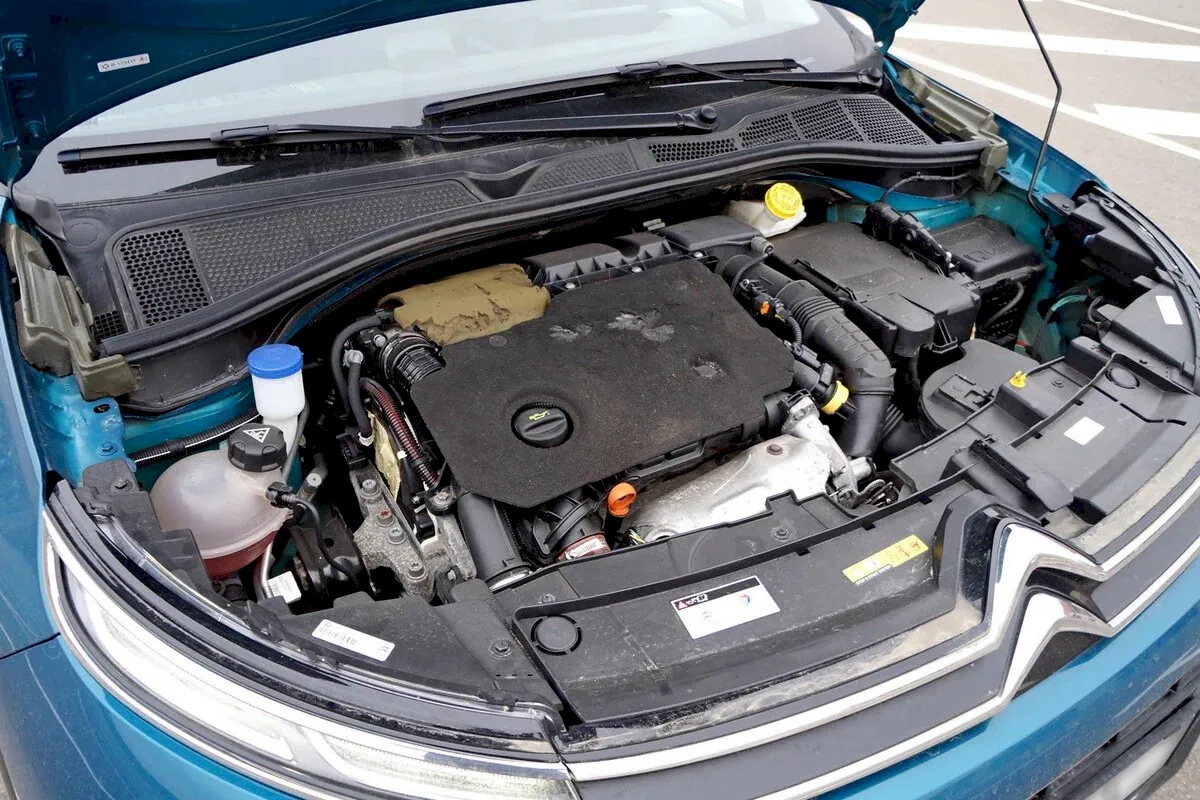
The recall covers vehicles produced between July and October 2025, including the following models:
- Peugeot: 308, Rifter, Partner, Expert
- Citroën: Berlingo, Jumpy, C5 Aircross
- DS: DS 7
- Opel: Astra, Combo, Vivaro
- Fiat: Doblo, Scudo
The issue appears to stem from improper assembly of the common rail fuel system, potentially leading to loose fittings. This could result in fuel leaks and, in a worst-case scenario, pose a fire risk. So far, no such incidents have been reported.
Drivers may notice symptoms such as rough idling, hard starting, reduced engine performance, or increased fuel consumption. The check engine light may also illuminate.
As part of the recall, dealers will inspect the fuel injection system and replace components—including high-pressure lines—if necessary. All repairs will be carried out at no cost to owners.
Update: Water Pump Now Under Scrutiny
Stellantis has also announced a separate recall involving vehicles equipped with the same 1.5 BlueHDi (DV5) engine, this time related to a potential defect in the water pump. In France alone, the campaign affects 13,237 passenger and commercial vehicles built between October 2025 and February 2026.
The problem involves a possible slip in the water pump pulley, which could lead to timing belt misalignment. This may result in power loss or even engine failure. In extreme cases, parts of the pulley could detach while the vehicle is in motion. As with the earlier issue, no incidents have been reported so far.
Warning signs include an overheating indicator, check engine light activation, or the engine failing to restart. The fix involves replacing the water pump assembly, again fully covered by the manufacturer.
You may also be interested in the news:
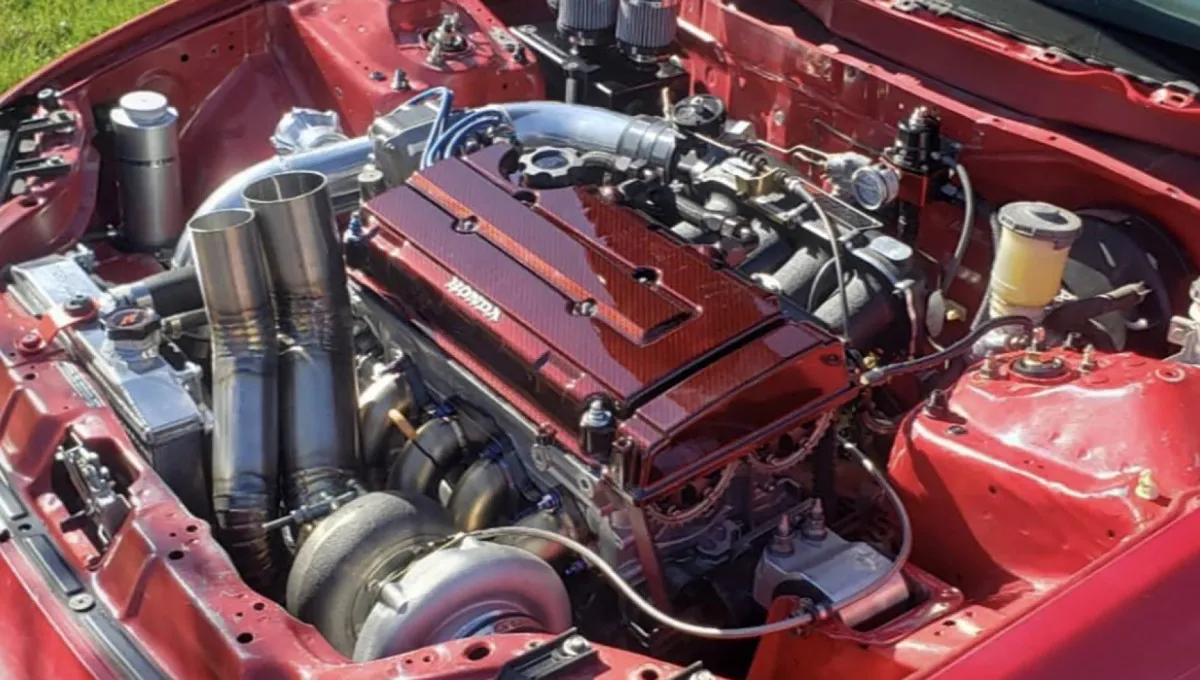
Honda K-Series Engines Can Go Past 300,000 Miles — Here's Why They're So Reliable
How long can a Honda K-series engine last, and what makes this family of Japanese engines so durable?
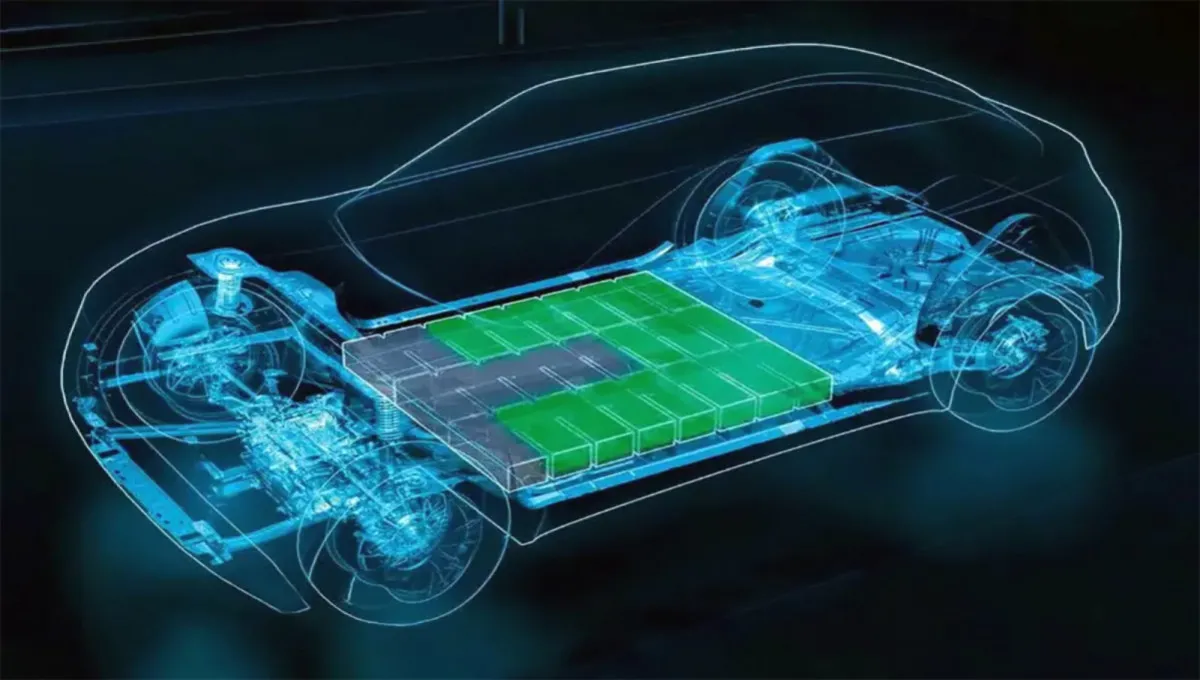
Stellantis Patents System That Lets an EV Drop Its Battery and Drive Away
A new patent details an emergency system that could let an EV disconnect its high-voltage battery and move away from danger.
Stellantis Just Revealed Nine New Cars Under $40,000 — And Two Could Cost Less Than $30K
Stellantis plans nine cheaper vehicles as high prices leave American shoppers with fewer affordable new-car choices.
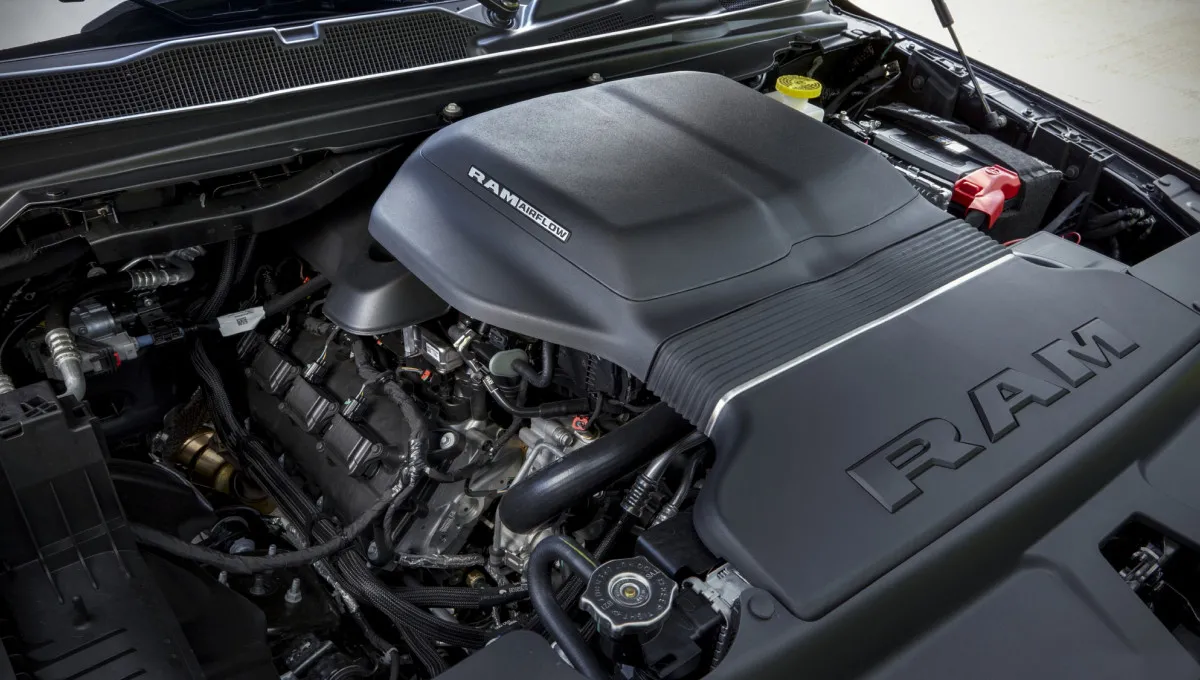
Your Engine Could Be Warning You: 6 Problems That Can Make a Car Run Rough
Engine problems rarely happen without a reason, and six common issues can cause a car to run poorly.
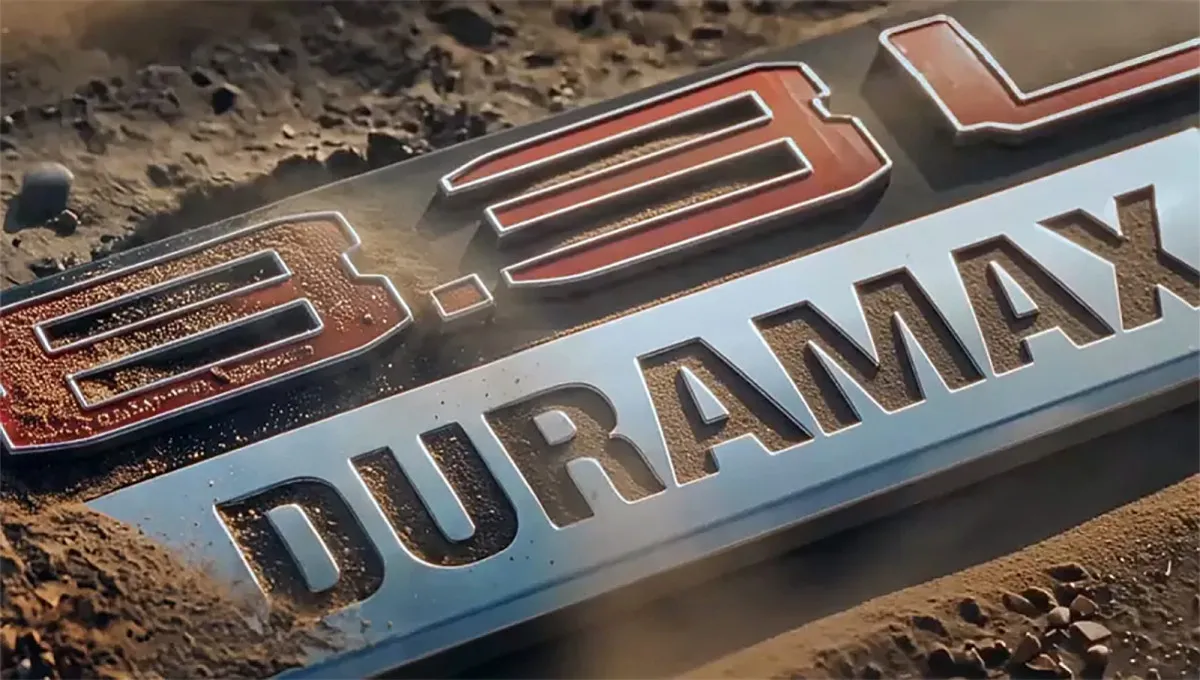
GM Just Unleashed an 8.3-Liter Diesel V8 to Take on Ford’s 1,200-Lb-Ft Power Stroke
General Motors has confirmed an all-new 8.3-liter Duramax V8 diesel called Mongoose for the 2027 Silverado HD and Sierra HD.