
10 Ways to Mount Your Smartphone in the Car: Pros, Cons, and Safety Trade-Offs
Experts break down the safest and most practical ways to mount a smartphone inside your car.
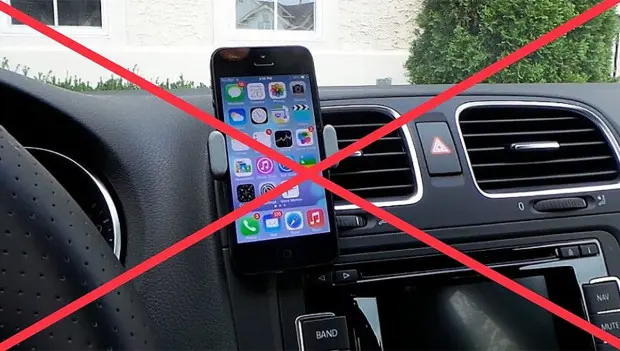
Mounting a smartphone in your car has become a daily necessity for most drivers. Whether it’s for navigation, hands-free calls, or music, having your device within view is convenient—but how you mount it matters more than you might think. A poor setup can block your view, damage interior surfaces, or even create a safety hazard.
Where to Place Your Phone: Convenience vs. Safety
Most drivers position their phones either vertically or horizontally, depending on how they use them. The key consideration isn’t just accessibility—it’s visibility. Mounting a phone too high or directly in your line of sight can distract you or obstruct the road. Lower placements, such as near the center console, tend to be less intrusive, but may be harder to glance at quickly.
If you’re using your phone as a dashcam, it typically needs to be mounted facing forward in landscape mode, which makes placement trickier and more noticeable from outside the vehicle. Some drivers even use a second device dedicated to recording, leaving their primary phone free for navigation and calls.
Popular Mounting Options: What Works Best
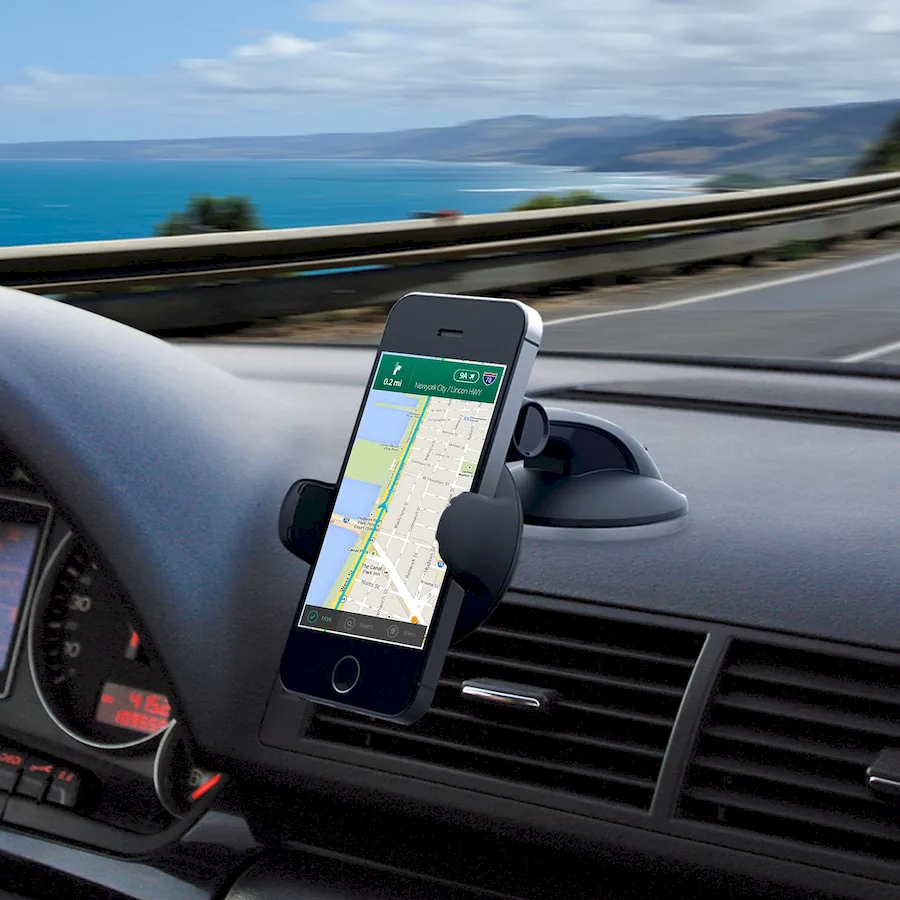
- Windshield suction mounts are among the most common. They’re easy to install and adjust, but can block part of your view if positioned poorly.
- Dashboard mounts often use adhesive pads or double-sided tape. They offer a cleaner look but can leave marks or residue on the surface.
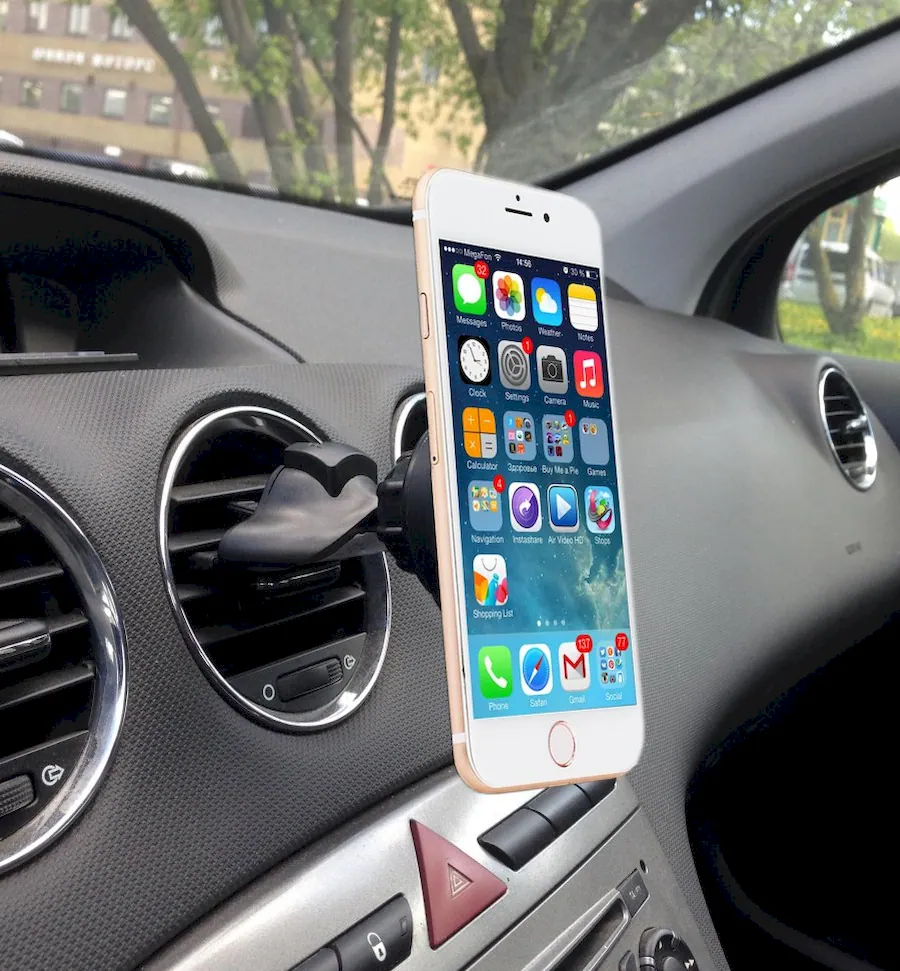
- Air vent mounts clip onto the HVAC vents. They’re compact and convenient, though not always stable—especially on rough roads or with heavier phones.
- Instrument cluster or dash-top clips can be handy but may interfere with visibility or steering, depending on placement.
- Sun visor mounts might seem practical, but placing a phone directly in front of your face is distracting and not recommended for safe driving.
- Rearview mirror mounts are more common in commercial vehicles, but in passenger cars they can clutter the driver’s field of view.
Types of Holders: How They Secure Your Phone
There are three main ways mounts hold your device:
- Magnetic mounts use a metal plate attached to your phone or case. They’re simple and quick to use, but may not hold as securely on bumpy roads.
- Clamp-style holders use side grips—either spring-loaded or powered—to keep the phone firmly in place. These are among the most secure options.
- Gravity mounts automatically tighten around the phone using its weight. They’re easy to use but typically only work in a vertical position.
What to Keep in Mind
Choosing the right mount isn’t just about convenience—it’s about safety and long-term usability. A poorly placed holder can block your view or become a distraction, while low-quality materials may damage your dashboard or vents.
Experts recommend selecting a mount that keeps your phone within easy reach without interfering with your line of sight—and making sure it stays secure under real-world driving conditions.
You may also be interested in the news:
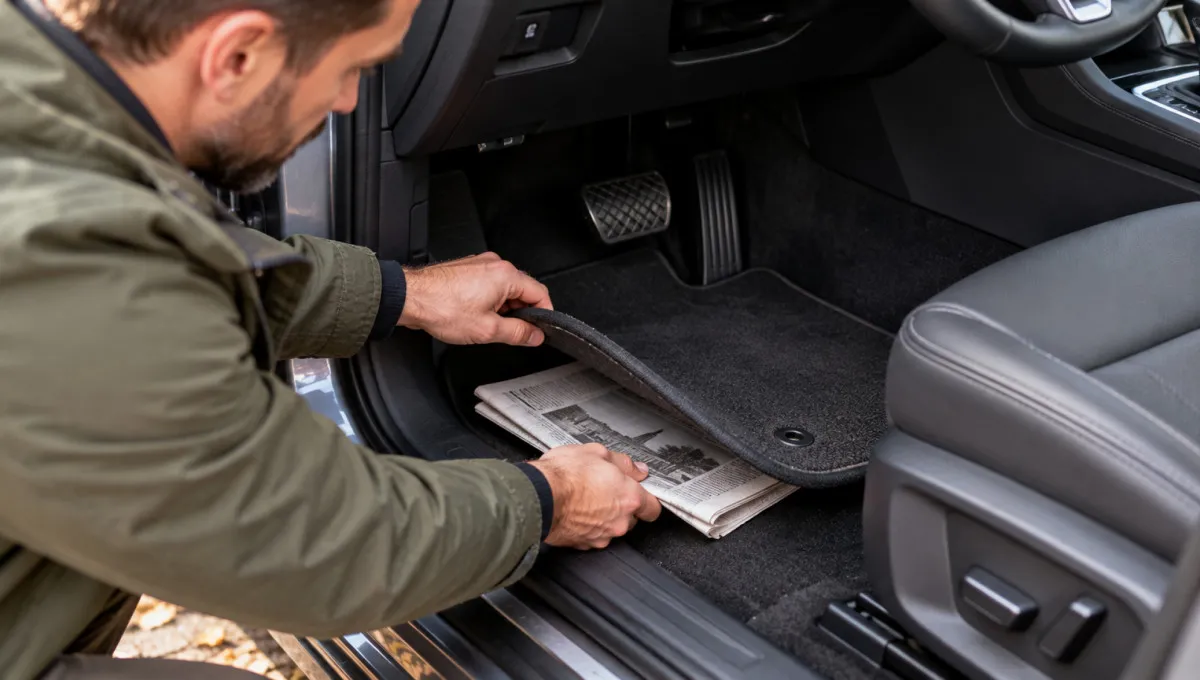
When the First Freeze Hits, Put Newspaper Under Your Floor Mat: An Old Winter Driving Trick
Newspaper under a floor mat can help protect a car's floor from winter moisture, but it requires regular attention.
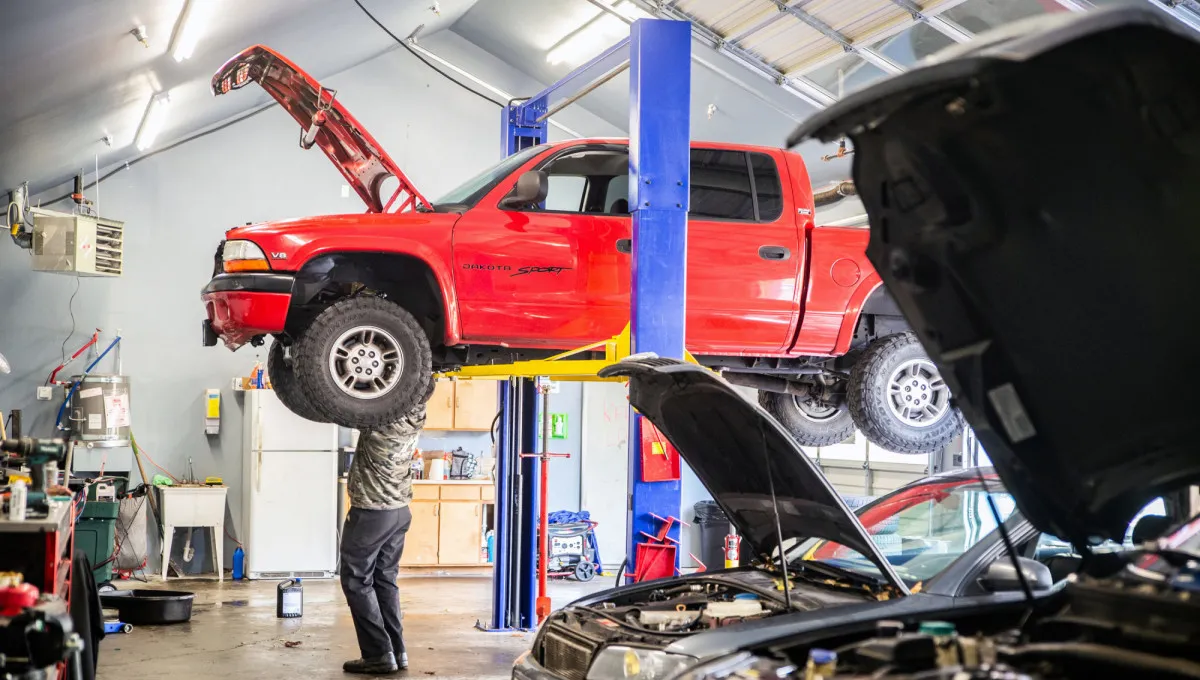
How a Repair Shop Can Overcharge You: What Every Driver Should Know
An experienced mechanic knows how to increase a repair bill, and drivers should know what to watch for before approving work.
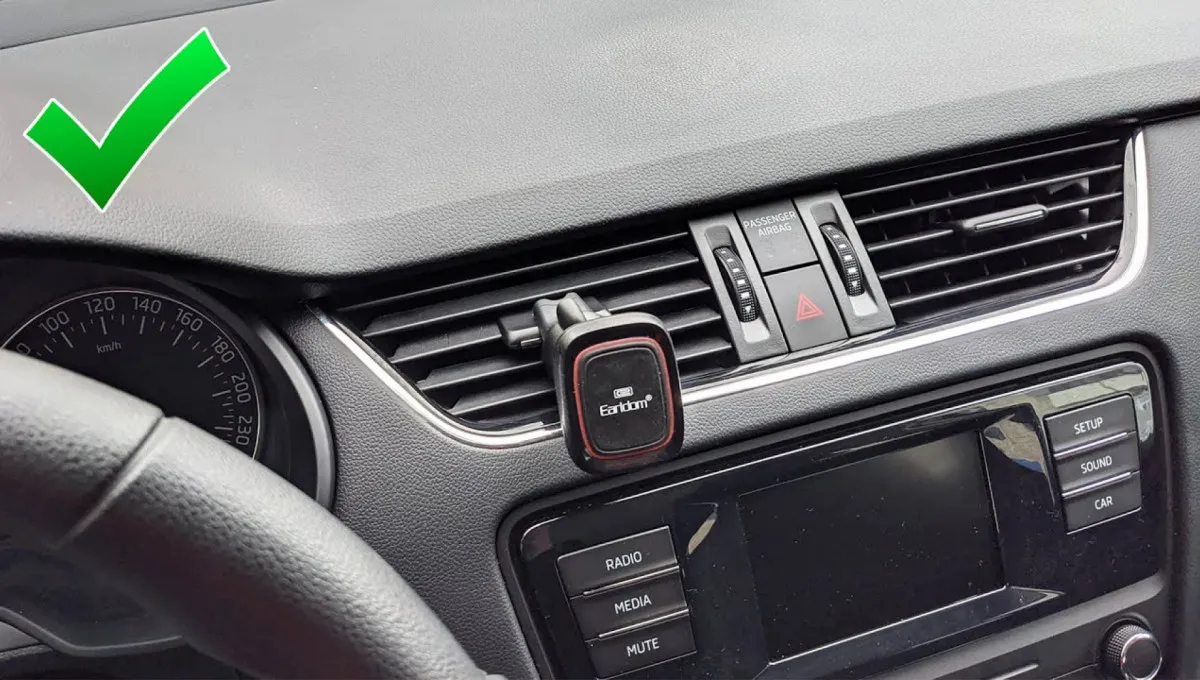
How to Find the Source of a Car Interior Rattle in 15 Minutes
A simple trick can help drivers pinpoint an annoying interior rattle without taking apart half the cabin or visiting a repair shop.
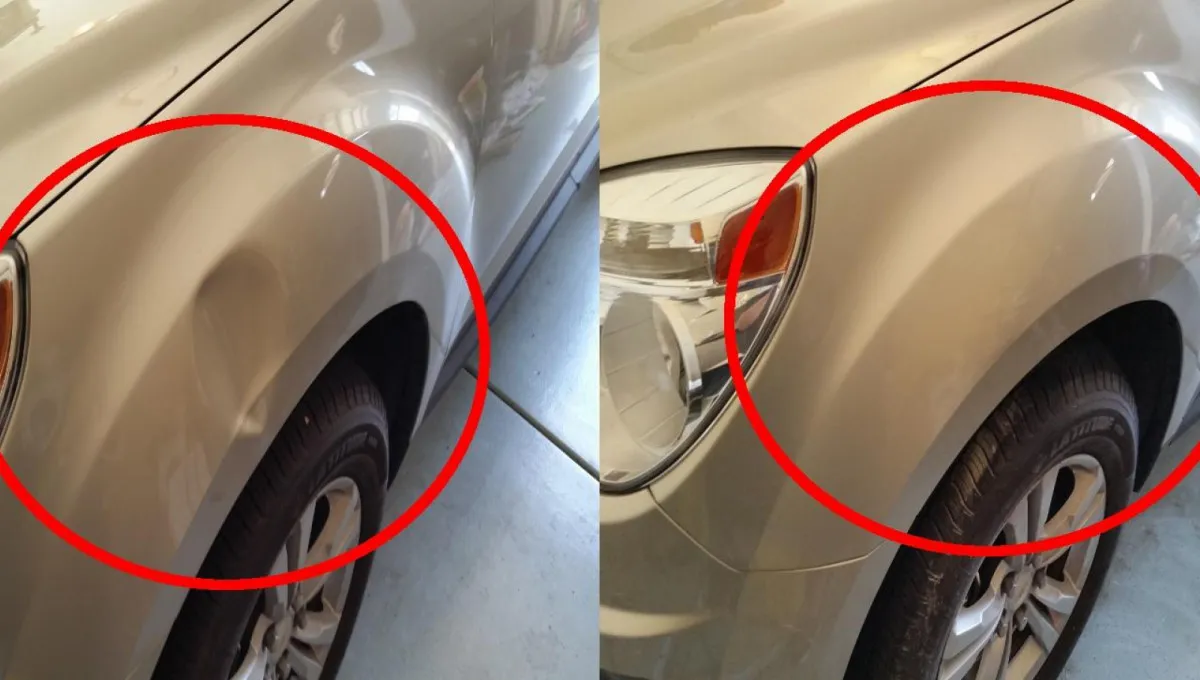
The Dent Can Disappear Without a Trace: How to Repair Car Body Damage Without Paint
Paintless dent repair can restore a damaged panel to its original shape, but only when certain conditions are met.

What Does a Flashing Red Traffic Light Mean? Can You Keep Driving?
Drivers must come to a complete stop at the stop line before deciding whether it is safe to proceed.