
How to Get Rid of Exhaust Muffler Condensation: Why Water Gets Into the System
Condensation inside a car’s muffler is a completely normal and expected occurrence.
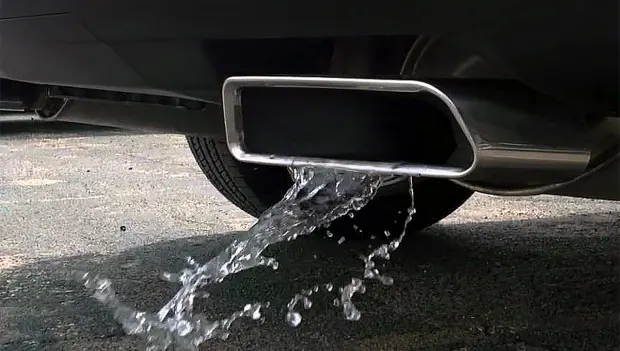
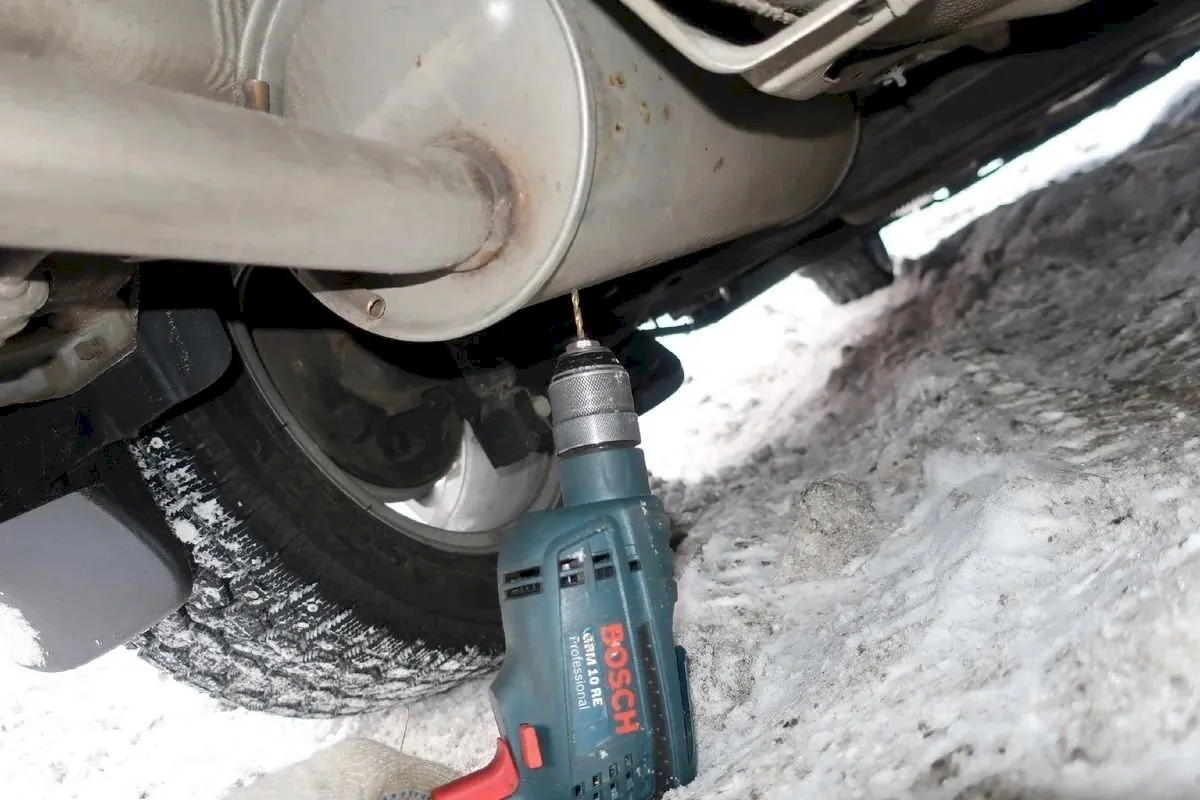
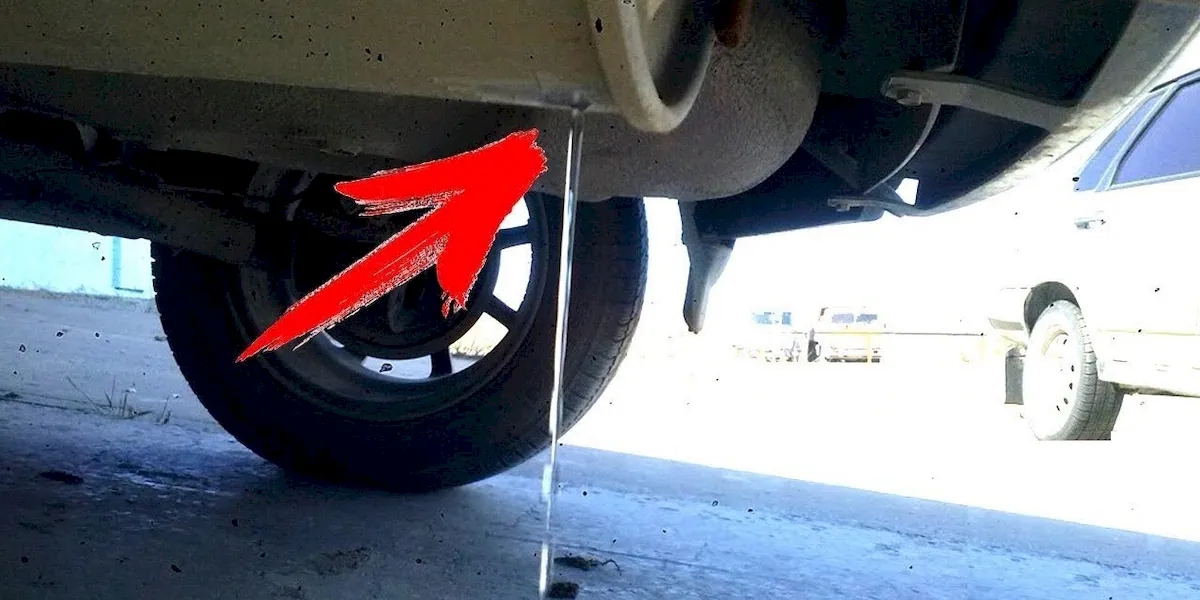
Condensation forming inside a vehicle’s muffler is a normal and expected phenomenon. Moisture can appear in the exhaust system for several different reasons. To deal with it, some experienced car owners recommend drilling a small hole in the bottom of the muffler as a makeshift drain. The idea is that this unconventional fix could help protect the exhaust from rust and premature failure.
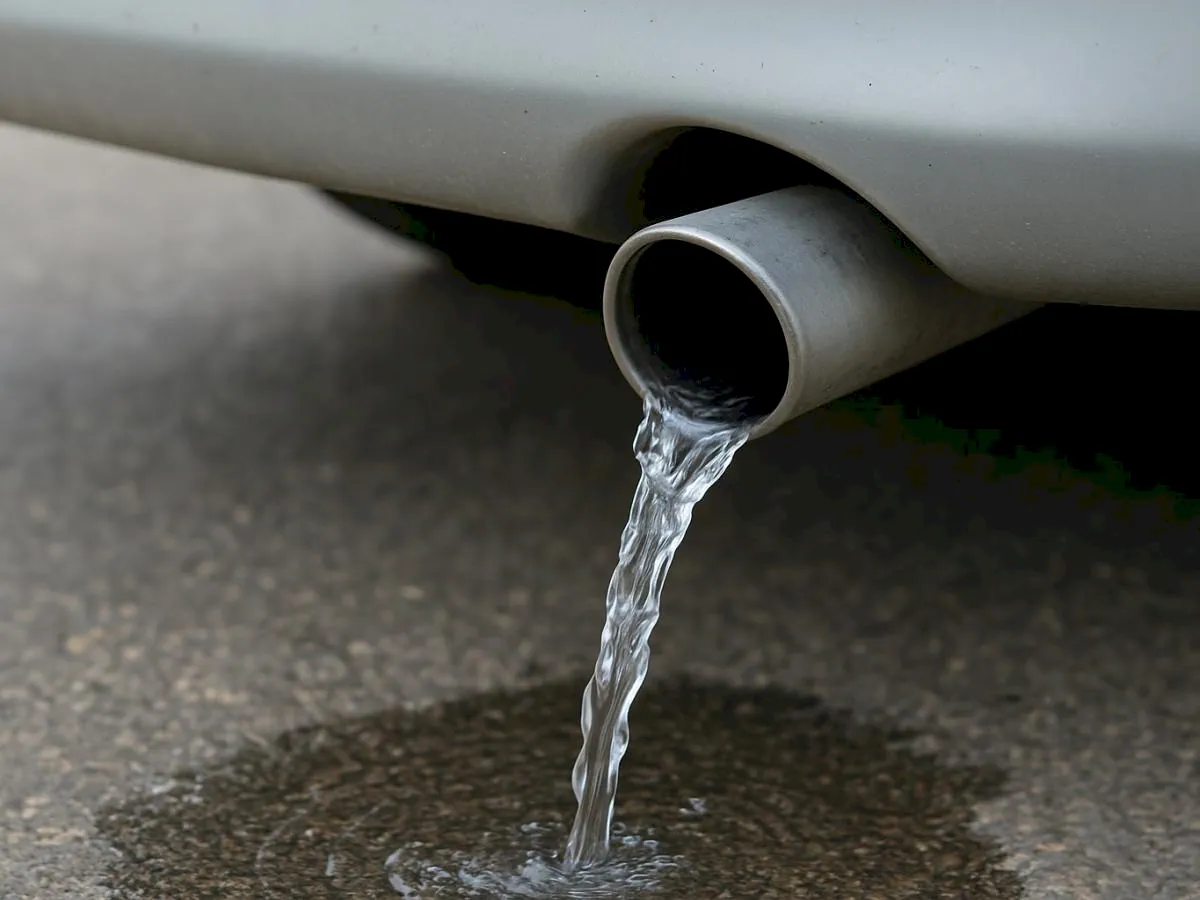
The real question is whether this kind of advice makes sense and if an extra drilled hole can actually extend muffler life. In reality, the answer is not so straightforward. Many modern vehicles use exhaust systems made from corrosion-resistant materials, where drilling any additional openings is simply unnecessary and can do more harm than good.
An extra hole in the muffler can also change the exhaust sound and may cause the component to burn out faster. In other words, following this kind of advice can end up damaging the car and leading to unnecessary repair costs.
That raises another question: is condensation in the muffler actually dangerous? In most cases, moisture in the exhaust system is not a problem as long as the vehicle is driven regularly. Issues are more likely when a car sits unused for long periods.
For vehicles that remain parked for extended time, however, drilling a hole can actually make things worse by increasing the chances of corrosion at the point where the metal is exposed. Rust is far more likely to form around an artificial opening than in a sealed system.
Under normal conditions, moisture naturally evaporates as the exhaust heats up. Typically, 15–20 minutes of driving at normal speeds is enough to fully clear water from the muffler.
Things get more complicated in cold weather, when ice can form inside the exhaust. In that case, a longer drive is needed, and keeping the engine at higher RPMs can help speed up the process.
As for where the water comes from, there are several sources. One is trace moisture in the fuel itself—both gasoline and diesel can contain small amounts of water, which contributes to the issue. Moisture can also enter during car washes or as a result of changing weather conditions and temperature swings, which naturally create condensation inside the exhaust system.
Taking all of this into account, drilling holes in the muffler is generally not recommended. Instead of solving a problem, it can shorten the life of the exhaust system and lead to avoidable expenses.
You may also be interested in the news:

Invisible Cows and a 17.3 MPH Speed Limit? 4 of America's Strangest Road Signs
From invisible cows to alien highways, these unusual American road signs turn ordinary drives into unforgettable roadside surprises.

Solving the Mystery of the Audi Nuvolari’s Massive Fuel Door Button
Audi’s striking Nuvolari supercar has an unusually large fuel door button, and its placement may reveal an unexpected connection.

Tow Truck Driver Reveals a Hidden Car Feature That Could Save Your Life in an Emergency
A professional tow truck driver revealed a little-known feature that can help drivers move a disabled vehicle to safety.

The Household Staple That Helps Remove Bumper Stickers Without Damaging Your Car
Removing an old bumper sticker is easier with rubbing alcohol, which helps dissolve stubborn adhesive residue from your car.
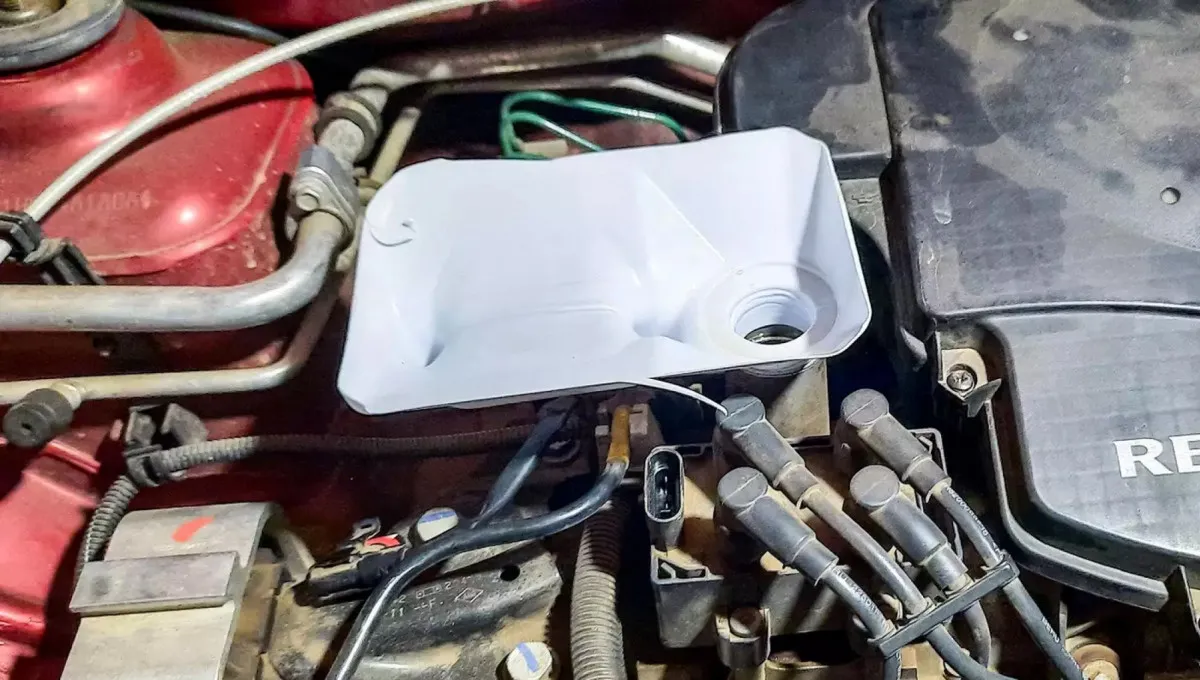
Useful for Many Drivers and Mechanics: This DIY Tool Makes Adding Engine Oil Much Easier
A simple homemade funnel helps drivers add engine oil cleanly, avoid spills, and reach hard-to-access filler openings.