
Why Drivers in the U.S. Are Putting Protective Film on Their Cars—and What It Really Does
Across the U.S., drivers use protective film to prevent scratches and damage in crowded parking areas
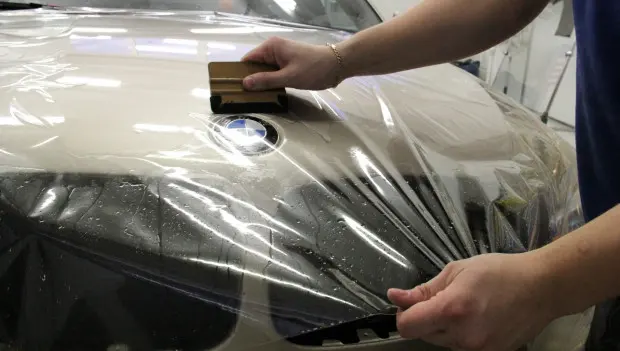
Every corner of the world has its own habits, routines, and everyday tricks. In the U.S., one of those lesser-known car care hacks might look a little odd at first glance—some drivers appear to be sticking tape onto their vehicles. But there’s more to it than meets the eye.
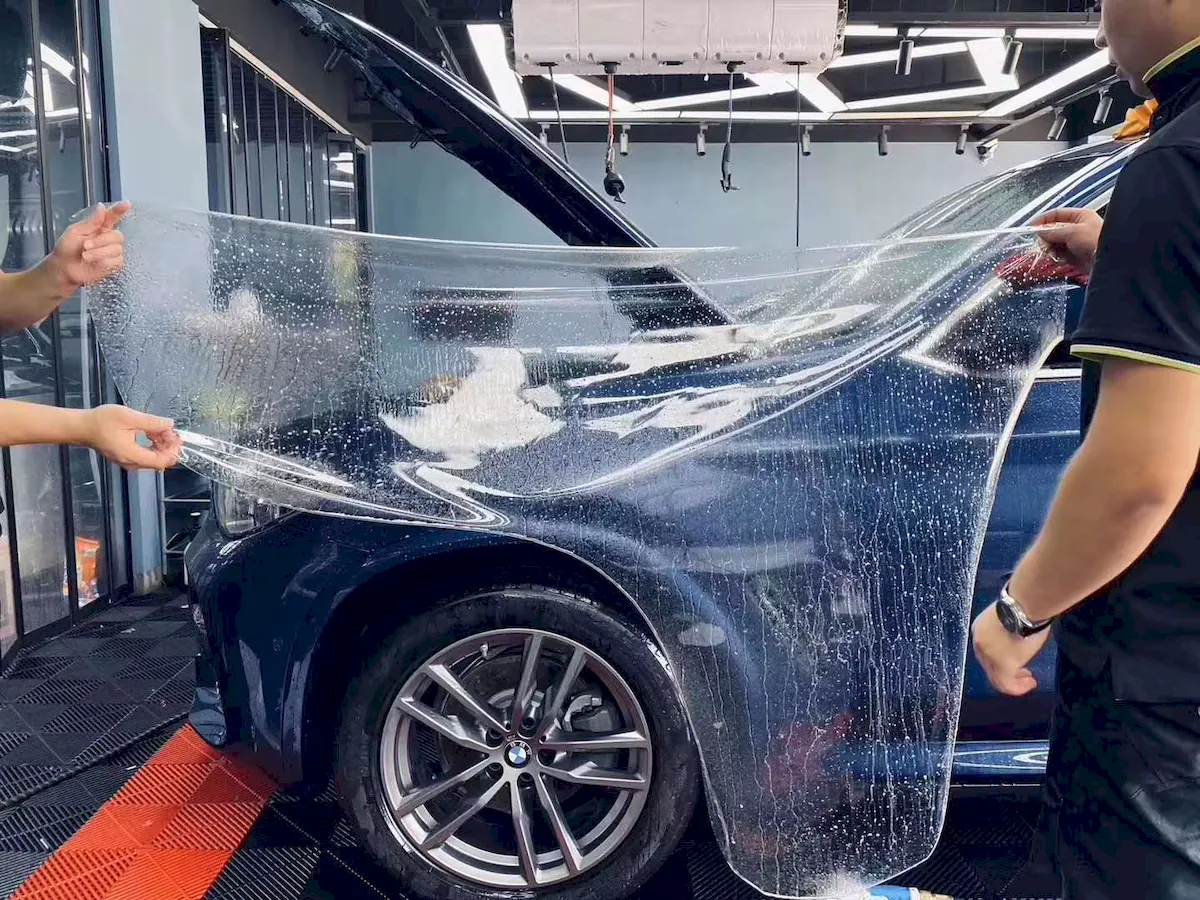
To clear things up right away, American drivers aren’t actually using regular tape. What you’re seeing is a special protective film sold in auto stores across the country. Its purpose is simple: protect the car’s exterior from minor damage. It’s inexpensive, easy to apply, and surprisingly effective. People turn to it not because they want to—but because they kind of have to.
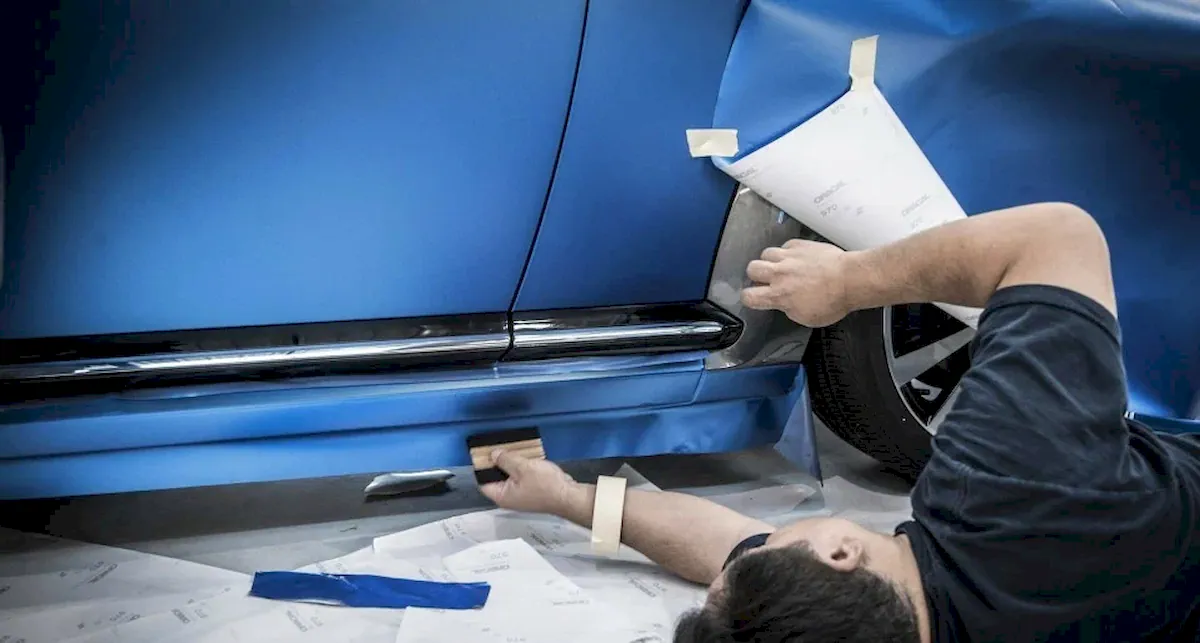
The reality is that in busy cities across the U.S., cars are everywhere. In dense urban areas, the chances of minor incidents—especially in parking lots—go way up. These aren’t major crashes, but small bumps, dings, and scrapes that leave marks on paint and plastic trim.
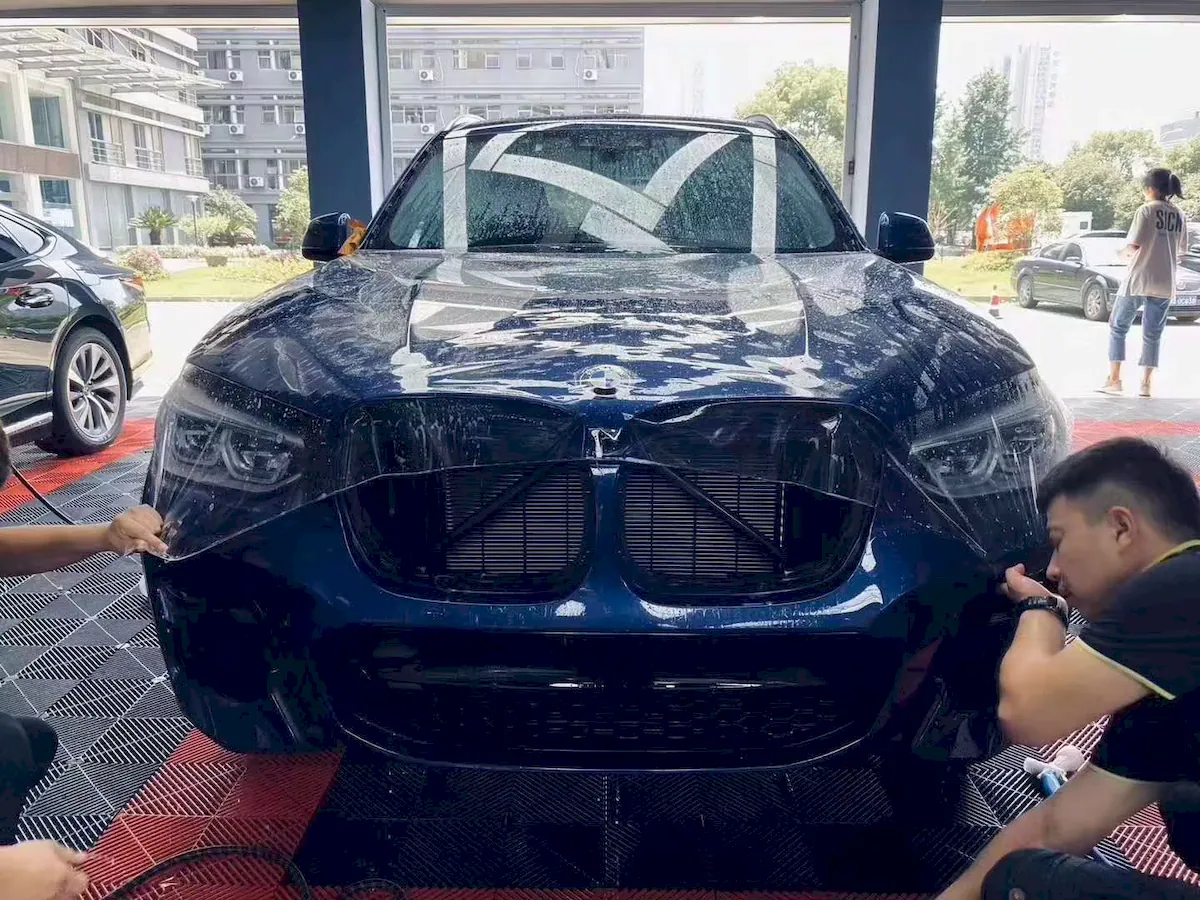
That’s where protective film comes in. It helps reduce the number of small scratches and scuffs that happen in tight spaces. Instead of covering the entire car, drivers usually apply it only to the most vulnerable spots.
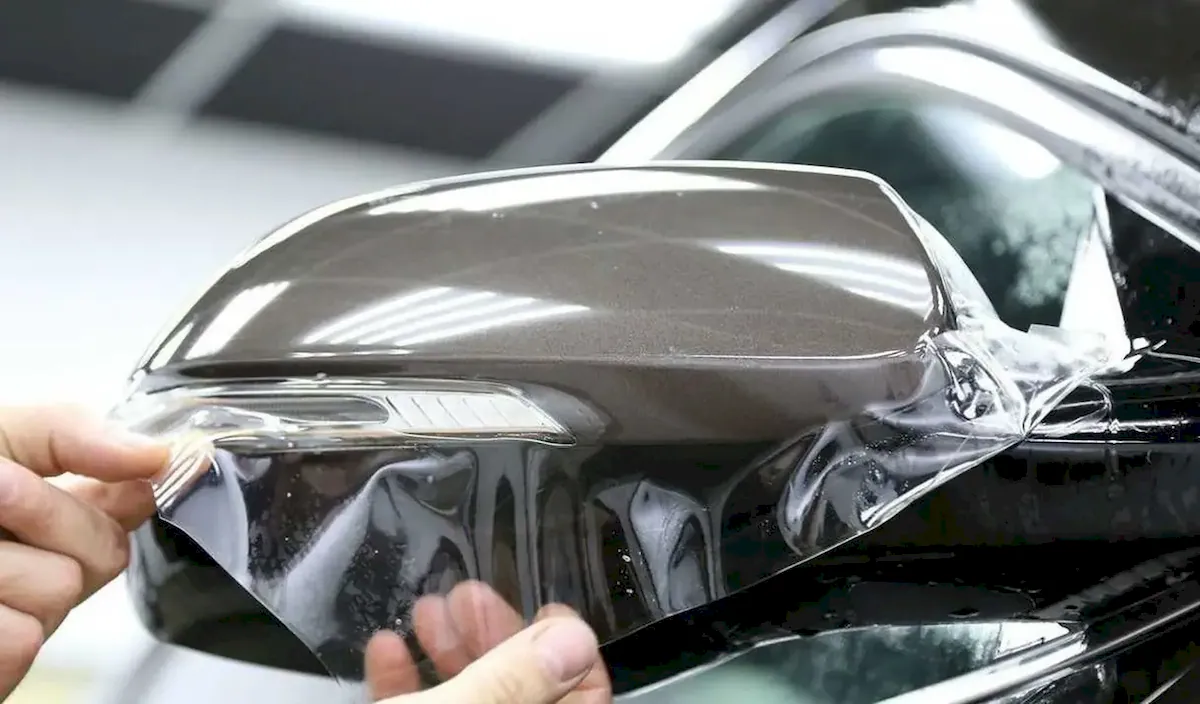
Common areas include door handles, side mirrors, bumpers, and other protruding parts of the vehicle. These sections are more likely to come into contact with other cars, shopping carts, or obstacles in narrow spaces.
It might not look perfect, and yeah, some setups can seem a bit strnge at first. But for many drivers, it’s a practical solution that helps keep their car looking cleaner for longer—without spending a fortune on repairs.
You may also be interested in the news:
Hyundai Recalls Nearly 95,000 Genesis Sedans Over Fire Risk From Power Seats
Hyundai is recalling 94,622 Genesis sedans after a faulty power seat switch was linked to overheating and potential vehicle fires.
2027 Ram 1500 Rumble Bee: Pricing, Options and How to Build Yours
The 777-HP Ram Rumble Bee Is Coming — But You Can Buy the New Hemi Truck Now
“Are You Sure It’s Chinese?” Who Really Builds China’s Car Engines
Who Really Develops China’s Car Engines?
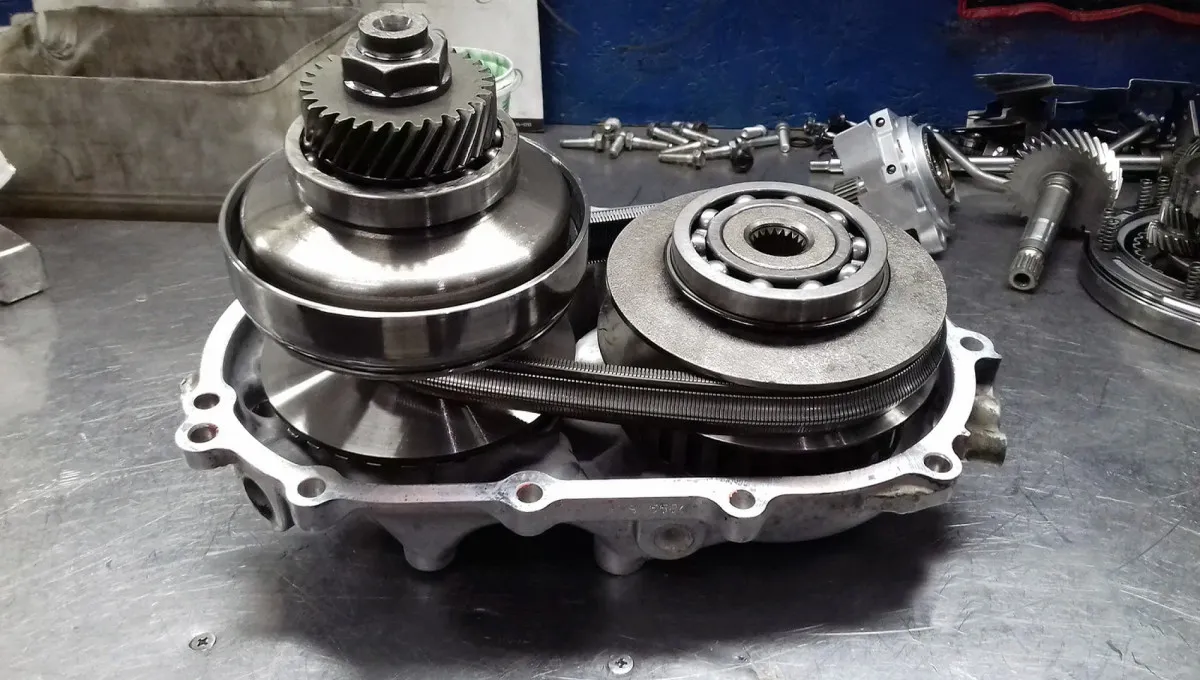
Why Experienced Drivers Still Warn Against Buying a Used Car With a CVT
CVTs offer smooth acceleration and good fuel economy, but expensive repairs and durability concerns make used models risky.
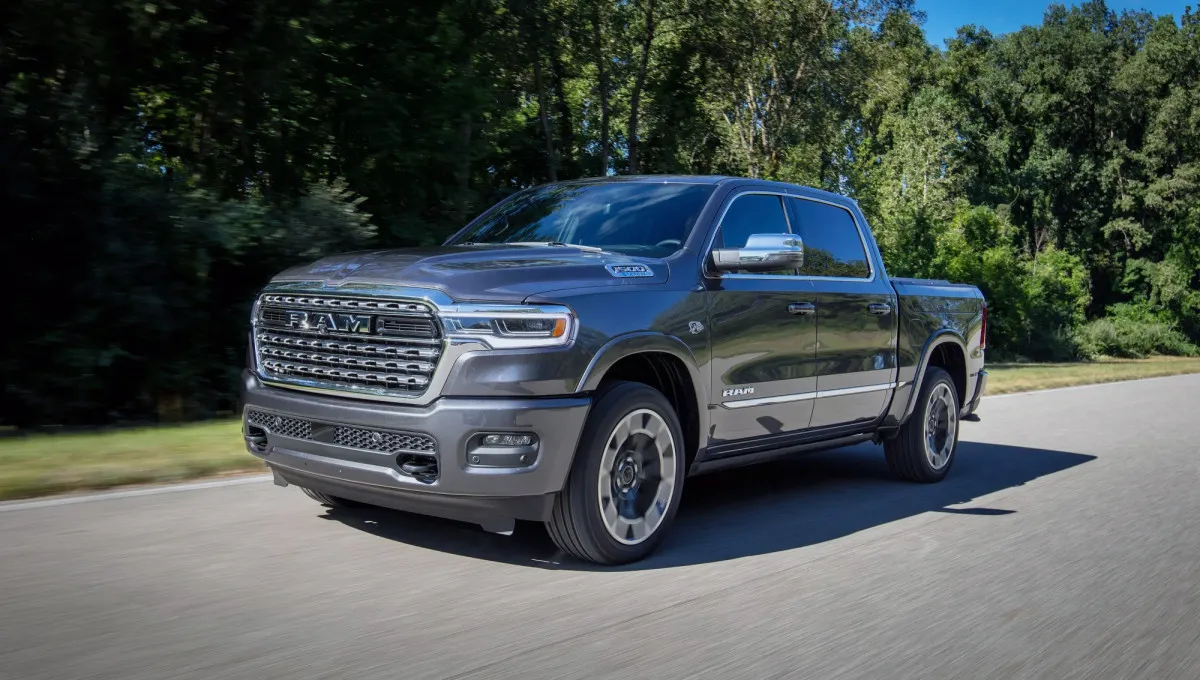
2026 Ram 1500 Recall: 16K Trucks May Have Faulty Tire Pressure Sensors
Ram is recalling 16,385 model-year 2026 Ram 1500 trucks