
The Sports Car That Could Have Beaten Corvette—But Vanished Instead
It beat the Corvette to market in concept, featured revolutionary sliding doors, and still couldn't survive.
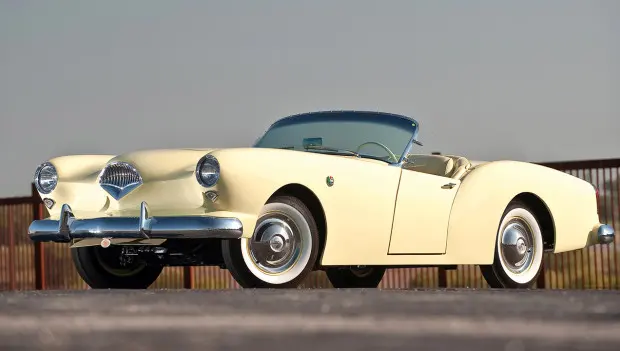
Long before America's sports car wars truly began, a small independent automaker created one of the most daring roadsters the country had ever seen. The Kaiser-Darrin arrived with stunning styling, innovative engineering, and enough charisma to challenge Detroit's biggest names. Yet despite its promise, it became one of the most fascinating failures in automotive history.
The story of the Kaiser-Darrin is inseparable from that of Henry J. Kaiser, one of America's most successful entrepreneurs. During the 1920s, Kaiser built his fortune through large-scale highway construction projects across the United States and Cuba. He later became a key contractor on the construction of the Hoover Dam and, during World War II, organized the mass production of the famous Liberty cargo ships that helped support the Allied war effort.
With substantial wealth at his disposal after the war, Kaiser turned his attention to automobiles. Teaming up with former Chrysler executive Joseph W. Frazer, he acquired the struggling Graham-Paige company and founded the Kaiser-Frazer automobile brand.
The timing seemed perfect. Postwar America was desperate for new cars, and buyers were eager to purchase almost anything manufacturers could produce. Kaiser, however, wanted more than basic transportation. In 1946, his company developed an advanced prototype known as the K-85, featuring unit-body construction, front-wheel drive, and torsion-bar suspension. Unfortunately, such sophisticated engineering proved too expensive for a young automaker, forcing Kaiser-Frazer to rely on more conventional designs.
That same year, legendary designer Howard Darrin joined the company as a consultant. Darrin had already built an impressive reputation creating custom bodies for luxury marques including Cadillac, Duesenberg, and Rolls-Royce. His elegant styling helped Kaiser vehicles stand out in a crowded marketplace.
But Darrin was also known for his strong personality. He frequently clashed with management whenever his designs were altered or rejected. At one point, frustration over the budget-oriented Henry J compact car pushed him to create something entirely on his own terms.
The result was the Kaiser-Darrin.
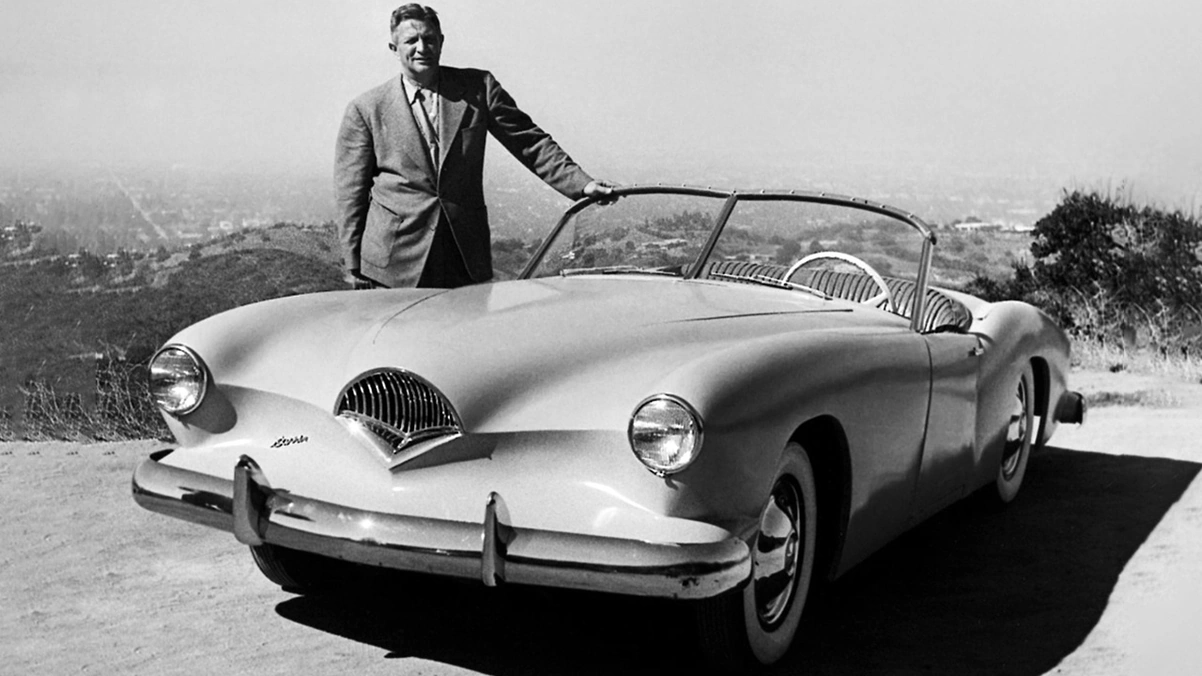
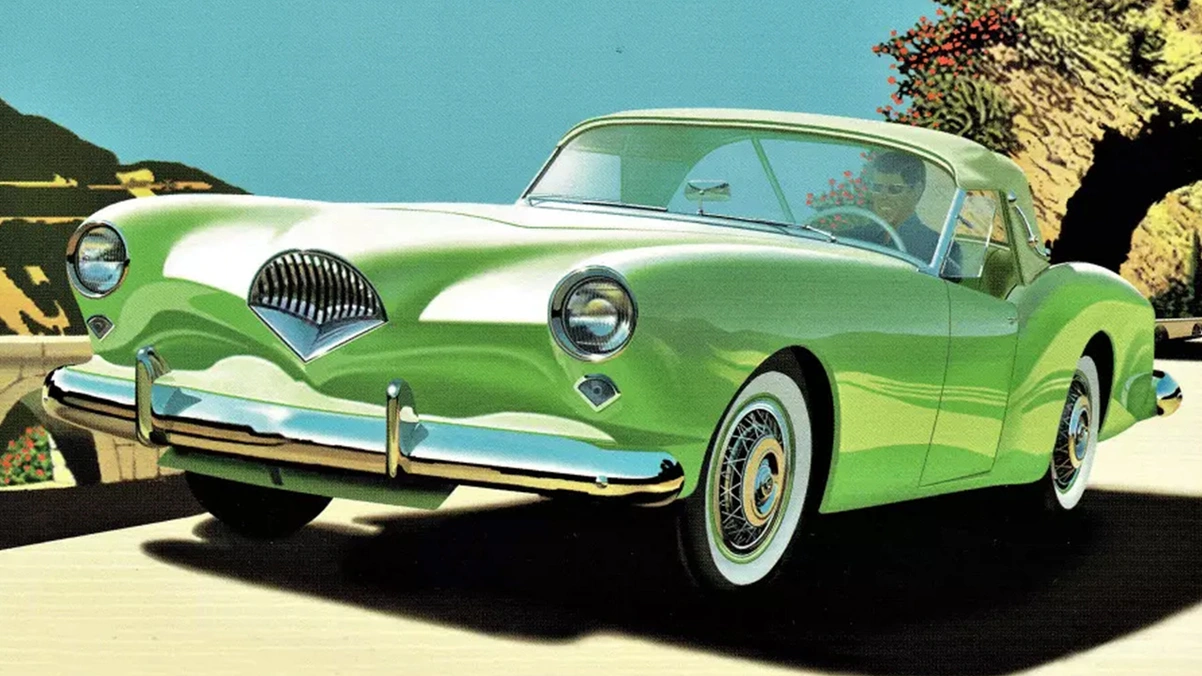
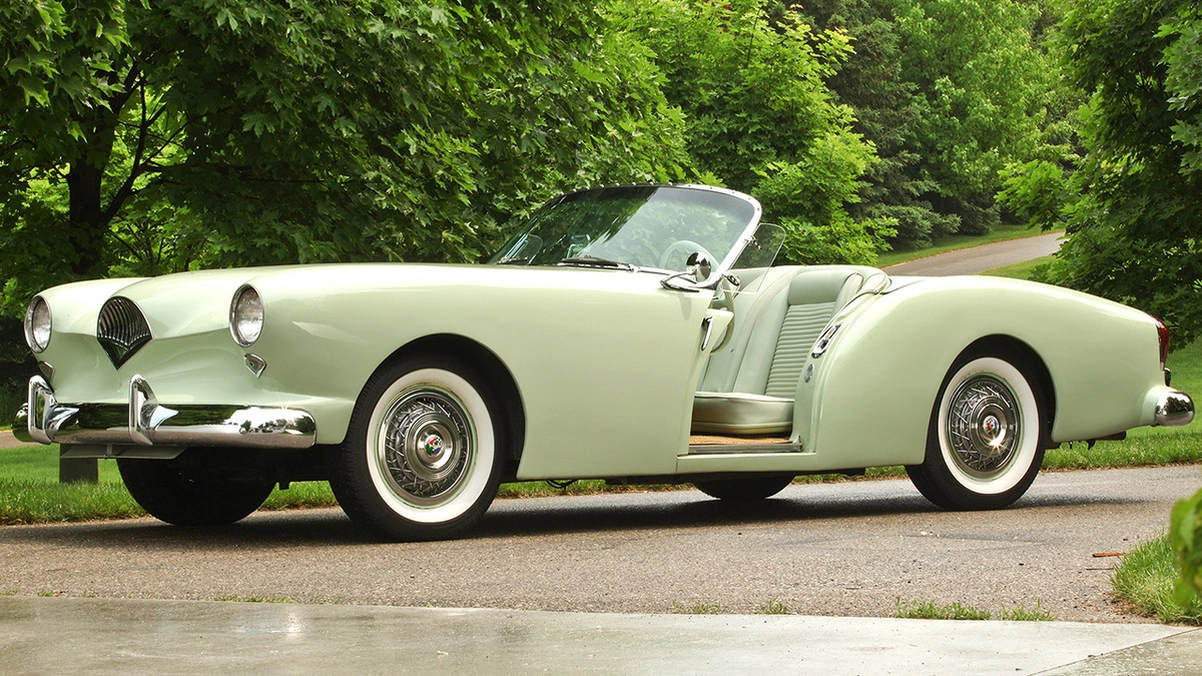
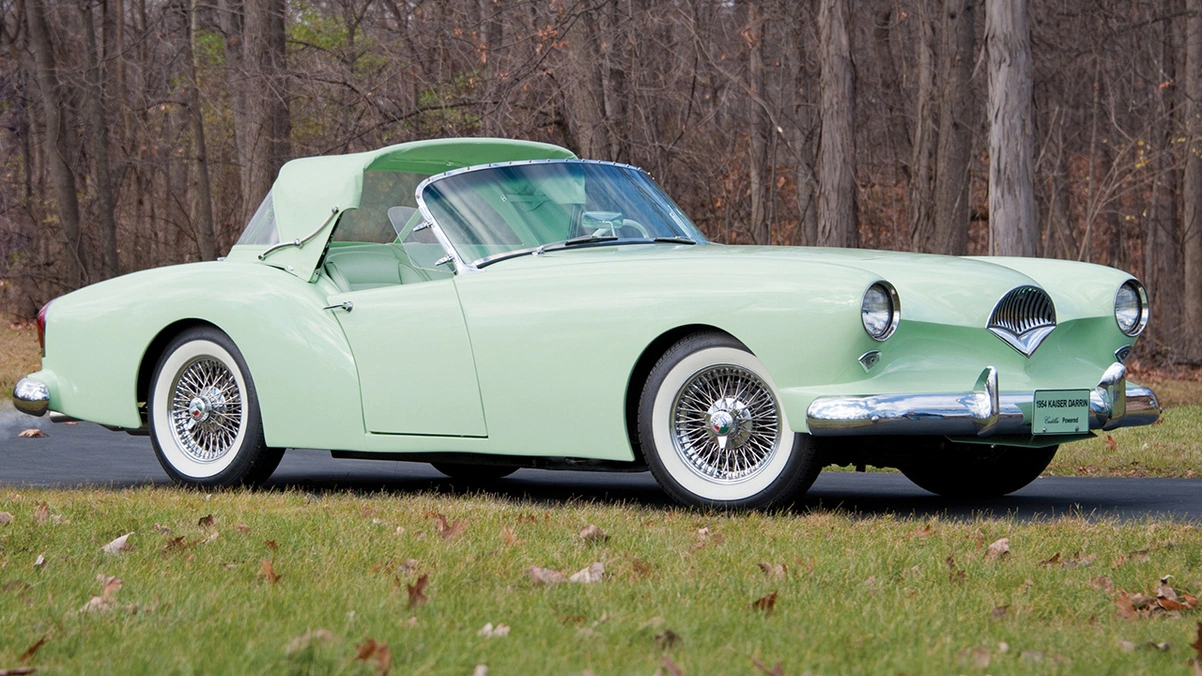
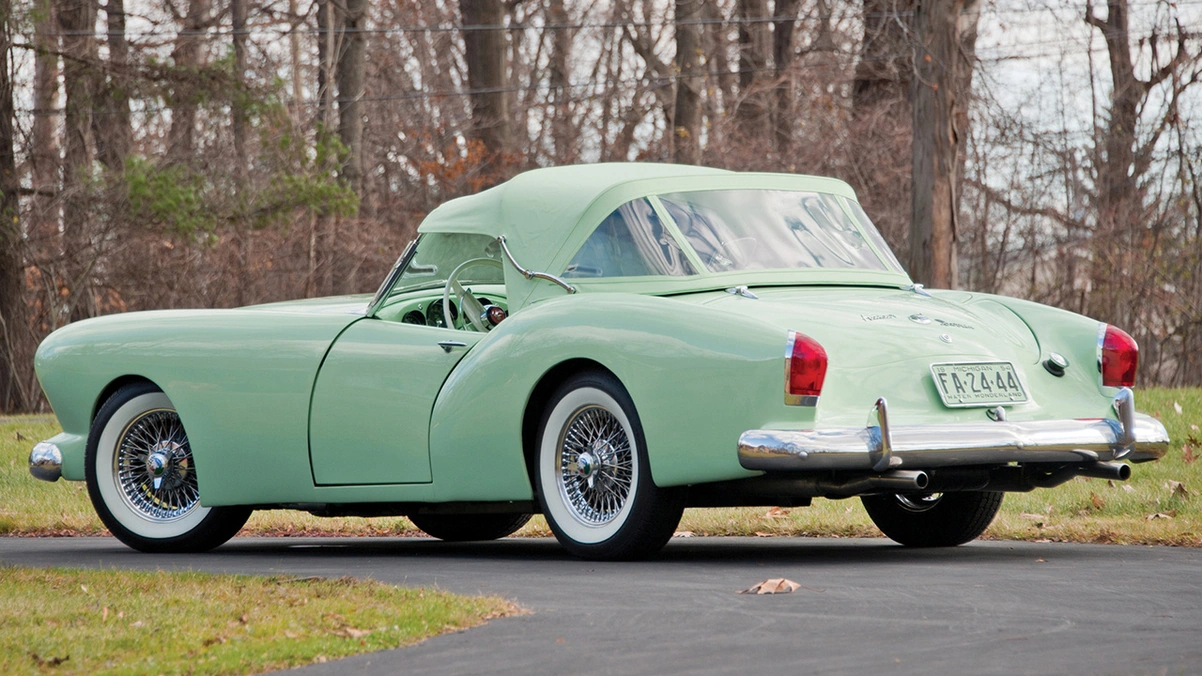
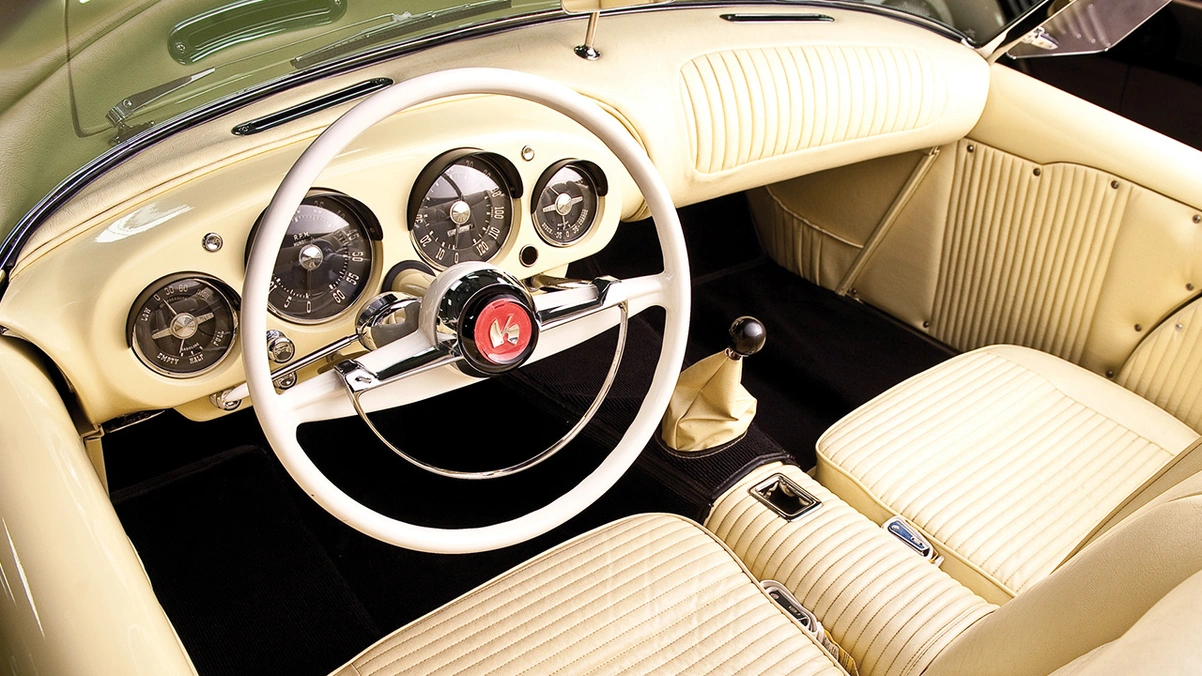
Completed in 1952, the roadster was unlike anything else on American roads. It featured graceful proportions, a distinctive bodyline, an innovative folding roof, and one truly groundbreaking feature: sliding doors that disappeared into the front fenders. Even today, the design feels remarkably fresh and original.
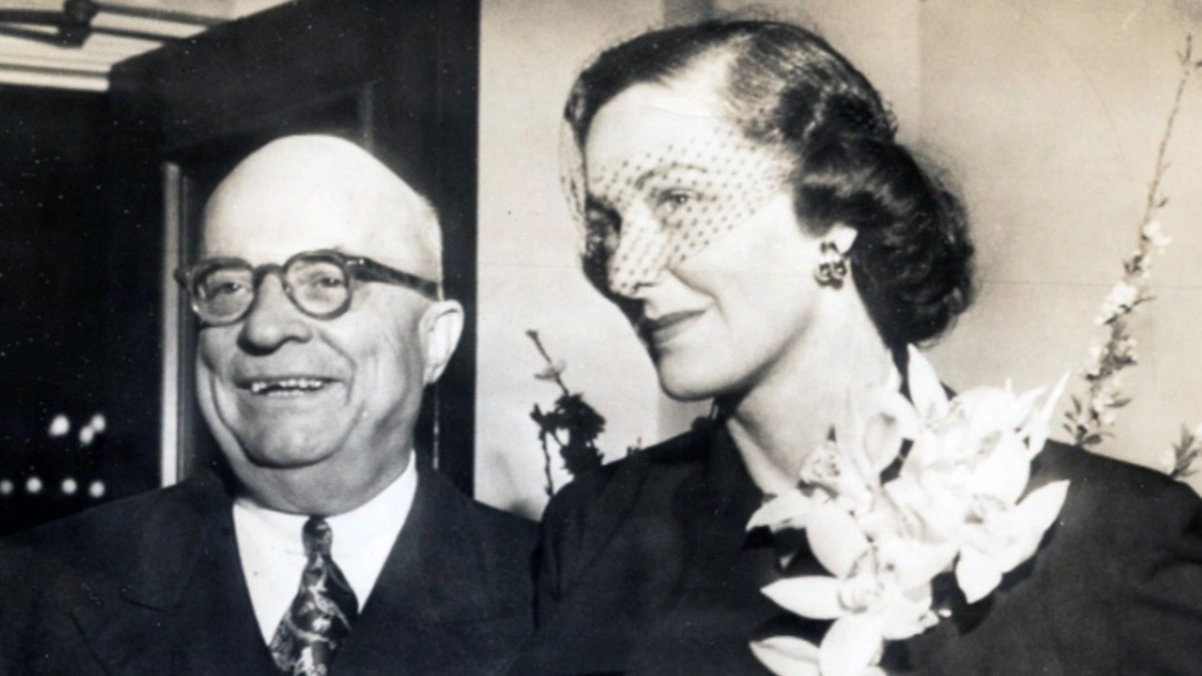
When Darrin unveiled the prototype to Henry Kaiser, the reaction was less than enthusiastic. Kaiser reportedly criticized the project and insisted the company had no interest in building sports cars. The project might have ended there if not for Kaiser's wife, Alice, who fell in love with the car and called it the most beautiful automobile she had ever seen. Her enthusiasm ultimately convinced Kaiser to approve production.
Ironically, the Kaiser-Darrin was conceived a full year before the legendary Chevrolet Corvette reached showrooms.
When the car appeared at the Petersen Motorama exhibition in Los Angeles in late 1952, it generated considerable excitement. Advertisements boldly proclaimed it "The Sports Car America Has Been Waiting For," and at the time, the claim didn't seem unreasonable. Chevrolet's Corvette had yet to establish itself.
Unfortunately, production delays proved costly. While the Corvette entered production in June 1953, the Kaiser-Darrin didn't reach customers until January 1954.
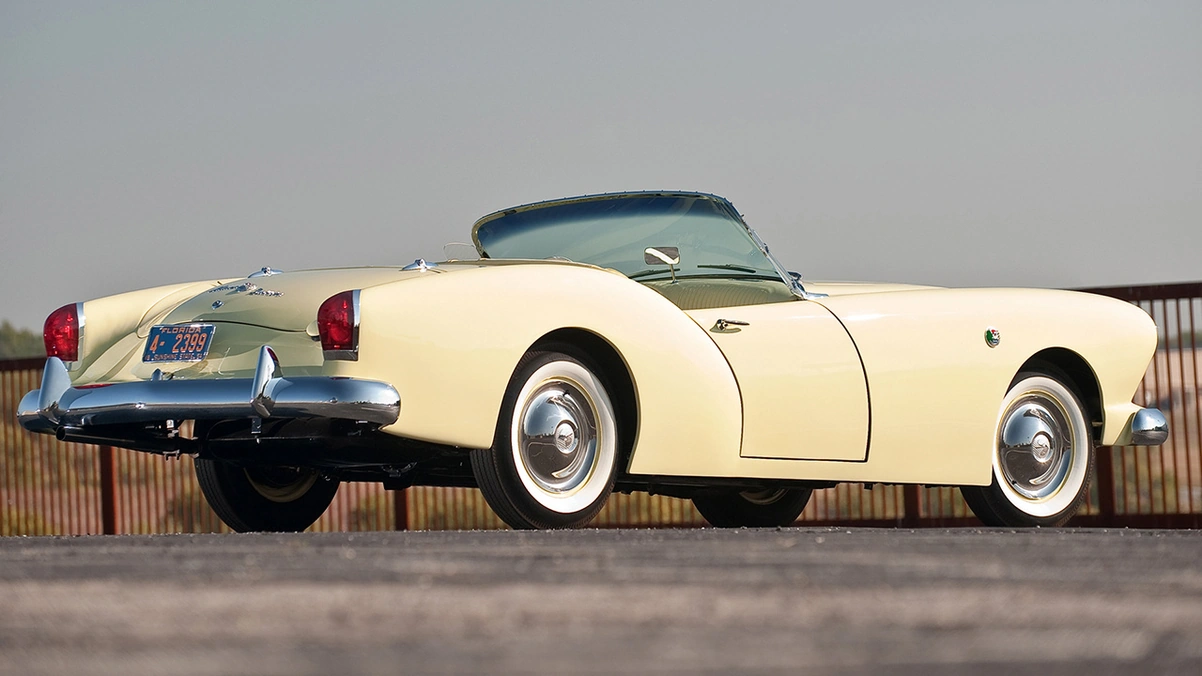
The styling was spectacular, but the mechanical package left much to be desired.
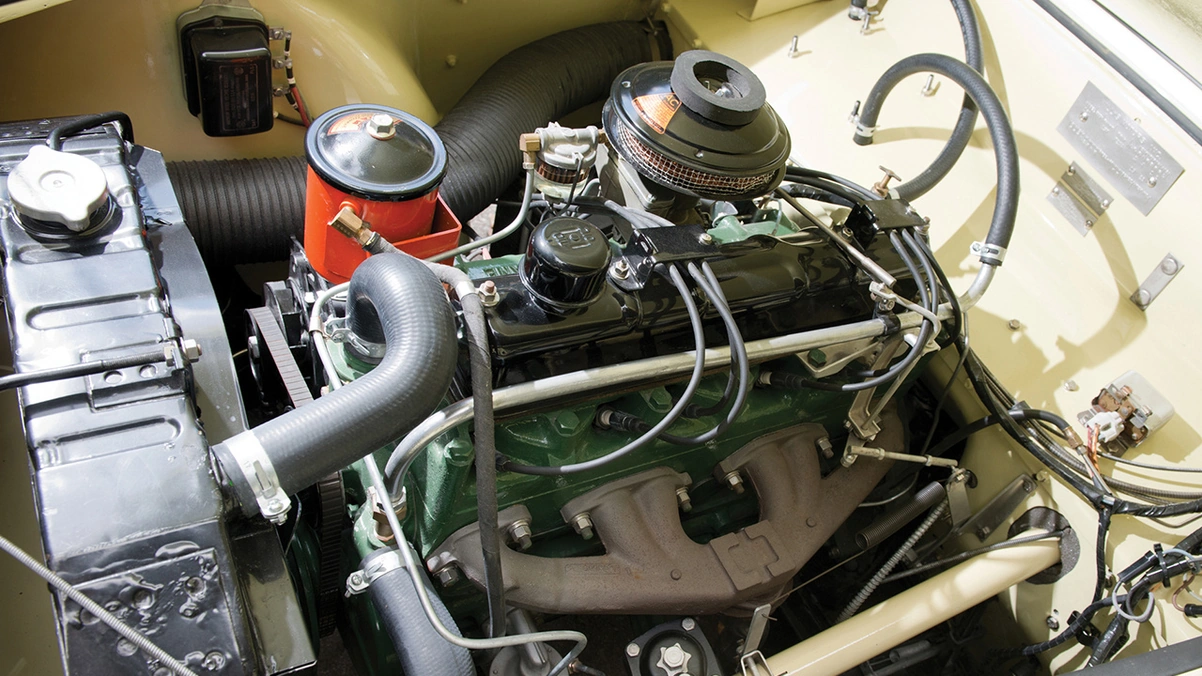
Beneath the sleek fiberglass body sat a modified version of the Henry J's chassis, complete with a traditional rear leaf-spring suspension. More problematic was the engine: a 90-horsepower inline-six borrowed from the legendary Willys MB military Jeep. Kaiser had gained access to the engine after acquiring the struggling Willys-Overland company for approximately $63 million in 1953.
Performance was underwhelming. The roadster required roughly 17 seconds to reach 60 mph and topped out at just 95 mph.
There were other issues as well. The folding roof was difficult to operate and prone to leaks. Roll-up side windows were absent altogether, replaced by optional plastic side curtains. Early examples suffered from sticking door mechanisms that required regular maintenance, and the narrow door openings made entering and exiting the vehicle surprisingly awkward.
By the time production cars reached dealerships, much of the initial excitement had faded. The Kaiser-Darrin carried a sticker price of $3,700—about $42,000 in today's dollars and roughly $150 more than a new Corvette at the time. Convincing buyers to spend that kind of money on a sports car from a small independent automaker proved difficult.
By August 1954, the project was effectively over.
Production ended after just 435 examples.
Howard Darrin refused to let his creation disappear quietly. He purchased several remaining chassis and began building improved versions himself. The ultimate expression of the concept came in the form of six exclusive Darrin Special models powered by Cadillac's 331-cubic-inch (5.4-liter) V8 producing 305 horsepower.
With dramatically more power and chassis upgrades, the once-sluggish roadster became a genuine performance machine. These special cars could sprint to 62 mph in less than 10 seconds and exceed 137 mph—impressive numbers for the mid-1950s.
But even that wasn't enough to save the project.
By the end of 1954, Kaiser had exited the passenger-car business entirely. The company eventually became Kaiser-Jeep and shifted its focus to utility vehicles and SUVs.
In hindsight, the Kaiser-Darrin wasn't a bad car. The first Corvette suffered from many of the same shortcomings and required years of development before becoming an American icon. The difference was that Chevrolet had the resources to keep improving its sports car. Kaiser-Frazer didn't.
And so one of America's most beautiful and innovative roadsters became a footnote in automotive history—a car that may have simply been too far ahead of its time.
You may also be interested in the news:
Hyundai Recalls Nearly 95,000 Genesis Sedans Over Fire Risk From Power Seats
Hyundai is recalling 94,622 Genesis sedans after a faulty power seat switch was linked to overheating and potential vehicle fires.
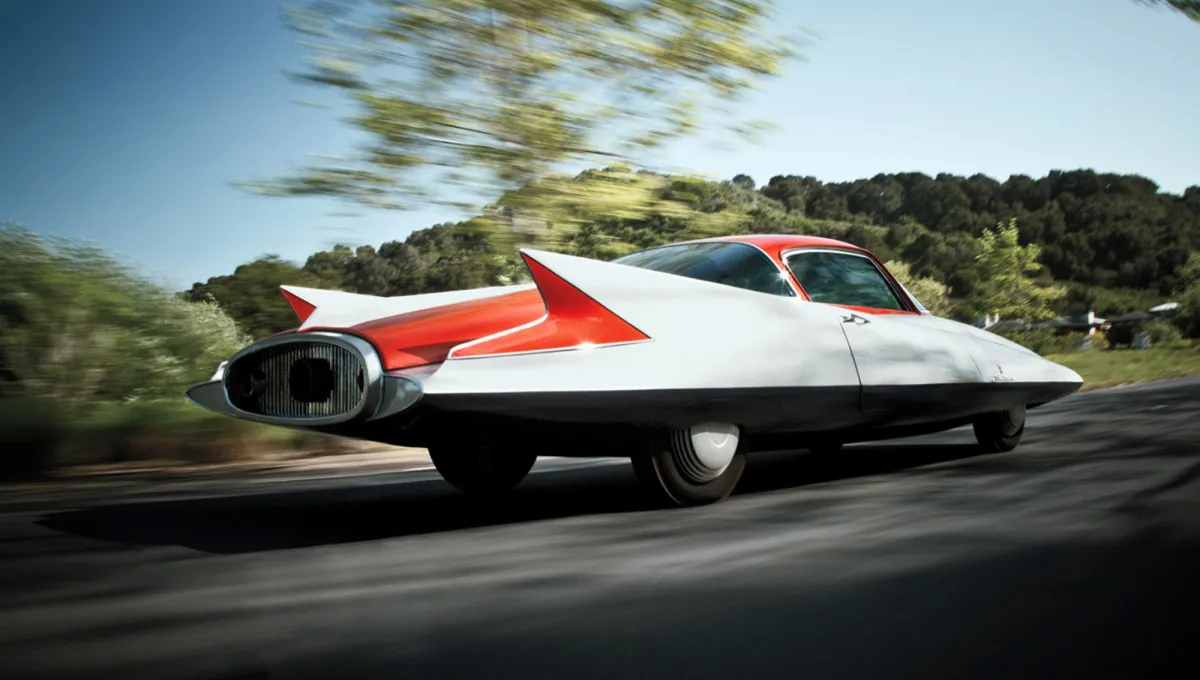
10 Concept Cars From the 20th Century That Look Like They Came From the Future
From futuristic cockpits to rocket-inspired bodies, these 10 vintage concept cars pushed design boundaries and still look spectacular today.
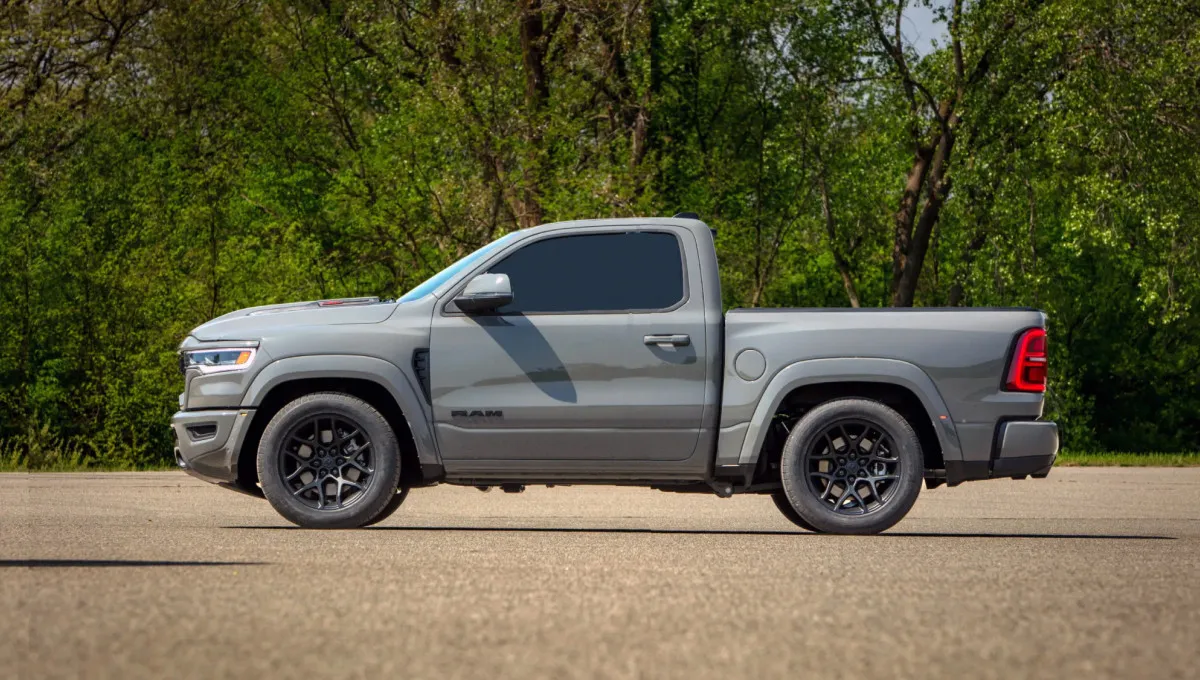
2027 Ram 1500 Rumble Bee: Pricing, Options and How to Build Yours
The 777-HP Ram Rumble Bee Is Coming — But You Can Buy the New Hemi Truck Now
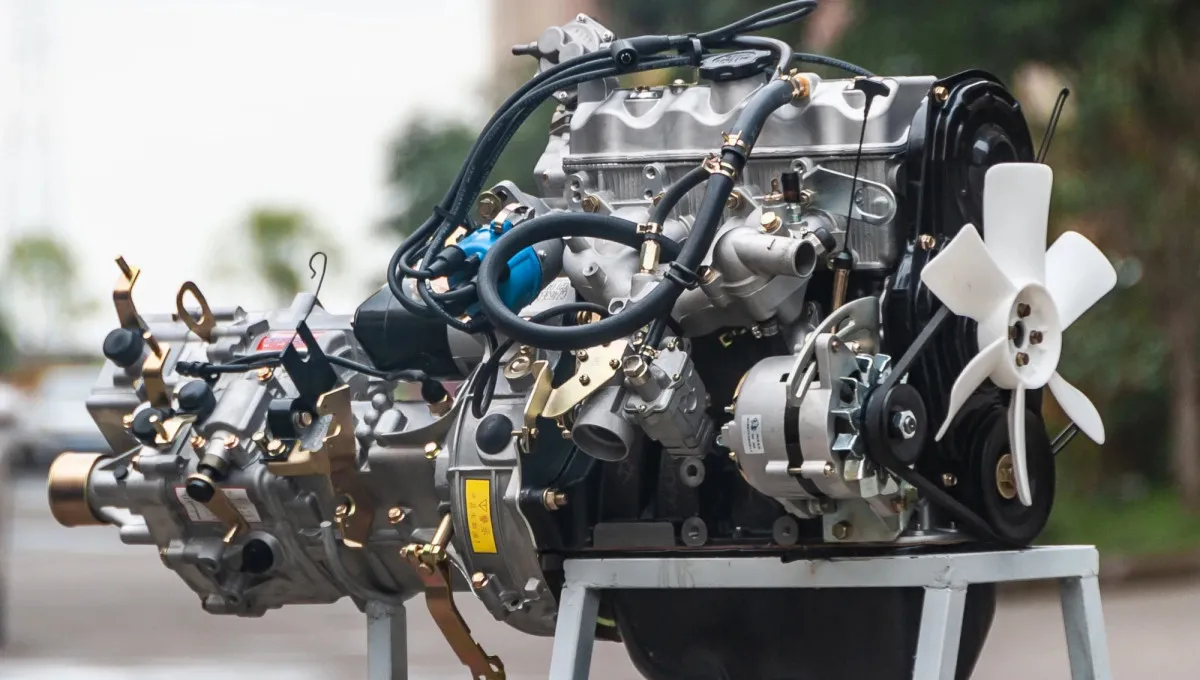
“Are You Sure It’s Chinese?” Who Really Builds China’s Car Engines
Who Really Develops China’s Car Engines?
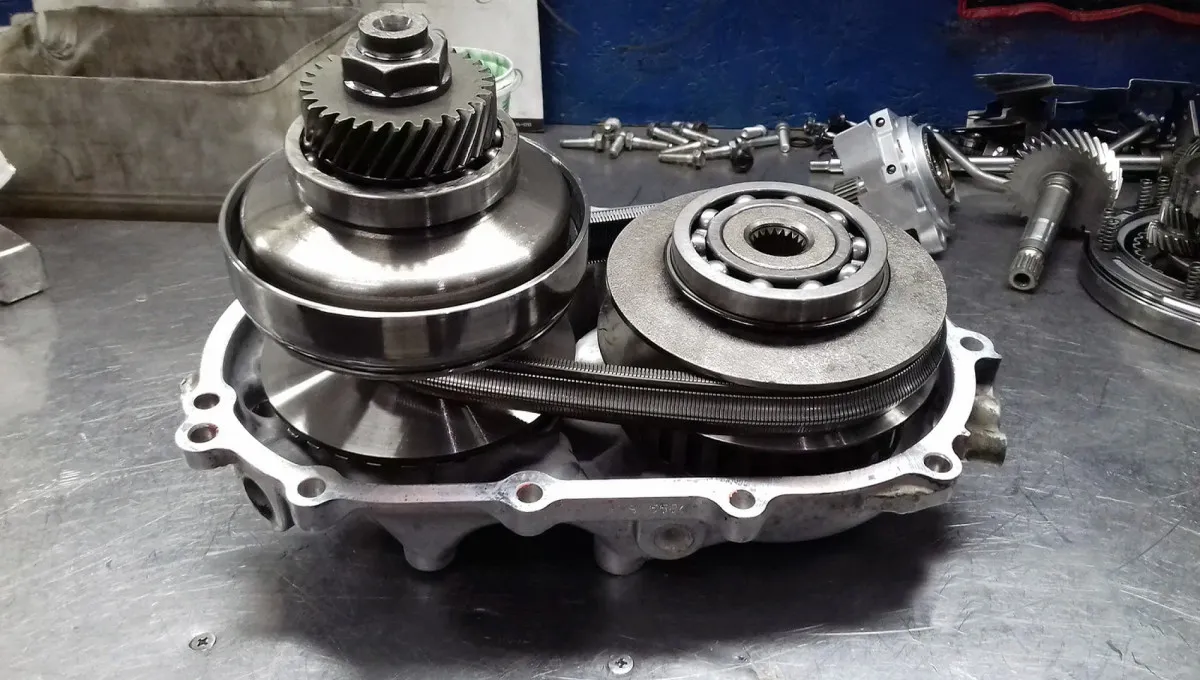
Why Experienced Drivers Still Warn Against Buying a Used Car With a CVT
CVTs offer smooth acceleration and good fuel economy, but expensive repairs and durability concerns make used models risky.