
Mini Is Considering a Return to Truly Small Cars With a New Rocketman-Inspired Model
Modern Mini models have grown substantially, drifting far from the compact spirit that originally defined the brand.

Today’s Mini lineup hasn’t been truly “mini” for quite some time. Over the years, the brand’s vehicles have steadily grown larger, making them feel increasingly disconnected from the tiny city cars that built Mini’s reputation in the first place.
Now, discussions about bringing back a genuinely compact Mini are gaining attention again. According to reports, the company is exploring the possibility of a new sub-12-foot model — roughly 11.8 feet long — inspired by the long-forgotten Rocketman concept. But there’s an important catch: the project has not received production approval, and for now it remains only an internal discussion.

The idea traces back to the Rocketman concept unveiled in 2011. Mini design chief Holger Hampf recently described the concept as intriguing, though he acknowledged that fitting a modern vehicle into such a tiny footprint has become dramatically more difficult than it once was.
The challenge isn’t simply engineering complexity. Modern safety expectations have fundamentally changed the automotive industry. Pedestrian protection requirements, airbags, crash structures, cameras, radar systems, and advanced driver assistance technologies now consume far more space than they did decades ago.
According to Hampf, buyers today are unwilling to sacrifice features such as adaptive cruise control, lane-assist systems, and other ADAS technologies — even in a small city car. As a result, vehicles naturally continue to grow in size because nearly every component surrounding the driver has expanded over time.
Still, Mini’s leadership doesn’t see compact dimensions as impossible.
Recently, Smart revealed its Concept 2 city EV, measuring just 110 inches long, as a preview of a future electric replacement for the EQ Fortwo expected later this year. Compared to that ultra-compact Smart, a production Rocketman would actually appear relatively roomy.
If Mini ultimately approves the project, the car would likely use a relatively small battery pack due to packaging limitations. That would almost certainly result in modest driving range figures compared with larger EVs currently on the market.

For an urban-focused vehicle, however, Mini doesn’t appear overly concerned about range limitations. Company executives insist the priority remains preserving the brand’s character while meeting modern safety expectations.
And on that point, Mini says there will be no compromises: regardless of size, every future Mini must remain “super safe.”
You may also be interested in the news:

Copart to Acquire ACV Auctions in $1.9 Billion Deal, Expanding Into Dealer-to-Dealer Car Auctions
Copart is acquiring ACV Auctions for about $1.9 billion, expanding its online auction business into dealer-to-dealer vehicle sales.
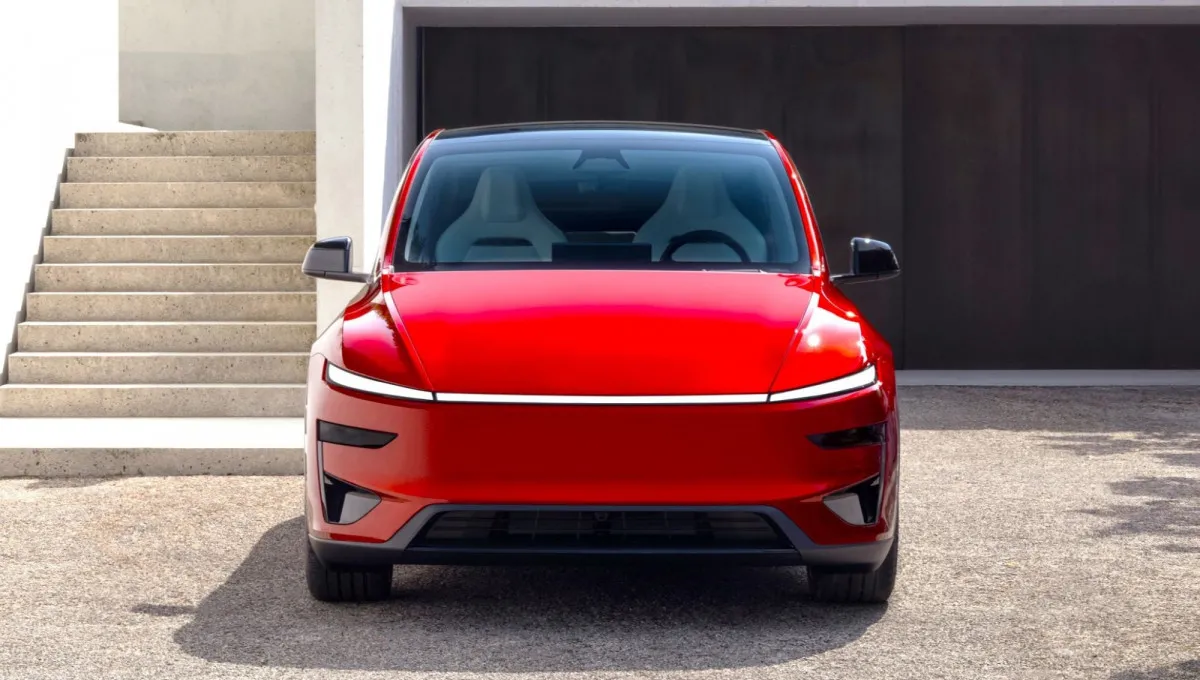
Tesla Recalls 2026 Model Y Over Front Suspension Fasteners That Could Affect Steering
Tesla has recalled select 2026 Model Y vehicles after front suspension fasteners were found improperly tightened during assembly.

Why Experienced Drivers Put Shaving Cream on Their Car Windows and Mirrors
How to fight windshield fog without a dedicated anti-fog product—and how to use shaving cream without leaving streaks
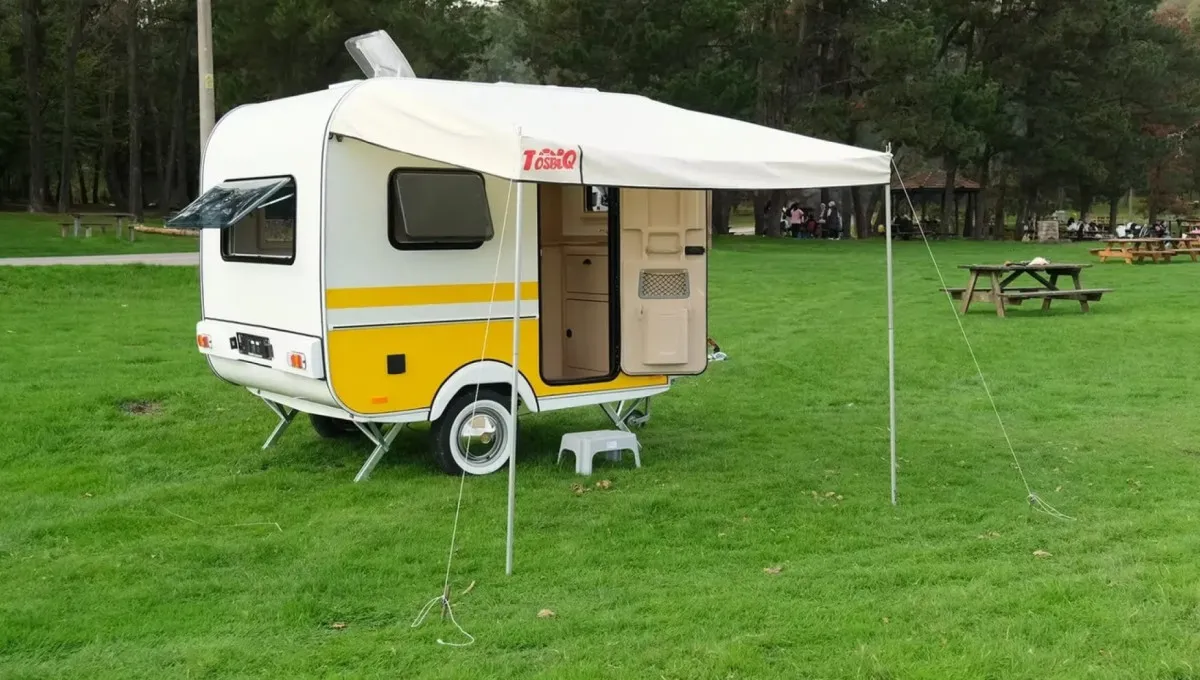
This Tiny Travel Trailer Packs Serious Functionality Into Just 8 Feet and Can Go Off-Grid
The 2027 Tosbiq TK 240 adds autonomy, a redesigned bathroom with more storage, and free customization options for buyers.
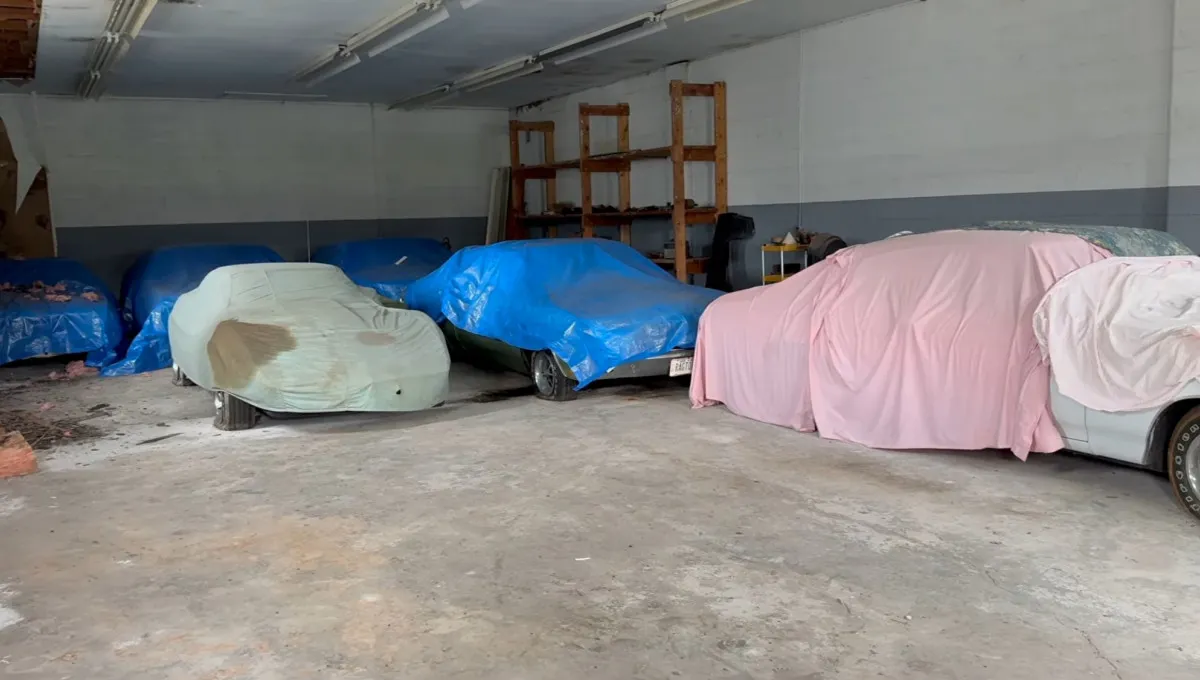
Seven Vintage Chevys Sat for 30 Years—Now They’re Up for Sale, Including Two Chevelle LS6s
A hidden collection of seven classic Chevys is finally being sold after three decades, including two rare 1970 Chevelle LS6s.