
Copart to Acquire ACV Auctions in $1.9 Billion Deal, Expanding Into Dealer-to-Dealer Car Auctions
Copart is acquiring ACV Auctions for about $1.9 billion, expanding its online auction business into dealer-to-dealer vehicle sales.
Copart Just Made a $1.9 Billion Move That Could Change How Dealers Buy and Sell Used Cars
Copart is making a major move to expand beyond its traditional salvage-auction business.
The online vehicle auction giant has agreed to acquire ACV Auctions in an all-cash deal valued at approximately $1.9 billion. Under the agreement announced September 10, Copart will pay $10.50 per ACV share, representing a roughly 45% premium to ACV's unaffected closing price on August 10.
The transaction would give Copart a much stronger presence in the dealer-to-dealer wholesale vehicle market, an area where ACV has built a large digital marketplace.
And the deal is already moving forward. On September 17, Copart announced that its wholly owned subsidiary had formally launched the tender offer for all outstanding ACV shares.
Why Copart Wants ACV
Copart is best known in the U.S. for online auctions involving salvage and damaged vehicles. ACV operates in a different part of the automotive marketplace, connecting dealers and commercial customers through a digital wholesale platform.
That makes the two businesses complementary rather than directly overlapping.
By adding ACV, Copart will gain an established presence in dealer-to-dealer wholesale remarketing while also adding ACV's vehicle-data and inspection technology to its existing operation.
Copart says the combined business will cover a broader portion of a vehicle's lifecycle, from dealer trade-ins and wholesale remarketing to salvage, resale and international vehicle transactions.
The company also plans to use its existing buyer network and physical infrastructure to support ACV's wholesale marketplace. Copart currently operates more than 250 locations, giving the combined company both digital and physical assets.
ACV Will Keep Operating as a Separate Business
One important detail is that ACV will not simply disappear into Copart.
After the transaction closes, ACV is expected to continue operating as an independent subsidiary of Copart under its existing leadership team.
That structure is intended to preserve the technology, marketplace and dealer relationships ACV has developed while giving the company access to Copart's larger network and resources.
The deal was unanimously approved by the boards of both companies.
Copart plans to finance the acquisition with cash already on its balance sheet, meaning the transaction is not dependent on outside financing.
The $10.50 Offer Is a Significant Premium
Copart's offer values each ACV share at $10.50 in cash.
According to the companies, that represents a premium of approximately 45% over ACV's unaffected closing price on August 10, the last trading day before reports about a potential transaction began circulating. The offer was also about 41% above ACV's 30-day volume-weighted average price through September 9.
The total implied equity value of the transaction is approximately $1.9 billion.
For Copart, the company expects the acquisition to accelerate revenue growth and become accretive to earnings per share beginning in fiscal 2028. The companies expect the transaction to close by the end of calendar 2026, assuming the required conditions are satisfied.
What Happens Next?
The tender offer officially began September 17.
The transaction remains subject to customary closing conditions, including the tender of at least a majority of ACV's outstanding shares and the expiration or termination of the applicable waiting period under the Hart-Scott-Rodino Antitrust Improvements Act.
If the tender offer succeeds, Copart's acquisition subsidiary will merge with ACV. ACV will survive as a wholly owned Copart subsidiary, with shareholders receiving the same $10.50 per share in cash, subject to the terms of the transaction.
Unlike a traditional merger requiring a separate shareholder vote, the transaction is structured under Delaware law so that no additional ACV shareholder vote is required after the tender offer satisfies the applicable conditions.
A Bigger Role in the Used-Car Market
The acquisition gives Copart a way to participate in a much broader section of the used-vehicle market.
ACV's platform is focused on wholesale transactions between dealers, while Copart has built its business around online auctions and a large network of buyers and sellers.
Combining those capabilities could allow Copart to participate in more transactions before and after a vehicle reaches the salvage-auction stage.
It also gives Copart access to ACV's dealer-focused technology and vehicle-data services, which the company sees as another important part of its technology strategy.
For dealers, the significance of the deal will ultimately depend on how the two platforms operate together after the acquisition closes. For Copart, however, the strategy is clear: expand from a company strongly associated with salvage auctions into a broader digital vehicle remarketing business.
If the transaction closes as planned, ACV will remain a recognizable name in the dealer wholesale market, but it will operate under the ownership of one of the biggest online vehicle auction companies in the United States.
You may also be interested in the news:
GM Just Unleashed an 8.3-Liter Diesel V8 to Take on Ford’s 1,200-Lb-Ft Power Stroke
General Motors has confirmed an all-new 8.3-liter Duramax V8 diesel called Mongoose for the 2027 Silverado HD and Sierra HD.
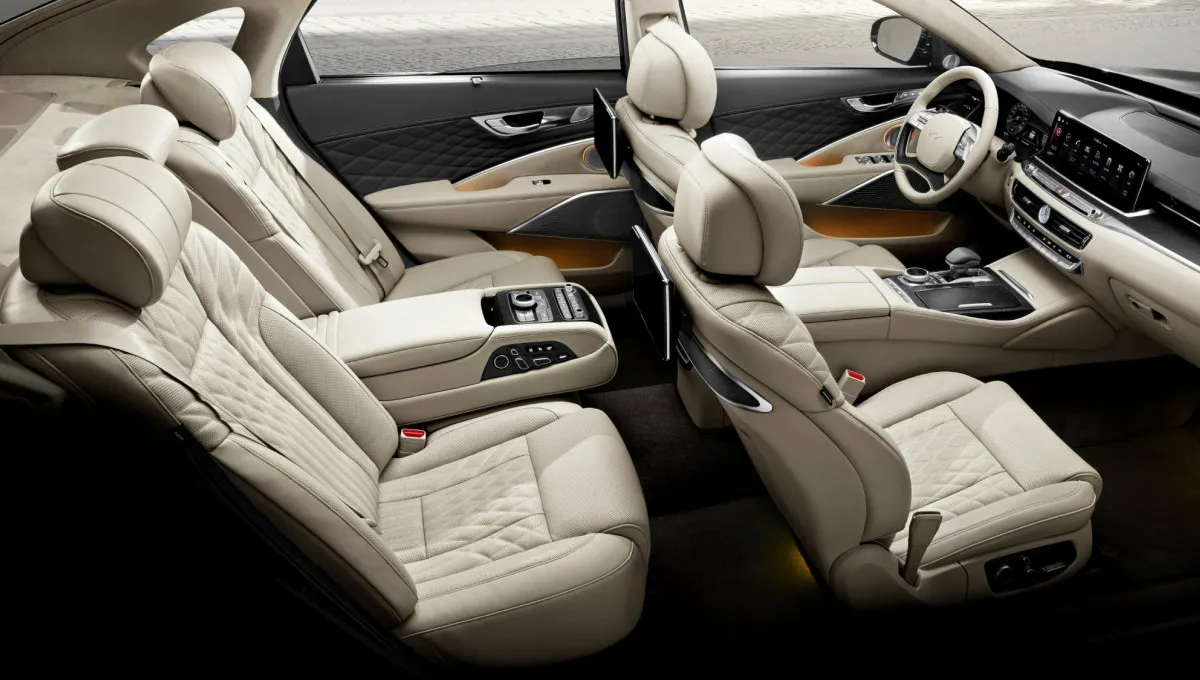
Best Sedans for Interior Space: The Roomiest Cars of 2026
These six sedans offer generous legroom and shoulder room, giving families a comfortable alternative to larger SUVs for long trips.

Best Cars for Teen Drivers: Affordable and Safe Picks
These affordable used and new vehicles combine strong safety ratings, reliability, and reasonable prices for young drivers and their families.
12 Used Cars Retirees Should Know About—These Models Put Safety, Comfort and Reliability First
Great for Retirees: These Used Cars Stand Out for Safety, Reliability and Comfort
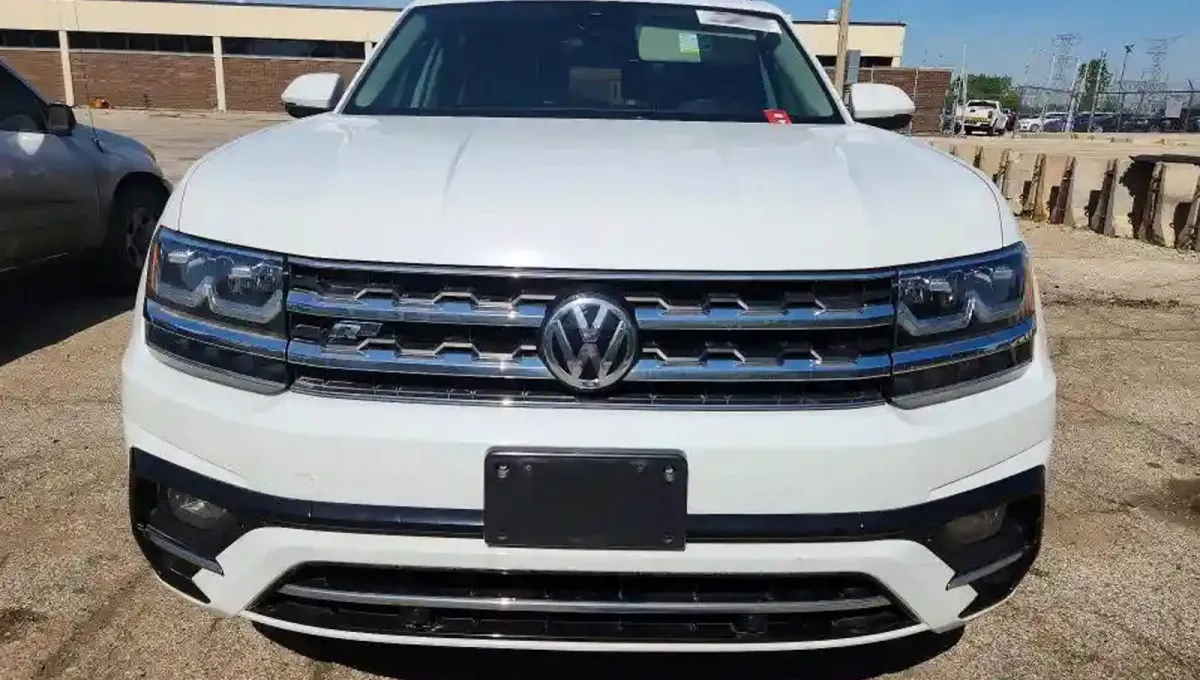
Volkswagen Recall Bombshell: 250,000+ Vehicles Hit by Steering Failure and Sudden Engine Stall Risks
Volkswagen is recalling more than 250,000 vehicles in the U.S. over steering, software and engine-stall concerns.