
You Hit ECT PWR and Your Toyota Suddenly Wakes Up: What That Mysterious Button Really Does
This little button can change the way a Toyota drives, but plenty of owners have no idea what actually happens when they press it.
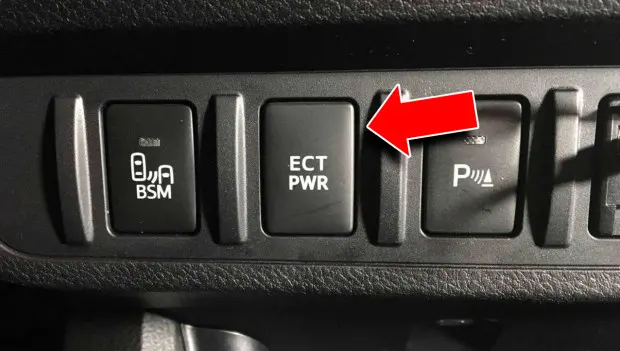
If you've ever climbed behind the wheel of a Toyota with an automatic transmission and noticed a button labeled ECT PWR, you've probably wondered what it's for. The name makes it sound like the engine is about to find a few extra horsepower. The reality is a little more interesting.
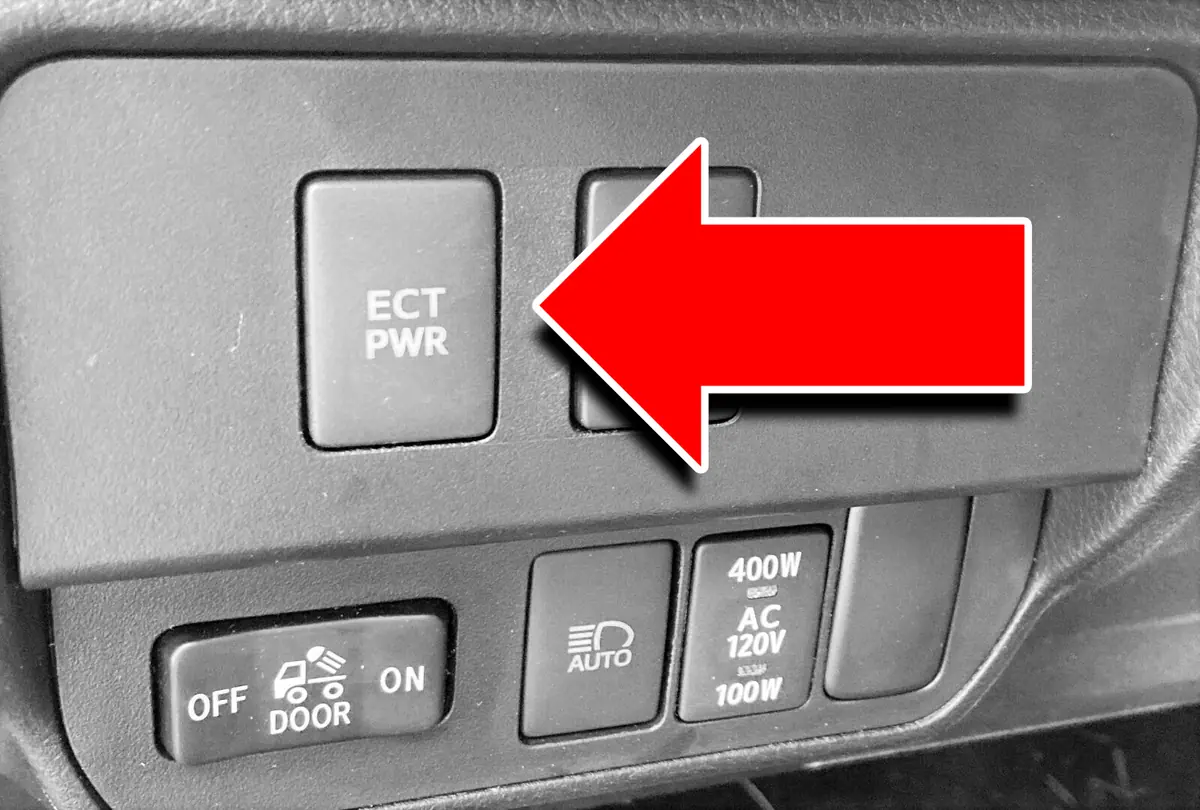
ECT stands for Electronically Controlled Transmission, while PWR means Power. Pressing the button doesn't turn an ordinary Toyota into a sports car, and it doesn't increase the engine's actual output. Instead, it changes the way the automatic transmission behaves.
Toyota describes Power Mode in its owner's manuals as a setting intended to provide more responsive acceleration. When it's activated, the transmission holds lower gears longer and is more willing to downshift when the driver asks for more power. On some models, Toyota specifically recommends the setting for mountain roads and towing.
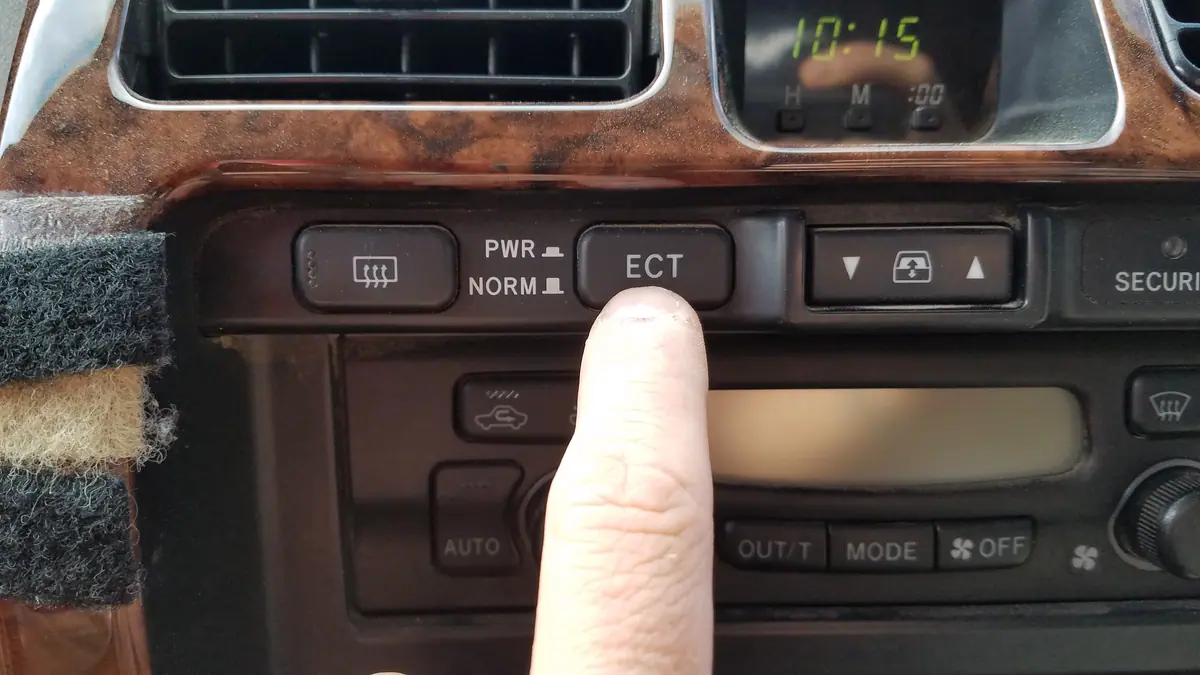
Put simply, the transmission keeps the engine at higher RPM for longer. That makes the vehicle respond more quickly to the accelerator and reduces the tendency to upshift as soon as possible.
That's exactly what many owners notice. Toyota forums are filled with similar observations: with ECT PWR switched on, the vehicle feels noticeably more responsive, particularly when climbing a hill, passing another vehicle or carrying a heavy load. Some Tacoma owners even say they prefer leaving the system on because the normal shift pattern feels too eager to get into a higher gear.
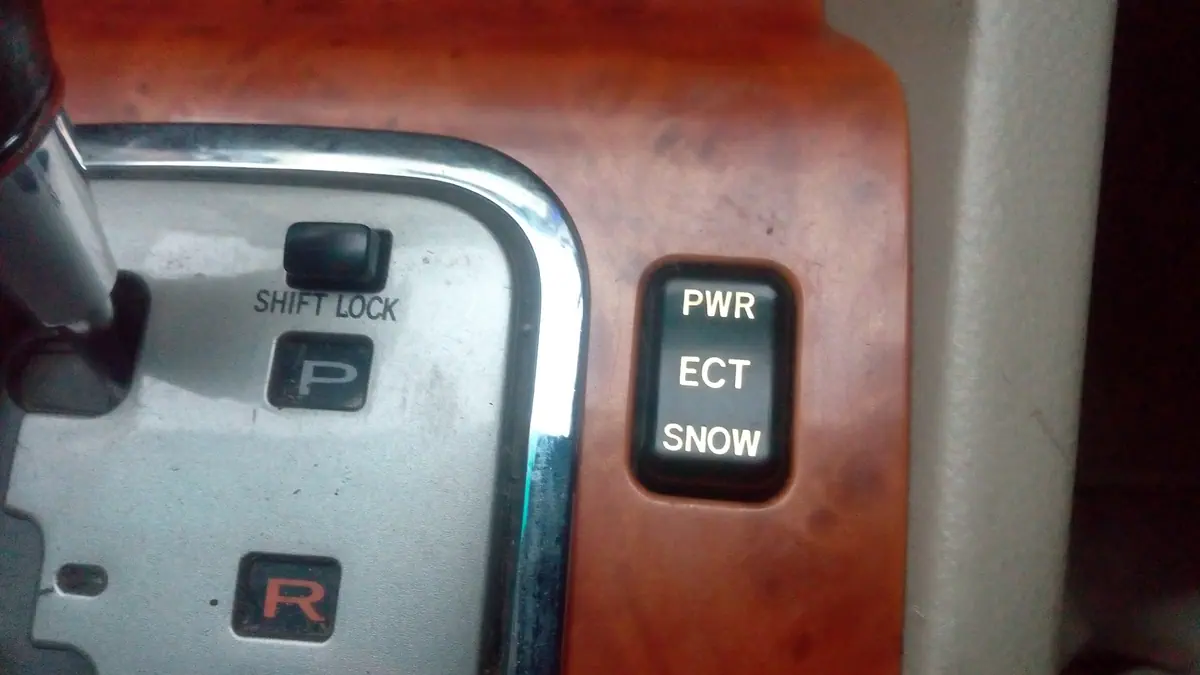
There's an important distinction, though: ECT PWR isn't an engine power-boost mode. If your engine produces 200 horsepower, pressing the button doesn't suddenly turn it into a 220-hp engine. The transmission is simply doing a better job of keeping the engine in the part of its powerband that's already available.
The difference can be especially obvious on a winding road. In normal mode, an automatic transmission may quickly shift into a higher gear, dropping engine RPM and making the driver wait for the transmission to downshift before accelerating again. Power Mode holds the current gear longer and responds more quickly with a downshift when extra thrust is needed. That's what creates the sensation that the vehicle suddenly has more power.
So, can you leave ECT PWR on all the time? There's no universal answer for every Toyota, but the feature is factory-designed and intended for normal use. Toyota doesn't treat it as an emergency setting or something that should only be activated for a few seconds. At the same time, normal mode is generally the better choice for everyday driving when fuel economy is the priority.
That's where the trade-off comes in. Higher engine RPM and later upshifts can potentially increase fuel consumption. Owners also report that the difference varies considerably depending on the vehicle, engine, route and driving style. Claims that ECT PWR either doubles fuel consumption or has absolutely no effect shouldn't be treated as universal rules.
So when should you actually press the button? The most obvious situations are passing, climbing a long grade, driving on mountain roads, hauling a heavy load or towing a trailer. It's also useful whenever you simply want a quicker throttle response. Toyota's own guidance specifically points to mountain driving and towing as situations where Power Mode can be useful.
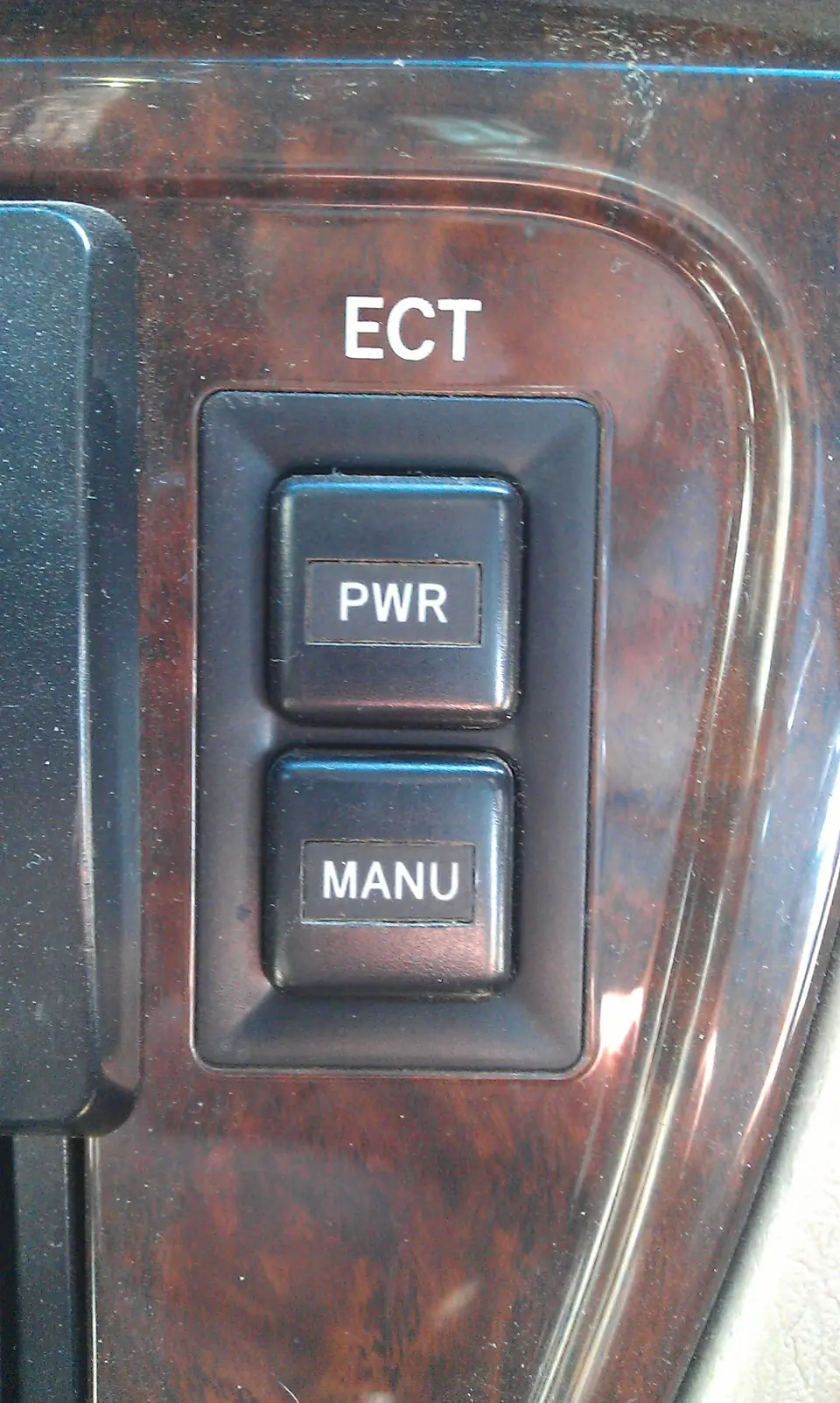
There's another detail worth knowing: ECT PWR isn't the same thing as turning Overdrive off or manually selecting a gear. Those are separate functions. Power Mode primarily changes the transmission's shift strategy, while other settings can restrict the available gears or increase engine braking.
In the end, the mysterious button is far less complicated than it looks. It doesn't add horsepower. It simply tells the automatic transmission to be more aggressive about keeping the engine ready for acceleration.
And that's why pressing ECT PWR can genuinely make it feel like your Toyota just woke up.
You may also be interested in the news:
One Capful and Your Wipers Stop Squeaking: Experts Reveal a Simple Trick
We've all been there: windshield wipers start squeaking, smear grime across the glass and leave streaks behind instead of actually helping.
Toyota Wanted a Reliable Engine — It Accidentally Built a 2,000-HP Monster
Toyota engineers may have gone too far with durability — and accidentally created the ultimate engine for hot-rodding.
It Confuses Many Drivers: What Does the Road Sign With a Thumbs-Up Mean?
This unusual sign appears near highway entrances, tunnels and other locations where roadside stops can create serious safety hazards.
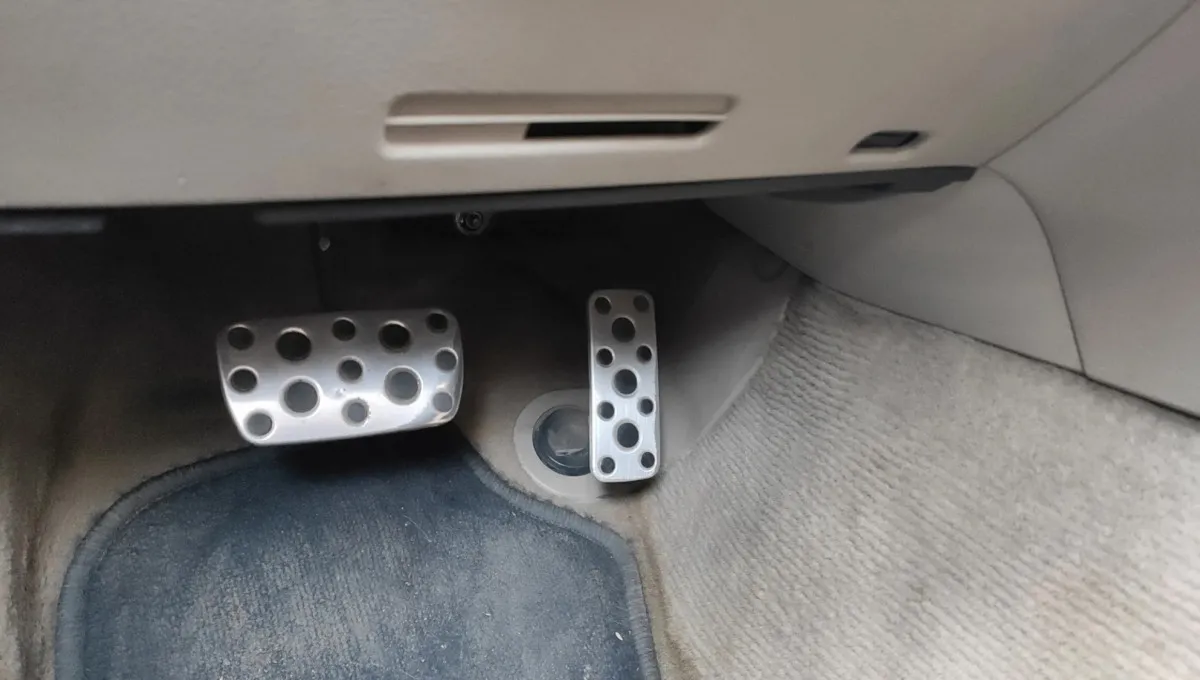
We Know What the Button Behind Your Gas Pedal Does — And It's Even Found in Manual-Transmission Cars
Modern cars are packed with hidden features, and one small button behind the accelerator pedal can serve a surprisingly important purpose.

You Won’t Recognize This Toyota: Tuners Turned the Crossover Into a Sports Car
Modellista has prepared two new styling packages for the updated Toyota Harrier.