
You’ve Seen This Chain Behind Fuel Tankers — But Do You Know What It’s Really For?
The metal chain dragging behind a fuel tanker isn't a forgotten part or a coincidence—it has long been associated with fire safety.
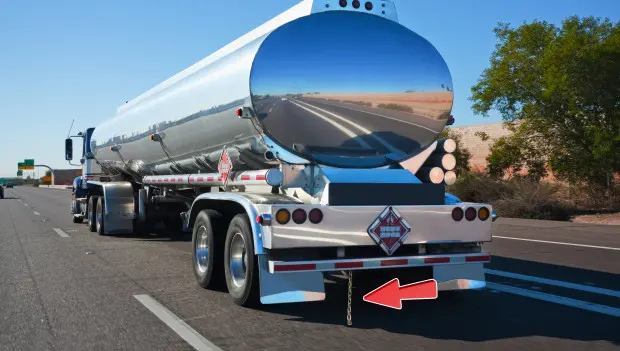
A metal chain dragging along the pavement behind a fuel tanker isn't there by accident. Traditionally, it has been used as part of the tanker’s electrical grounding system, helping dissipate static electricity that can build up while transporting flammable liquids.
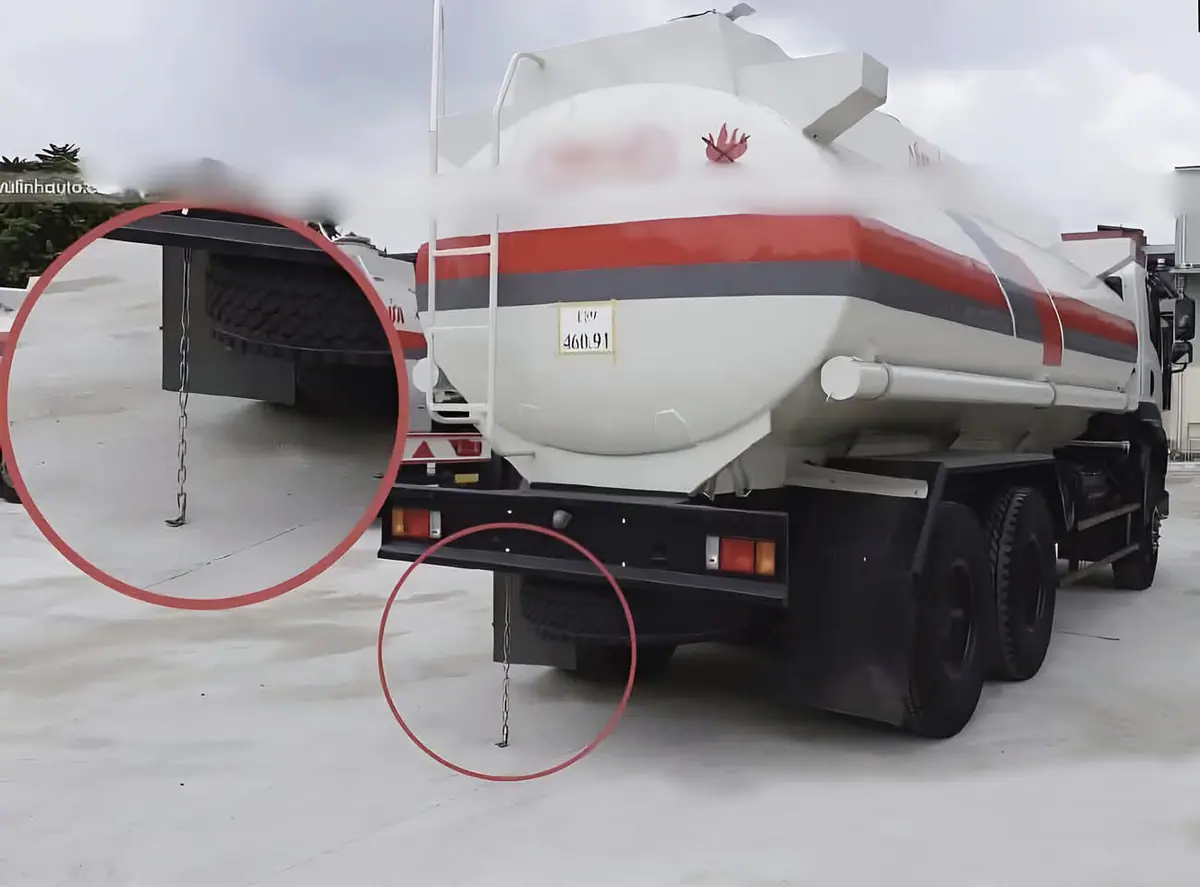
As a tanker truck travels, the tank is constantly exposed to friction from several sources.
Internal friction: Fuel moves around inside the tank as the truck accelerates, brakes and turns, creating friction against the tank’s interior walls.
External friction: Air flowing around the tanker carries dust and other tiny particles that can also contribute to the buildup of static electricity.
All of this can cause an electrical charge to accumulate on the tank’s metal body. The truck’s rubber tires act as electrical insulators, preventing that charge from easily dissipating into the ground.
If a significant static charge builds up, a spark can potentially occur when the truck stops, during fueling or when someone touches the vehicle. In an environment containing gasoline vapors, even a small spark can create a serious fire hazard.
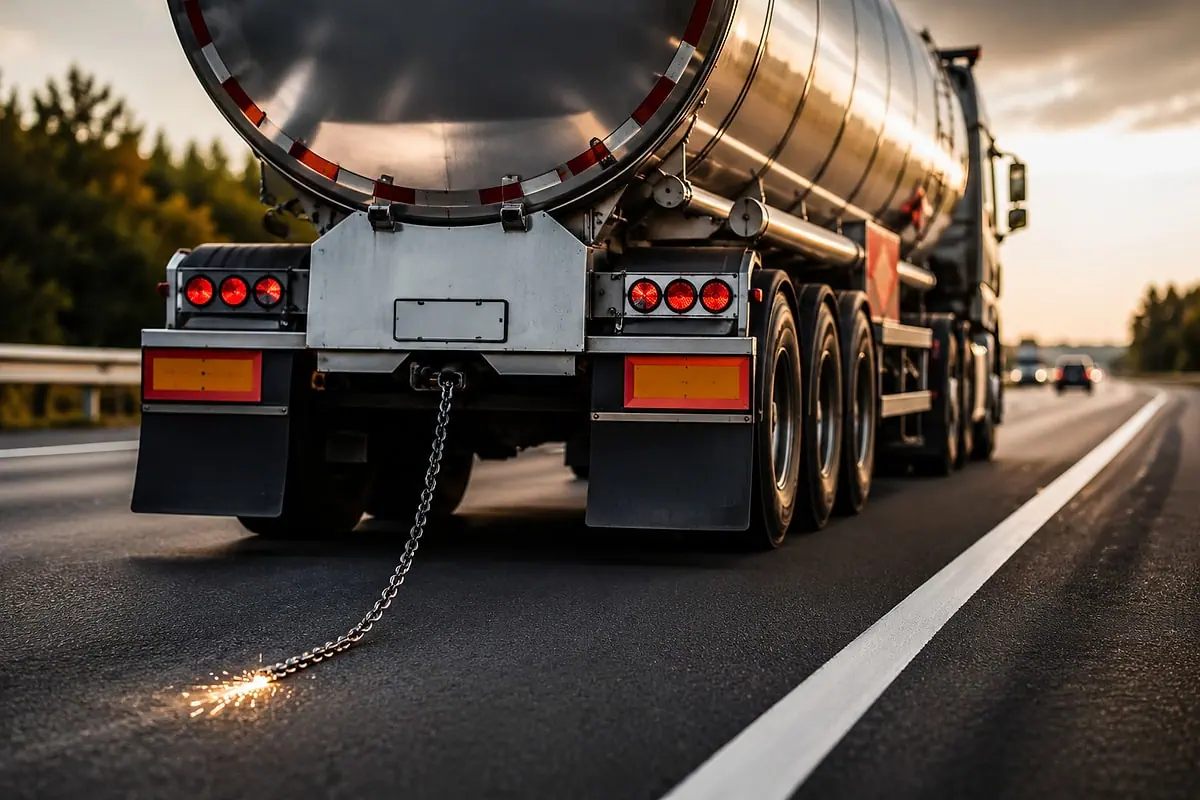
How Does the Chain Work?
The basic idea behind the chain is straightforward: provide a conductive path for static electricity to dissipate.
Creating a connection: One end of the chain is attached securely to the truck’s metal frame or the tank itself, while the other end remains in contact with the road.
Dissipating the charge: Static electricity accumulated on the tank can travel through the metal chain and discharge through its contact with the ground.
Durability: Unlike a thin grounding wire, a heavy steel chain can withstand abrasion and the rigors of being dragged along the road while the truck is moving.
However, you may not see this setup on many modern fuel tankers. That doesn't mean grounding has been abandoned. Modern equipment uses other methods to control static electricity.
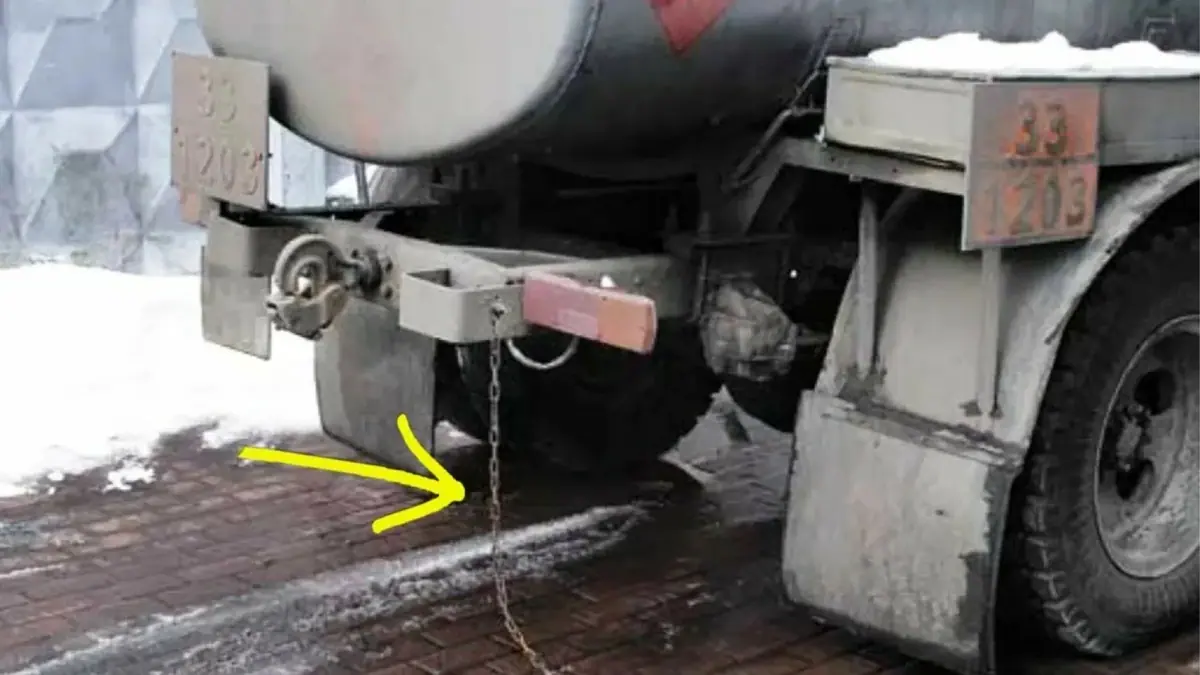
Conductive materials: Some specialized grounding straps and conductive components use materials such as carbon or metal additives to improve electrical conductivity while reducing the noise and wear associated with a chain dragging on the pavement.
Grounding systems at fuel facilities: At many fuel terminals and other loading facilities, tank trucks can be connected to a dedicated grounding system with a cable and clamp before fuel is loaded or unloaded. These systems provide a controlled path for static electricity to dissipate.
The familiar metal chain is therefore more of a traditional and highly visible grounding method than a universal requirement on today's fuel tankers. Modern trucks and fuel facilities generally rely on engineered grounding and bonding systems designed specifically for the equipment and operation.
You may also be interested in the news:
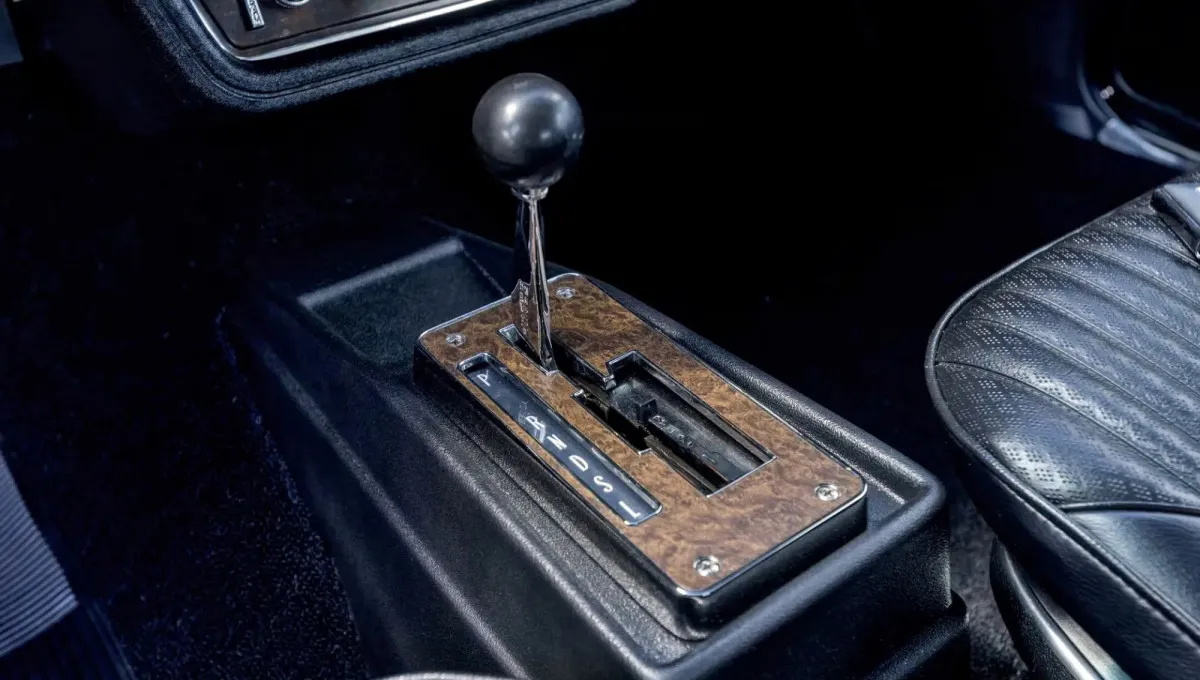
How Oldsmobile Invented a Manual Gearbox for an Automatic
Long before paddle shifters and electronic driving modes, Oldsmobile found a clever mechanical way to let drivers shift an automatic transmission themselves.
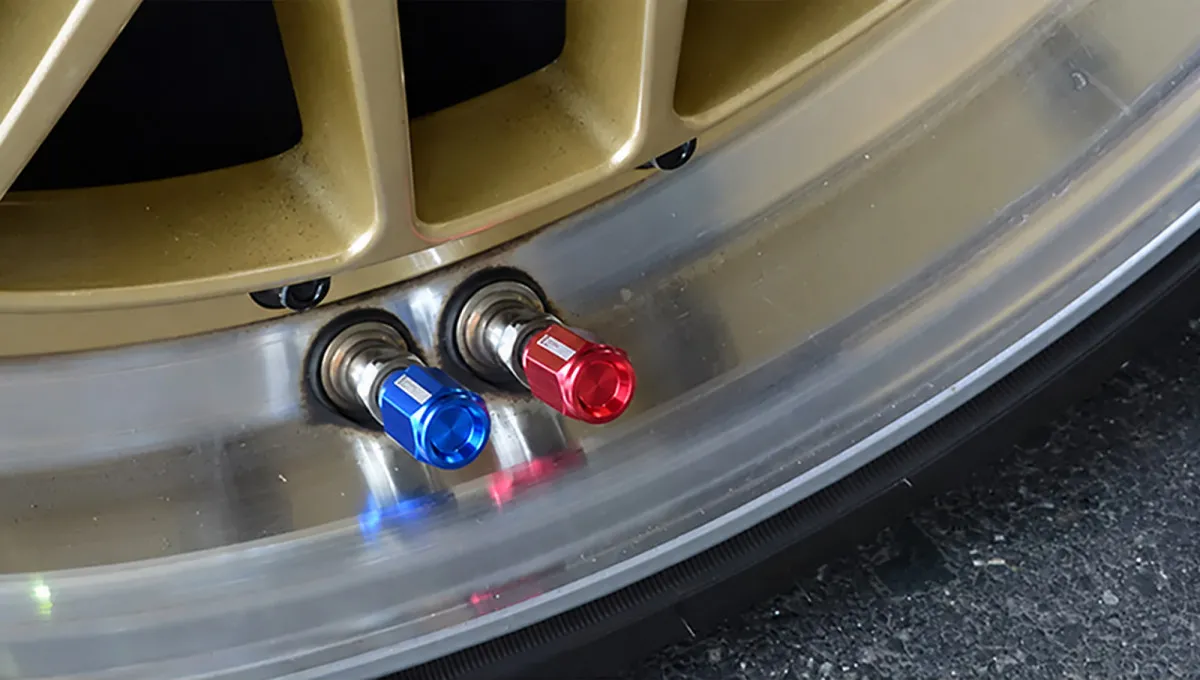
Not a Manufacturing Error: Why Some Wheels Have Two Valve Stems
Two valve stems on one wheel may look unusual, but the setup serves a practical purpose in racing and specialized tire service.

Gilded 1953 Cadillac Sells for a Record $1.275 Million
The unique Cadillac Elegante, featuring an Italian aluminum body and 24-karat gold trim, went to auction for the first time more than 70 years after it was built. It became the most expensive Cadillac ever sold at public auction.
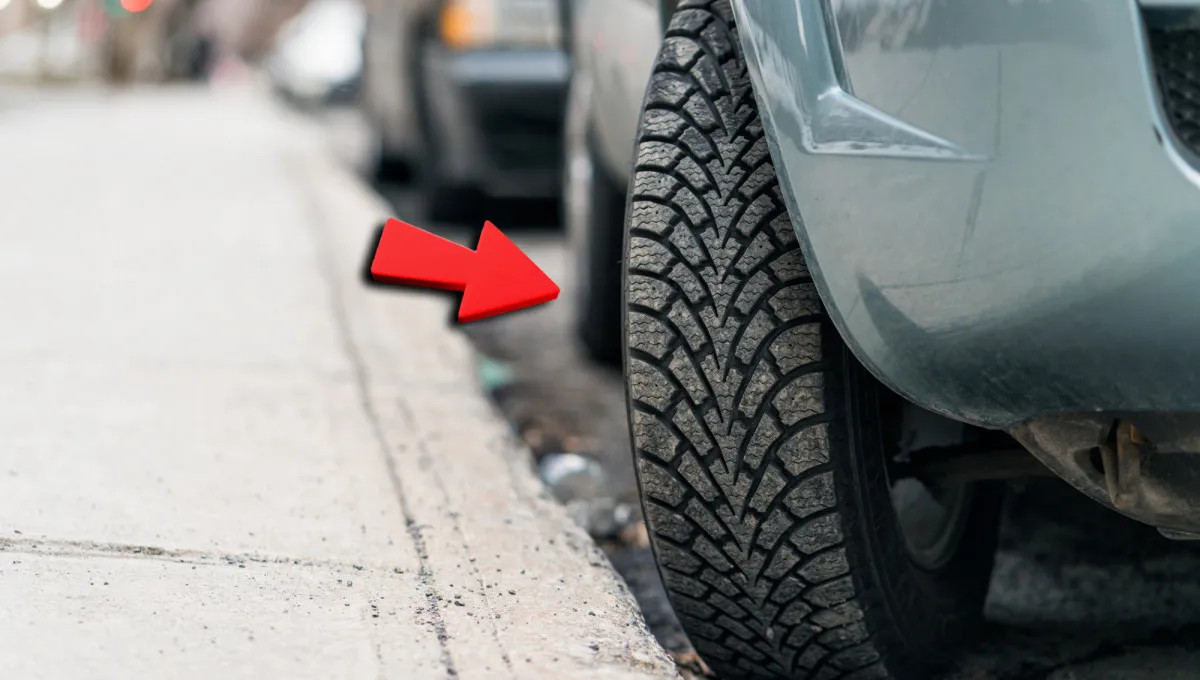
Why Your Neighbor Always Parks With the Wheels Turned: An Auto Expert Explains Three Reasons
Straight wheels aren’t always the smartest choice: experienced drivers turn them for three practical reasons you may not expect.
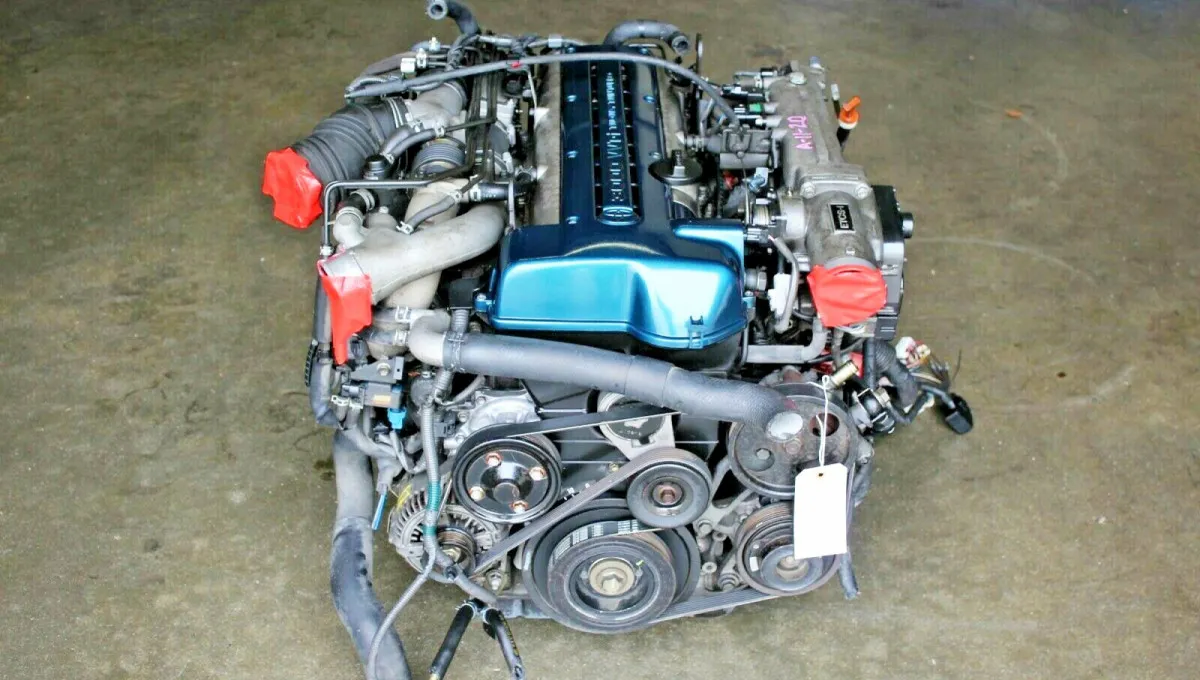
Toyota Built It to Survive 300,000 Miles. Tuners Turned It Into a 2,000-HP Beast
Toyota engineers may have gone too far with durability — and accidentally created the ultimate engine for hot-rodding.