
7 Car Repairs Mechanics Secretly Hate Taking on — Here’s Why Shops Say “No”
A mechanic explains why some seemingly routine repairs can become expensive nightmares for both shops and car owners.
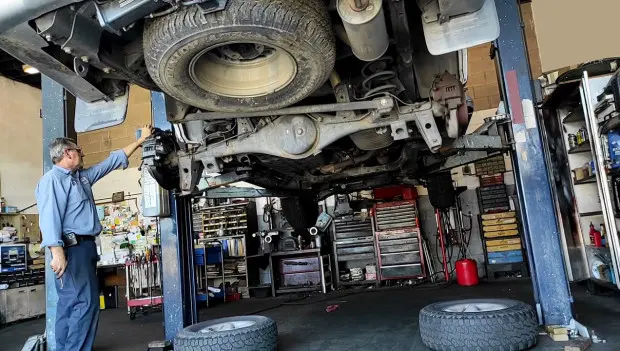
Car owners sometimes hear an unexpected answer when they ask a repair shop to take on a particular job: “We’re not going to do it.” That decision usually has less to do with laziness than with the real risks and complications involved. Some repairs can consume hours of labor, create unexpected problems and cost a shop more money than it makes.
When a mechanic tells a customer, “I’m not taking this job,” it is rarely just an excuse to avoid work. In many cases, the decision comes down to simple economics. Some repairs carry so much uncertainty that the potential profit isn’t worth the risk. Experienced technicians know which jobs can quickly turn into money-losing projects.
1. Cleaning and Lubricating Old 4x4s
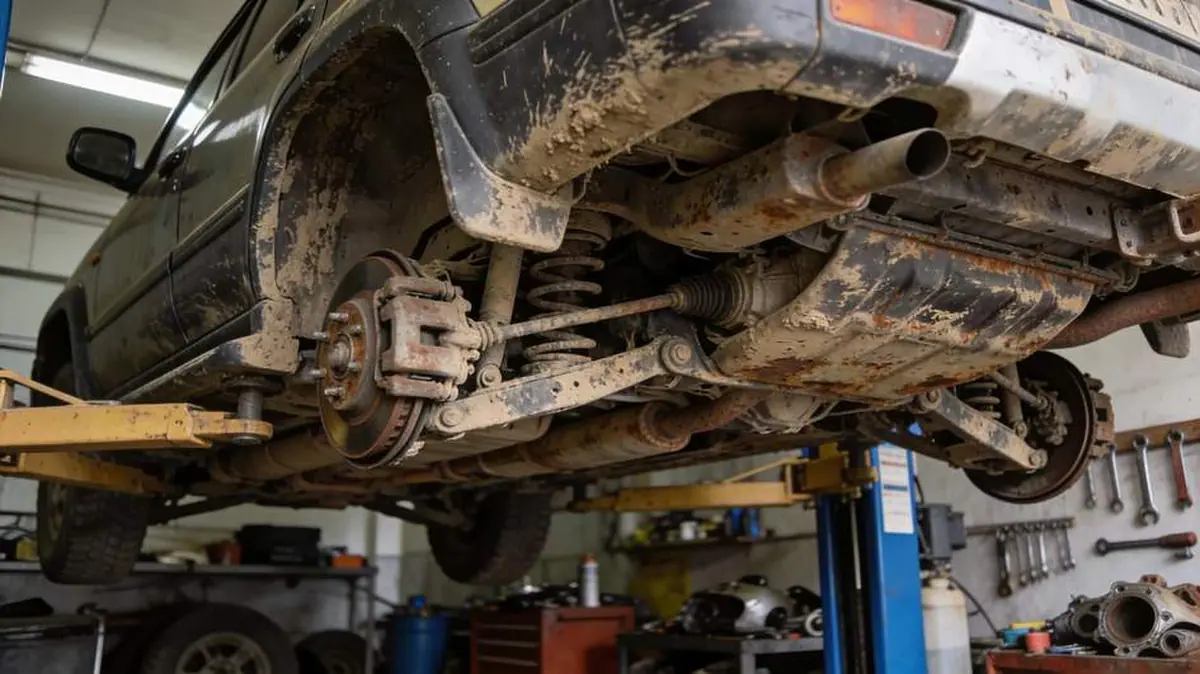
One type of work many mechanics would rather avoid is the dirty, time-consuming job of servicing an older body-on-frame SUV or pickup truck. What looks like a simple cleaning and lubrication job can turn into hours spent underneath a vehicle covered in mud, road salt and rust.
The problem is that customers generally don’t want to pay a premium for work that appears simple on paper. The technician can spend hours fighting seized components and corrosion, only to earn roughly what the shop would charge for a much easier repair. By the time the job is finished, the mechanic may look like they just came off a construction shift.
2. Timing Belt Replacement on Older Luxury Cars
Replacing a timing belt on an older luxury car, particularly a Mercedes-Benz or BMW from the 2000s, can be another high-risk job. What should be a routine maintenance procedure can require removing a surprising amount of surrounding hardware just to reach the belt.
Age makes the situation even worse. Bolts can be seized, plastic components can crumble and brittle wiring can fall apart during disassembly. A job that started with a straightforward estimate can suddenly require several additional repairs. The final bill can end up being several times higher than expected, and not every customer is prepared to absorb that cost.
3. LED Headlight Repairs
LED headlight assemblies are another major headache for independent repair shops. Many modern lighting units are designed to be replaced as complete assemblies rather than repaired internally, and replacement units can cost thousands of dollars.
A technician who agrees to repair an LED assembly by soldering components or attempting to restore damaged electronics takes on considerable risk. One mistake can leave the shop responsible for an expensive replacement unit. There is also the possibility that the customer will return later with a complaint if the repaired headlight begins flickering or develops another electrical problem.
4. Rare or Unfamiliar Vehicles
Rare vehicles create another difficult situation. An older Maserati, an unusual imported model or a brand-new electric vehicle with limited service information can leave a shop working without the documentation, parts or technical experience it normally relies on.
Replacement parts may take weeks or even months to arrive, while determining exactly what needs to be repaired can take considerable diagnostic time. In such cases, giving the customer an accurate estimate before disassembly may be nearly impossible.
5. Custom Electrical and Performance Modifications
Electrical modifications and aftermarket performance work can also make repair shops think twice. Custom wiring, chip tuning, aftermarket turbocharger installations and other modifications can create safety, emissions and liability concerns.
If something goes wrong later, the customer may blame the shop for the problem, even if the vehicle has been heavily modified. Without proper documentation, approved components and the necessary certifications, these jobs can become extremely time-consuming and expose a repair business to unnecessary liability.
6. Rust Repair and Welding on Older Vehicles
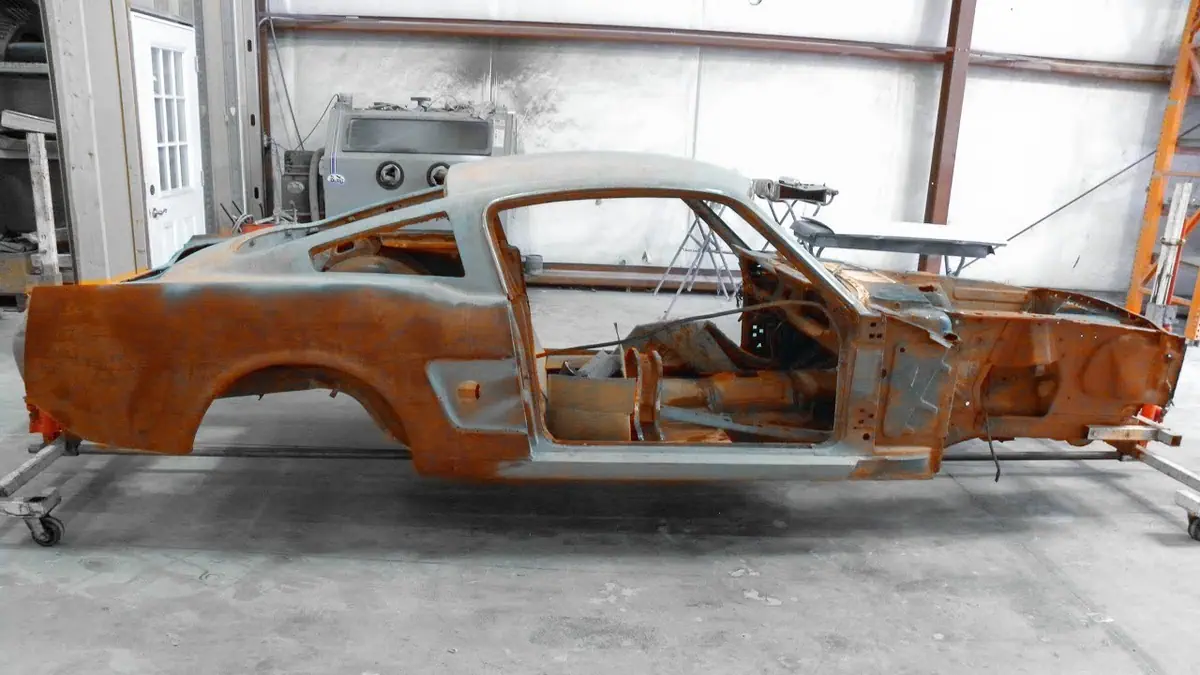
Body welding on heavily rusted vehicles is another job many technicians prefer to avoid. Rust can hide thin metal, weakened structural areas and holes that are impossible to see until the affected section is opened up.
A mechanic may repair one area only to discover additional corrosion underneath it. Customers often want the vehicle to look “like new” while keeping the bill as low as possible, but the true scope of rust repair usually cannot be determined until the damaged areas are exposed. That can make the final cost a nasty surprise for everyone involved.
7. Automatic Transmission Repairs on Older Japanese Cars
Rebuilding an automatic transmission in an older Japanese vehicle can be a job reserved for the most experienced transmission specialists. Automatic transmissions are complex machines, and finding the exact parts for an aging unit can be difficult.
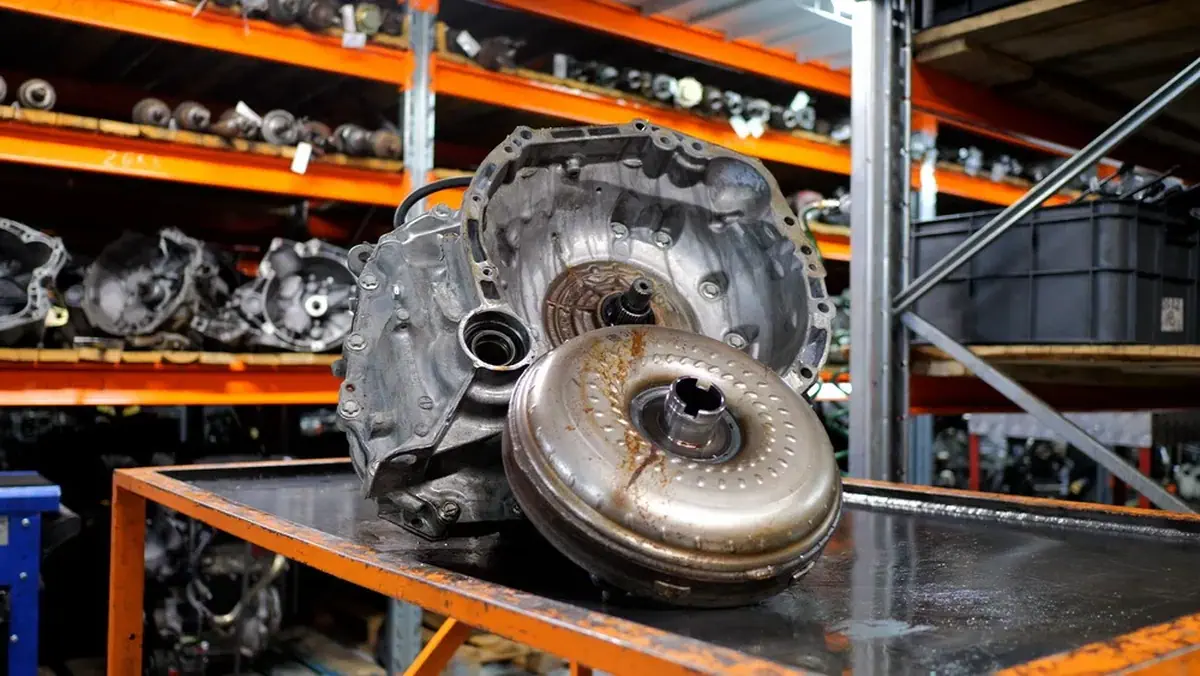
Diagnosis can also be extremely challenging. Fixing one internal problem may reveal another, and a technician can end up chasing multiple failures through a transmission that has already accumulated years of wear. When parts are difficult to source, the vehicle may sit in the shop for weeks while the repair is completed.
Mechanics who are willing to say “no” are often protecting both themselves and their customers from unnecessary expense and frustration. For vehicle owners, a shop refusing a repair does not automatically mean the mechanic is unwilling to work. In many cases, there is a legitimate reason behind the decision.
Before approving a difficult repair, it makes sense to ask about the likely total cost, how much diagnostic work will be required and whether the shop has experience with that particular vehicle or system. Choosing a repair facility with the right expertise and paying for a thorough diagnosis can ultimately save money.
As modern vehicles become increasingly complex, knowing when to turn down a job can be just as important for a repair business as knowing how to complete one. A professional refusal may not be a lost customer or a lost opportunity. Sometimes, it is simply the most practical way to prevent wasted time, unexpected costs and headaches for everyone involved.
You may also be interested in the news:
Your Brakes Squeal Every Morning? Here’s When That Noise Is Normal—and When It Could Mean Trouble
That sharp brake squeal first thing in the morning is often harmless—but persistent noise can point to worn or damaged brake components.

Your Car May Be Burning More Gas This Fall — Here’s the Surprising Reason Why
Colder temperatures, longer warm-up times and denser air can all cause your car to use more fuel in the fall.

The “Gas-Saving” Tricks That Could Destroy Your Car — And What Drivers Should Do Instead
Some fuel-saving tricks can backfire, costing drivers far more in repairs than they ever save at the gas pump.

328,000 Jeep Grand Cherokees Recalled Over a Hidden Crash Risk — Owners Should Act Now
Chrysler is recalling more than 328,000 Jeep Grand Cherokees over a rear coil spring problem that could increase the risk of a crash.
How to Protect Your Car Mirrors From Rain: A Simple Home Hack
A simple household product can help keep your car’s side mirrors clearer when rain makes visibility a challenge.