
Mercedes-Benz to Close Plants and Cut Wages as Workers Face Layoffs
Mercedes-Benz is preparing to restructure its business, including potential pay cuts, layoffs and even the closure of a factory.
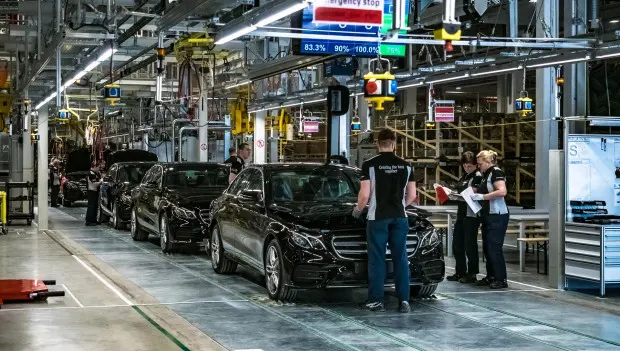
The German auto industry is going through an unusually difficult period. Until recently, most of the attention had been focused on Volkswagen, which is facing the deepest crisis in its history. But it is becoming increasingly clear that other German automakers are dealing with serious structural problems of their own.
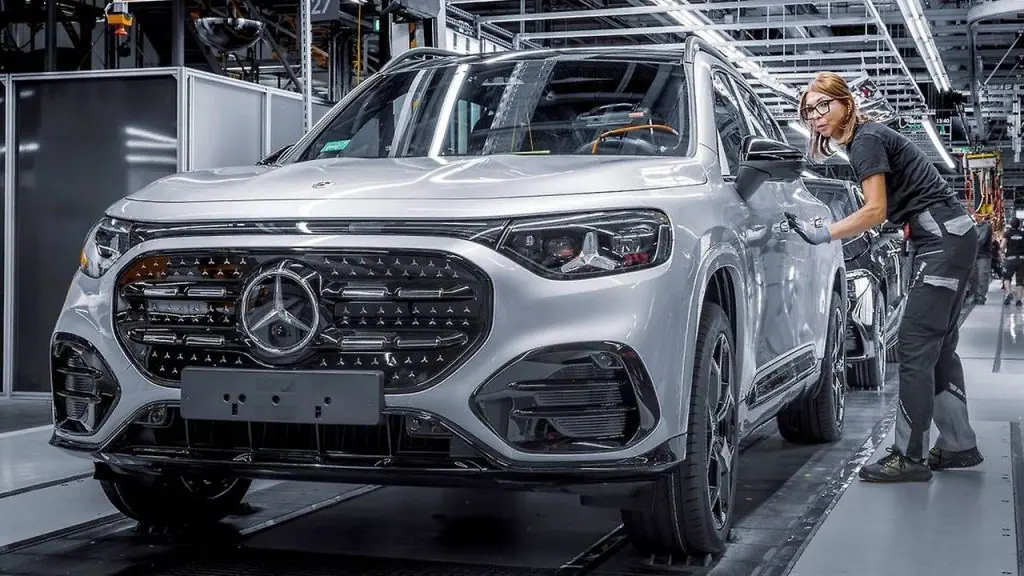
Mercedes-Benz recently gave employees a presentation highlighting just how much more expensive labor is in Germany than in Eastern Europe. According to the company, wages at its Romanian plants are nearly 82% lower than those paid to workers in Germany. The gap is 76.5% compared with Mercedes-Benz operations in Poland and 75% compared with Hungary. Importantly, all three countries border Germany.
Mercedes-Benz appears to have deliberately highlighted those wage differences as it negotiates with the powerful IG Metall union. The automaker is pushing for employees to move to a 40-hour workweek from the current 35 hours. But the company is looking for more than additional working hours. Mercedes-Benz management also wants to reduce Christmas bonuses and vacation pay as it searches for ways to bring down manufacturing costs.
If its proposals are rejected, Mercedes-Benz could be forced to consider even more unpopular measures. The company is reportedly prepared to build a new plant in Eastern Europe while potentially closing some facilities in Germany. Mercedes-Benz executives have already acknowledged that production at German plants could fall by around 100,000 vehicles between now and 2028.
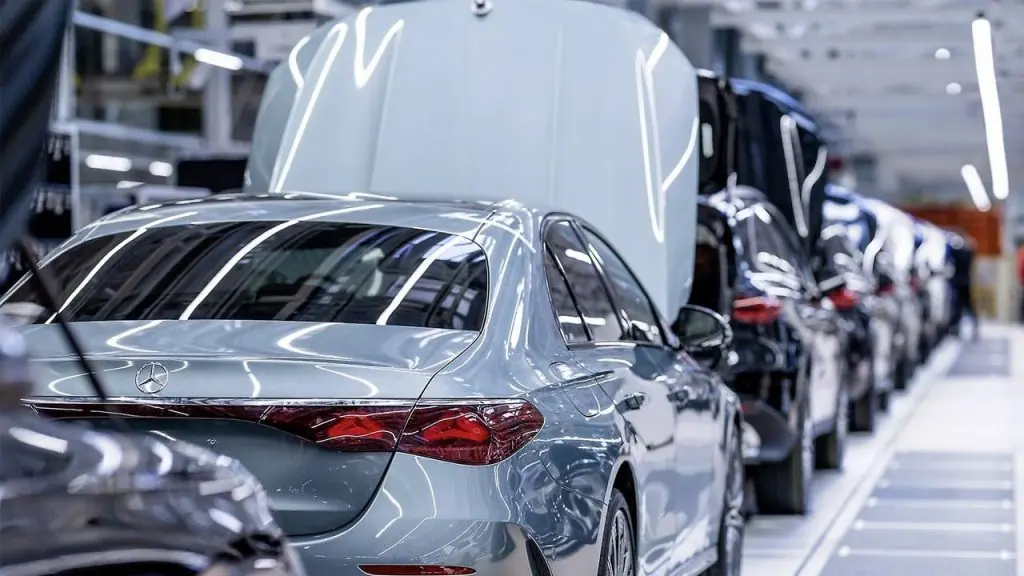
The company's problems are being compounded by declining sales. Global Mercedes-Benz deliveries fell 8% during the first eight months of 2026. China, its largest market, has been hit particularly hard, with sales plunging 30%. The steepest declines are coming from some of the brand's most profitable vehicles, including the S-Class and AMG models.
That leaves Mercedes-Benz with little choice but to aggressively pursue cost-cutting measures. Reducing labor expenses could free up significant resources at a time when Chinese automakers are rapidly expanding their presence around the world. Geely, for example, plans to begin producing premium vehicles at Volvo's European plants by 2028, adding another layer of pressure on established luxury automakers.
You may also be interested in the news:
“Are You Sure It’s Chinese?” Who Really Builds China’s Car Engines
Who Really Develops China’s Car Engines?
Nissan Restarts US-Made Murano, Pathfinder, Frontier Sales in Canada
Nissan resumed Canadian sales of three U.S.-built models, but tariffs keep supply below earlier levels.
These 5 Mercedes-Benz Models Can Look Like Bargains — Until the Repair Bills Arrive
These five used Mercedes-Benz models have reported issues that could turn an attractive bargain into an expensive ownership headache.

Mercedes G-Class Loses Its Roof and Gains 800 HP in Brabus' Wildest SUV Yet
Brabus has unveiled a new open-top SUV based on the Mercedes-Benz G-Class, packing 800 horsepower and serious off-road capability.

Suzuki Wants to Develop New Cars Twice as Fast—And AI Will Help Make It Happen
Suzuki is planning a major overhaul of vehicle development as it looks to bring new models to market faster.