
Suzuki Wants to Develop New Cars Twice as Fast—And AI Will Help Make It Happen
Suzuki is planning a major overhaul of vehicle development as it looks to bring new models to market faster.

Suzuki has unveiled a 10-year development strategy that will significantly change the way the Japanese automaker designs and builds vehicles. One of the company's biggest goals is to dramatically reduce the time required to bring new models from the drawing board to production.
The strategy centers on three major targets. Suzuki wants to cut vehicle development time in half by the beginning of the next decade while improving development efficiency by 30% and manufacturing efficiency by 50%.
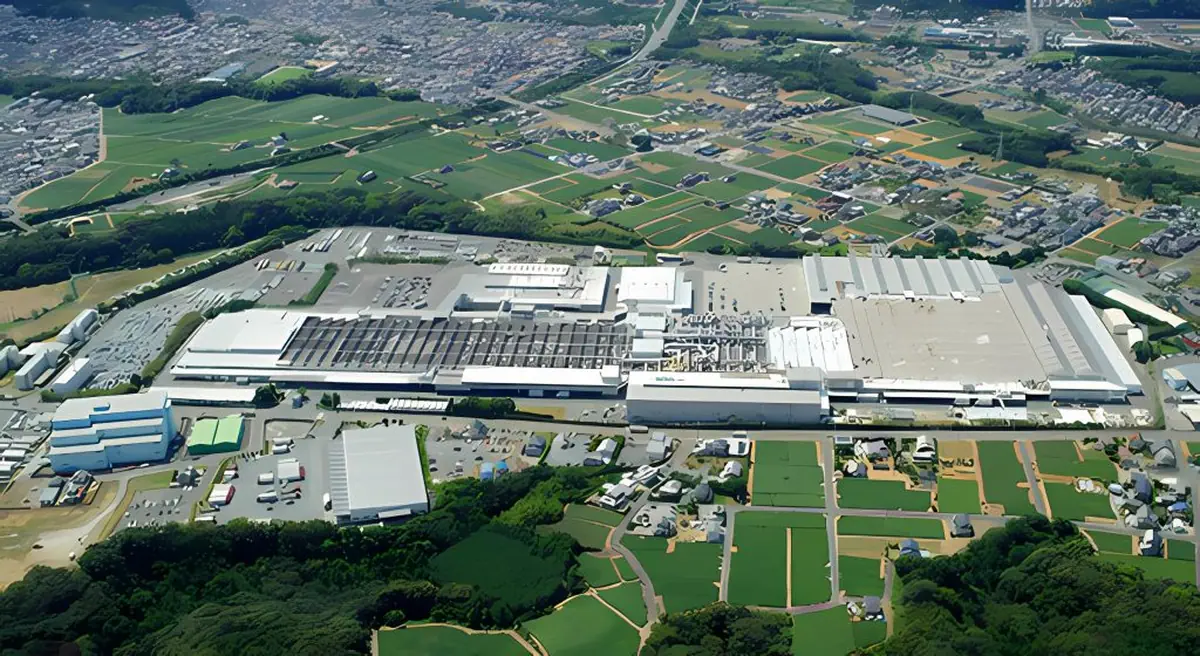
The company currently spends roughly 40 to 48 months developing a new vehicle. Suzuki wants to bring that figure down to about 24 months by the end of the decade.
Reaching that goal will require changes well beyond the engineering department. Suzuki plans to overhaul its management and development processes so that different teams can work together much earlier in a vehicle's development.
The automaker will rely more heavily on parallel development, with teams responsible for planning, design, manufacturing, quality control and purchasing working simultaneously from the earliest stages of a project.
Suzuki also plans to make greater use of standards, engineering data and research accumulated over decades. Much of that knowledge will be moved into digital systems, allowing engineers to reuse existing solutions instead of starting from scratch with every new vehicle.
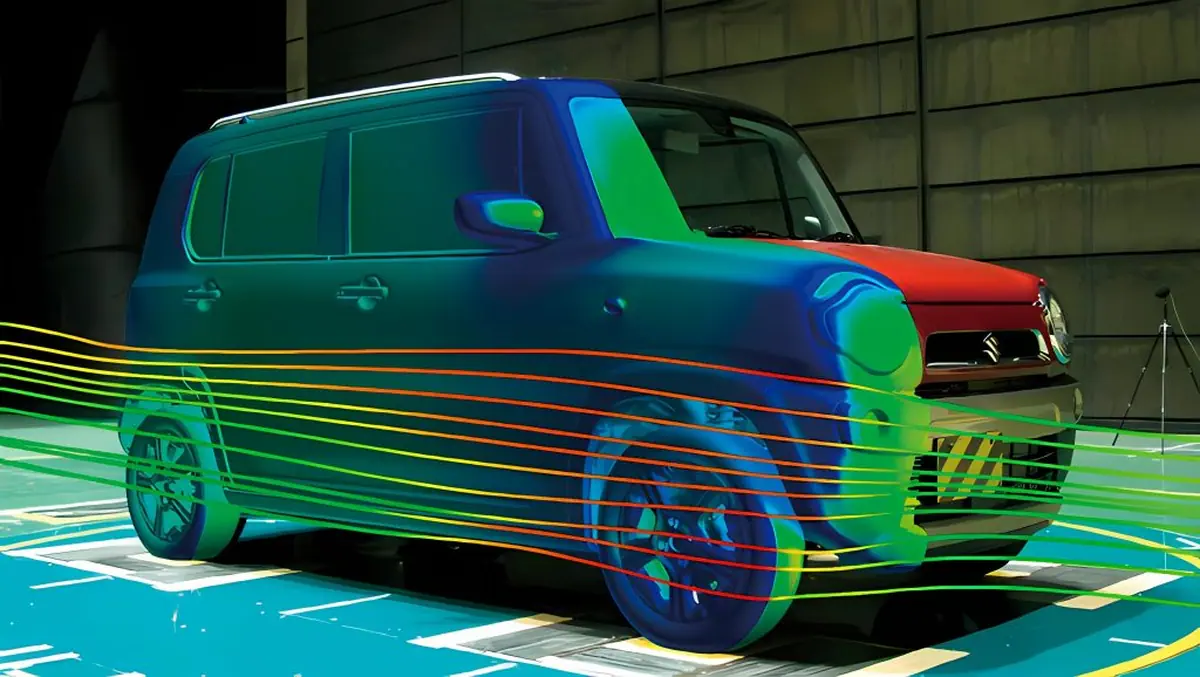
Artificial intelligence will play an increasingly important role in the process. Suzuki expects AI and digital development tools to reduce the number of physical prototypes needed for testing, potentially saving both time and resources.
The company also plans to increase the use of shared modules and common components across its vehicle lineup. Greater standardization could allow Suzuki to develop multiple models more efficiently while maintaining differences in size, design and equipment for individual markets.
Suzuki says future vehicles will also be developed with specific regional requirements in mind. Local customer preferences, available resources, infrastructure and other market conditions will play a larger role in determining how new models are designed.
The automaker is developing its own electrical architecture that is intended to support vehicles across multiple segments, from small city cars to larger vehicles. At the same time, Suzuki says hybrids will remain an important part of its strategy.
The company also plans to expand and strengthen its global manufacturing network. Japanese production facilities will remain at the center of the operation, but Suzuki is placing particular emphasis on expanding its manufacturing capabilities in India.
The broader strategy reflects a major shift taking place across the global auto industry. Automakers are under increasing pressure to develop new vehicles faster while keeping development and manufacturing costs under control.
By combining shared vehicle architecture, digital engineering, AI and parallel development, Suzuki hopes to dramatically shorten the road from an early concept to a production-ready vehicle.
You may also be interested in the news:
Honda Is Rethinking Its Future SUVs—and a Massive New Ohio Plant Is Coming
Honda is planning a major Ohio expansion as it shifts its future lineup toward larger hybrid SUVs.
Why Small Turbo Engines Are Replacing Big V8s—and What It Means for Your Next Car
Turbochargers let automakers squeeze big-engine performance from smaller engines—but the technology comes with trade-offs.
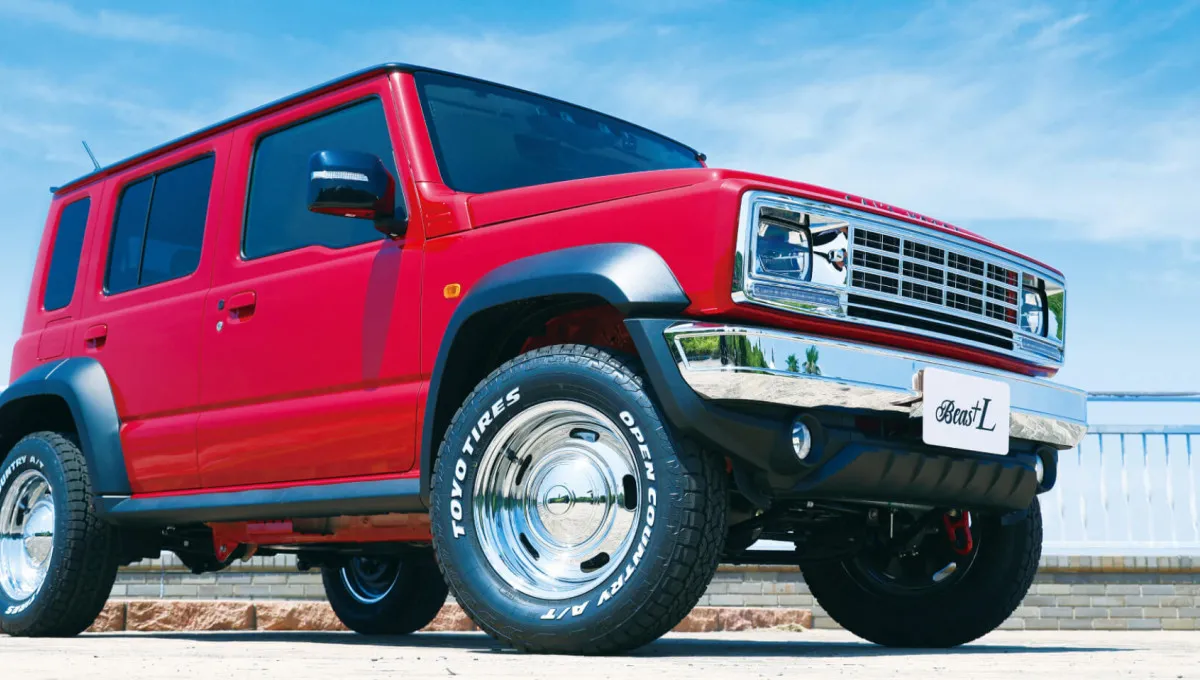
This Tiny Suzuki Jimny Just Got a Chevrolet K5 Blazer Makeover—and It’s Surprisingly Convincing
Alpine Style has transformed the five-seat Suzuki Jimny Nomad into a retro-inspired off-roader modeled after 1970s American SUVs.
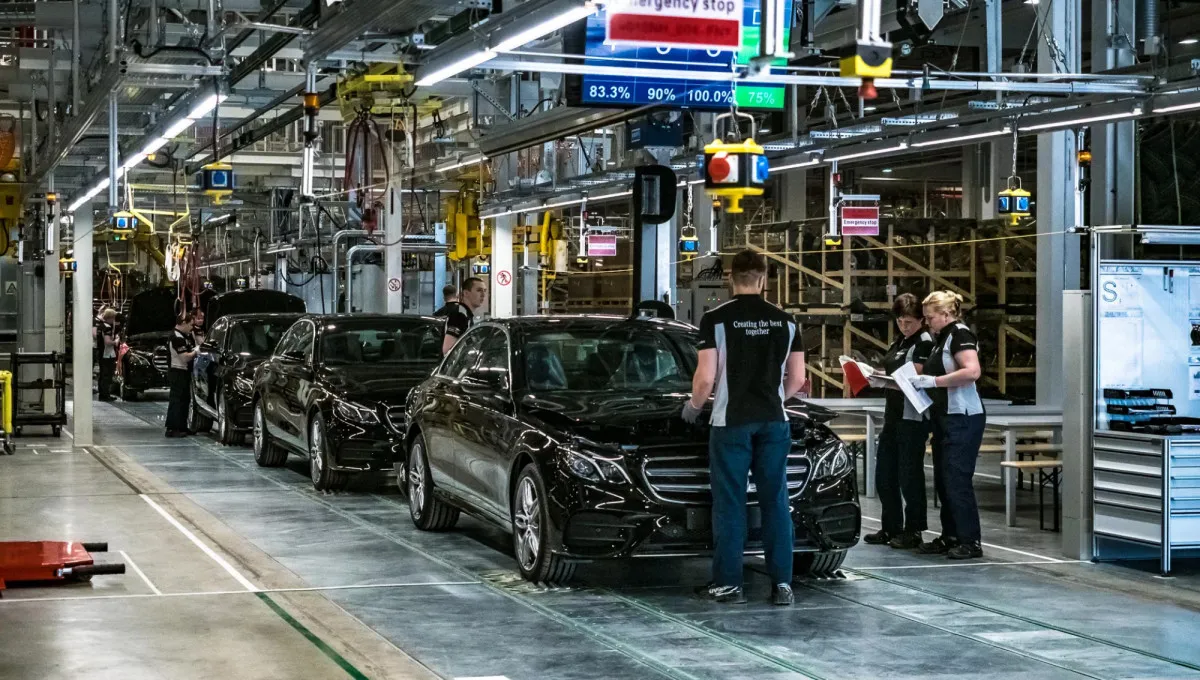
Mercedes-Benz to Close Plants and Cut Wages as Workers Face Layoffs
Mercedes-Benz is preparing to restructure its business, including potential pay cuts, layoffs and even the closure of a factory.
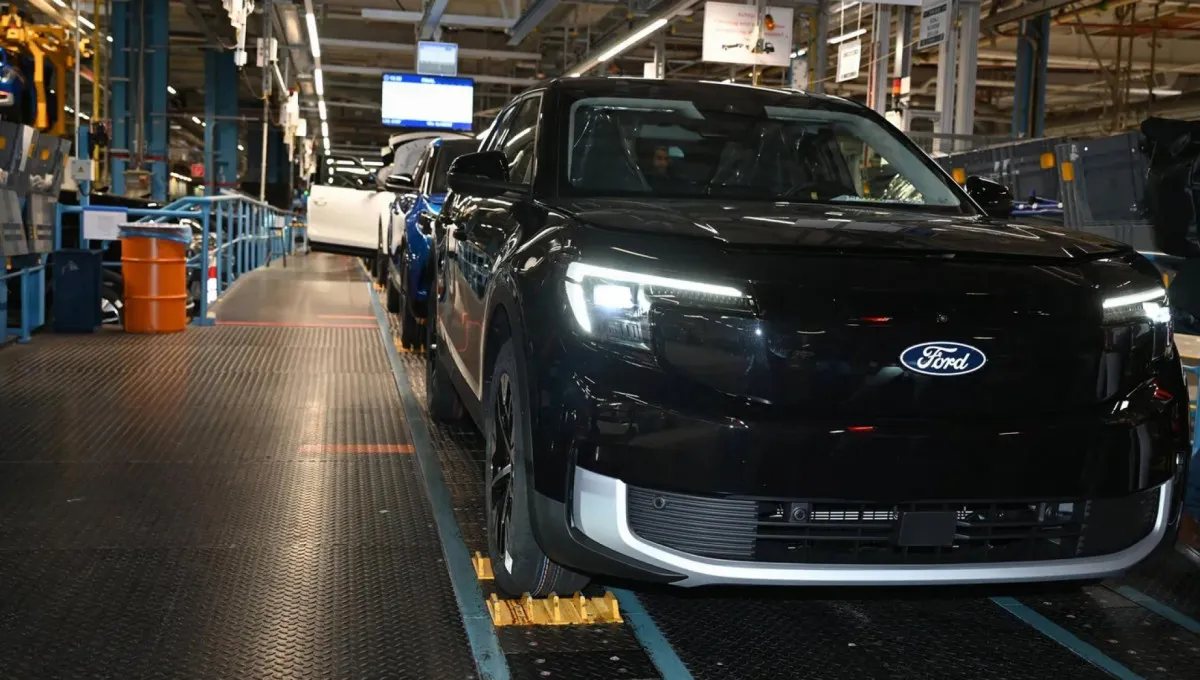
U.S. Officials Demand Ford Cut Its Technology Ties With China
U.S. Transportation Secretary Sean Duffy urged Ford to end partnerships with Chinese companies over technology and national security concerns.