
Tesla Patents Laser Windshield Wipers Again in 2026
Tesla is once again pursuing laser windshield cleaning, but the technology raises serious questions about cost, reliability and safety.
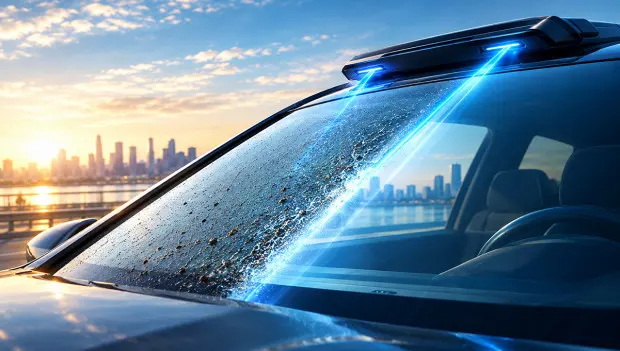
Tesla has once again patented a laser-based system designed to clean glass, potentially replacing conventional windshield wipers and washer fluid. On paper, the idea sounds futuristic. In practice, it raises more questions than excitement: The system would be complex, expensive and potentially difficult to make fail-safe. So why does Tesla keep pursuing the concept, and what could it mean for everyday drivers?
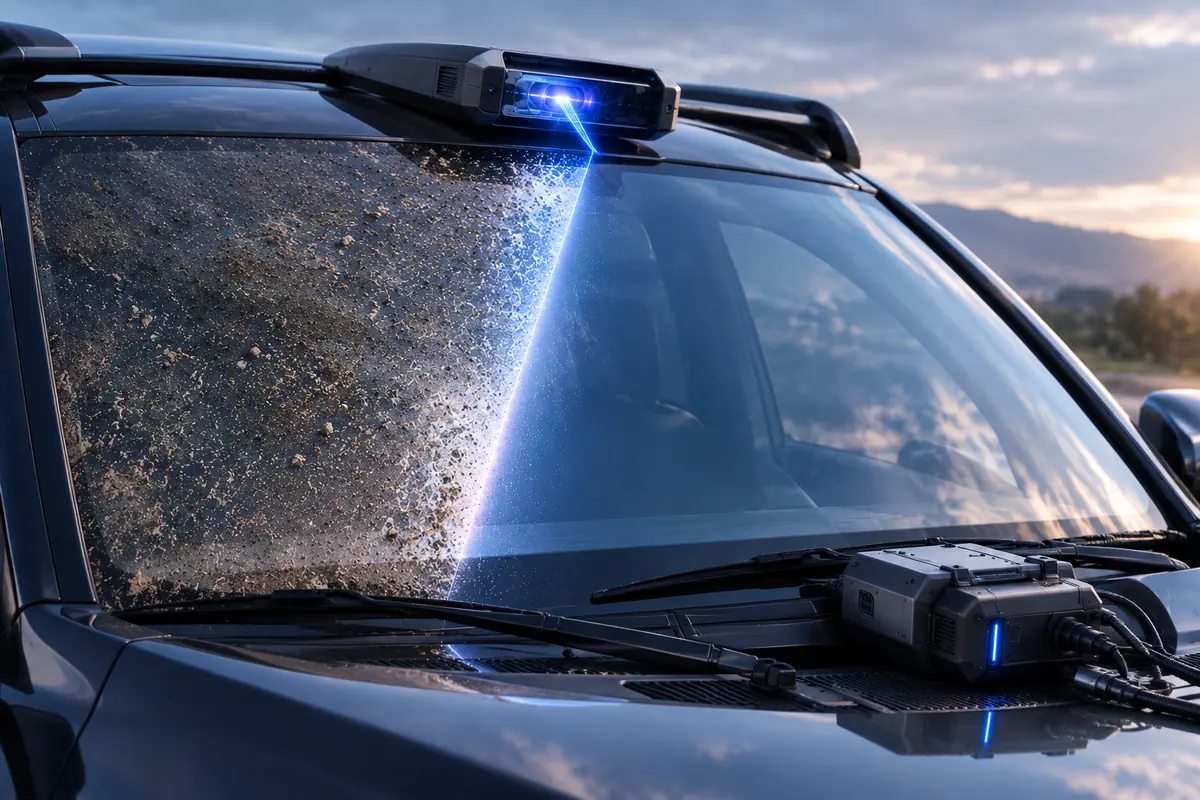
In 2026, Tesla filed another patent application for a laser-based glass-cleaning system. The application, No. 2026/0257648 A1, has been published in the U.S. Patent and Trademark Office database. On paper, it's another attempt to move beyond traditional wiper blades and windshield washers. In reality, it's a patent for laser cleaning of transparent surfaces—not exactly a revolutionary new invention. The basic concept has been around for years, but Tesla clearly hasn't abandoned it.
How Would Tesla's Laser Wipers Work?
The system would use a laser to locate dirt, water droplets or insect residue and target those contaminants on the windshield, cameras or other sensors. Cameras and other sensors would determine exactly where cleaning is needed.
It sounds impressive in theory. The reality is considerably more complicated.
Tesla's patent specifically addresses the possibility of damaging the glass. The laser would have to be controlled so it doesn't burn through or otherwise damage the windshield. The proposed solution includes specialized coatings and limits on laser power.
The technology could also have applications outside automobiles. The patent once again suggests using a similar system to clean residential solar panels, for example.
That's where the biggest questions begin.
A system capable of safely targeting contaminants with a laser would require sophisticated electronics, precise calibration and additional hardware. A malfunction could potentially damage the glass or create a safety issue rather than simply leaving a dirty windshield.
The patent specifically calls for calibration to prevent the laser from penetrating the glass. Protective coatings would also be needed to help prevent surface damage.
And then there's the cost. Conventional windshield wipers are remarkably simple, inexpensive and easy to replace. A laser-cleaning system would be considerably more complicated.
It also isn't clear how well the concept would handle the messiest conditions drivers encounter. Heavy dirt, road salt, mud, snow and other debris can cover a windshield in seconds. A laser may be able to target individual contaminants, but that doesn't necessarily make it a practical replacement for a pair of wiper blades.
In those situations, conventional wipers still have a major advantage: They're simple and proven.
Tesla's New Patent Looks Familiar
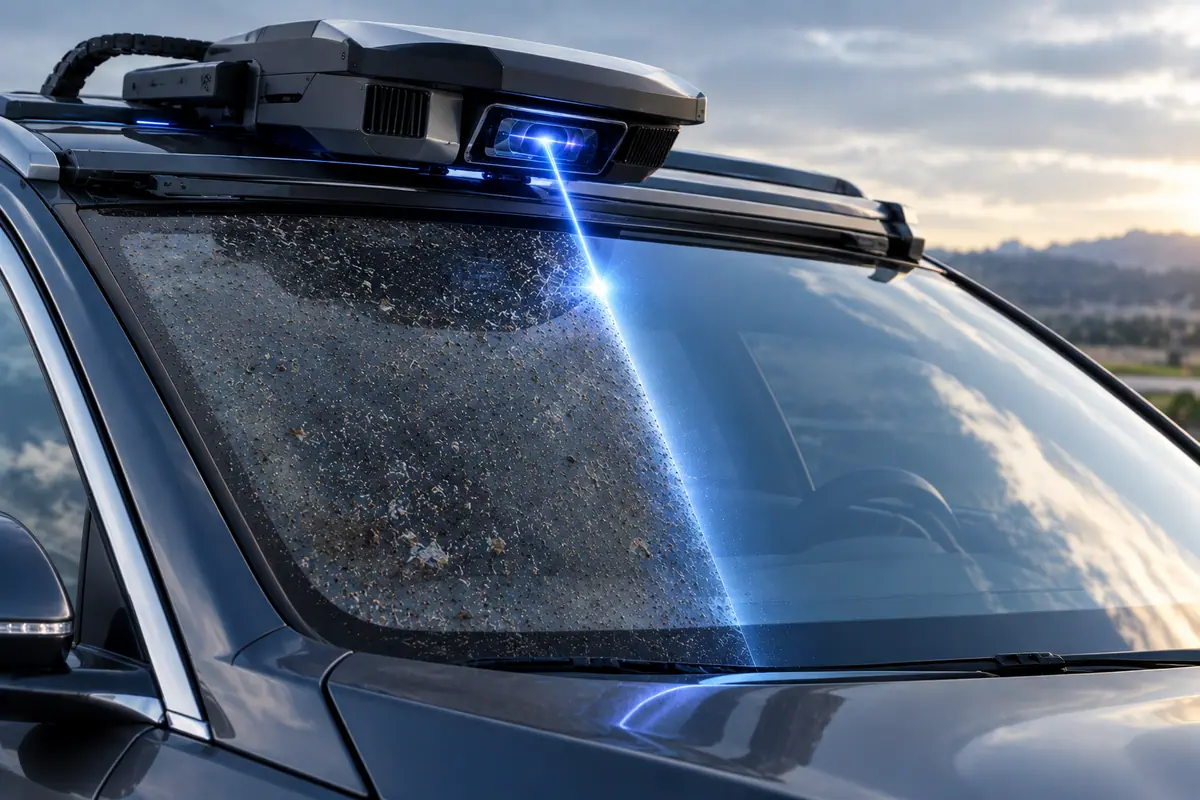
What's particularly interesting about the 2026 patent is how closely it resembles Tesla's earlier application from 2021. The illustrations are reportedly similar, and the inventor's name is the same.
In other words, Tesla appears to be pursuing essentially the same concept again with relatively minor changes. The company hasn't explained why it returned to the idea.
One possibility is simply that Tesla wants to preserve its intellectual-property position around the concept, even if a production system remains years away. The latest patent again mentions potential applications for cleaning solar panels, along with protective coatings and power limitations intended to improve safety.
Tesla has never been shy about experimenting with conventional automotive design. Flush door handles, large touchscreens and minimalist interiors have become part of the company's signature approach. Some of those ideas have caught on, while others have created their own compromises.
Laser windshield cleaning would take that philosophy considerably further.
For now, there's no indication that Tesla is about to replace the wipers on its production vehicles with lasers. A patent protects an idea; it doesn't guarantee that the technology will ever reach a showroom.
For drivers, that means the humble windshield wiper isn't going away anytime soon. And given the cost, complexity and safety challenges involved, a good old-fashioned set of blades may remain the more sensible solution for quite a while.
All images are for illustrative purposes only. Actual products may vary slightly from the images shown.
You may also be interested in the news:
Forget the Key Fob: Apple Car Key Could Soon Expand to More Vehicles
Apple and automakers have yet to reveal the exact models or launch dates for the expanded digital-key feature.
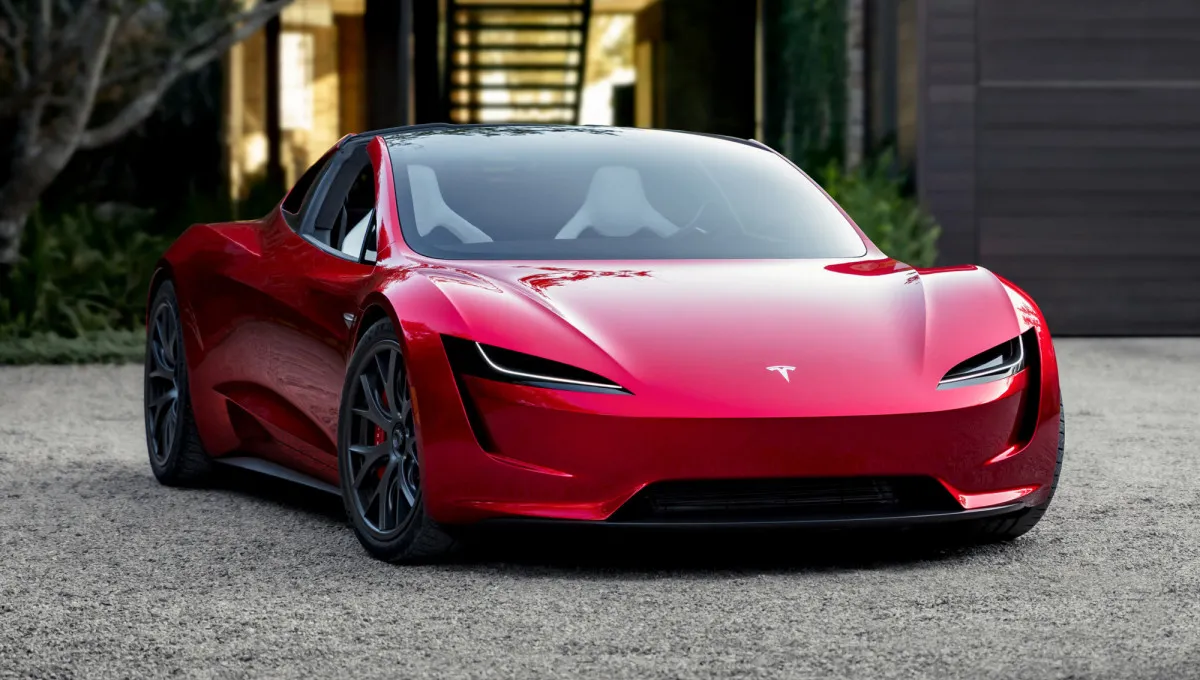
Tesla Will Unveil the Roadster on October 2. Teaser Hints at SpaceX Thrusters
Tesla has officially confirmed that the long-awaited second-generation 2026 Roadster will finally be unveiled on October 2.
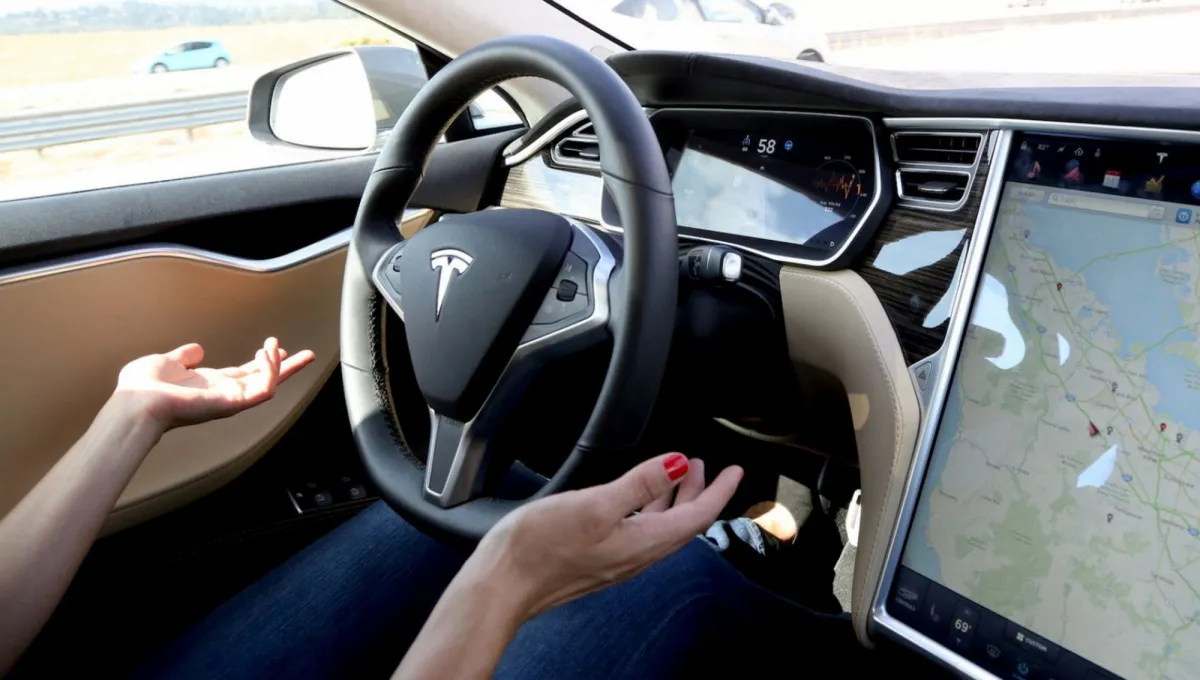
She Thought Her Tesla Was Acting Strange. ‘I’m in Your Car’: Man Used a Tesla App to Harass His Ex
A man remotely controlled his ex-partner’s Tesla, changed its settings, and restricted how fast she could drive.
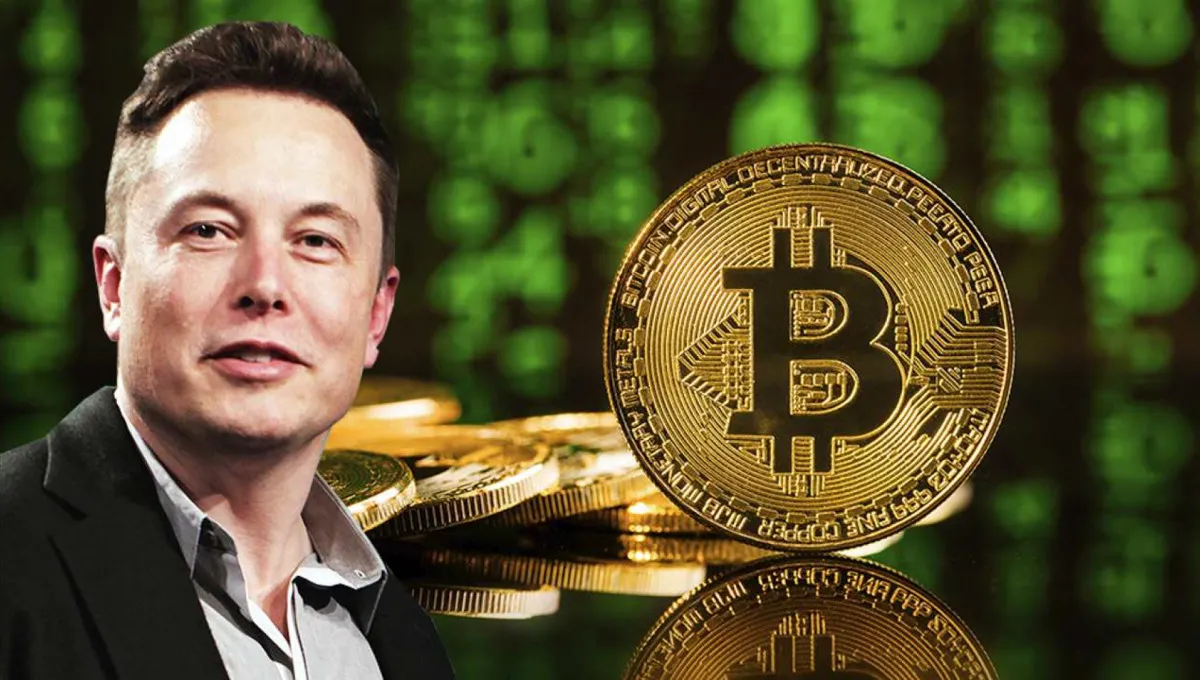
Elon Musk’s 2025 Tesla Pay Could Buy Nearly 10% of Bitcoin’s Maximum Supply
Elon Musk’s 2025 Tesla compensation could have bought nearly 10% of Bitcoin’s maximum supply at May’s price.
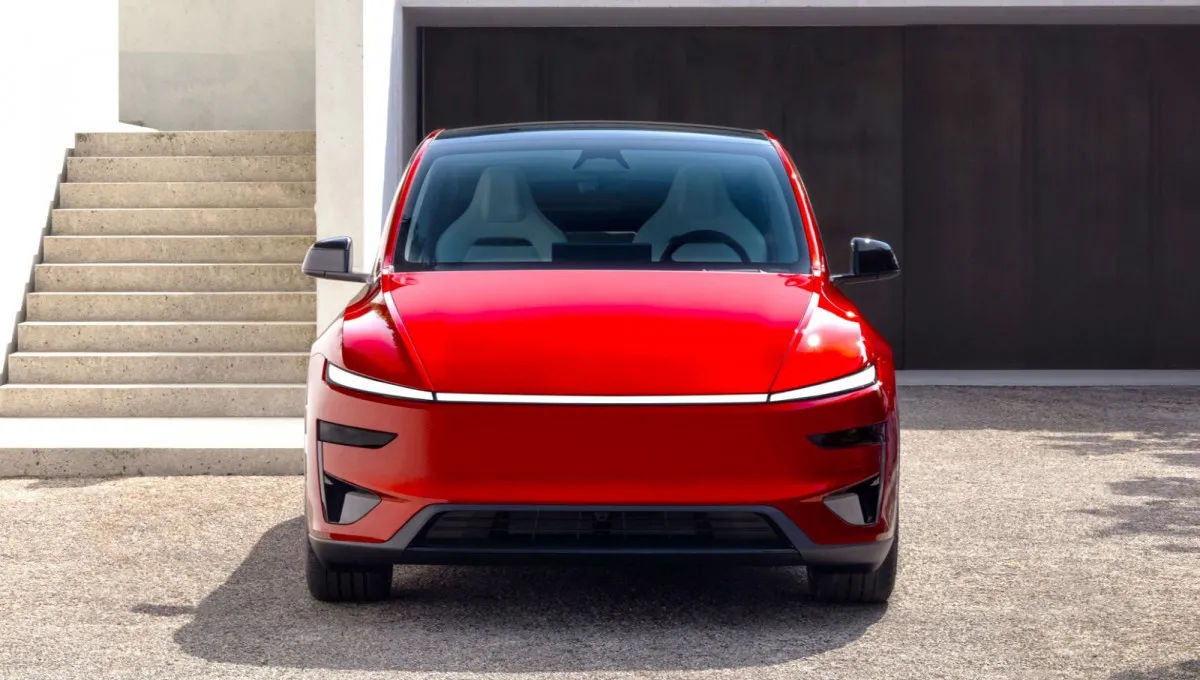
Tesla Recalls 2026 Model Y Over Front Suspension Fasteners That Could Affect Steering
Tesla has recalled select 2026 Model Y vehicles after front suspension fasteners were found improperly tightened during assembly.