
The Worst Cars in the World: A History of Automotive Failures and Disappointments
The auto industry has produced countless groundbreaking models, but some cars became infamous for all the wrong reasons.
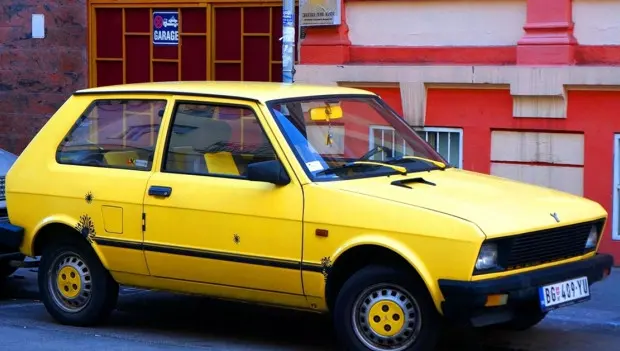
Throughout automotive history, automakers have introduced models that became symbols of progress, performance and style. But the industry has also produced its share of spectacular failures. Some cars earned their notoriety not because of what they did well, but because of their poor reliability, questionable engineering and lack of basic comfort.
So which car deserves to be called the worst of them all? A few notorious models stand out.
Contenders for the Worst Car Ever
Yugo GV — 1980s
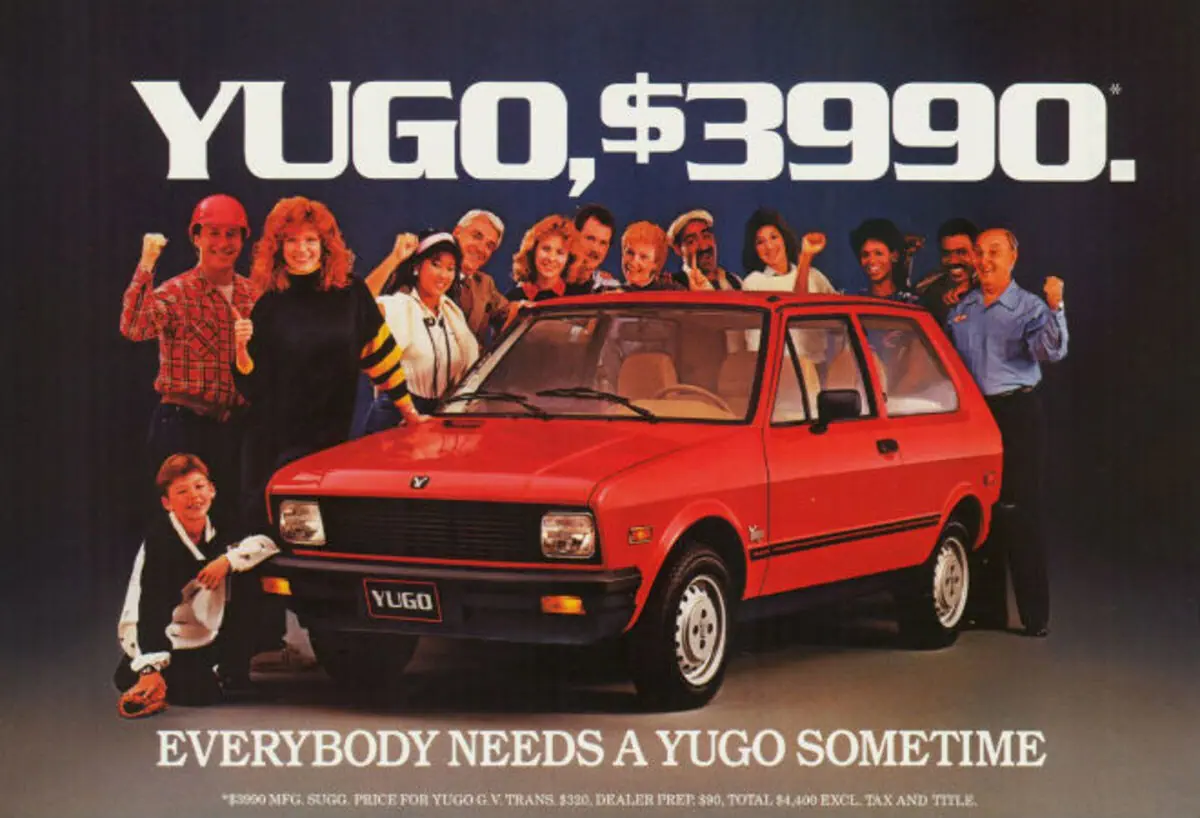
The Yugo GV became one of the most infamous cheap cars ever sold in the United States. Imported from Yugoslavia during the 1980s, the subcompact attracted buyers with its remarkably low price.
The problem was that the bargain often came with disappointing build quality and reliability. Owners reported frequent mechanical problems, poor fit and finish, and a generally spartan driving experience. The Yugo quickly became the butt of jokes, appearing in popular culture as shorthand for a terrible car.
Its reputation became so bad that the Yugo eventually became more famous for its failures than for its affordability.
Ford Pinto — 1970s
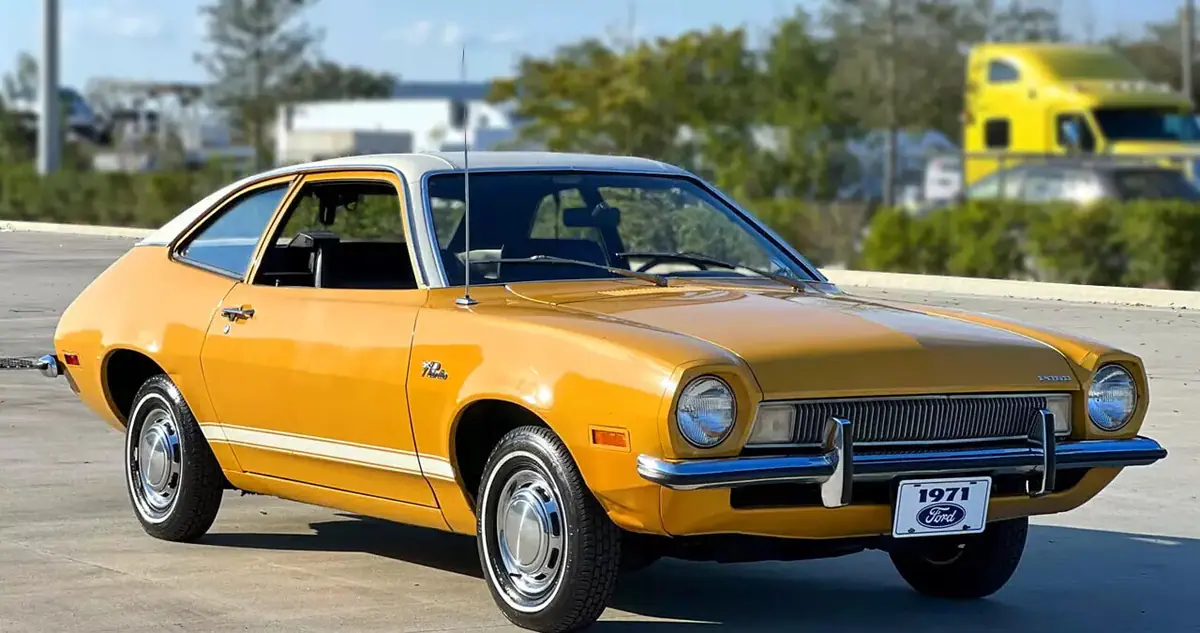
The Ford Pinto is remembered for one of the most controversial safety issues in American automotive history. Its fuel-tank design left the car vulnerable to fires in certain rear-end crashes.
The resulting accidents, lawsuits and safety controversy badly damaged the Pinto's reputation. Ford eventually introduced safety improvements, but by then the damage to the model's image had already been done.
The Pinto remains a lasting example of how cost-cutting decisions can have serious consequences when vehicle safety is involved.
Trabant — 1957-1991
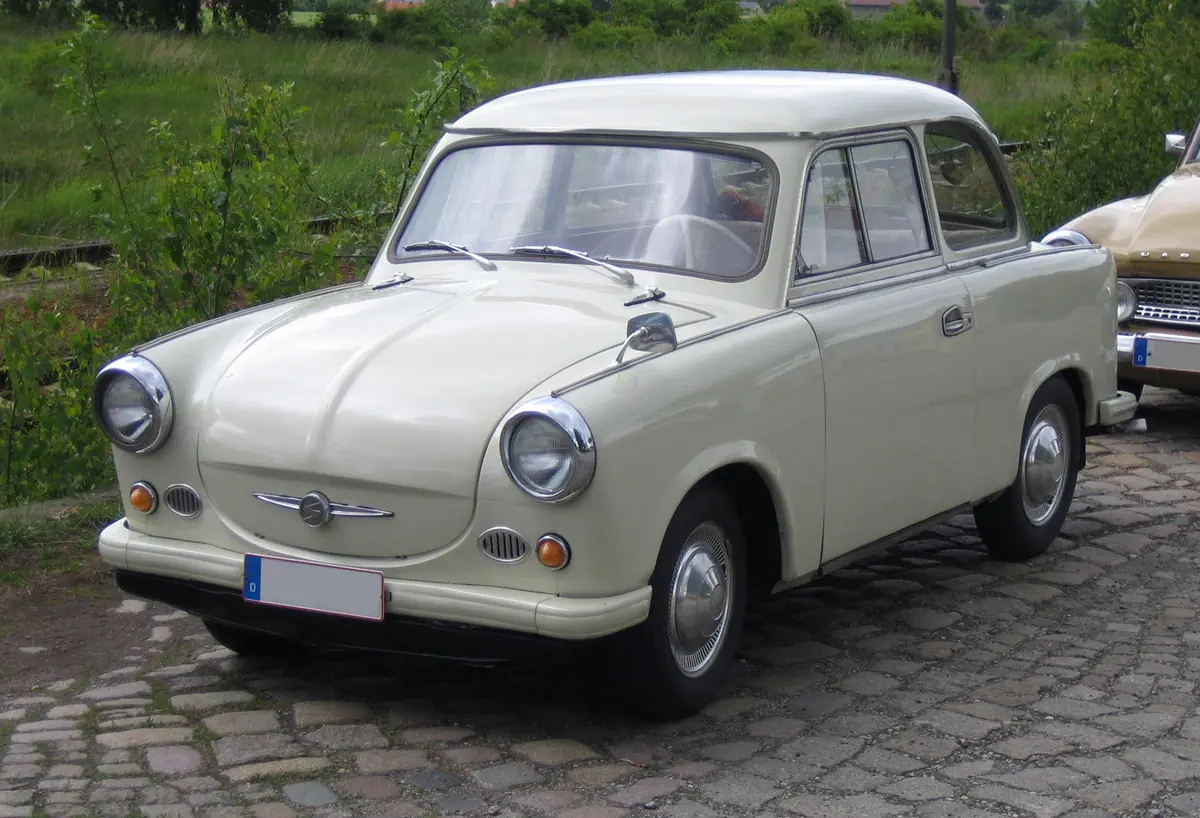
The Trabant became one of the defining cars of East Germany. Its simple construction, underpowered engine and body panels made from Duroplast—a composite material made partly from cotton fibers and resin—reflected the limitations of the automotive industry behind the Iron Curtain.
The car has historical and cultural significance, but by modern standards its performance, refinement and construction were extremely basic. The Trabant eventually became a symbol of the technological gap between Eastern and Western European cars.
Lada Riva — 1970s-1990s
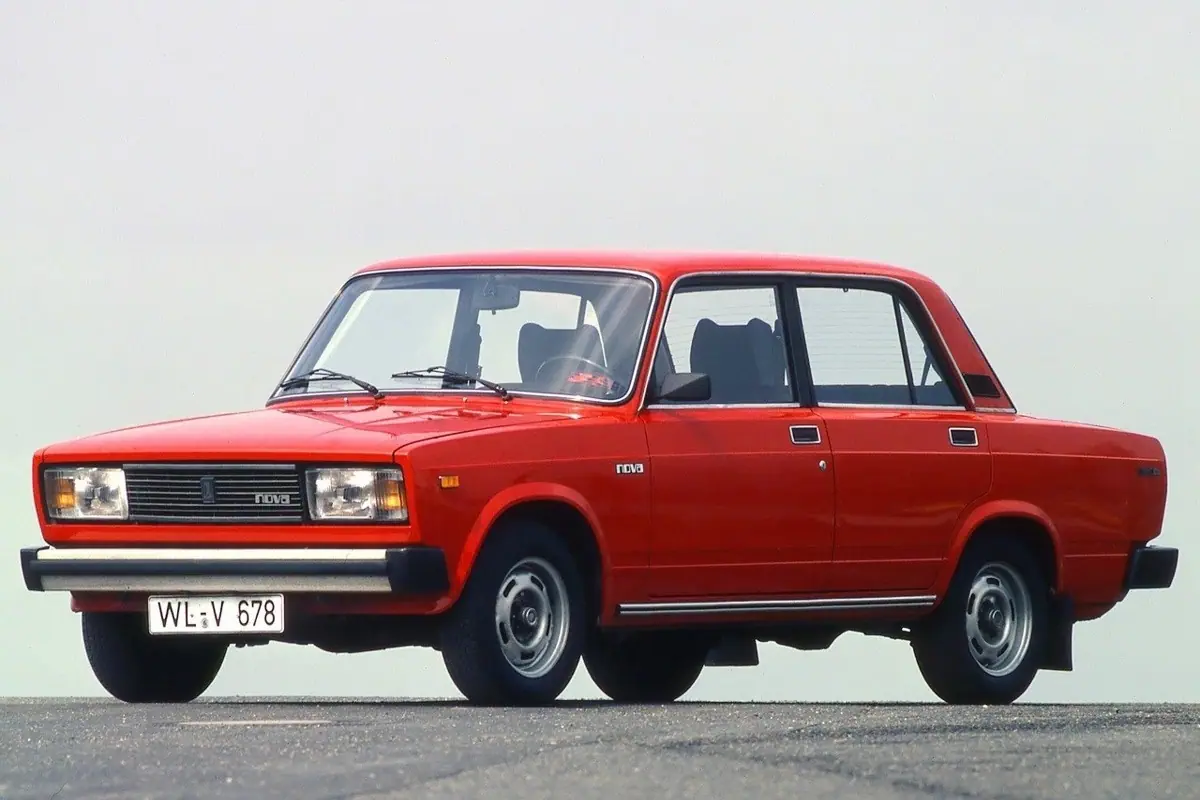
The Lada Riva, sold under several names and based on the Fiat 124 design, became a familiar sight in parts of Europe and other international markets. It was inexpensive and mechanically simple, but its basic design remained largely unchanged for decades.
Its dated styling, rudimentary interior and modest levels of refinement made it increasingly difficult to compete with newer vehicles. Although the Riva developed a reputation for mechanical simplicity and durability in some markets, it also became associated with outdated technology and low-cost motoring.
The Winner: Yugo GV
Among these infamous contenders, the Yugo GV has perhaps the strongest claim to the title of the worst car ever sold in America.
Its combination of poor build quality, frequent breakdowns, minimal comfort and an ultra-cheap image turned the Yugo into an automotive punchline. It demonstrated that simply making a car inexpensive to buy does not guarantee that it will be inexpensive—or pleasant—to own.
The Yugo's legacy ultimately became much bigger than its sales numbers. It remains one of the most recognizable examples of an automotive product that failed to meet American buyers' expectations.
Why Did These Cars Become Known as the Worst?
Several common factors helped turn these models into automotive cautionary tales.
- Outdated manufacturing: Some of these cars were built using aging production methods and inexpensive materials, contributing to quality and reliability problems.
- Decades-old designs: Models such as the Trabant and Lada Riva remained in production for decades with relatively few major changes, leaving them far behind newer competitors.
- Safety compromises: The Ford Pinto became a notorious example of the consequences that can follow when manufacturing costs and safety priorities collide.
- Minimal comfort: Many of these cars offered little in the way of refinement, convenience or driving comfort, making them increasingly unattractive as consumer expectations changed.
Not every car on this list was objectively terrible in every respect. Some were inexpensive, practical or historically important for their markets. But when reliability, safety, comfort and overall quality are considered together, these models have earned a permanent place in automotive history—for reasons their manufacturers probably would have preferred to forget.
You may also be interested in the news:

It Confuses Many Drivers: What Does the Road Sign With a Thumbs-Up Mean?
This unusual sign appears near highway entrances, tunnels and other locations where roadside stops can create serious safety hazards.
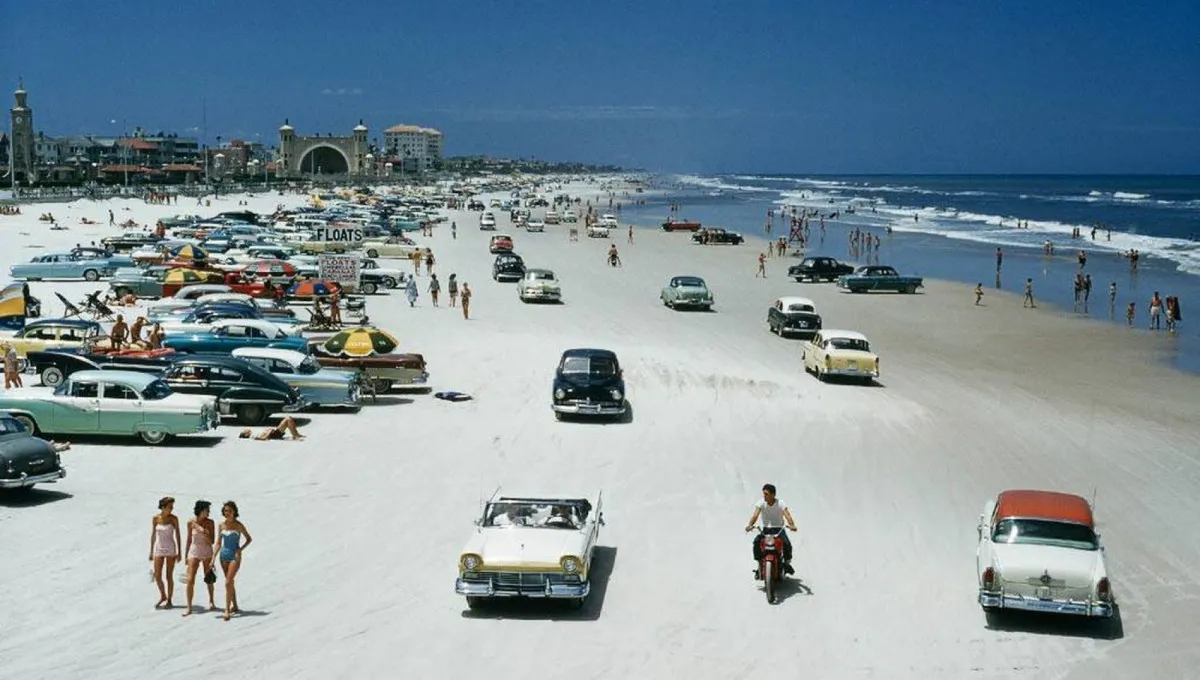
How Much Did American Cars Cost in the 1950s, and Who Could Afford Them?
American cars of the 1950s were large, powerful, and heavily chromed, but how much did they actually cost, and who could afford them?
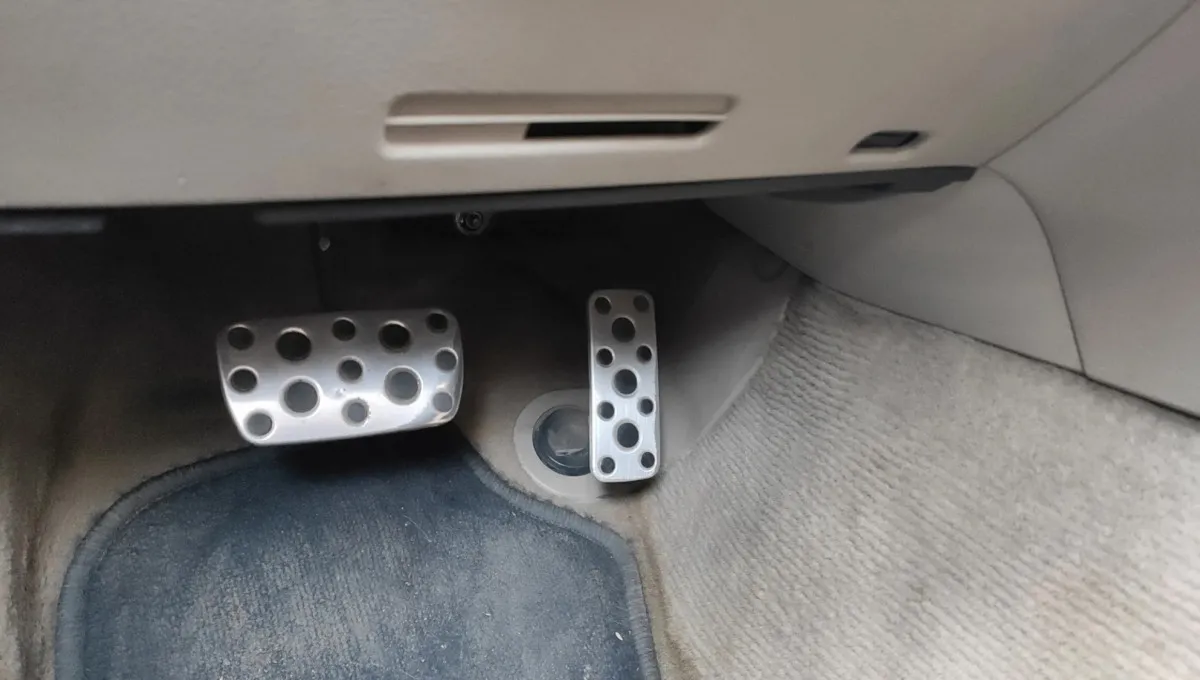
We Know What the Button Behind Your Gas Pedal Does — And It's Even Found in Manual-Transmission Cars
Modern cars are packed with hidden features, and one small button behind the accelerator pedal can serve a surprisingly important purpose.
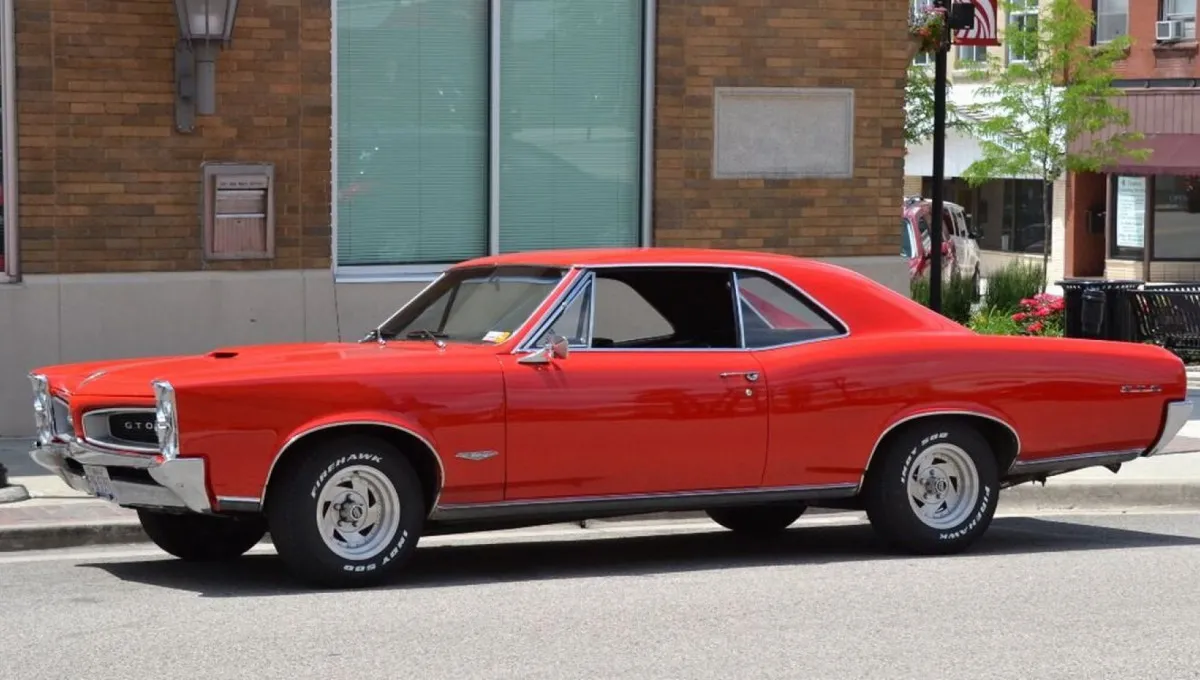
Pontiac GTO — Every American Teenager’s Dream in the 1960s
In 1964, Pontiac created a new kind of American performance car by putting a big-block V8 into the Tempest and launching the muscle car era.
“VW on the Outside, Porsche Underneath”: The Story of the Failed EA-128 Sedan
A little-known Volkswagen prototype combined a large sedan body with Porsche 911 hardware in an attempt to enter the upscale market.