
Toyota Wanted a Reliable Engine — It Accidentally Built a 2,000-HP Monster
Toyota engineers may have gone too far with durability — and accidentally created the ultimate engine for hot-rodding.
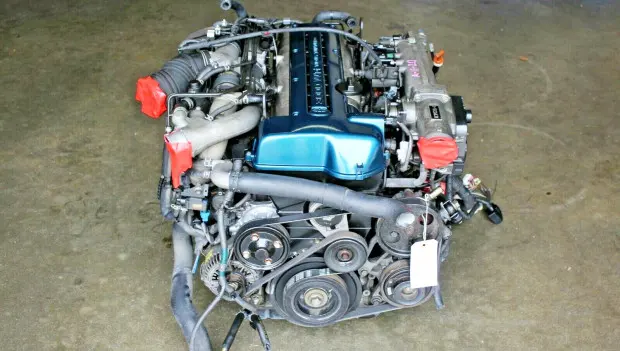
While modern engines can be pushed to the edge by a single aggressive tune, the 2JZ can shrug off 80 psi of boost, reinforced blocks and hundreds of thousands of miles. Toyota engineers may have gone too far with durability — and accidentally created the ultimate engine for hot-rodding.
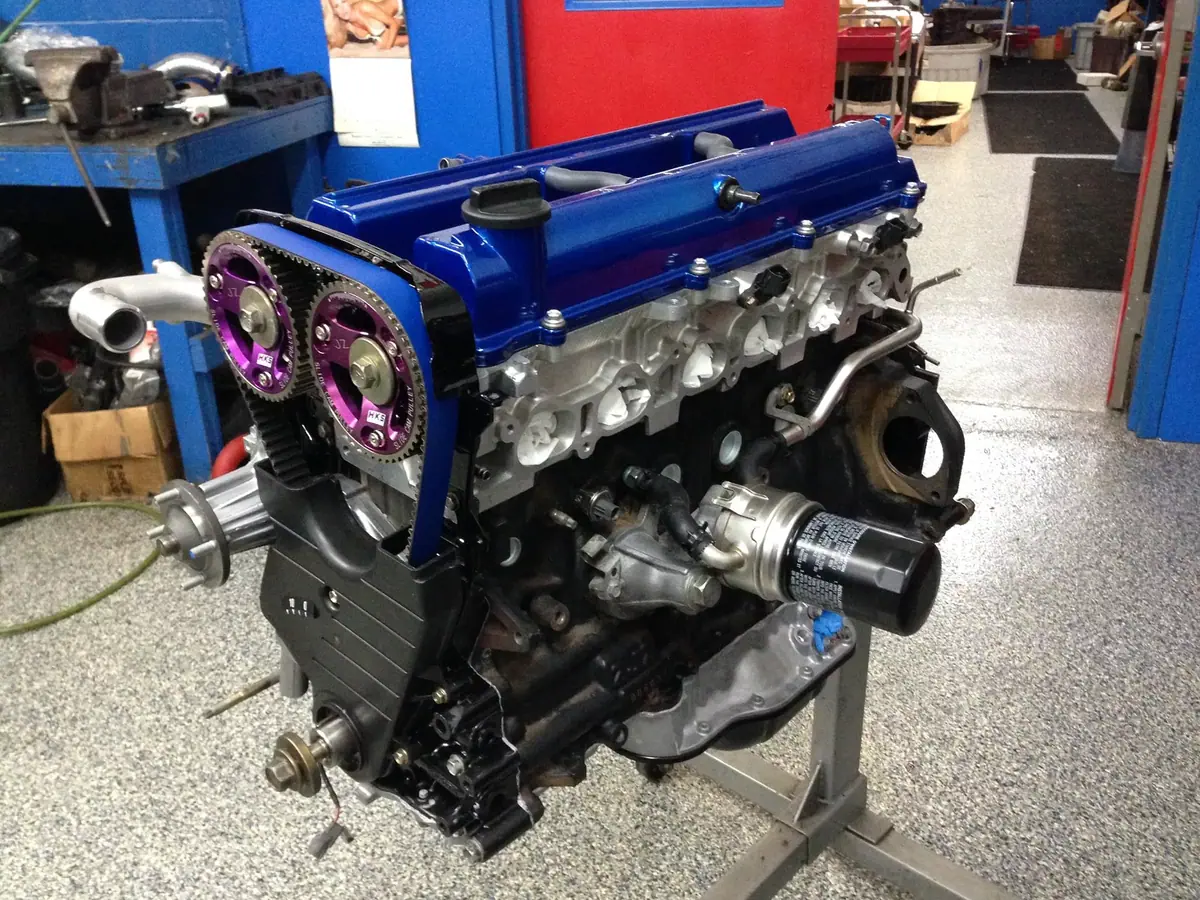
In the early 1990s, Toyota was preparing an answer to Japan's turbocharged performance cars and designed a new 3.0-liter inline-six with enough durability to potentially last 300,000 miles. The focus was reliability rather than extreme power, and that approach produced one of the most legendary engines ever built. A thick-wall cast-iron block, forged-steel crankshaft with massive main journals, sturdy connecting rods and pistons, and a relatively simple valvetrain with hydraulic lifters gave the engine a level of mechanical headroom that owners of many modern powerplants can only dream about.
Once it became clear that the factory-rated 320 horsepower was just the starting point, extracting more power didn't require complicated internal modifications. Swap the two factory turbochargers for a single large turbo, upgrade the exhaust and engine management, and the 2JZ can produce roughly 800 horsepower at the wheels. The transmission doesn't necessarily have to be replaced, either. With an upgraded clutch, the factory six-speed manual can handle roughly 1,200 to 1,300 horsepower, while some specialists claim it can survive outputs approaching 1,900 horsepower.
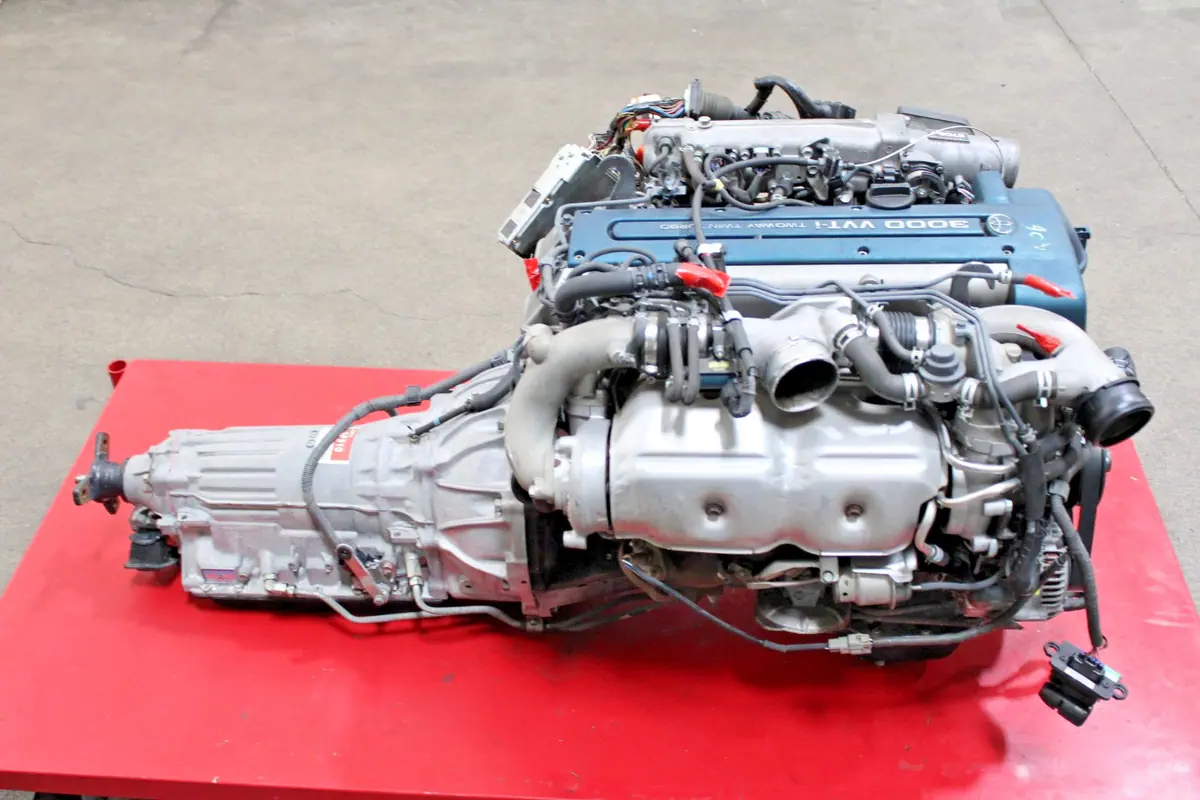
Then things move into serious race-engine territory. The factory connecting rods reach their limits at around 516 lb-ft of torque. Beyond that, forged rods and new pistons become necessary, taking the build into the 1,000-horsepower range. Above that level, the block itself becomes the next concern, as the cylinder walls can begin to separate at the supporting sections. Drag racers have an old-school solution: partially filling the block with a cement-based block filler to add rigidity. For builds exceeding 2,000 horsepower, virtually everything gets upgraded — valves, valve springs, manifolds, head studs and the fuel system — while boost can climb to an absurd 80 psi with methanol helping keep the combination under control.
The specific-output numbers look almost insulting next to big American V8s. At roughly 18 to 20 horsepower per cubic inch, a 427-cubic-inch LS engine producing the same specific output would make around 8,000 horsepower. Yet the 2JZ doesn't automatically become a disposable rocket engine at those power levels. Some Supras built in the 1990s are still being driven as daily cars, complete with working air conditioning, stable idle quality, fuel economy around 25 mpg and more than 200,000 miles on the odometer. One 1995 Supra reportedly covered 173,000 miles without consuming oil.
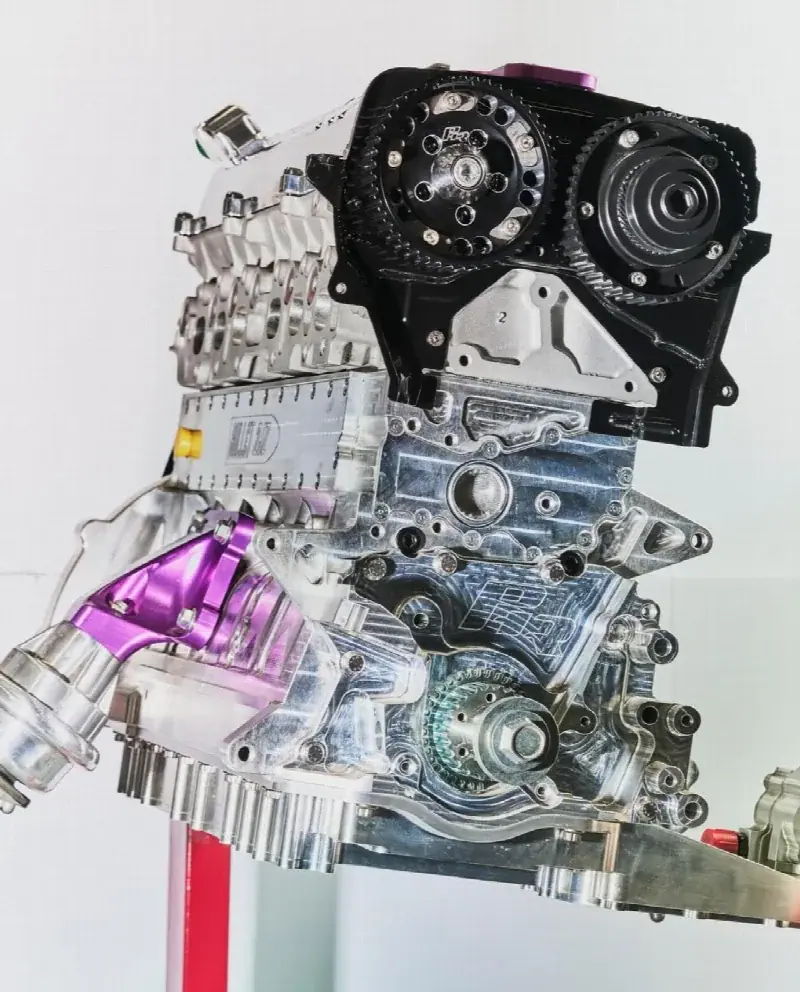
That's where the 2JZ's greatest irony comes in. Toyota engineers were simply trying to build an exceptionally durable production engine, but they inadvertently created an ideal platform for abuse. Hundreds of thousands of naturally aspirated 2JZ engines that spent years sitting in junkyards and salvage yards turned out to have nearly the same underlying potential as their turbocharged counterparts.
The real limit isn't necessarily in the hardware. It's in the person tuning it. At a time when automakers are constantly balancing power, emissions and fuel economy, Toyota's old-school inline-six remains a reminder that having more mechanical headroom is rarely a bad thing.
You may also be interested in the news:
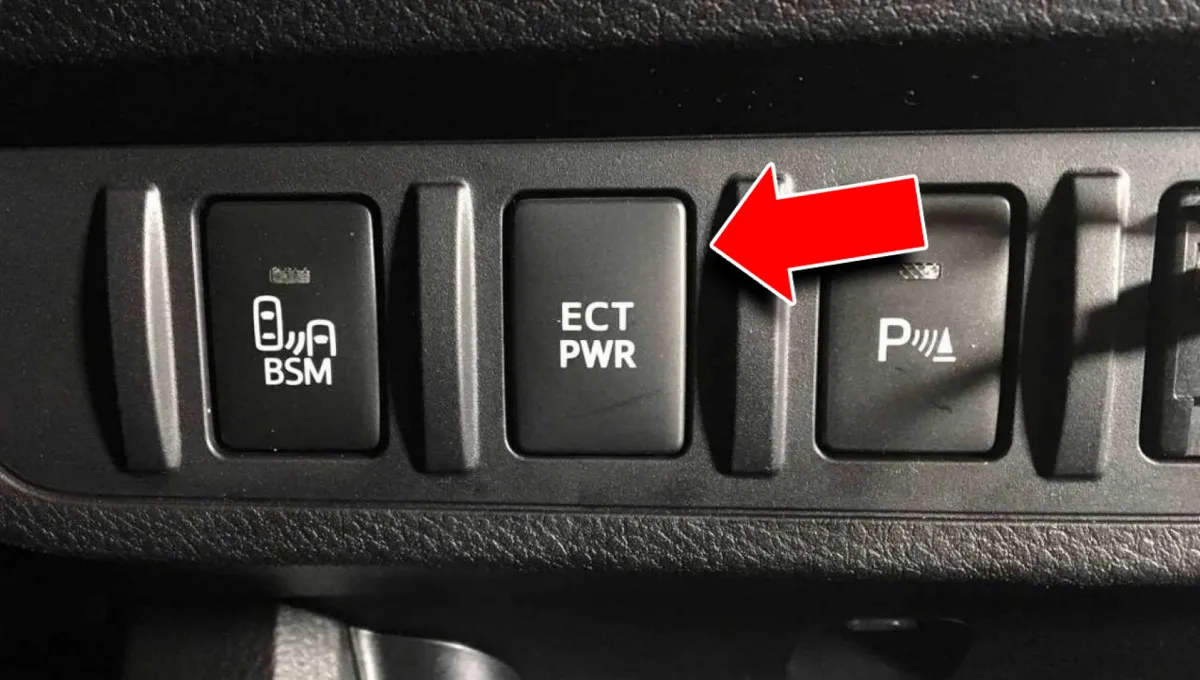
You Hit ECT PWR and Your Toyota Suddenly Wakes Up: What That Mysterious Button Really Does
This little button can change the way a Toyota drives, but plenty of owners have no idea what actually happens when they press it.

It Confuses Many Drivers: What Does the Road Sign With a Thumbs-Up Mean?
This unusual sign appears near highway entrances, tunnels and other locations where roadside stops can create serious safety hazards.
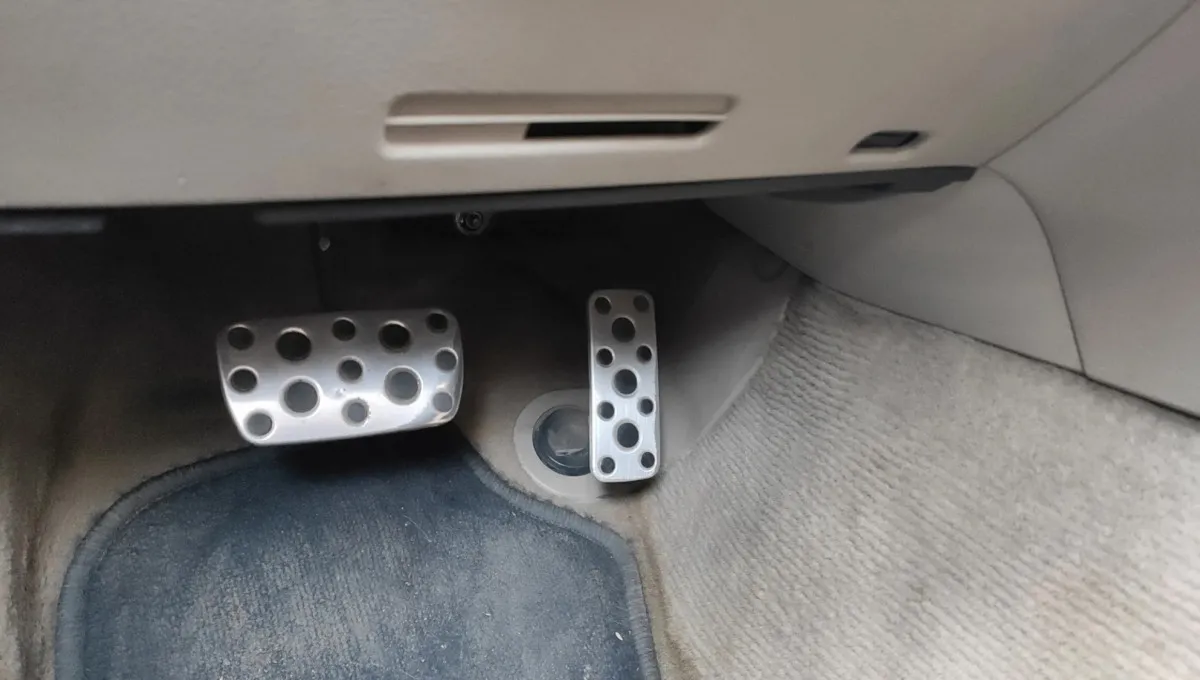
We Know What the Button Behind Your Gas Pedal Does — And It's Even Found in Manual-Transmission Cars
Modern cars are packed with hidden features, and one small button behind the accelerator pedal can serve a surprisingly important purpose.

You Won’t Recognize This Toyota: Tuners Turned the Crossover Into a Sports Car
Modellista has prepared two new styling packages for the updated Toyota Harrier.

The Worst Cars in the World: A History of Automotive Failures and Disappointments
The auto industry has produced countless groundbreaking models, but some cars became infamous for all the wrong reasons.