
3 Signs Your Car Battery Is About to Die — And the Warning Signs Drivers Often Miss
A failing car battery rarely dies without warning, and these three signs can give drivers time to act before getting stranded.
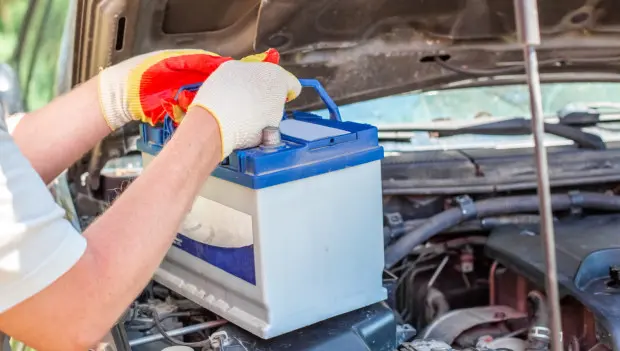
Winter starting problems can seem to happen overnight. One day the car fires up without hesitation, and the next morning the starter turns slowly or the engine won't start at all.
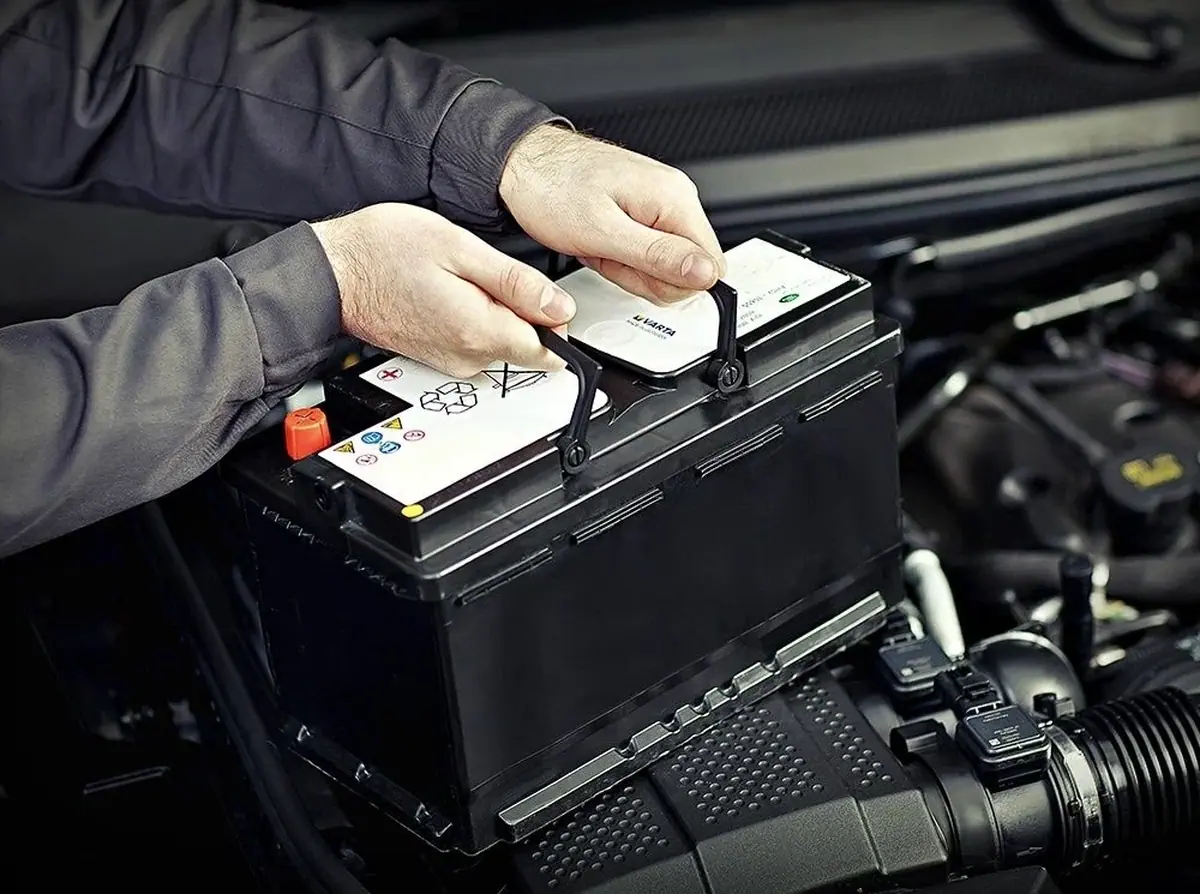
But a battery rarely fails completely without some warning. Its condition usually deteriorates gradually, and drivers can often spot several telltale signs before it finally gives out.
Here are three of the most common symptoms of a weakening battery, along with what to look for when the battery has already gone flat.
1. The Engine Takes Longer to Start
One of the earliest signs of a battery problem is a noticeable change in how the starter sounds and behaves.
If the engine used to start quickly but the starter now turns the engine over more slowly, the car takes several attempts to start, or you hear clicking instead of the normal cranking sound, it's time to have the battery checked.
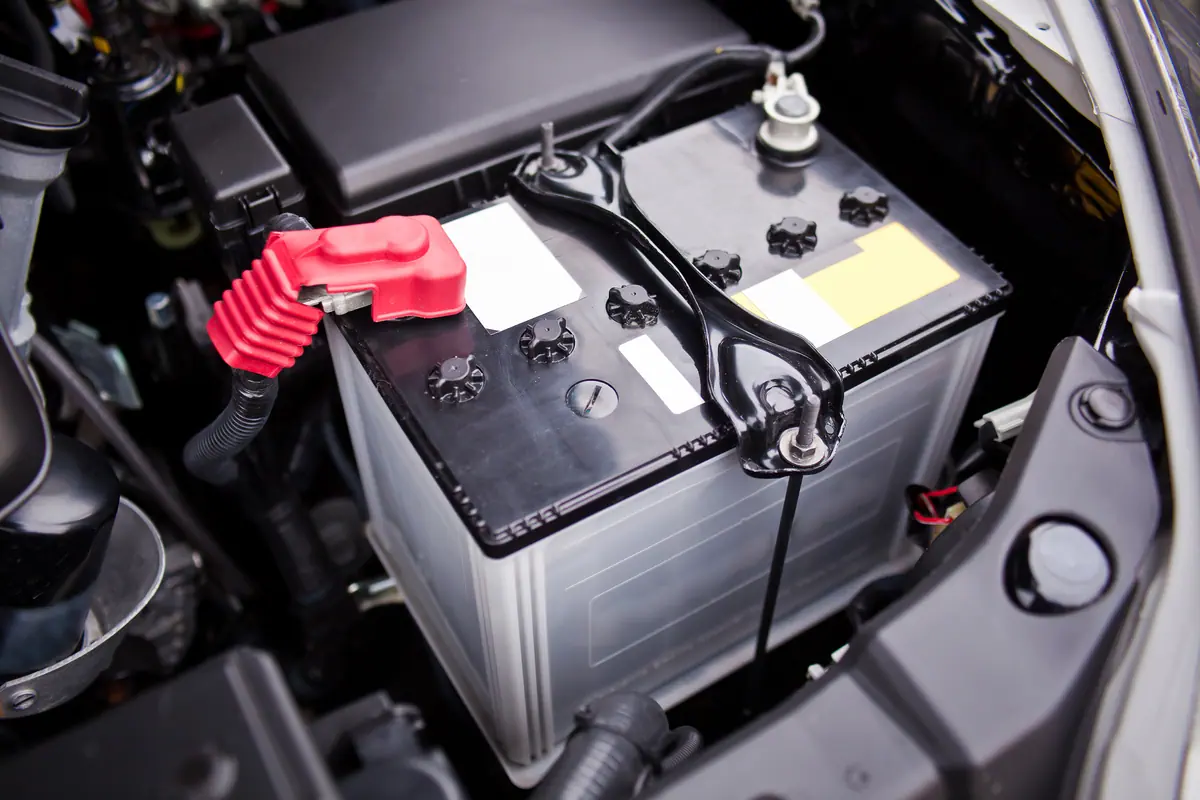
A battery may be:
- losing some of its usable capacity;
- insufficiently charged;
- struggling to deliver enough current under load;
- suffering from normal wear or sulfation.
The problem often becomes more obvious during winter. Cold temperatures reduce a battery's ability to deliver power, while starting a cold engine requires more energy.
A slow starter doesn't automatically mean the battery itself is failing. Corroded or loose battery terminals, a faulty starter or a problem with the charging system can produce similar symptoms.
That's why it's better to check the battery and charging system rather than wait for the car to refuse to start.
2. Your Electronics Start Acting Strange
Modern vehicles can be sensitive to drops in electrical-system voltage.
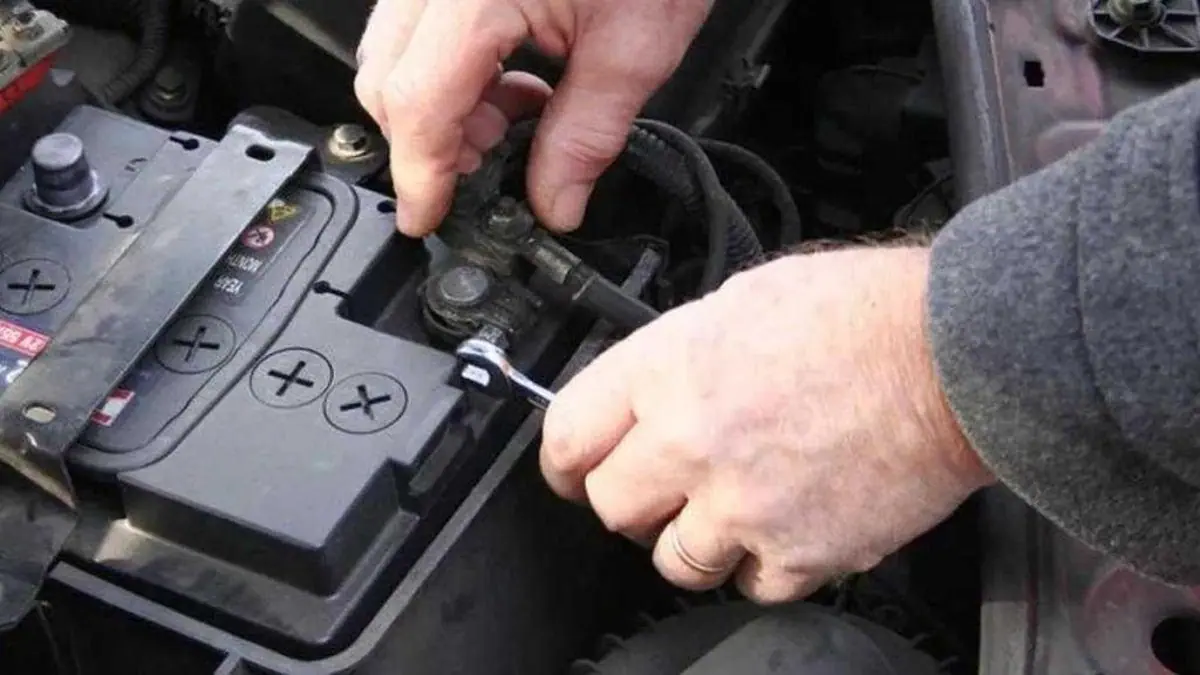
When a battery is heavily discharged or no longer capable of consistently delivering the required current, voltage can drop significantly during engine startup. The result can sometimes be a dashboard suddenly filled with warning messages.
For example, several electronic systems may temporarily report faults after the engine starts. Those warnings may disappear once the vehicle is running normally, but if the same thing keeps happening, the battery should be checked.
Other possible signs include:
- headlights becoming noticeably dimmer when electrical loads are high;
- power windows moving more slowly;
- the infotainment system or other electronic devices restarting;
- certain vehicle settings being reset after the car has been parked.
Again, the battery isn't necessarily the only possible cause. Voltage problems can also come from the alternator, wiring or electrical connections.
The important thing is to investigate recurring symptoms before the battery can no longer provide enough power to start the engine.
3. The Battery Keeps Going Dead While the Car Is Parked
Another warning sign is trouble starting the vehicle after it has been sitting.
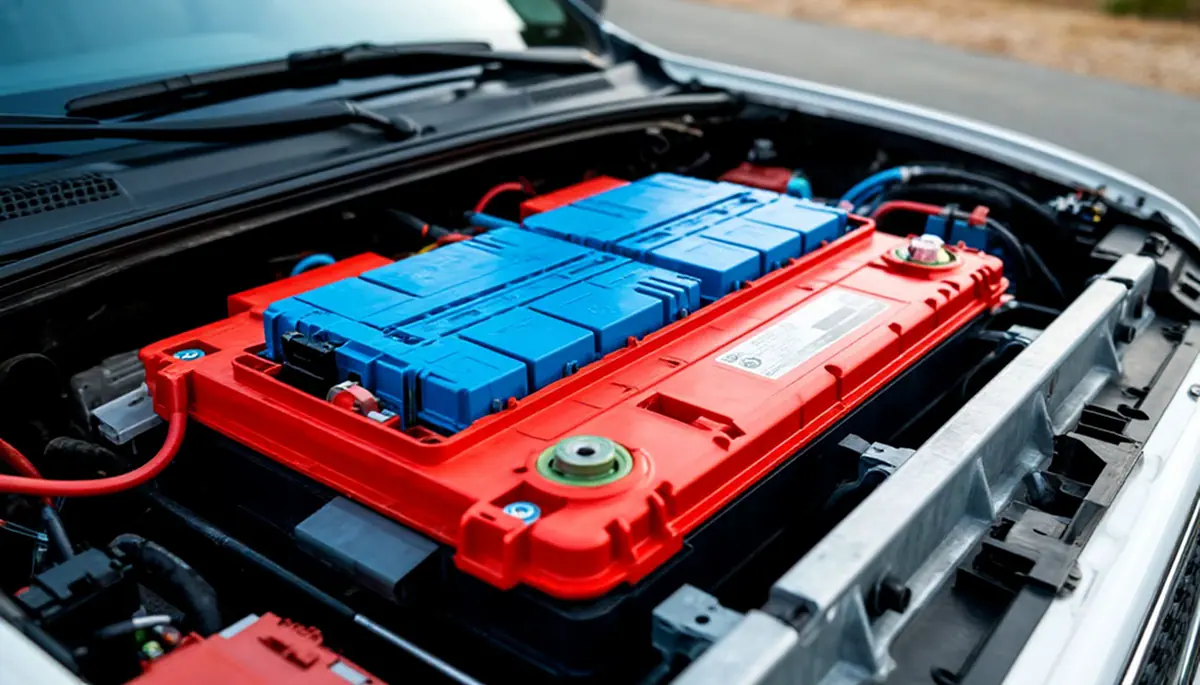
If the car repeatedly struggles to start after sitting for several hours, even though it was running normally beforehand, the battery deserves attention.
Several different problems can cause this:
- the battery has lost a significant amount of capacity;
- the battery is consistently operating in an undercharged state;
- the vehicle has excessive parasitic electrical draw while parked;
- the alternator isn't charging the battery properly;
- frequent short trips don't give the charging system enough time to replace the energy used during startup and by the vehicle's electrical systems.
Winter can make the situation more noticeable. After starting, the engine and vehicle systems consume a significant amount of energy, while headlights, the heater, heated seats and other electrical accessories can add to the load.
If a vehicle is used mainly for short trips, the battery may repeatedly fail to fully recover its charge.
Chronic undercharging is a common contributor to premature aging in lead-acid batteries. Sulfation, in particular, can develop when a battery spends extended periods operating in a partially discharged state.
You may also be interested in the news:
How to Park Close to a Curb Without Scratching Your Bumper: The Two-Mirror Method
How to Park Close to a Curb Without Scratching Your Bumper: The Simple Mirror Trick

Can You Wash Car Floor Mats in a Washing Machine? Experts Have the Answer
Think Twice Before Washing Your Car Floor Mats in the Washing Machine, Experts Warn.

These Used Cars Could Save You Thousands on Repairs, According to Experts
For many drivers, reliability and maintenance costs are just as important as the purchase price when choosing a used car.

YouTube Has a New Problem: AI Is Creating Fake Mechanics Who Look Completely Real
Artificial intelligence is now being used to create convincing fake auto mechanics on YouTube, raising concerns about misleading advice.
Your Brakes Squeal Every Morning? Here’s When That Noise Is Normal—and When It Could Mean Trouble
That sharp brake squeal first thing in the morning is often harmless—but persistent noise can point to worn or damaged brake components.