
How Much Did American Cars Cost in the 1950s, and Who Could Afford Them?
American cars of the 1950s were large, powerful, and heavily chromed, but how much did they actually cost, and who could afford them?
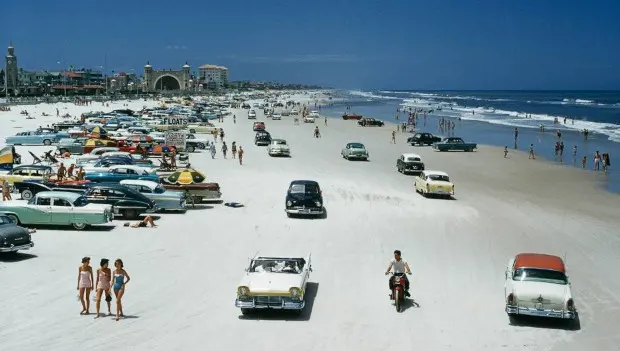
The U.S. Auto Industry in the Early 1950s
The American auto industry in the early 1950s was one of the most powerful sectors of the economy. In 1950, more than 5.6 million passenger cars rolled off assembly lines annually. And what cars they were! During the 1950s, American automakers widely introduced innovations such as overhead-valve V8 engines, automatic transmissions, air conditioning, power steering, and power windows. In addition, the exterior of cars was slightly updated every year as a matter of course, while every three years it was changed dramatically. The 1950s marked the peak of the famous "aerospace design" era, complete with wild tail "fins," "flying buttresses," and panoramic windshields.
American Cars of the 1950s and Their Prices
Buick
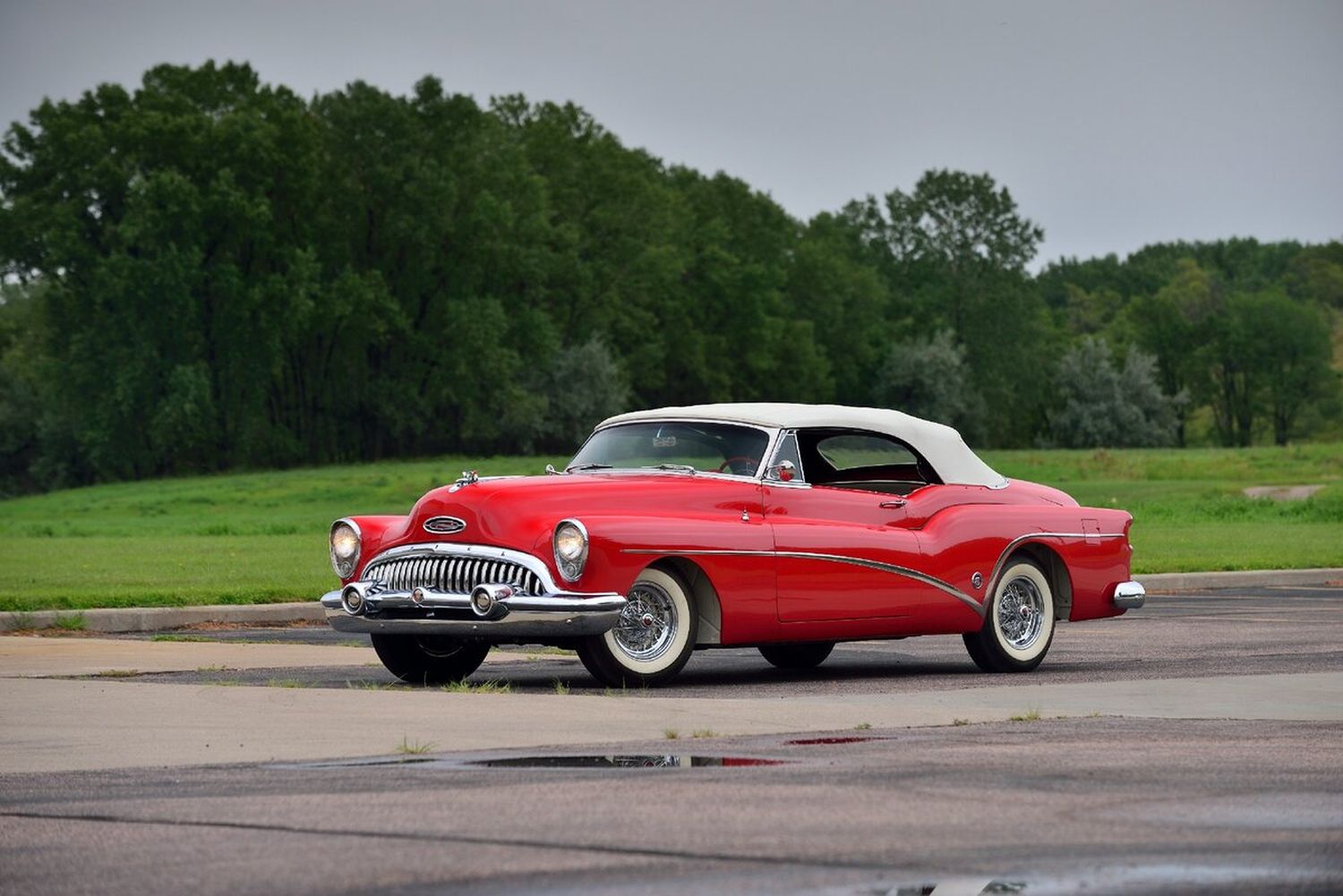
Roadmaster Skylark was one of the most striking cars of the era. This convertible was created to celebrate the company's 50th anniversary. It stood out with elegant styling, luxurious equipment, and a very high price. You can read more about the car in this article, but here we'll try to determine just how expensive this convertible was.
When the Buick Roadmaster Skylark went on sale, it cost exactly $5,000 (nearly $49,000 in today's money). Let's try to determine whether that was a lot or a little, taking into account the economic situation in the United States at the time.
In 1950, the minimum wage was 75 cents an hour, or about $1,550 a year. Skilled workers, of course, earned considerably more. The average annual income of a government employee was $2,758, a teacher earned $2,794, and a medical worker earned $2,067 (data from Value of a Dollar 1860–2019, Grey House Publishing). In addition, according to a 1952 U.S. Department of Commerce report, the average annual income of an American family in 1950 was $3,300. To put the picture into perspective, a gallon of gasoline cost 27 cents, a 1.1-pound loaf of bread cost 14 cents, and the average American home cost $7,354. Based on these figures, you can compare for yourself how much the Buick Skylark cost at the time.
Cadillac
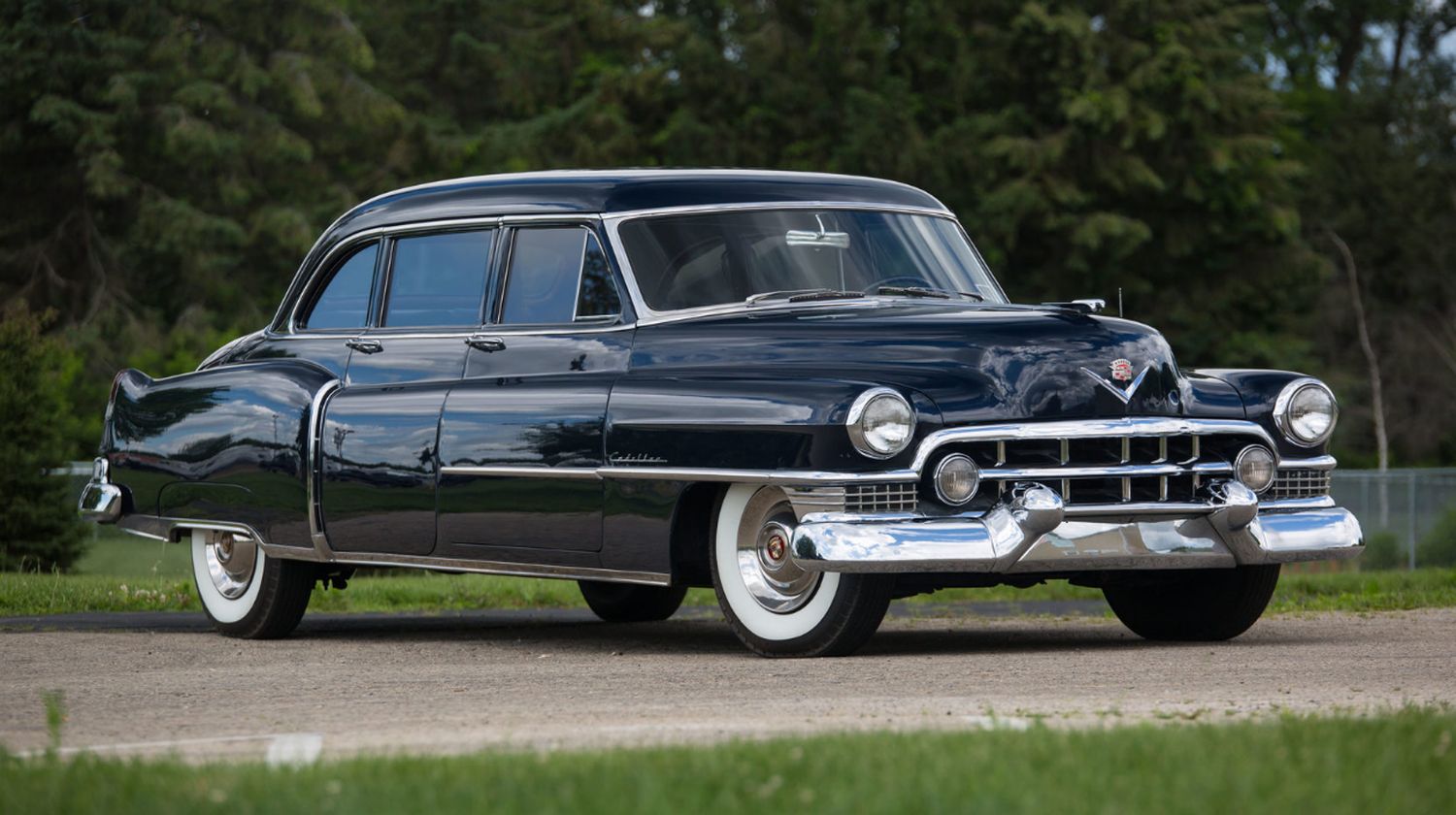
However, the Skylark was a rare, limited-production car that was expensive by definition. Let's turn to another model from GM's lineup—Cadillac, and specifically the top-of-the-line Series 75.
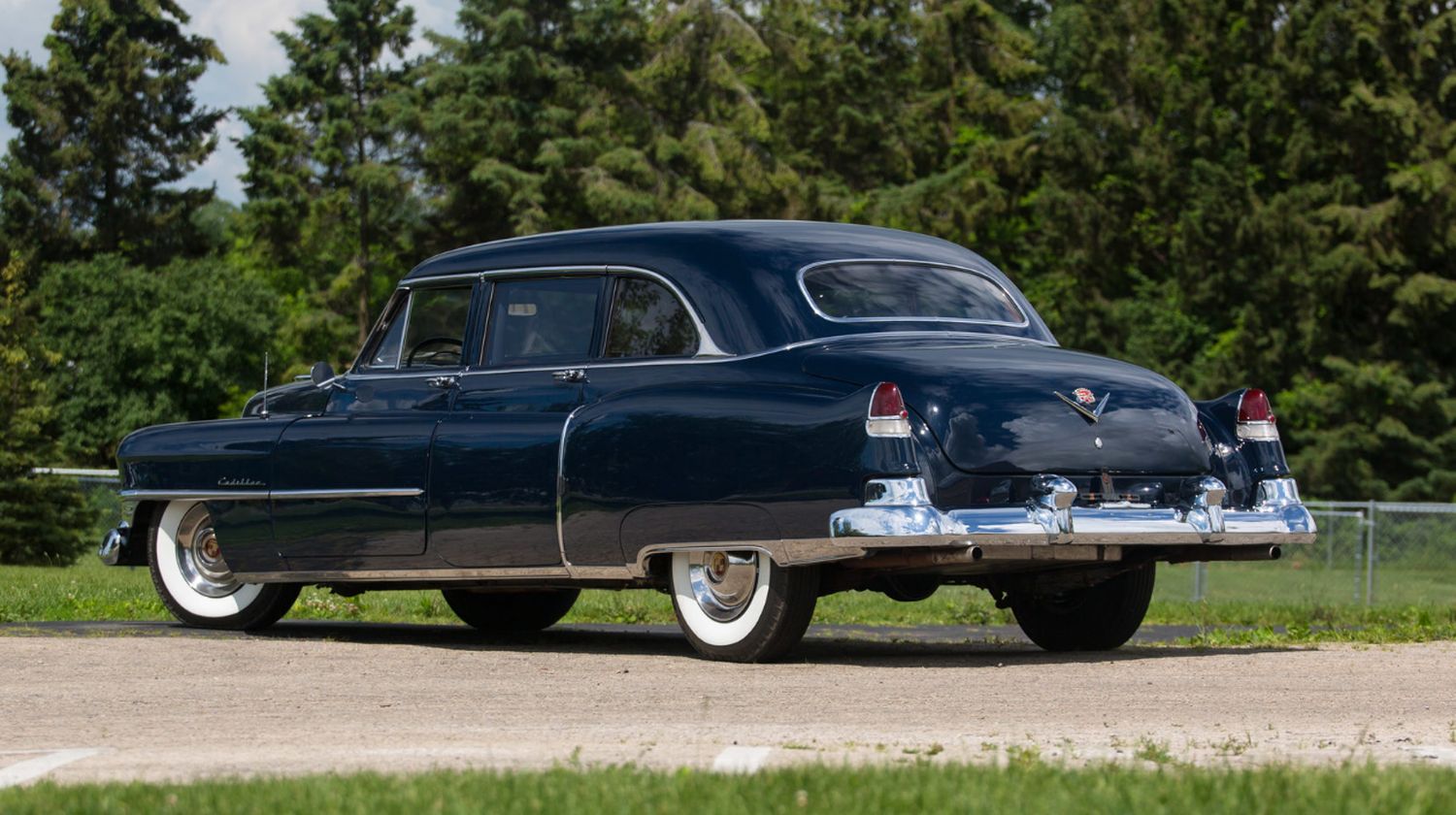
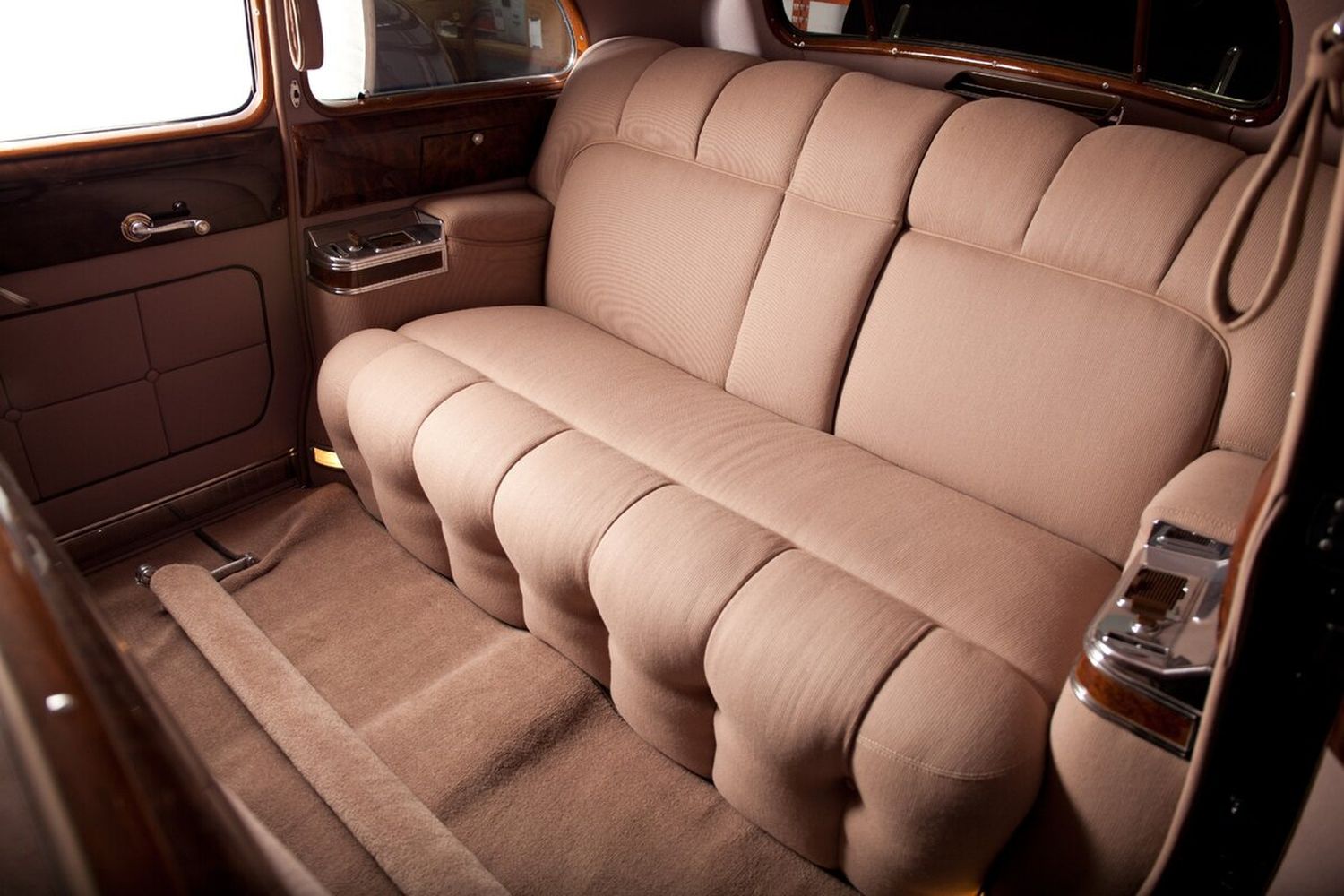
This luxury car, with its enormous 147-inch wheelbase, sold for $4,950. It was the first completely new postwar Cadillac. Before that, the company had produced the 1942 model with annual cosmetic updates. In addition, the Series 75 was the company's most expensive and luxurious car in 1950. For the money, buyers got a spacious seven-passenger cabin with luxurious wood trim and velour seats. A 5.4-liter V8 producing 190 hp was also standard, while the three-speed automatic was available as an option.
It should be noted that postwar Cadillacs sold quite well. For the first time in its history, the company managed to sell more than 100,000 cars. Of course, the largest share of sales came from the more compact and less expensive Series 60 cars. Their prices, incidentally, started at $3,400.
Chevrolet
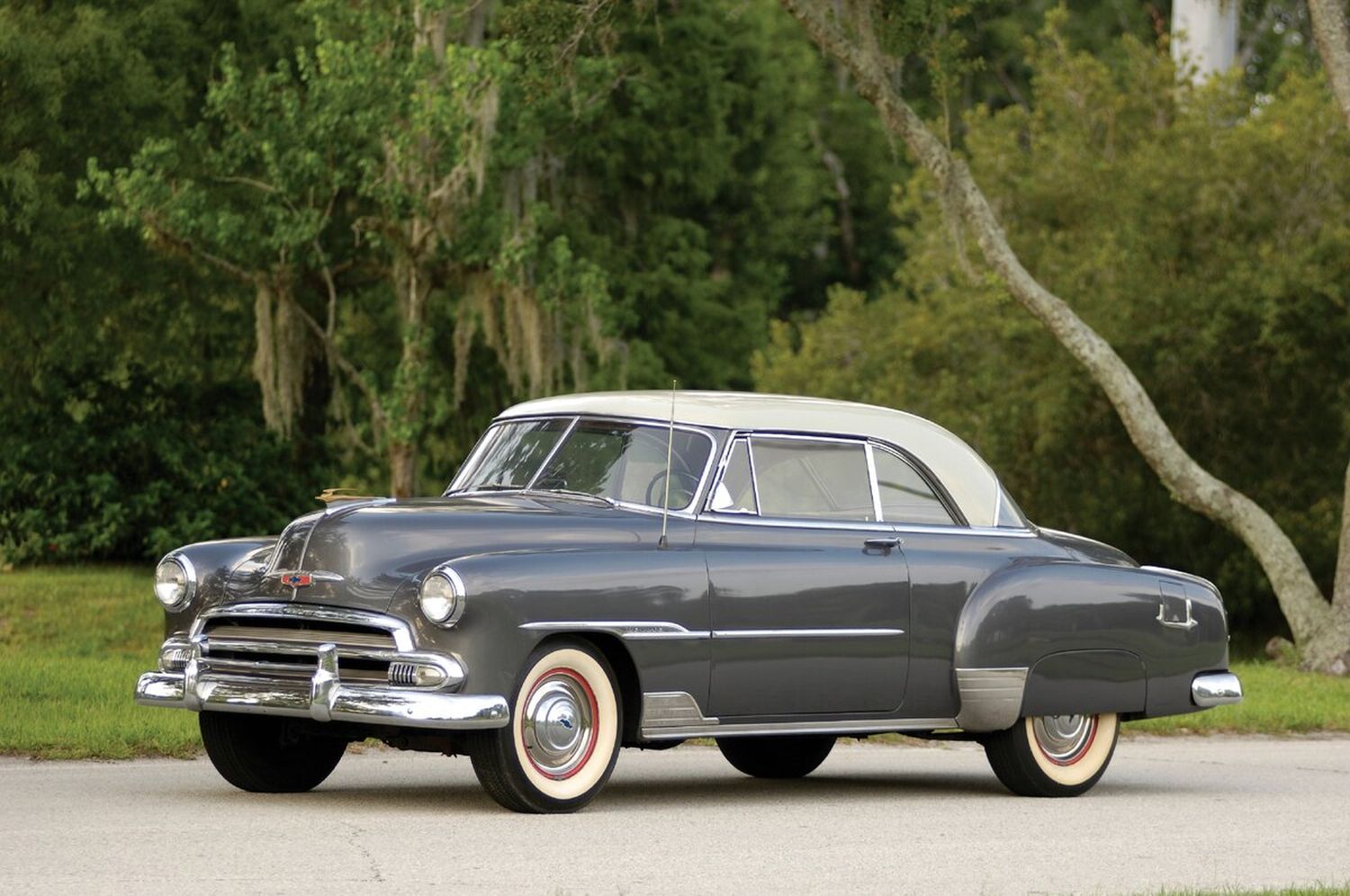
In 1950, Chevrolet introduced its future hit—the Bel Air. The Bel Air later became an icon of 1950s American automotive design and is considered one of the brand's most successful cars.
The first-generation Chevrolet Bel Air sold for $1,741. For that price, buyers got a stylish two-door hardtop with a 92-hp six-cylinder engine. Technically, the first Bel Air was identical to the Chevrolet Deluxe sedan, which was even cheaper at $1,492.
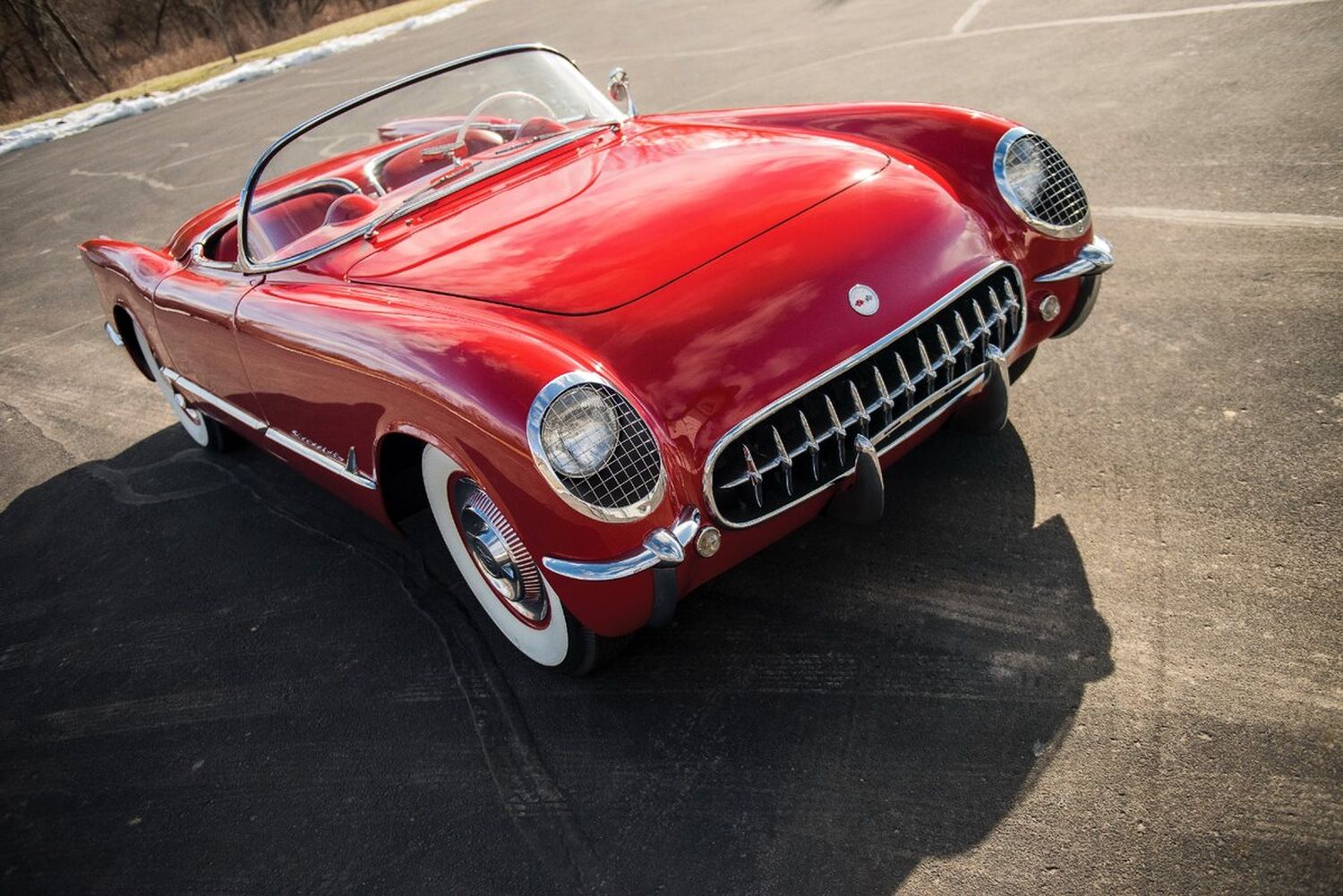
Another iconic car of the 1950s was, of course, the first-generation Chevrolet Corvette. This sports car was introduced in 1953 at a price of $3,490. It was equipped with a relatively small 3.85-liter six-cylinder engine producing 150 hp. It was paired with a two-speed automatic transmission because Chevrolet simply did not have a suitable manual transmission available. With it, the Corvette took a lengthy 11.5 seconds to accelerate to 60 mph.
Overall, the first Corvette had numerous technical problems and did not attract significant demand. But the new 195-hp V8 introduced in 1955, along with the elimination of its shortcomings, literally saved the Corvette.
Ford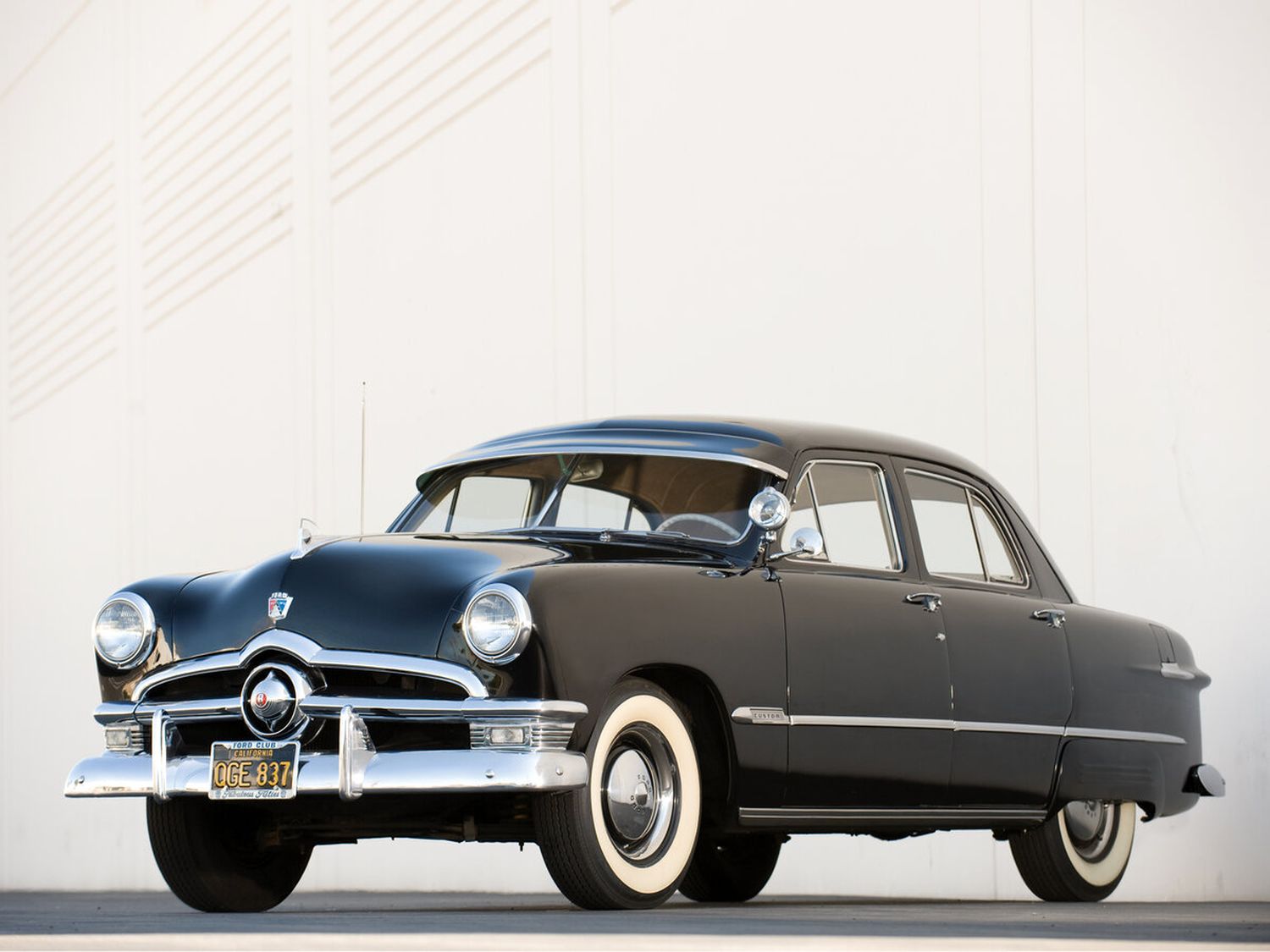
Ever since the Model T debuted in 1908, Ford had established itself as a manufacturer of solid yet affordable cars. Forty-one years later, the arrival of the Ford Custom did not change that position.
For $1,800, Americans were offered a midsize sedan with a 100-hp V8 and a three-speed automatic transmission. Versions with an inline-six and a manual transmission were even cheaper, at just $1,590.
The 1950s
The 1950s in the United States can be characterized as a time of great hopes. The country managed to avoid a large-scale war on its own territory. To be frank, the war also brought significant economic growth and increased prosperity for the population. In addition, the baby boom and other social developments contributed to increased demand for consumer goods, including automobiles. As a result, automakers' revenues grew, along with their technical sophistication.
This situation continued until the mid-1970s, when a serious economic crisis hit. But that's another story.
You may also be interested in the news:
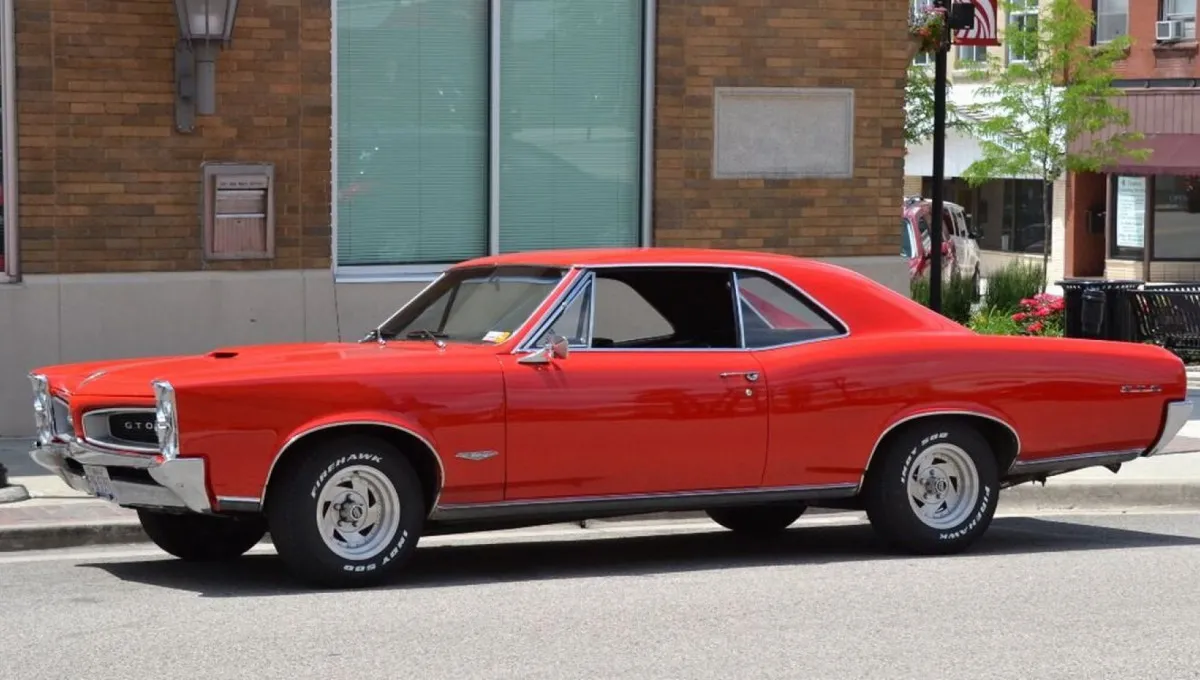
Pontiac GTO — Every American Teenager’s Dream in the 1960s
In 1964, Pontiac created a new kind of American performance car by putting a big-block V8 into the Tempest and launching the muscle car era.

The Worst Cars in the World: A History of Automotive Failures and Disappointments
The auto industry has produced countless groundbreaking models, but some cars became infamous for all the wrong reasons.
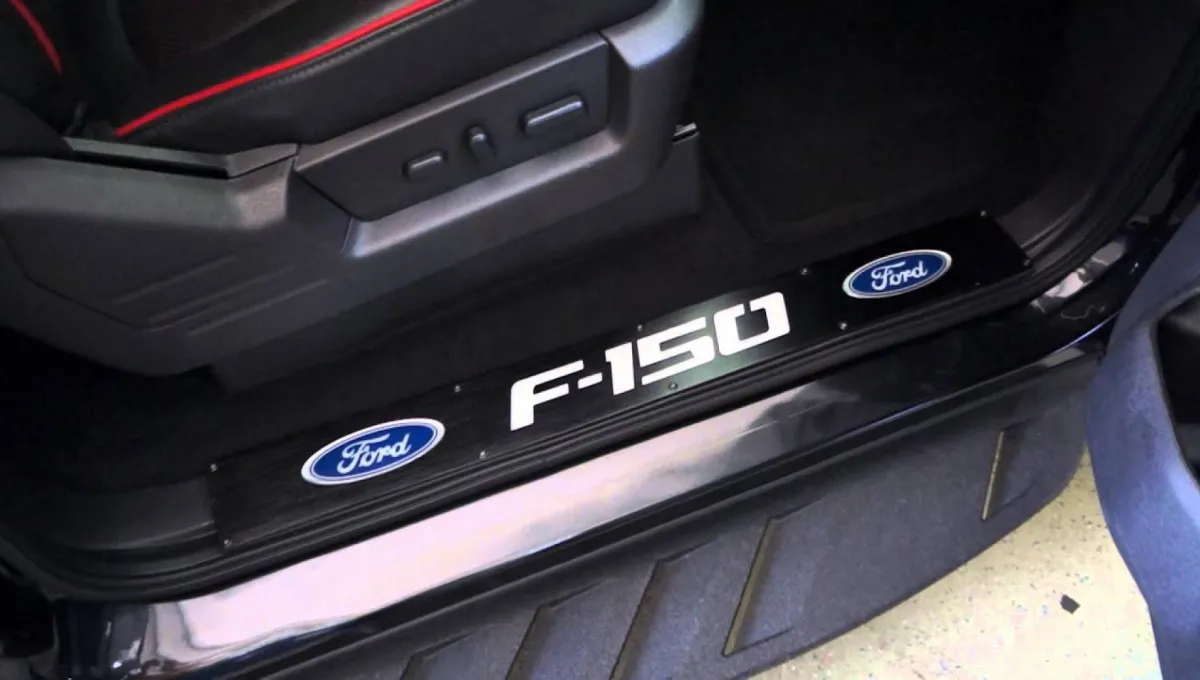
Ford is recalling more than 223,000 F-150 trucks after regulators warned fuel tanks could loosen or leak.
Ford is recalling 223,472 F-150 pickup trucks in the United States after federal safety regulators identified a potential problem with fuel tank security.
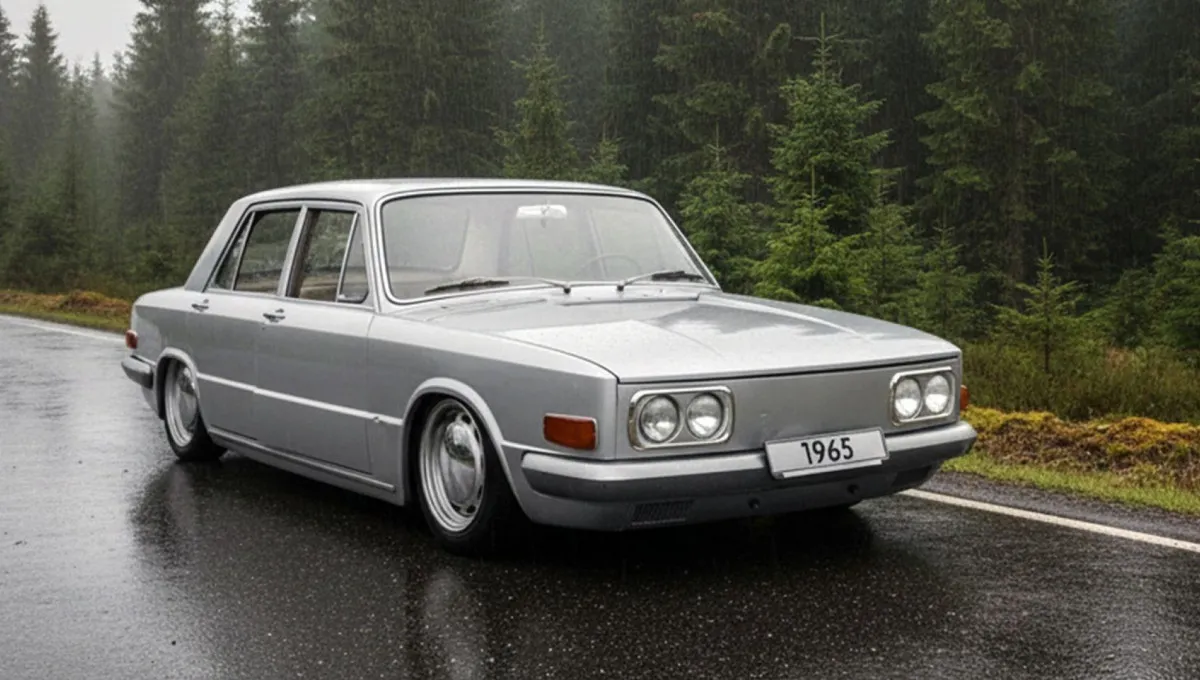
“VW on the Outside, Porsche Underneath”: The Story of the Failed EA-128 Sedan
A little-known Volkswagen prototype combined a large sedan body with Porsche 911 hardware in an attempt to enter the upscale market.

Toyota's First Engine Was Copied From a Chevrolet
Toyota's first engine, the Type A, wasn't entirely Japanese—it was based heavily on a Chevrolet straight-six.