
Not a Manufacturing Error: Why Some Wheels Have Two Valve Stems
Two valve stems on one wheel may look unusual, but the setup serves a practical purpose in racing and specialized tire service.
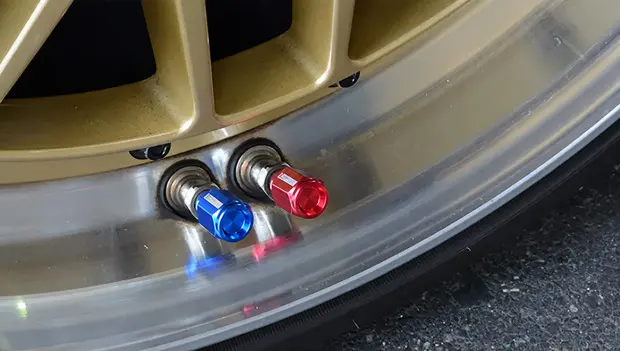
Most vehicles have conventional wheels with a single valve stem, which is used to inflate or deflate the tire and check its air pressure. But some wheels have two valve stems, a setup that can leave drivers wondering whether something went wrong during manufacturing. In reality, the second valve stem can serve several useful purposes.
Why Do Some Wheels Have Two Valve Stems?
The second valve stem isn't decorative, nor is it a manufacturing mistake. It can make tire servicing faster and more precise.
One common setup allows an air hose to be connected to one valve while a pressure gauge is attached to the other. That makes it possible to monitor tire pressure continuously while the tire is being inflated, without stopping the process to disconnect the hose and check the reading.
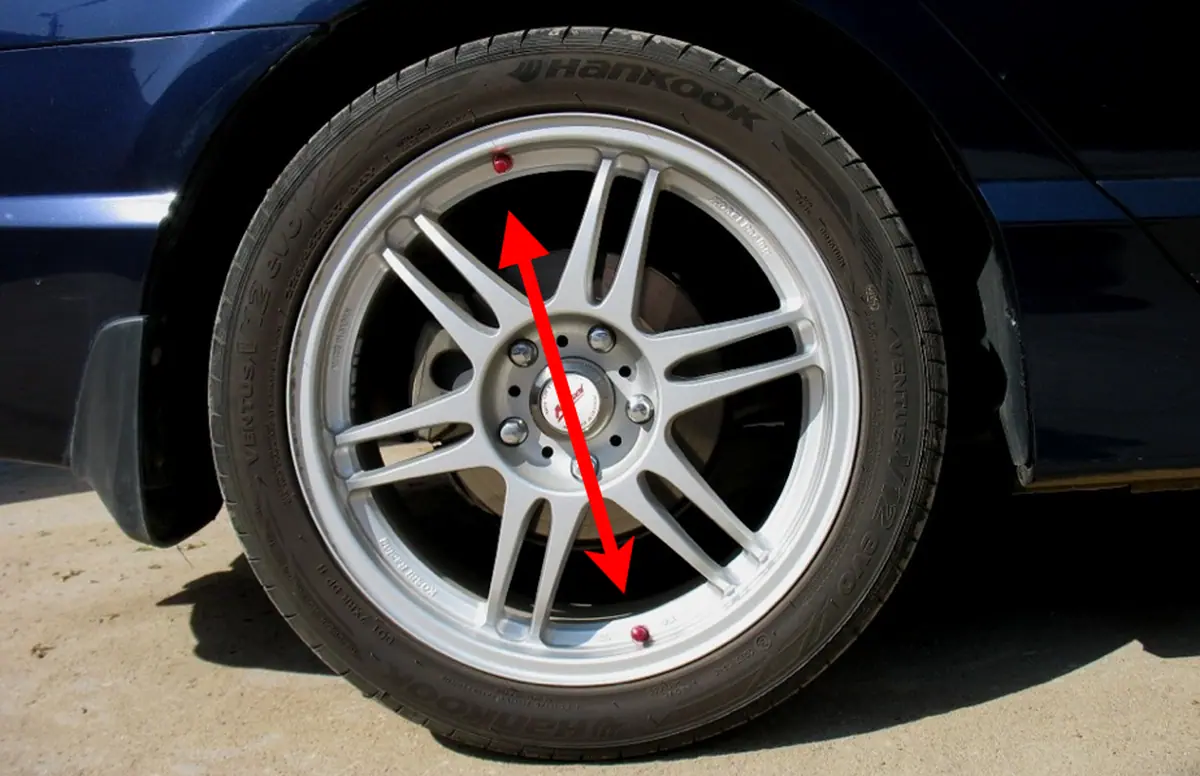
This arrangement is particularly useful in situations where every second counts. In motorsports, for example, there may be no time to disconnect an air hose, check the pressure and reconnect the equipment. With two valve stems, inflation and pressure monitoring can happen at the same time.
The second valve can also be useful when filling a tire with nitrogen. When the valve stems are positioned on opposite sides of the wheel, nitrogen can be introduced through one valve while the air already inside the tire escapes through the other. The process helps replace the existing air more efficiently and reduces the amount of residual air left inside the tire.
Do You Need Tires With Two Valve Stems?
For the vast majority of drivers, a second valve stem makes little difference. A single valve is more than adequate for everyday tire maintenance, from topping off the air to checking pressure before a road trip.
Having one or two valve stems doesn't directly affect handling, braking performance or overall safety. A tire's performance depends on its construction, condition and proper inflation—not on the number of valves used to fill it.
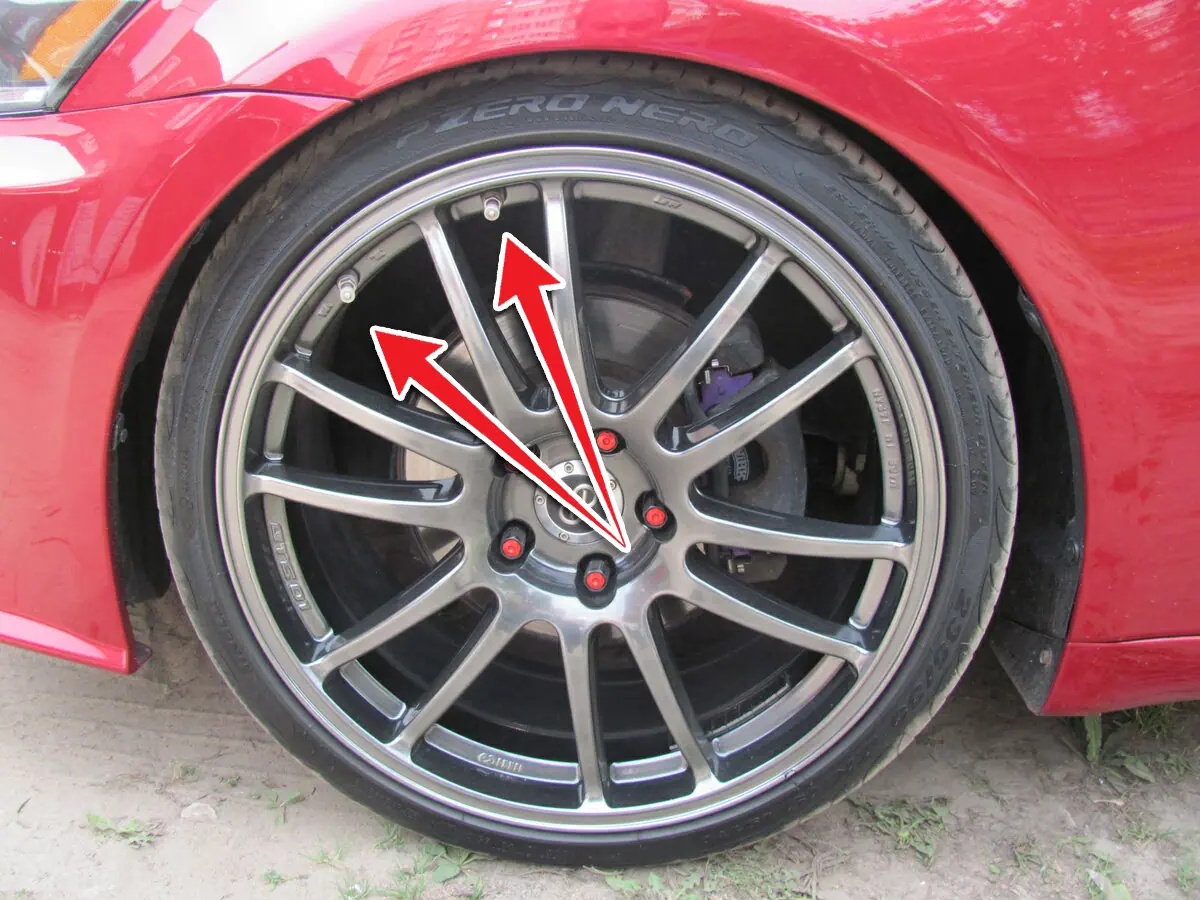
In other words, a two-valve setup is primarily about making pressure adjustments and certain tire-filling procedures faster and more convenient.
One group that can benefit more from the arrangement is off-road enthusiasts. Drivers who regularly tackle sand, rocks or other challenging terrain may need to adjust tire pressure several times during a single trip. Being able to air down before leaving pavement and quickly restore the proper pressure afterward can make a two-valve setup a practical advantage.
You may also be interested in the news:

Gilded 1953 Cadillac Sells for a Record $1.275 Million
The unique Cadillac Elegante, featuring an Italian aluminum body and 24-karat gold trim, went to auction for the first time more than 70 years after it was built. It became the most expensive Cadillac ever sold at public auction.
Why Your Neighbor Always Parks With the Wheels Turned: An Auto Expert Explains Three Reasons
Straight wheels aren’t always the smartest choice: experienced drivers turn them for three practical reasons you may not expect.
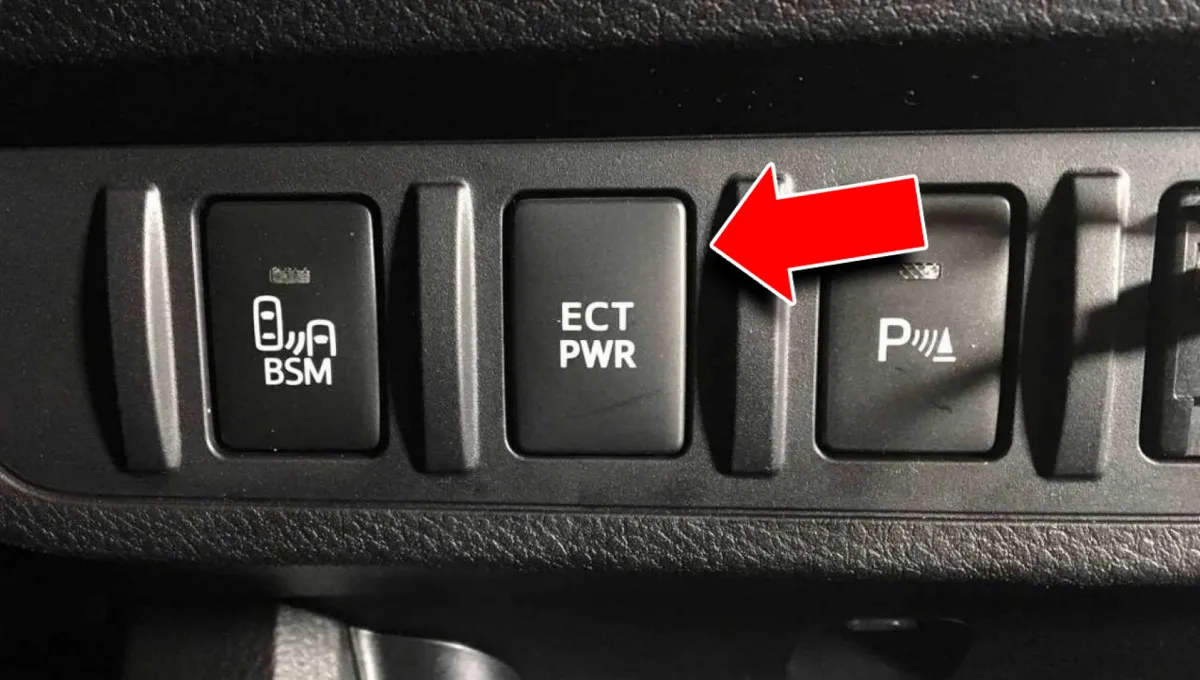
You Hit ECT PWR and Your Toyota Suddenly Wakes Up: What That Mysterious Button Really Does
This little button can change the way a Toyota drives, but plenty of owners have no idea what actually happens when they press it.
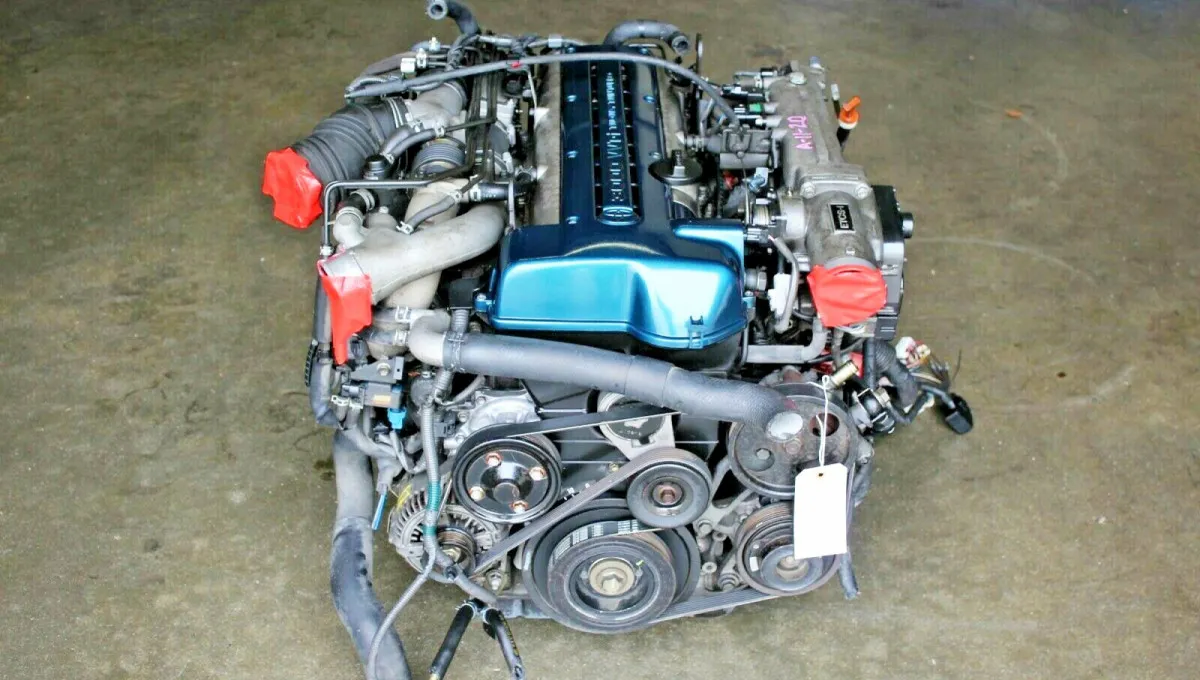
Toyota Built It to Survive 300,000 Miles. Tuners Turned It Into a 2,000-HP Beast
Toyota engineers may have gone too far with durability — and accidentally created the ultimate engine for hot-rodding.
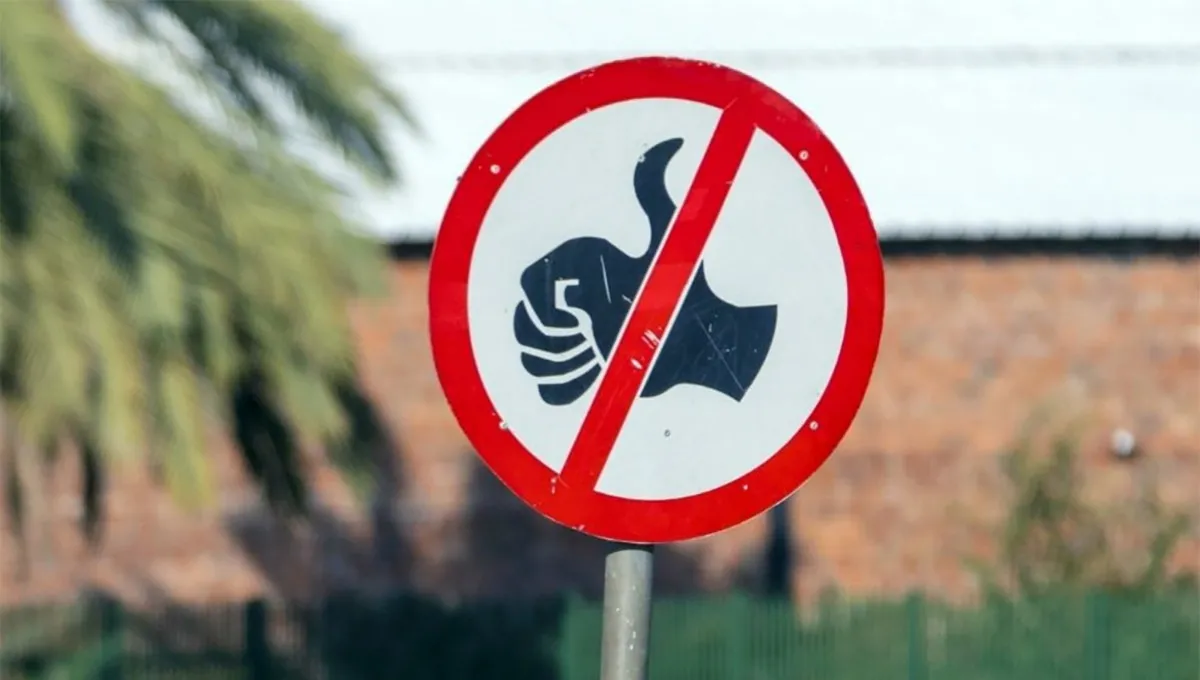
It Confuses Many Drivers: What Does the Road Sign With a Thumbs-Up Mean?
This unusual sign appears near highway entrances, tunnels and other locations where roadside stops can create serious safety hazards.