
Why Your Neighbor Always Parks With the Wheels Turned: An Auto Expert Explains Three Reasons
Straight wheels aren’t always the smartest choice: experienced drivers turn them for three practical reasons you may not expect.
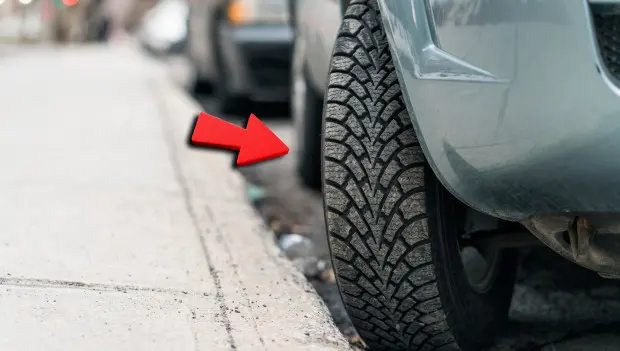
At driving school, you’re usually taught to straighten the wheels when you park. But spend a few minutes looking around a crowded parking lot or residential street, and you’ll notice plenty of cars sitting with their wheels turned to one side.
That’s not necessarily sloppy parking or a bad habit. There are actually several practical reasons experienced drivers do it.
Protection From Minor Bumps
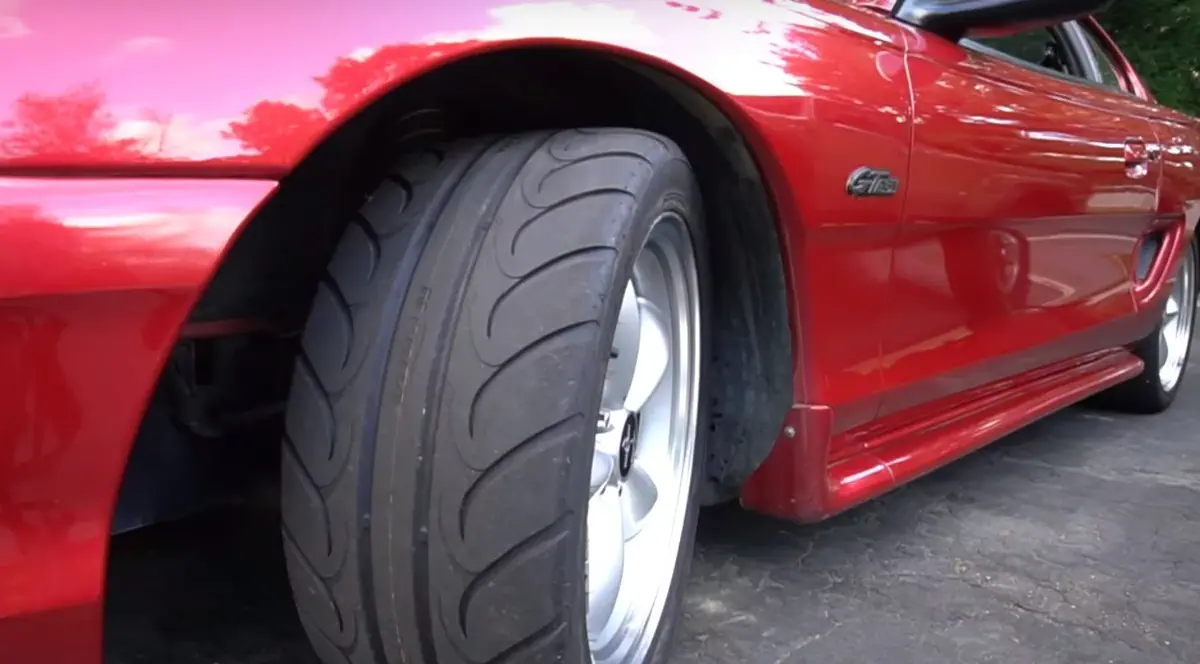
In tight parking lots and crowded residential areas, the risk of getting a door ding or a light bumper scrape is pretty high. With the wheels pointing straight ahead, a low-speed impact is more likely to hit the bumper or fender.
Turn the wheels, however, and the tire becomes the first point of contact. In a minor bump, the tire can act as a cushion and absorb some of the impact, potentially protecting the painted bodywork behind it.
Obviously, that won’t help in a serious collision. But when it comes to minor scrapes and careless parking neighbors, every little bit of protection can help.
The Heat Factor
There’s another reason that becomes obvious during a hot summer.
When a car sits outside in direct sunlight, the steering wheel can get extremely hot—especially across the upper section, where many drivers naturally place one hand.
Turn the wheels before leaving the car, and the position of the steering wheel changes. That can leave the side or lower portion in a more comfortable position when you get back behind the wheel.
It may sound like a small thing, but on a scorching summer afternoon, the difference can be surprisingly noticeable.
A Safety Measure on Hills
This is the one situation where turning the wheels is an established parking-safety practice.
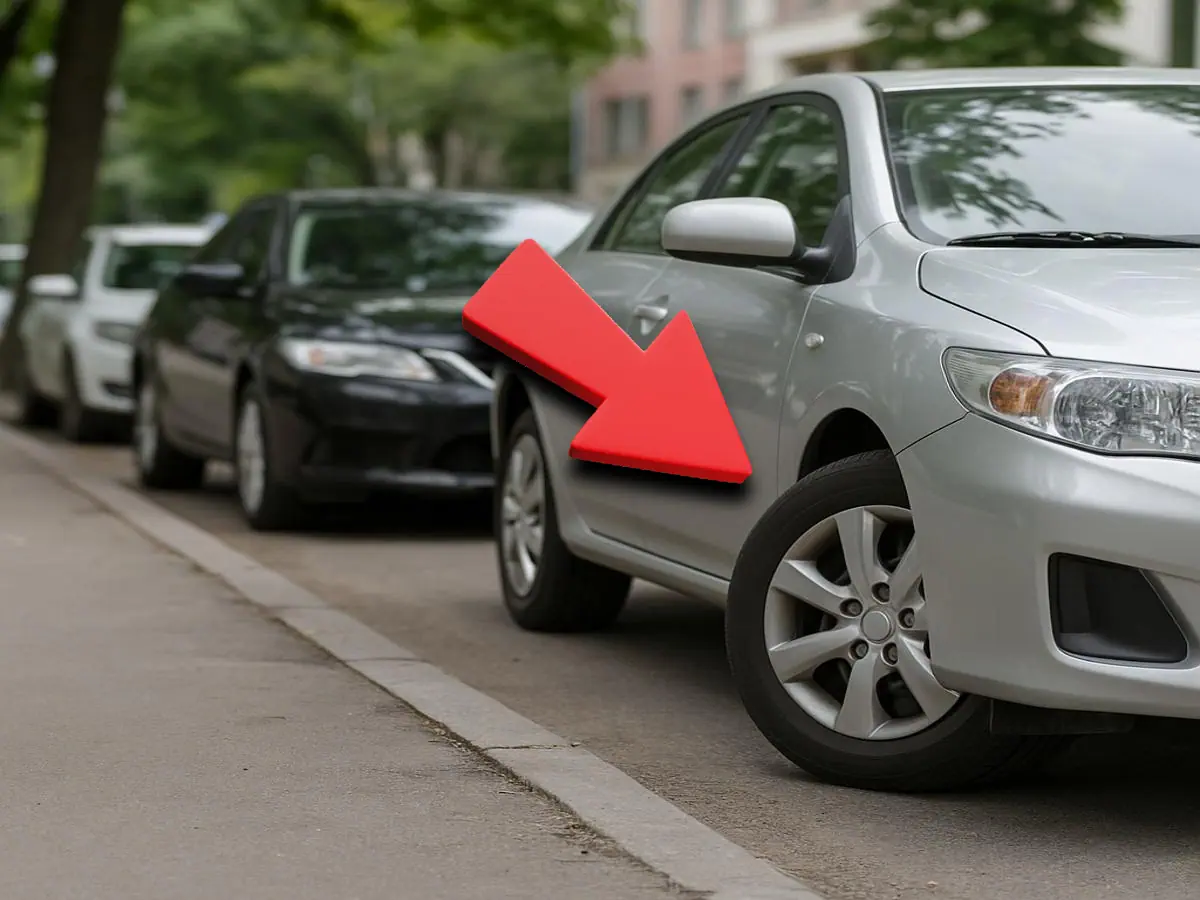
When parking on a hill, drivers can angle the wheels toward the curb so that if the parking brake fails, the vehicle is more likely to roll into the curb rather than continue into the roadway.
The exact direction depends on whether the vehicle is facing uphill or downhill, but the basic idea is the same: use the curb as an additional safeguard.
Even with a properly functioning parking brake, that extra layer of protection can be worthwhile.
What About the Tow Truck?
There’s a common belief that turning the wheels makes a vehicle harder for a tow truck to pick up. That may have been more relevant with older towing equipment, but modern tow trucks have plenty of ways to move a vehicle regardless of how the wheels are positioned.
In other words, turning your wheels isn’t going to stop a tow truck from taking your car.
When You Should Leave the Wheels Straight
There are situations where turning the wheels simply isn’t a good idea.
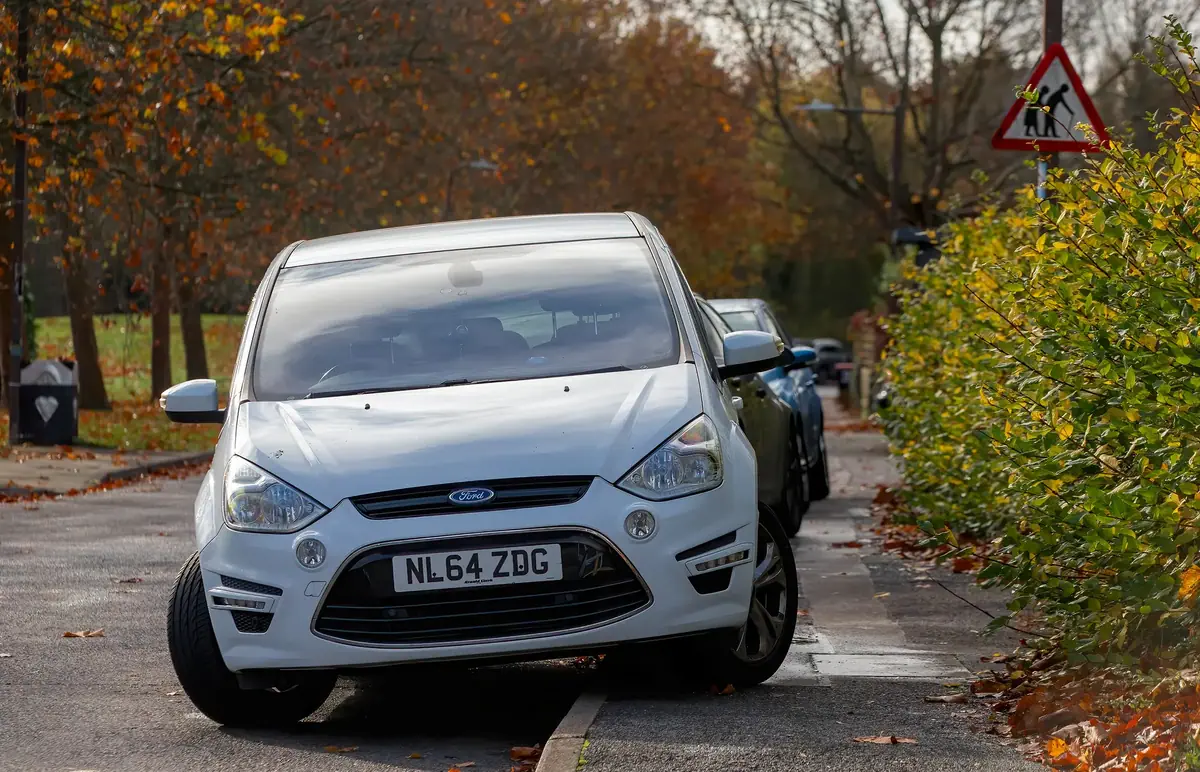
If you’re parked along a narrow street and the tires stick out far enough to interfere with passing traffic, leaving the wheels straight is the safer choice. The same goes for any situation where the turned wheels create an unnecessary hazard for pedestrians, cyclists or other vehicles.
There’s no universal rule that says your wheels must always be turned—or always be straight.
The important thing is to know why you’re positioning them that way instead of simply copying what the car next to you is doing. Sometimes straight wheels make sense. Sometimes turning them is the smarter move.
You may also be interested in the news:
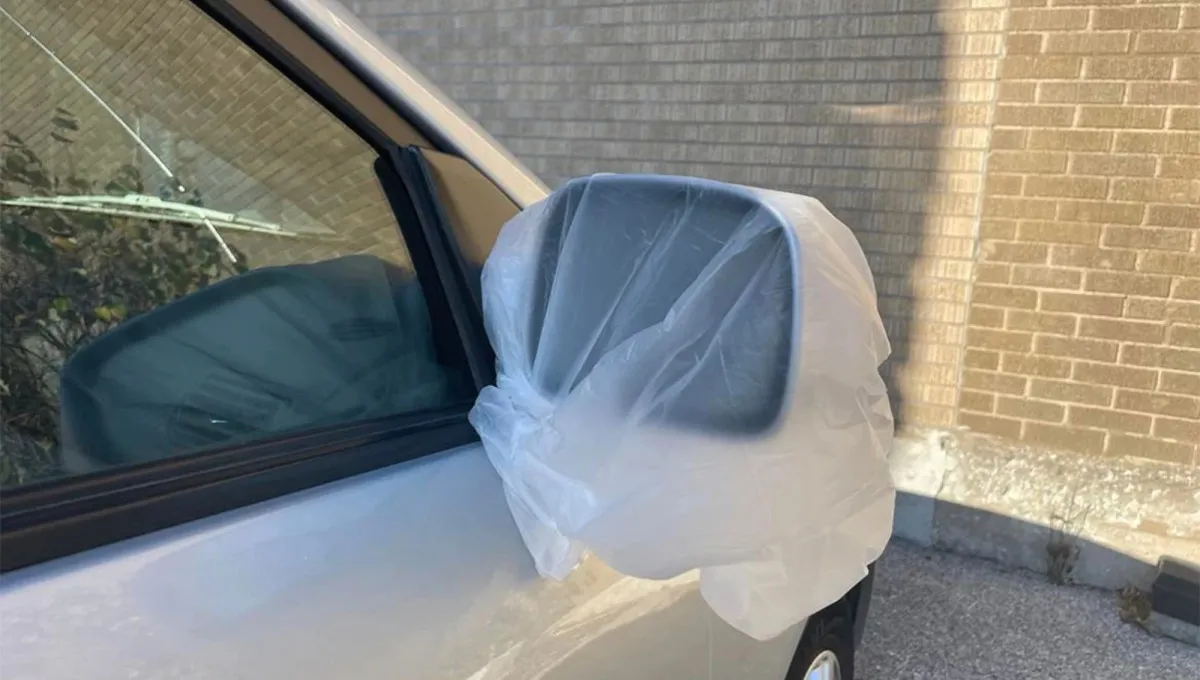
Why You Should Never Ignore a Plastic Bag on Your Car Mirror
You park your car, head inside, and return a short time later to find an ordinary plastic bag hanging from the side mirror.
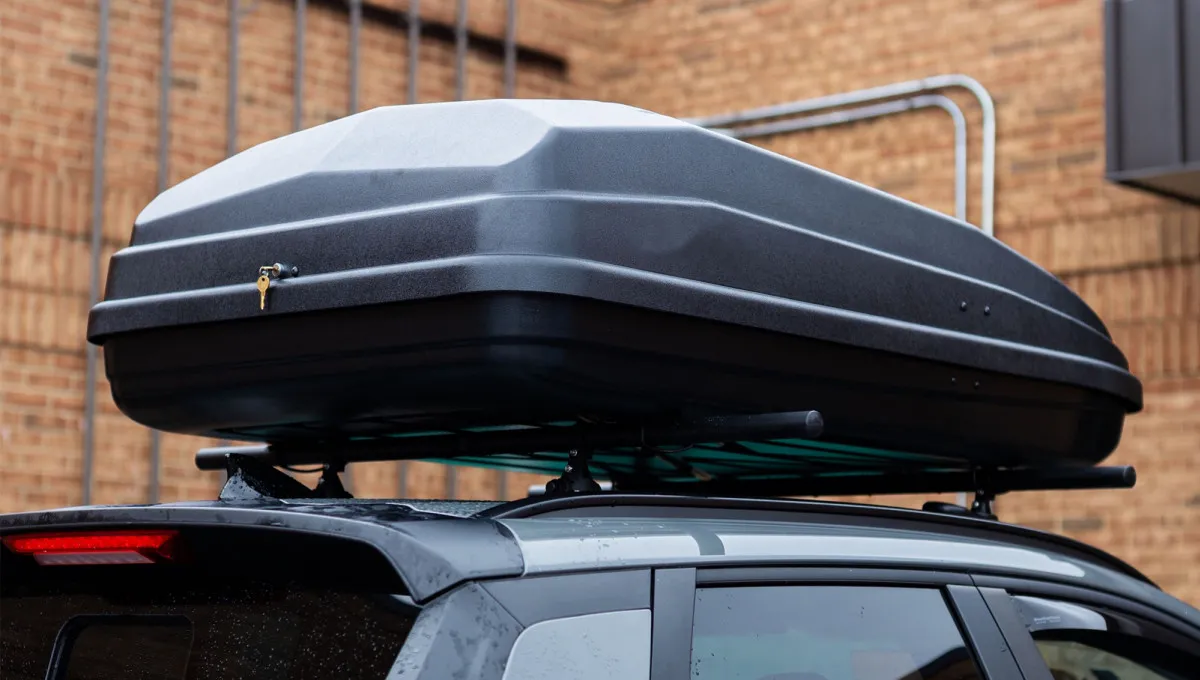
Auto Expert Warns Drivers About Common Mistakes When Installing a Roof Cargo Box
Roof cargo boxes have become increasingly popular with drivers looking for an easy way to carry more gear on road trips.
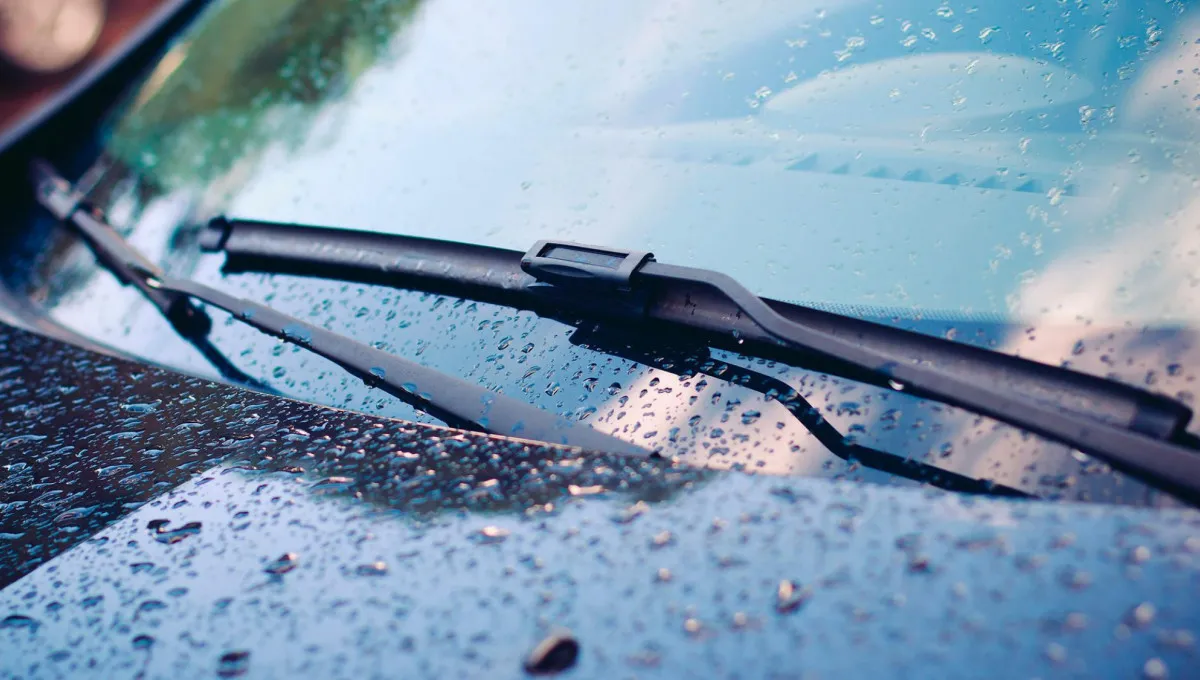
One Capful and Your Wipers Stop Squeaking: Experts Reveal a Simple Trick
We've all been there: windshield wipers start squeaking, smear grime across the glass and leave streaks behind instead of actually helping.
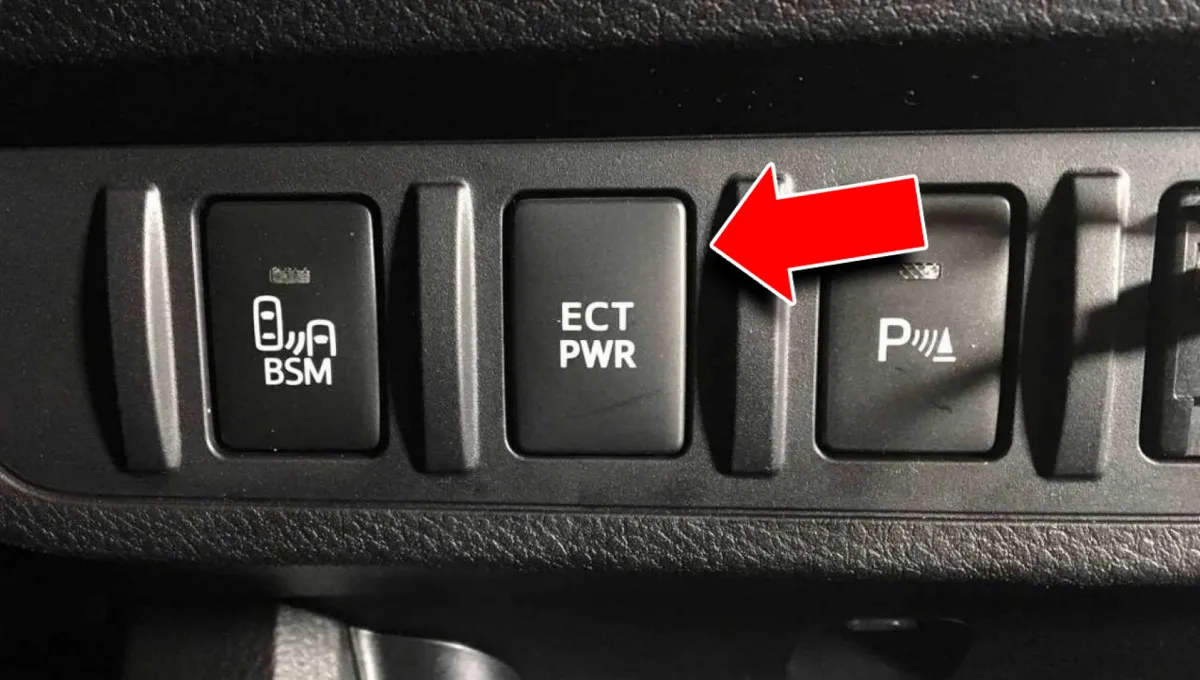
You Hit ECT PWR and Your Toyota Suddenly Wakes Up: What That Mysterious Button Really Does
This little button can change the way a Toyota drives, but plenty of owners have no idea what actually happens when they press it.
Toyota Built It to Survive 300,000 Miles. Tuners Turned It Into a 2,000-HP Beast
Toyota engineers may have gone too far with durability — and accidentally created the ultimate engine for hot-rodding.