
Tesla Recalls 2026 Model Y Over Front Suspension Fasteners That Could Affect Steering
Tesla has recalled select 2026 Model Y vehicles after front suspension fasteners were found improperly tightened during assembly.
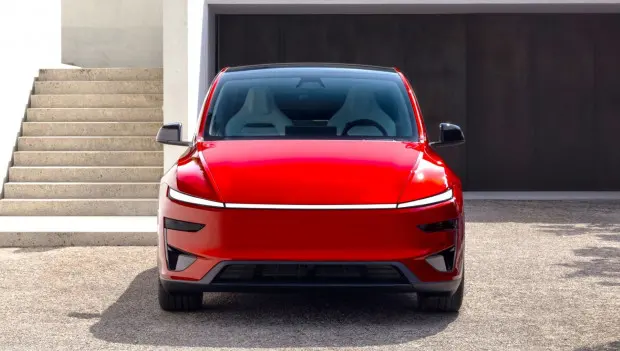
Tesla is recalling a batch of 2026 Model Y crossovers after front suspension fasteners were not tightened to the required specifications. The safety recall, documented by the National Highway Traffic Safety Administration (NHTSA), centers on loose bolts securing the front suspension lateral links. If those fasteners loosen, vehicle handling could deteriorate and the risk of a crash could rise.
The recall adds another manufacturing-related issue to Tesla’s broader record of vehicle safety actions. Industry tracking data places Tesla ninth among automotive brands in total recall filings this year. The company has also recently dealt with a potential 2.26 million-vehicle safety concern that was addressed primarily through software updates rather than physical service visits.
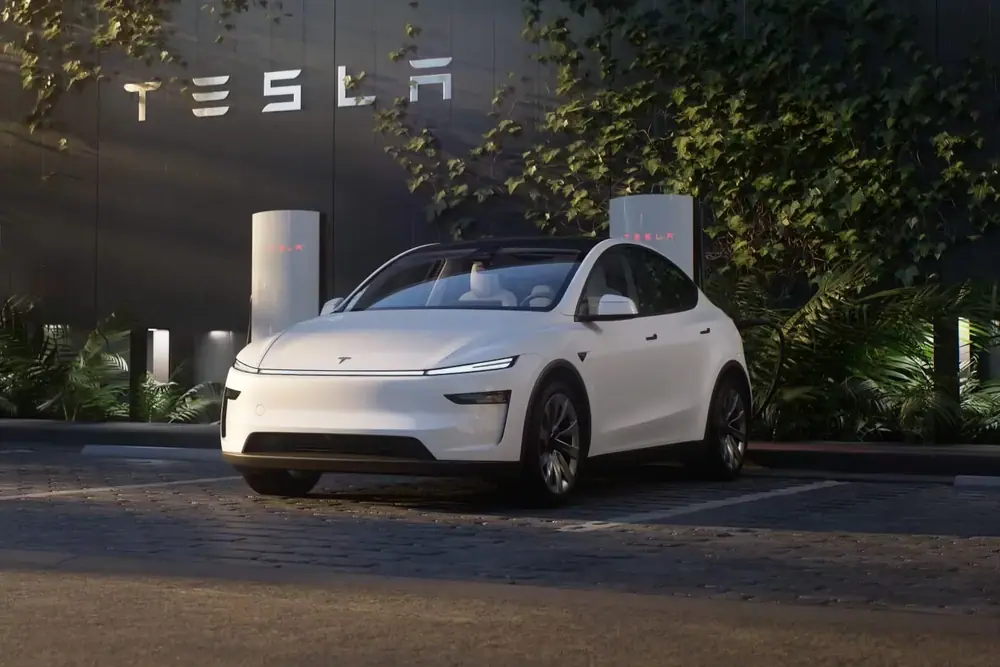
An Assembly Line Failure Left Critical Fasteners Under-Torqued
According to the NHTSA filing, the recall covers certain 2026 Model Y vehicles built between July 26 and August 4, 2026.
The problem originated with an automated assembly tool that had been temporarily deactivated during production. As a result, front suspension lateral link fasteners could move through the assembly process without receiving the torque required by Tesla’s specifications.
A bolt that loosens or separates while the vehicle is moving can alter the geometry of the front suspension. That can affect steering stability and potentially result in a loss of driver control.
Tesla service centers will inspect the affected fasteners and either tighten them to the proper specifications or replace damaged mounting hardware. The work will be performed at no cost to owners. Recall notification letters are scheduled to be sent by late October.
The issue comes alongside separate chassis concerns reported in overseas markets. Several Model Y owners documented rear suspension component failures under normal driving conditions this week. Together, the assembly-related torque problem and those field reports have renewed attention on quality verification procedures at Tesla’s production facilities.
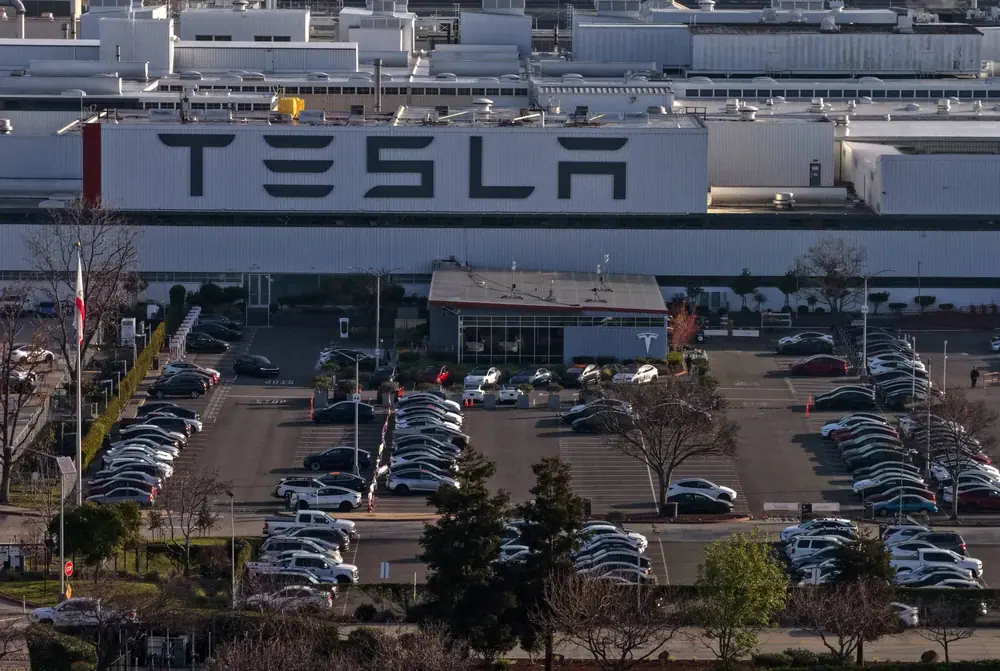
An OTA Update Cannot Fix a Mechanical Assembly Problem
Manufacturing errors occur throughout the automotive industry, but improperly secured structural fasteners on newly delivered vehicles expose weaknesses in basic assembly verification.
Automated torque equipment is widely used across the industry, making secondary inspection procedures an important safeguard against critical hardware leaving a factory under-torqued.
Tesla has established a strong ability to address electronic and software-related problems remotely through over-the-air updates. Mechanical integrity presents a different challenge because it depends on what happens on the factory floor.
As Tesla expands production across its global manufacturing network, consistent physical quality control remains central to vehicle safety and consumer trust.
You may also be interested in the news:
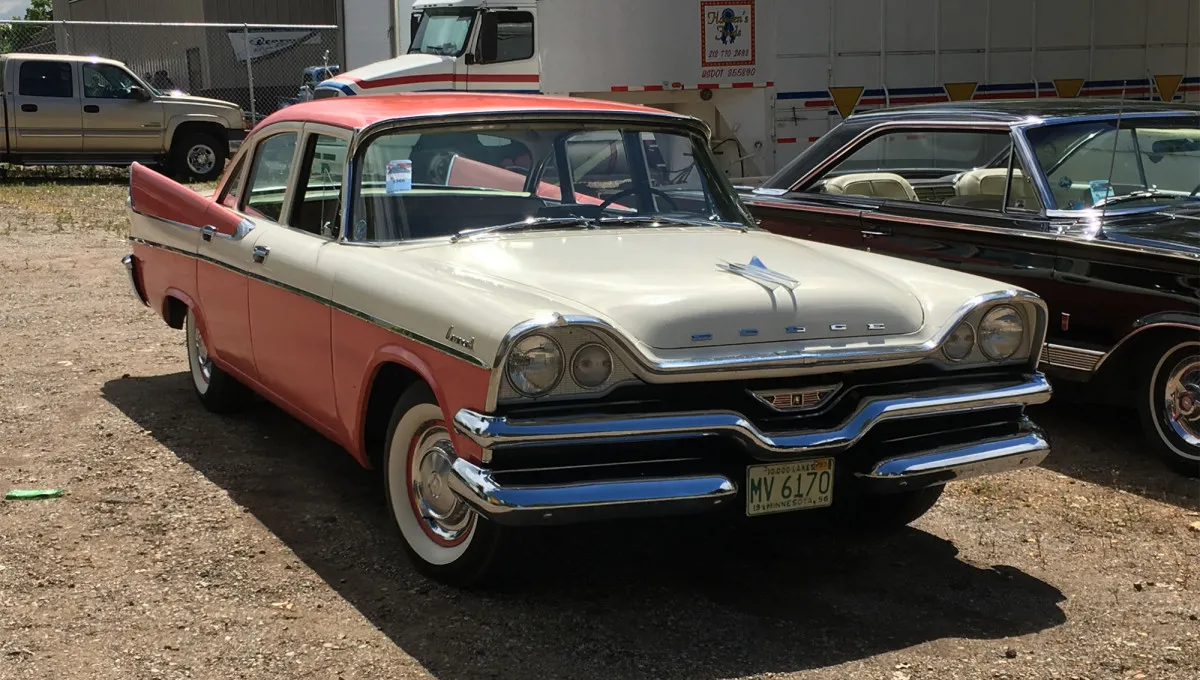
The 1957 Dodge: How “Autodynamics” Shaped One of Detroit’s Boldest Designs
The 1957 Dodge Looked Like a Dream Car, but Its Biggest Flaw Was Hiding Beneath the Surface.
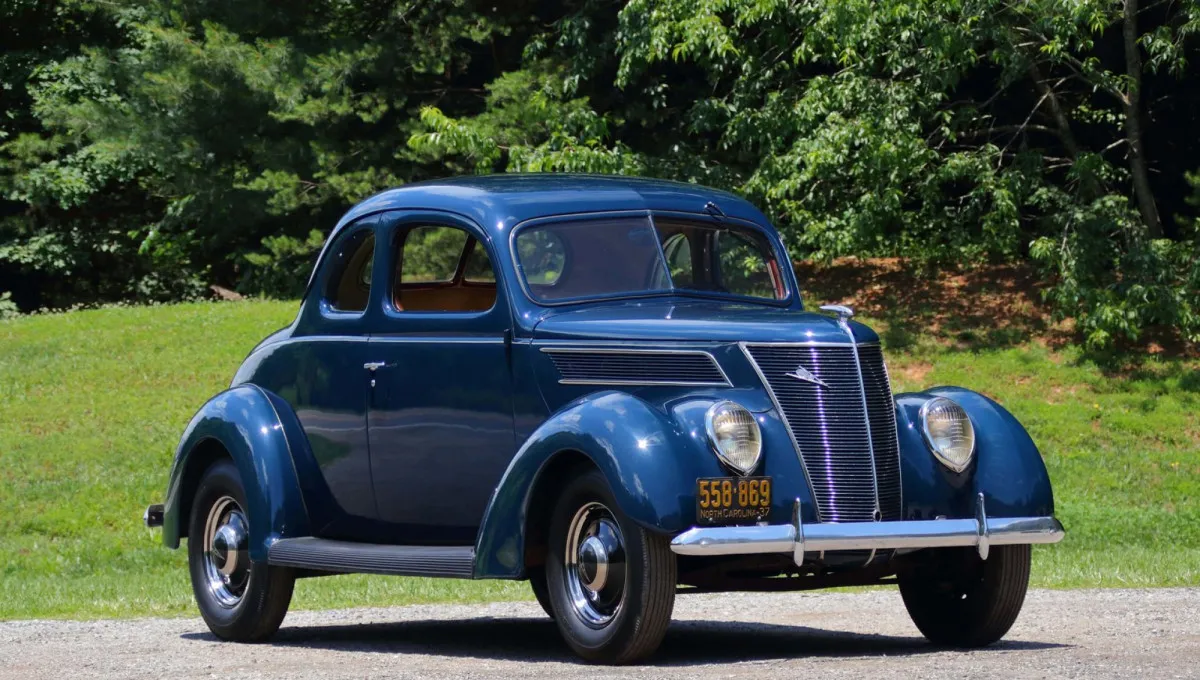
The 1937 Ford Was a Quality Car at an Affordable Price — Here’s What Made It Stand Out
The 1937 Ford featured several major changes and improvements. Let’s take a closer look.
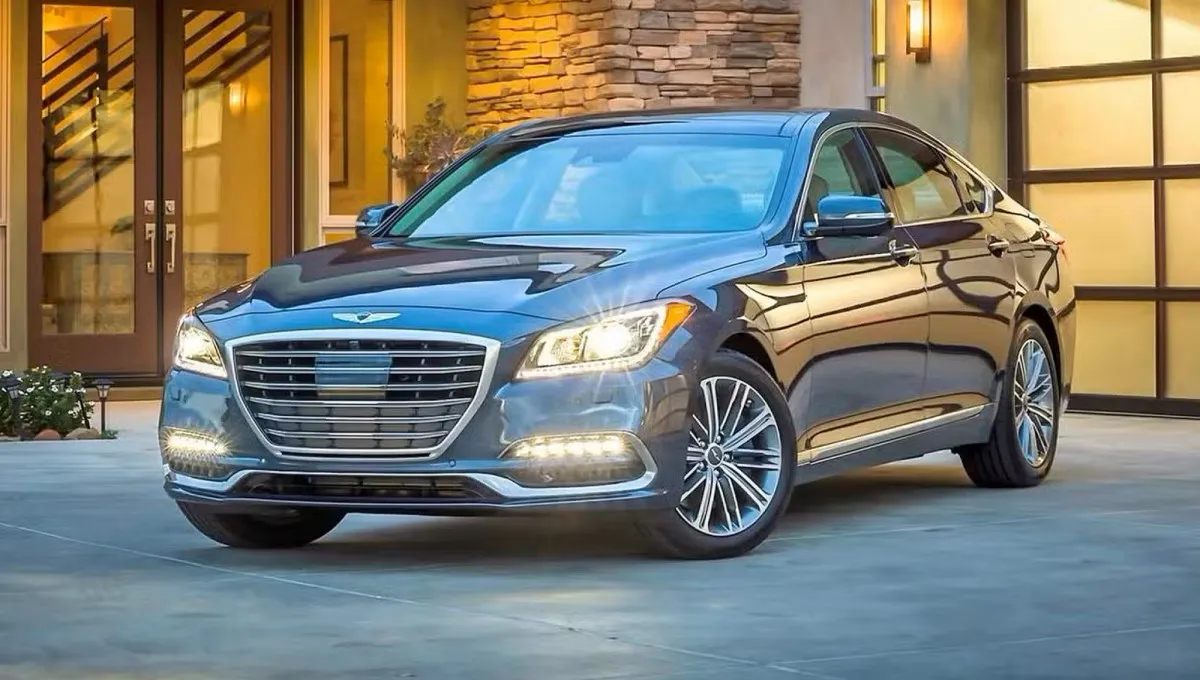
Hyundai Recalls Nearly 95,000 Genesis Sedans Over Fire Risk From Power Seats
Hyundai is recalling 94,622 Genesis sedans after a faulty power seat switch was linked to overheating and potential vehicle fires.
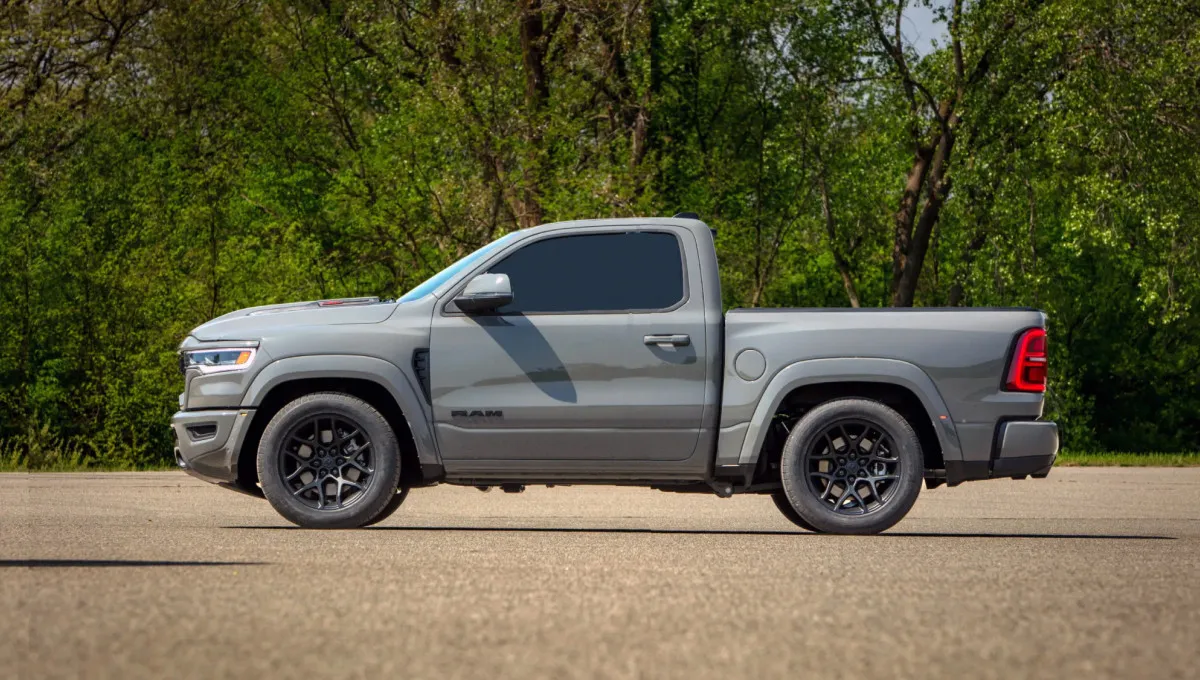
2027 Ram 1500 Rumble Bee: Pricing, Options and How to Build Yours
The 777-HP Ram Rumble Bee Is Coming — But You Can Buy the New Hemi Truck Now
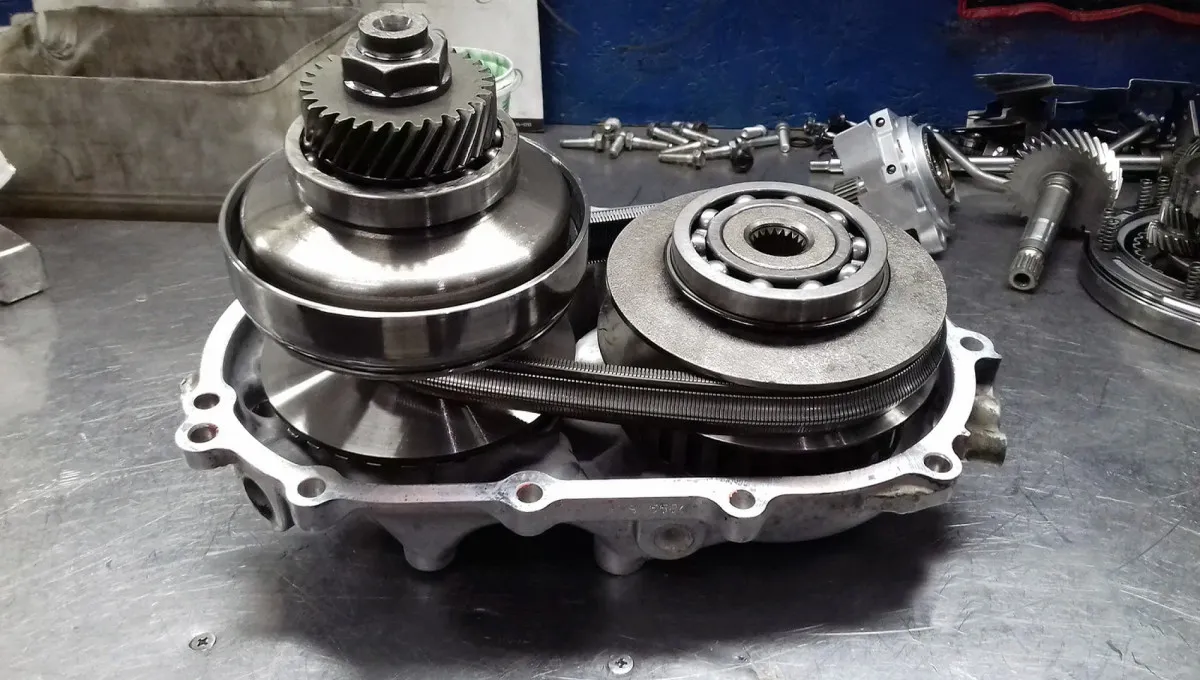
Why Experienced Drivers Still Warn Against Buying a Used Car With a CVT
CVTs offer smooth acceleration and good fuel economy, but expensive repairs and durability concerns make used models risky.