
Why Experienced Drivers Put Shaving Cream on Their Car Windows and Mirrors
How to fight windshield fog without a dedicated anti-fog product—and how to use shaving cream without leaving streaks
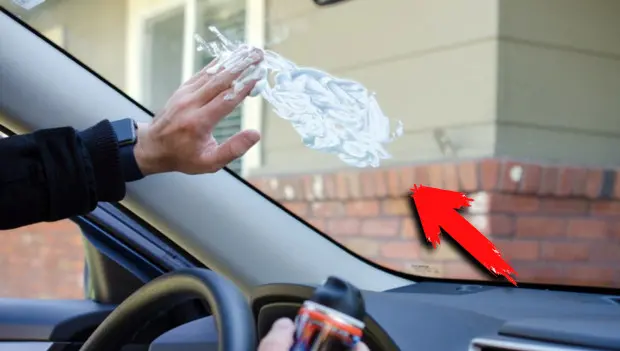
As colder, wetter weather arrives, fogged-up car windows can quickly become more than an annoyance. Reduced visibility can be a serious safety concern, especially when driving at night or in poor weather. While dedicated anti-fog products are available, some drivers swear by a surprisingly simple household alternative: shaving cream.

We previously looked at how you don't need expensive products to clean your car's floor mats. A little baking soda can help freshen up the cabin and eliminate odors caused by moisture, food and dirt.
According to car-care enthusiasts and the many unusual automotive hacks circulating online, shaving cream can also be used as an alternative to specialized products designed to prevent glass from fogging.
How the anti-fog effect works
Car windows fog up because of condensation. When warm, humid air comes into contact with a cold glass surface, moisture forms a layer of tiny droplets. Those droplets scatter light and create the familiar foggy appearance that can make it harder to see.
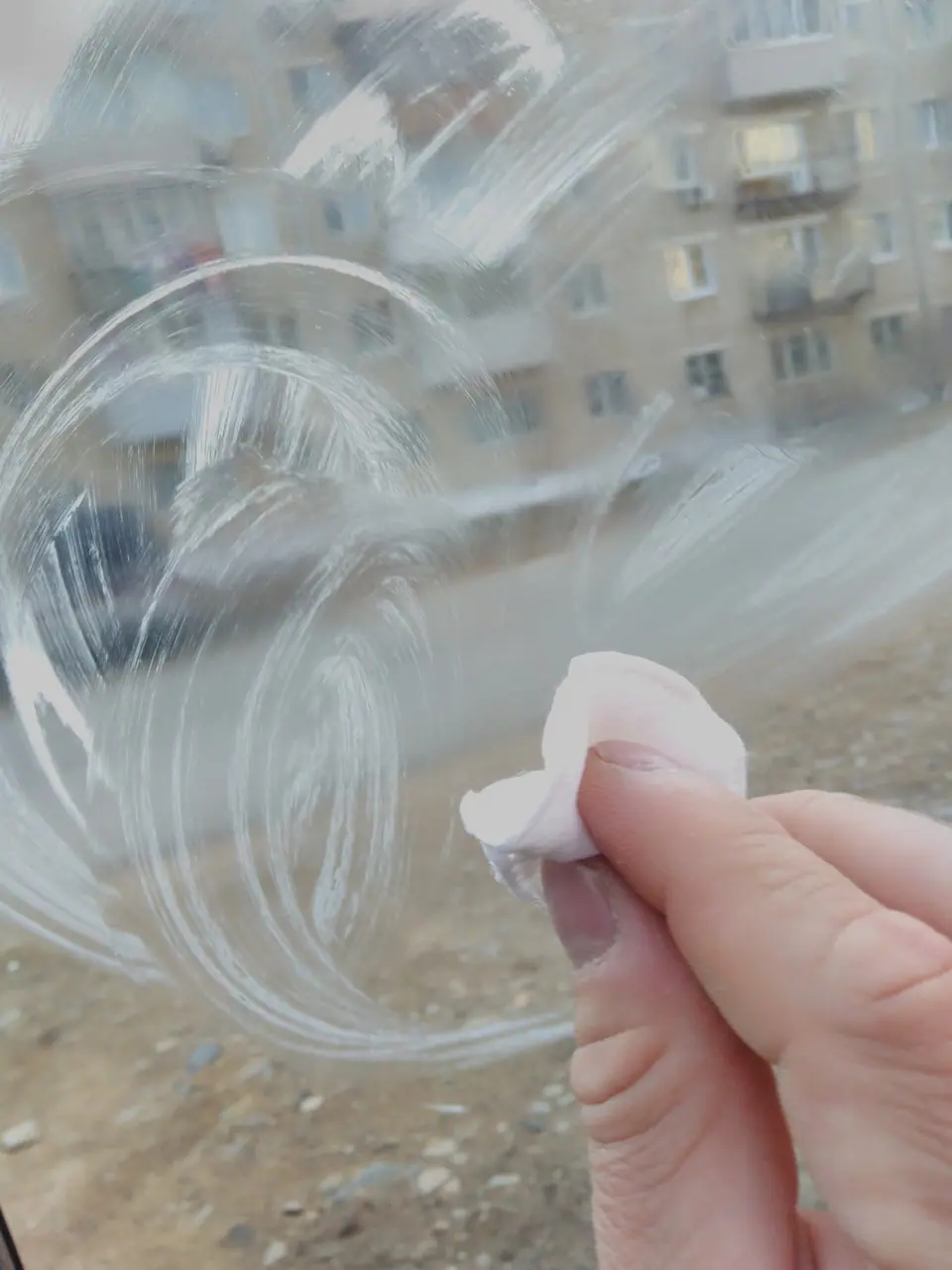
Shaving cream contains ingredients that can affect how moisture behaves on a glass surface. When a very thin layer is applied and then thoroughly buffed away, it can leave behind an almost invisible residue. That residue may help moisture spread more evenly across the glass instead of forming thousands of individual droplets.
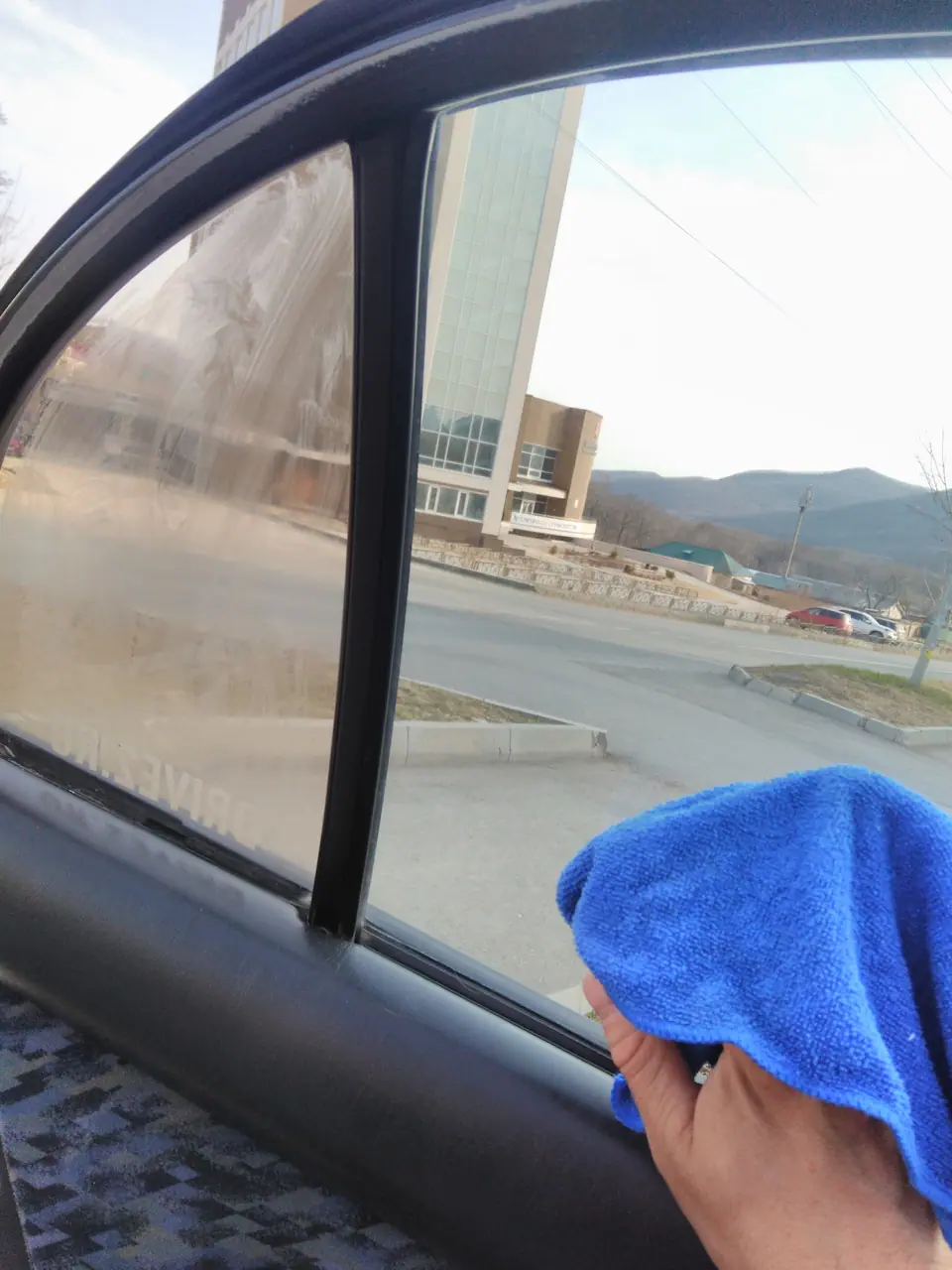
The result is a surface that can remain clearer for longer, making fogging less noticeable. The same basic principle is used by many commercial anti-fog products designed to protect transparent surfaces from condensation.
How to apply shaving cream to your car windows
For this household trick to work as effectively as possible, the glass needs to be properly cleaned and virtually all of the excess product must be removed.
Clean the glass: Thoroughly wash the windshield or mirrors and dry them completely. There should be no dust, dirt or greasy film left on the surface.
Apply the shaving cream: Use a small amount of traditional shaving cream. Spread it over the glass in a very thin, even layer.
Let it sit: Leave the cream on the surface for a few minutes. There's no need to apply a thick layer or wait for it to dry completely.
Buff it out: Using a clean, dry microfiber cloth, thoroughly polish the glass until it is clear and there are no visible traces of shaving cream.
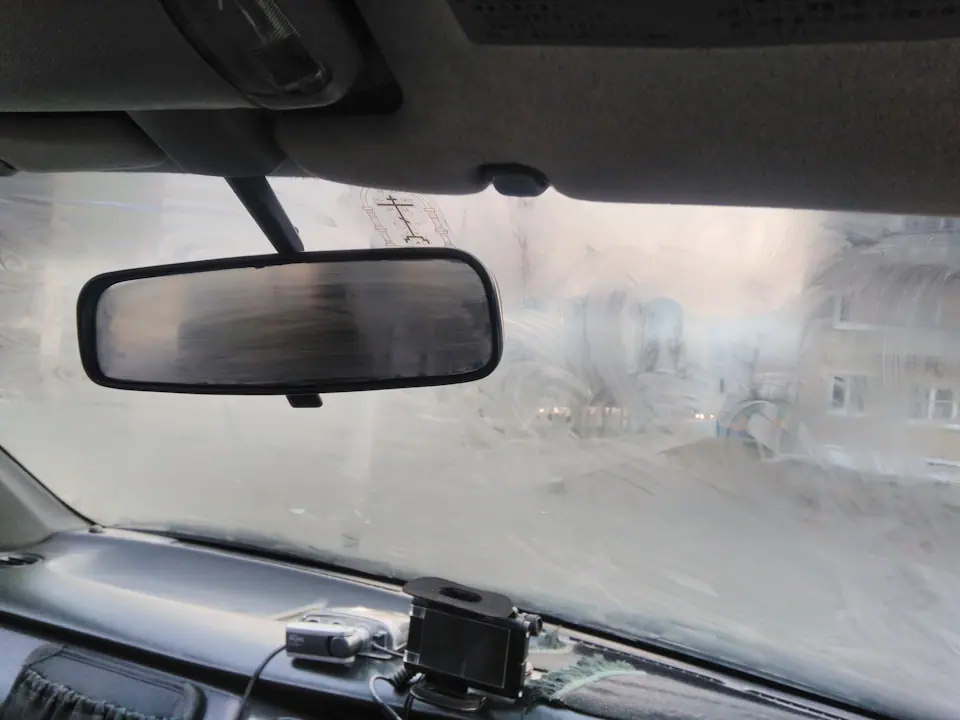
The final polishing step is particularly important. Leaving too much product behind can create streaks and actually make visibility worse rather than better.
At the same time, this household trick shouldn't be considered a substitute for a properly functioning defroster, heater, ventilation system or air conditioning.

If your car's windows are constantly fogging up, it's worth checking the cabin air filter and ventilation system and making sure excessive moisture isn't building up inside the vehicle.
Before treating all of the windows, it's also a good idea to test the shaving cream on a small area first. That way, you can make sure it doesn't leave streaks or interfere with visibility.
You may also be interested in the news:
Tow Truck Driver Reveals a Hidden Car Feature That Could Save Your Life in an Emergency
A professional tow truck driver revealed a little-known feature that can help drivers move a disabled vehicle to safety.
The Household Staple That Helps Remove Bumper Stickers Without Damaging Your Car
Removing an old bumper sticker is easier with rubbing alcohol, which helps dissolve stubborn adhesive residue from your car.
Useful for Many Drivers and Mechanics: This DIY Tool Makes Adding Engine Oil Much Easier
A simple homemade funnel helps drivers add engine oil cleanly, avoid spills, and reach hard-to-access filler openings.
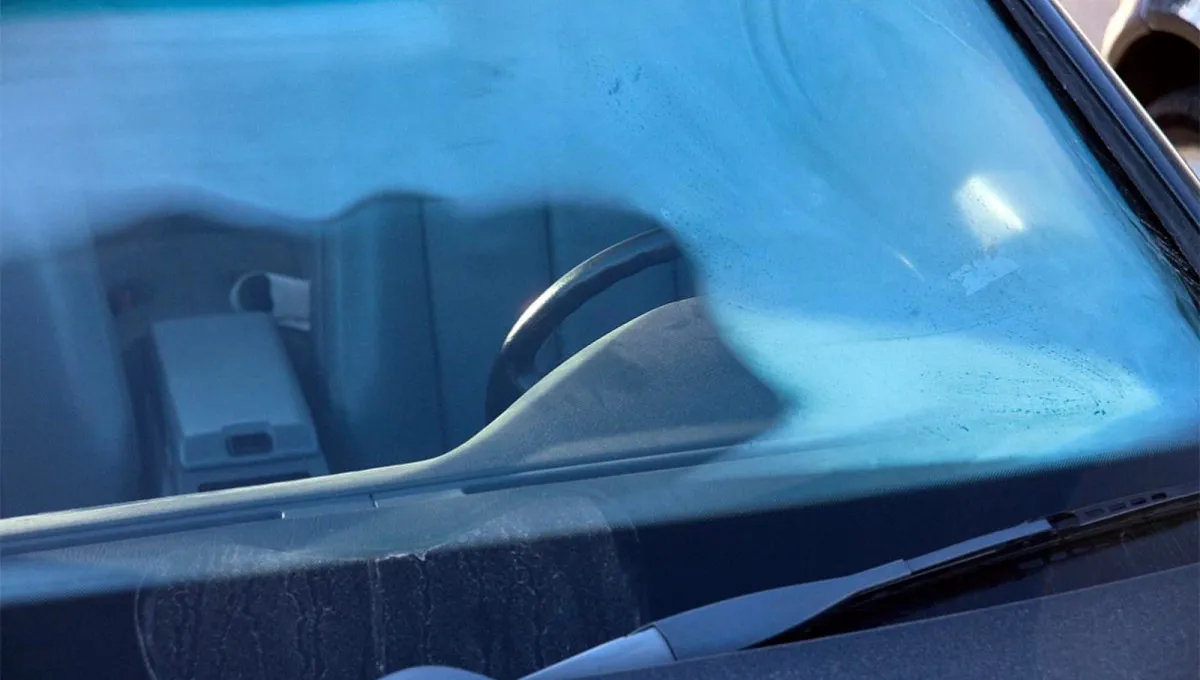
Foggy Windows in Dry Weather: What Problem Could This Indicate?
Foggy car windows can signal anything from excess cabin moisture to a clogged air filter or a hidden coolant leak.
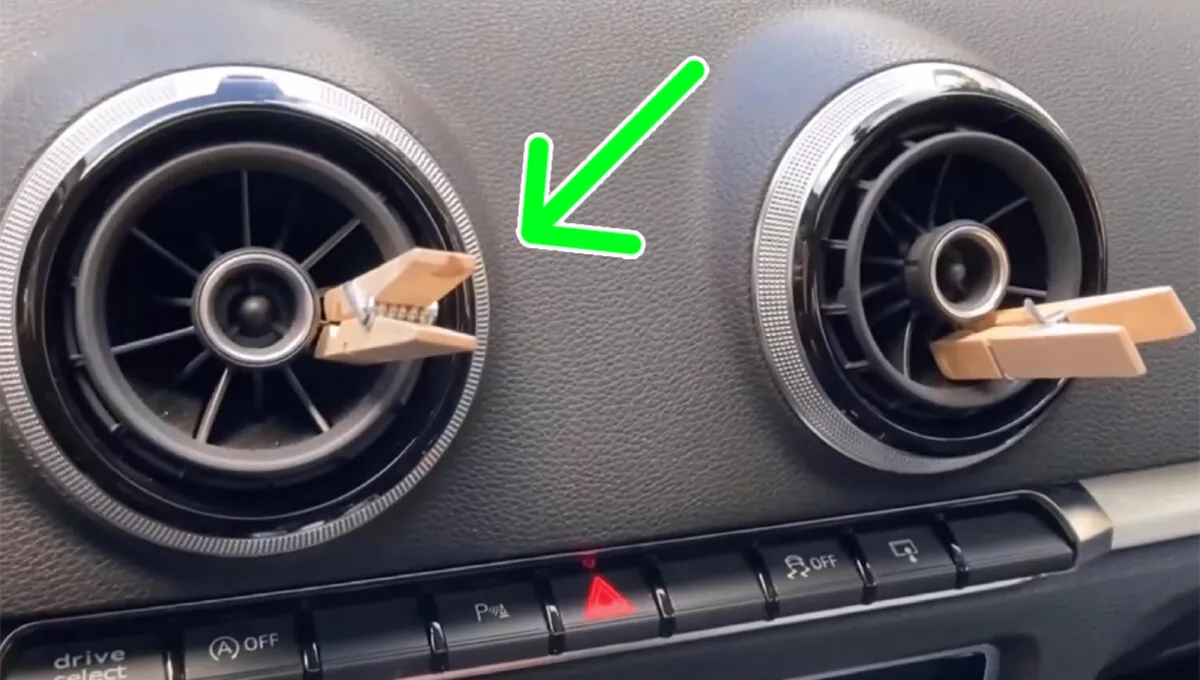
Why Experienced Drivers Keep a Simple Wooden Clothespin in Their Cars
A wooden clothespin clipped inside a car might look out of place, but some drivers use it for several surprisingly practical purposes.