
Portugal’s New Super Hybrid Packs a Ford Engine and Le Mans Ambitions
Portuguese startup Adamastor unveiled the carbon-fiber Furia hypercar, combining Ford GT power with serious plans for endurance racing glory.
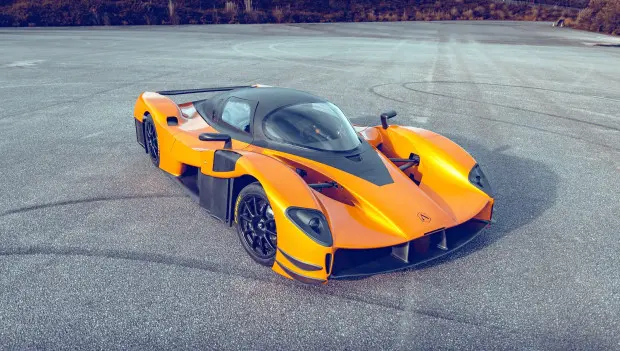
Europe has a new supercar manufacturer — and this time it’s not coming from Italy, Germany, or the UK. A startup called Adamastor, based in Porto, Portugal, has revealed its first production car: the Adamastor Furia.
And this isn’t just another flashy concept designed for Instagram renders and auto show spotlights.
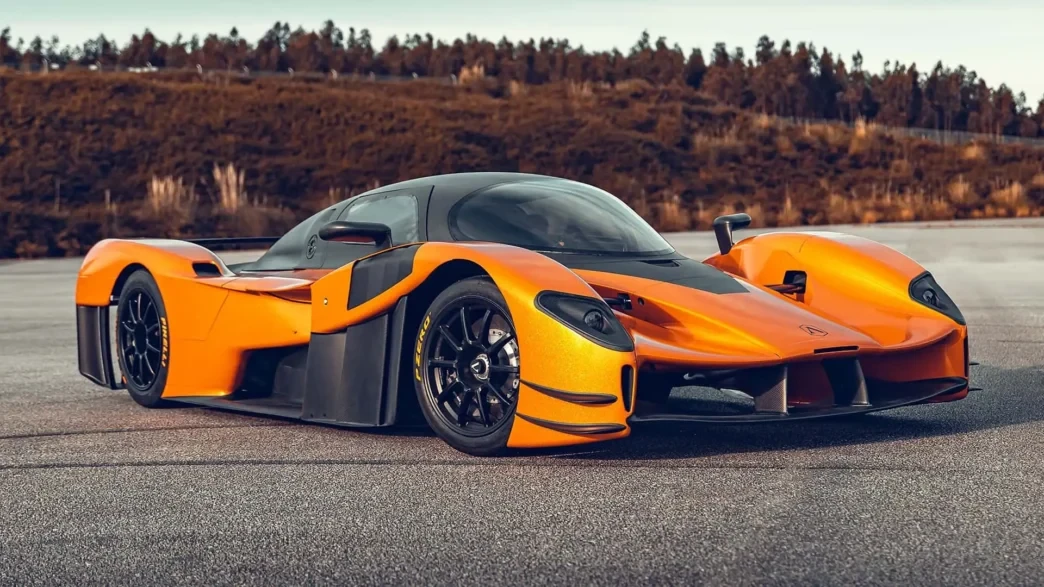
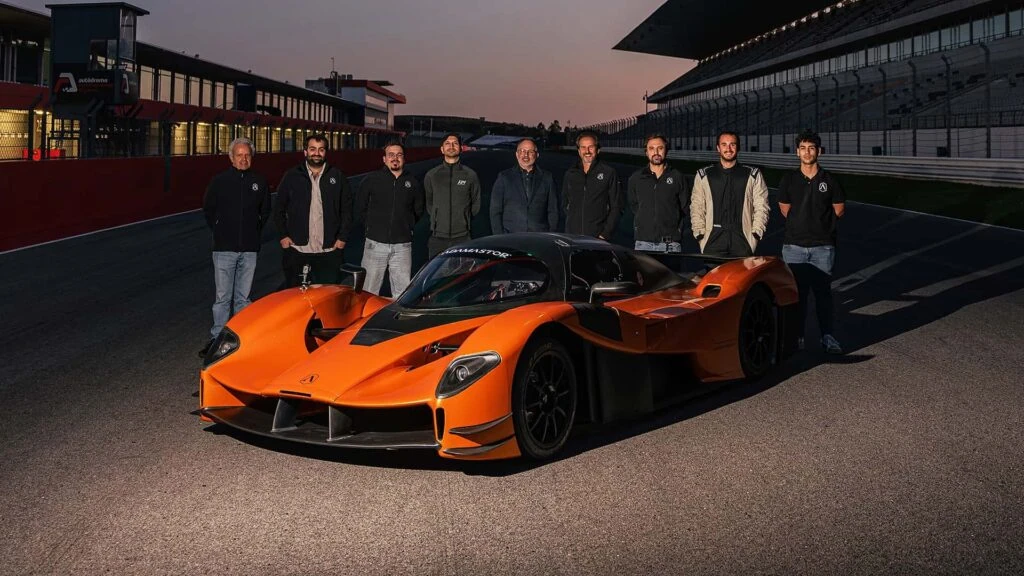
The company is openly targeting the world of endurance racing. Adamastor says the Furia is intended to serve as the foundation for a future motorsports program aimed at the legendary 24 Hours of Le Mans. The road-going version is only the beginning.
Pricing reflects those ambitions. The Furia starts at roughly $1.75 million before taxes, while a fully taxed European-spec model climbs close to $2.2 million.
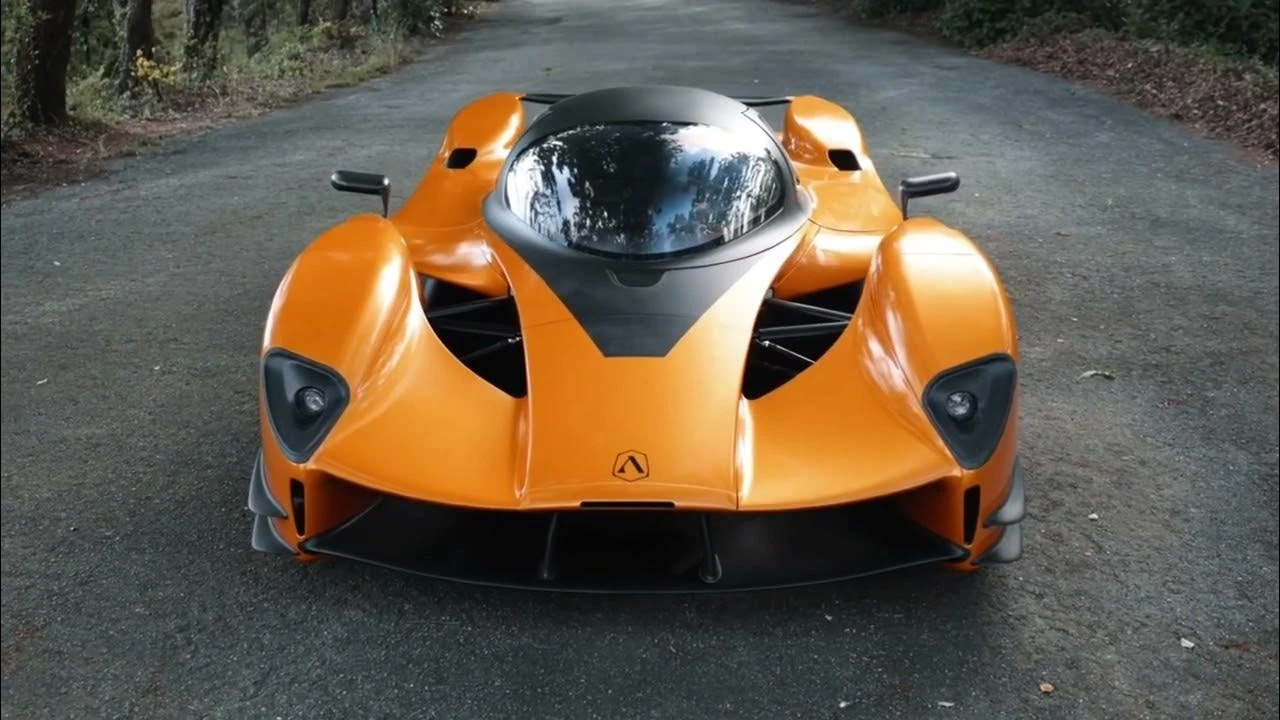
For that money, buyers get an ultra-light carbon-fiber hypercar weighing just over 2,300 pounds and powered by a Ford-derived engine.
And it’s not just any Ford engine.
Mounted behind the seats is the twin-turbocharged 3.5-liter V6 from the Ford GT, developed by Ford Performance. Output is rated at more than 650 horsepower, while 421 lb-ft of torque arrives low in the rev range.
According to Adamastor, the Furia can sprint from 0 to 62 mph in around 3.5 seconds and reach a top speed exceeding 186 mph.
But straight-line speed isn’t the car’s defining feature.
The entire project was engineered around aerodynamics. The body is built entirely from carbon fiber, while most of the downforce comes from two massive Venturi tunnels underneath the car. That allowed designers to avoid the oversized wings and extreme aero add-ons seen on many modern hypercars.
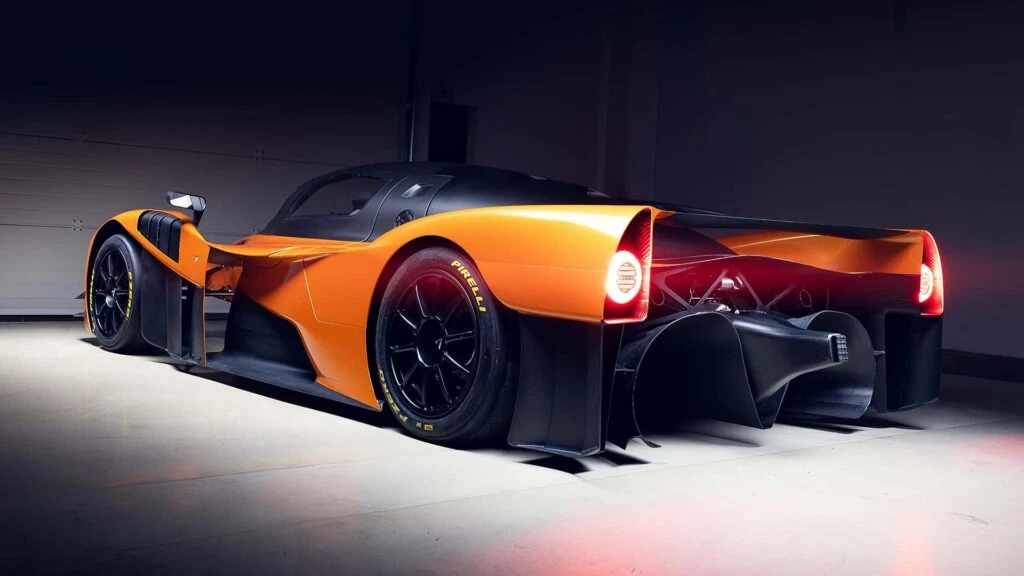
As a result, the Furia looks surprisingly clean and elegant for a machine designed with track performance in mind — even if every line still screams race car.
The proportions are equally dramatic. The car stretches roughly 181 inches long, measures more than 86 inches wide, and stands barely 41 inches tall. The low-slung stance and extra width were chosen specifically to maximize high-speed stability.
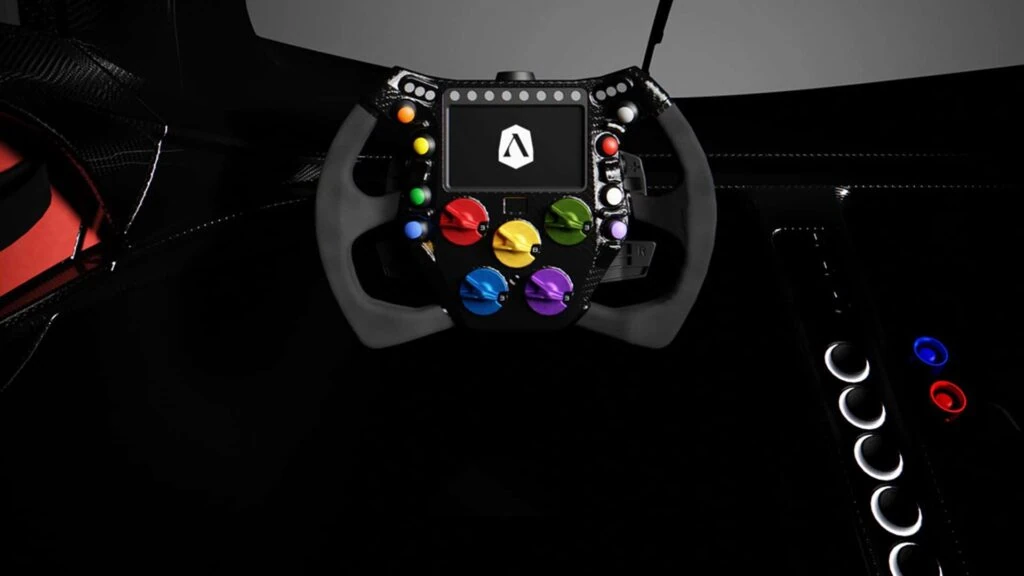
Inside, the two-seat cockpit is integrated directly into a carbon-fiber monocoque with a built-in roll cage, giving the cabin a layout that feels closer to a professional race car than a traditional road-going exotic.
Weight is another major talking point.
Adamastor says the Furia has a dry weight of just 2,315 pounds, achieved through extensive use of carbon composites and an aggressively lightweight structure.
The layout follows classic supercar engineering: a longitudinal mid-engine setup driving the rear wheels.
The suspension uses fully adjustable double wishbones at all four corners, while braking hardware comes from AP Racing. Six-piston calipers handle the front axle, with four-piston units at the rear.
The transmission is equally race-focused — a sequential gearbox supplied by Hewland and operated through paddle shifters.
Things become even more extreme in the track-only configuration.
Adamastor claims the hardcore version of the Furia will generate nearly 4,000 pounds of downforce at 155 mph — numbers usually associated with full-fledged racing prototypes.
Production will remain extremely limited. Only around 60 examples are planned, with every car hand-built in Portugal by dedicated assembly teams. The company says this approach will allow extensive customization while maintaining strict quality control.
And honestly, the mere existence of a project like this is impressive.
Building a new supercar company from scratch in today’s automotive industry is incredibly difficult. Announcing plans to eventually compete at Le Mans is even bolder.
Still, at least visually, the Furia already looks like a machine capable of lining up alongside the biggest names in endurance racing someday.
You may also be interested in the news:
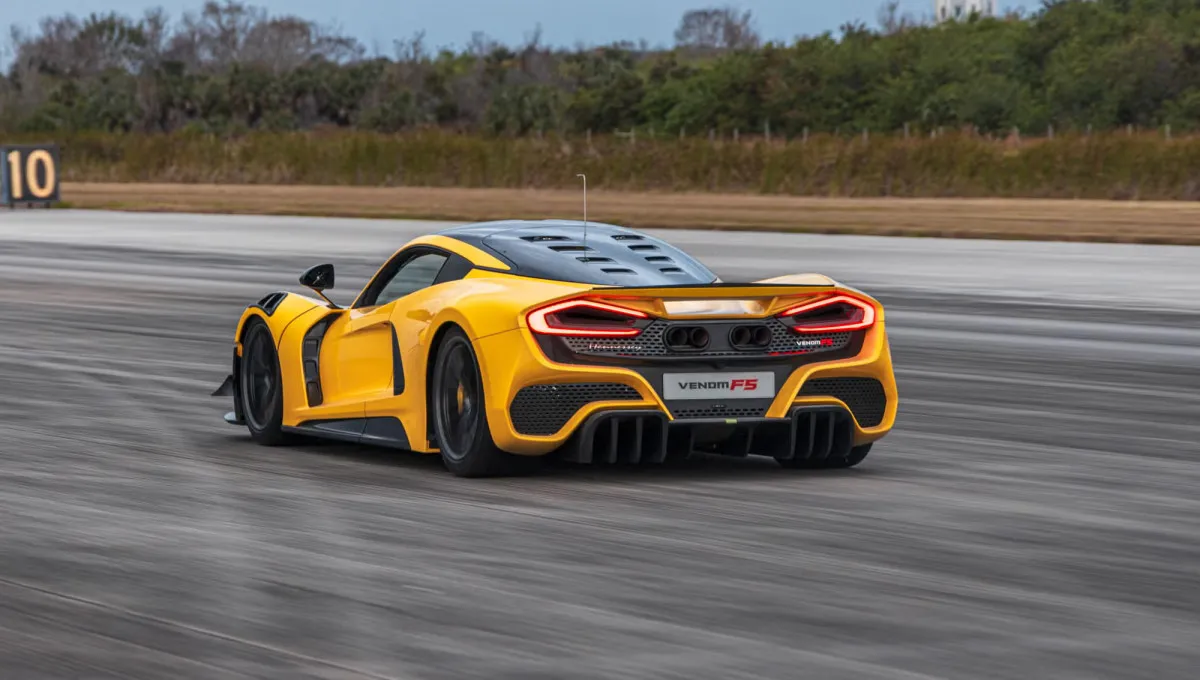
Experts Name the Two Most Powerful Production Sports Cars in the U.S.
American sports cars continue to impress with their horsepower, speed and innovative engineering, with two models standing above the rest.

5 Rare American Cars You Probably Never Knew Existed — Why They Remained Toys for the Few
America knows how to build cars. Sometimes they’re so brilliant that the rest of the world ends up copying them.
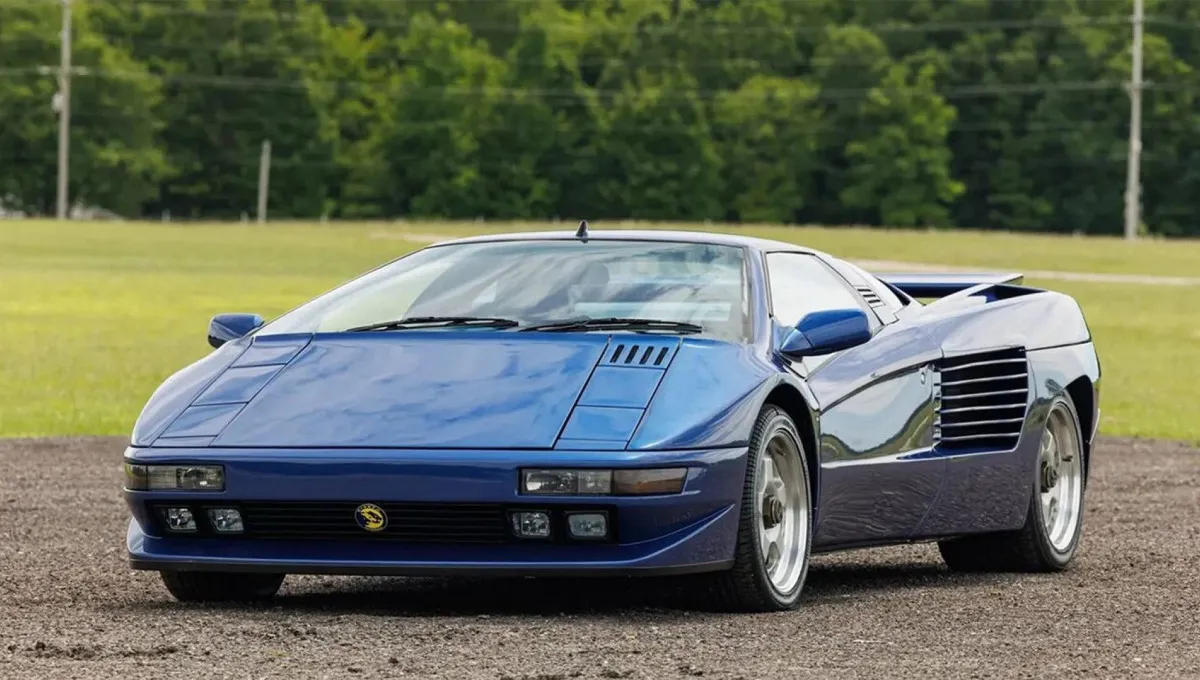
The “Hypercar Among Supercars”: The Story of the Unique Cizeta Moroder With a V16 Engine
In the world of automotive exotica, few cars are as mysterious and ambitious as the Italian Cizeta V16T.
6 Most Incredible Hypercars: You’re Almost Never Going to See Them on the Road
Today’s most extreme performance cars are hypercars, combining staggering power, cutting-edge technology and production numbers measured in the hundreds.

Rezvani Dune Is an Off-Road Lamborghini Huracán With an 800-HP V10
Rezvani will build just seven examples of the new Dune supercar.