
“Boom — Too Late”: How Drivers Can Quickly Learn the Real Distance Between Their Car and a Wall
Learning to judge your car’s dimensions accurately can prevent parking damage, curb scrapes, and costly low-speed accidents daily.
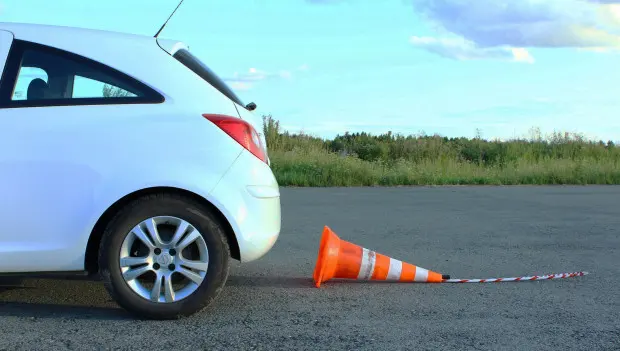
Being able to accurately judge the size of your vehicle — and the distance between your car and nearby obstacles — is one of the most important driving skills anyone can develop. It doesn’t matter whether you’re a brand-new driver or someone with years behind the wheel. This ability plays a huge role in avoiding dents, scratched bumpers, damaged wheels, and parking mishaps during everyday driving.
One of the biggest keys to safe parking and lane changes is properly adjusted mirrors. If there’s any doubt about mirror positioning, drivers should take a moment to readjust them before hitting the road. The left side mirror is especially important because it helps establish visual reference points along the vehicle’s body. Once drivers memorize those visual markers, maneuvering in tight spaces becomes much easier and safer.
The windshield can also help estimate the distance between the front bumper and nearby objects. But for that system to actually work, drivers first need to identify reliable visual reference points and remember them consistently.
Experienced drivers often develop their own reference marks using certain spots on the vehicle itself. Some use natural alignment points visible through the windshield or rear glass, while others place small stickers on the windshield to help track wheel position during parking. On hatchbacks and SUVs, even the rear wiper can become a useful visual guide when backing up near curbs or walls.
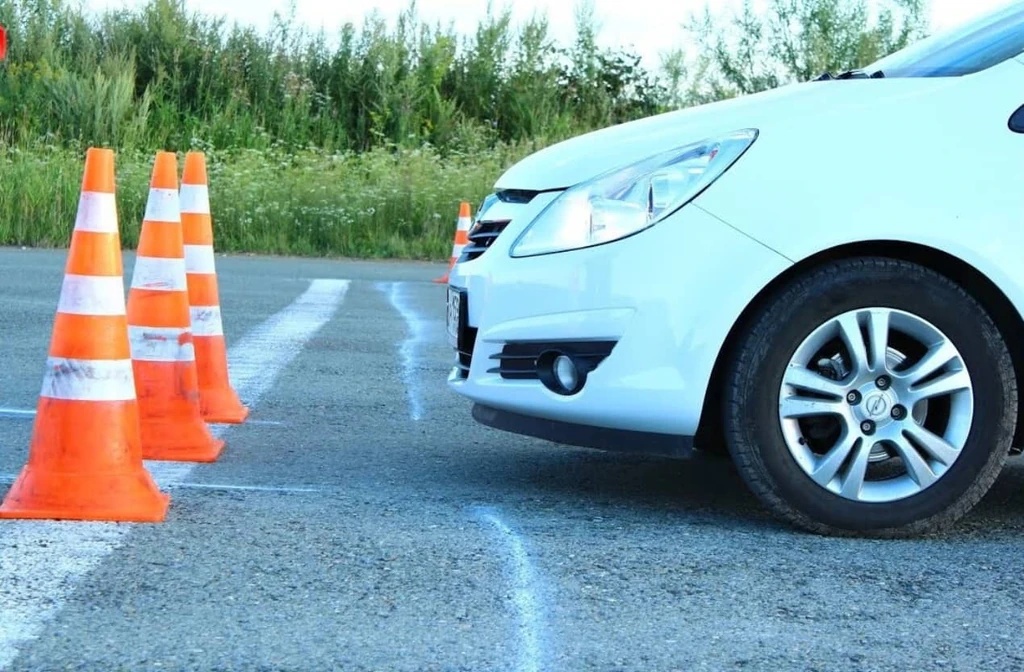
Of course, every vehicle is different, so these reference points need to match the dimensions and seating position of the specific car being driven.
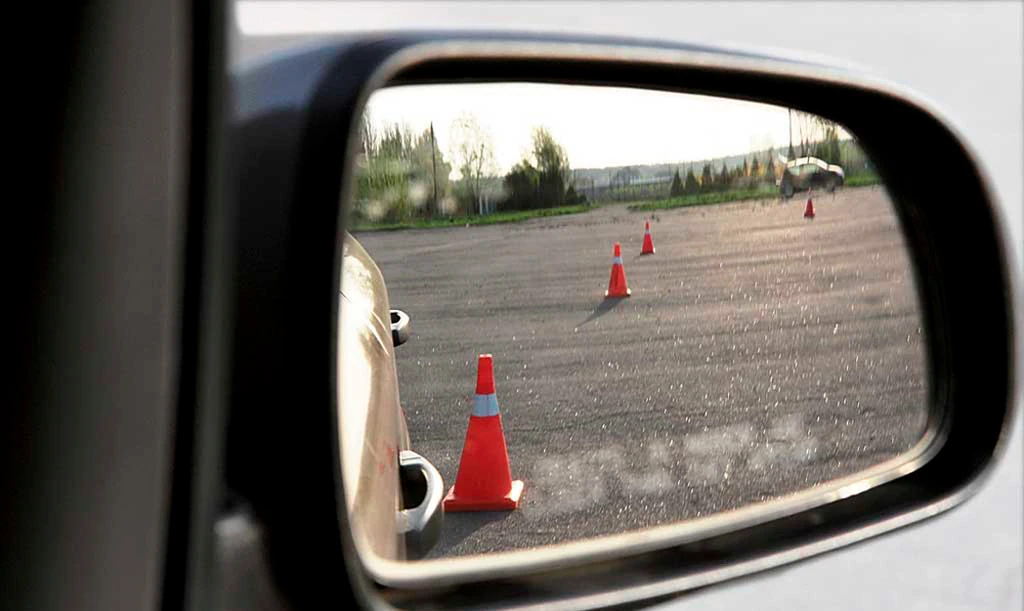
Mirrors also become extremely useful when parking close to a curb or wall. Drivers can practice approaching a curb slowly to determine where it appears relative to the bottom edge of the side mirror. In most situations, a safe parking distance is roughly 6 to 8 inches away from the curb.
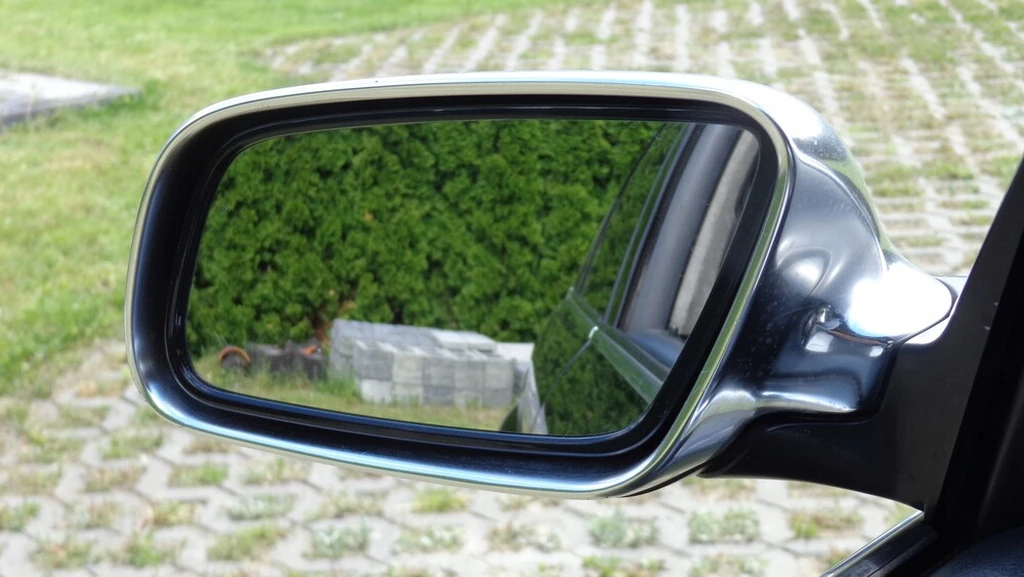
The same technique works when pulling toward a wall or garage barrier. Drivers can continue creeping forward until the lower edge of the side mirror visually lines up with the bottom edge of the wall. If the mirrors are adjusted correctly, that alignment usually leaves around 8 inches of clearance between the vehicle and the obstacle.
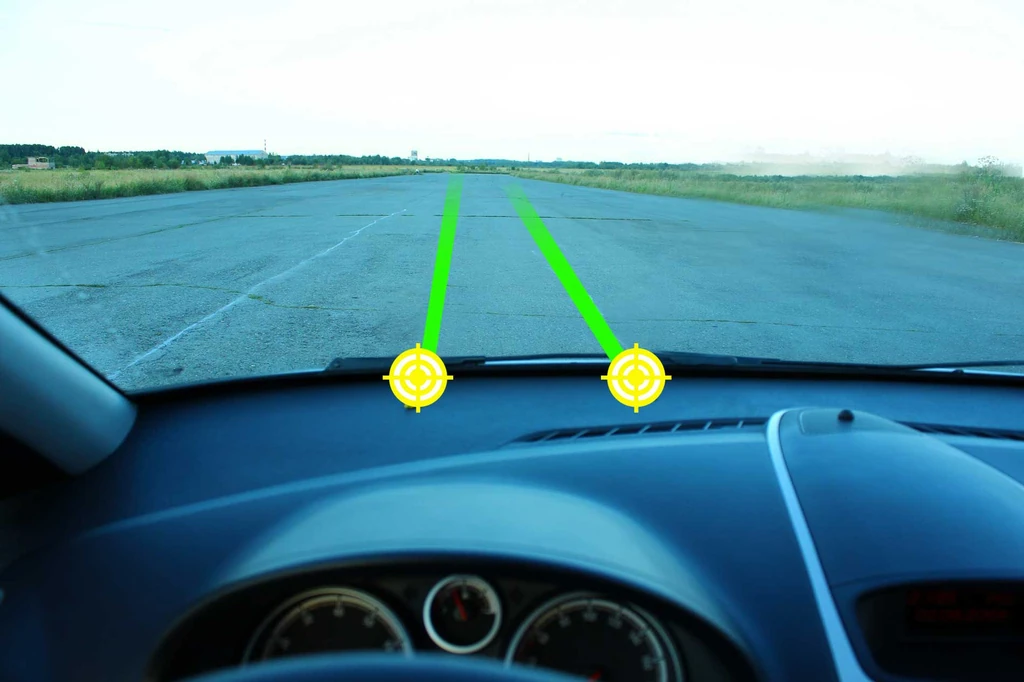
Developing this kind of spatial awareness takes practice, but once mastered, it dramatically reduces stress during parking and helps drivers avoid those painful “boom, too late” moments.
You may also be interested in the news:
Your Engine Could Be Warning You: 6 Problems That Can Make a Car Run Rough
Engine problems rarely happen without a reason, and six common issues can cause a car to run poorly.
Changing Your Car’s Filters: How to Do Basic Maintenance Yourself Without Damaging the Engine
Changing the oil, engine air filter and cabin air filter yourself can save money, but small mistakes can cause expensive problems.
That Stuff in Your Trunk Is Costing You More Than You Think—Here’s What to Take Out
Carrying unnecessary cargo can quietly increase fuel use, accelerate wear and create an avoidable safety hazard for drivers and passengers.
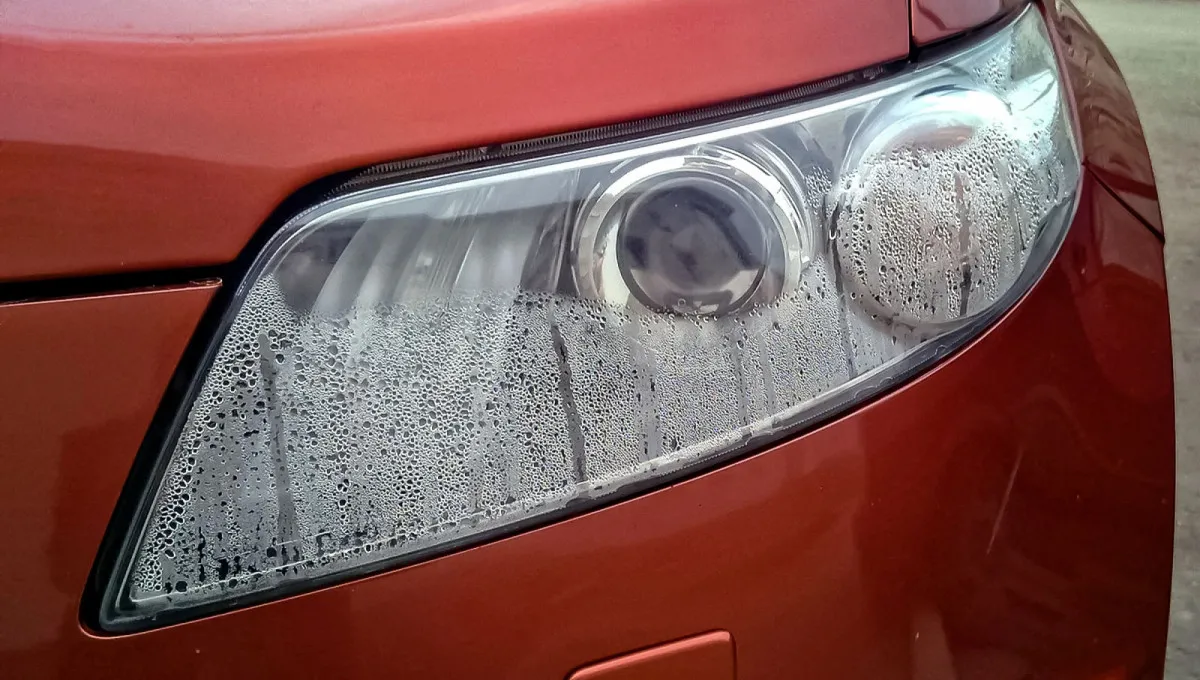
Your Headlights Are Fogging Up for a Reason: 4 Causes and 5 Steps to Fix Them
Foggy headlights are not always a sign of damage, but persistent condensation can point to a problem that needs attention.
Why Is Your Car’s Suspension Making a Knocking Noise? 5 Symptoms Every Driver Should Know
Five common suspension noises can point to specific problems, helping drivers narrow the cause before inspection.