
How to Quickly Get Rid of Scratches on Your Car's Glass
Minor scratches on automotive glass don't have to be permanent if they're treated correctly.
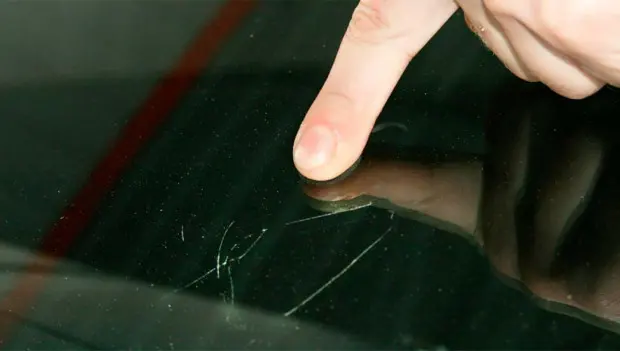
Every driver wants their car's glass to look as clear and flawless as the day the vehicle rolled off the lot. That's perfectly understandable. But over time, tiny scratches and swirl marks inevitably begin to appear. Left unchecked, these imperfections can dull the appearance of the vehicle and make the glass look aged. Fortunately, light surface damage can often be corrected through polishing.
What You'll Need
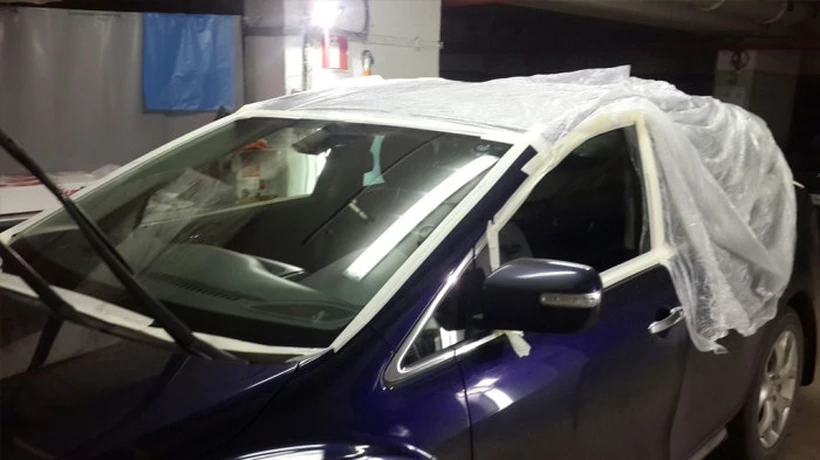
Before getting started, you'll need a few basic supplies. A dedicated polishing machine is ideal, but a standard drill fitted with a felt polishing pad can also work. The tool's speed should be kept below 1,500 rpm.
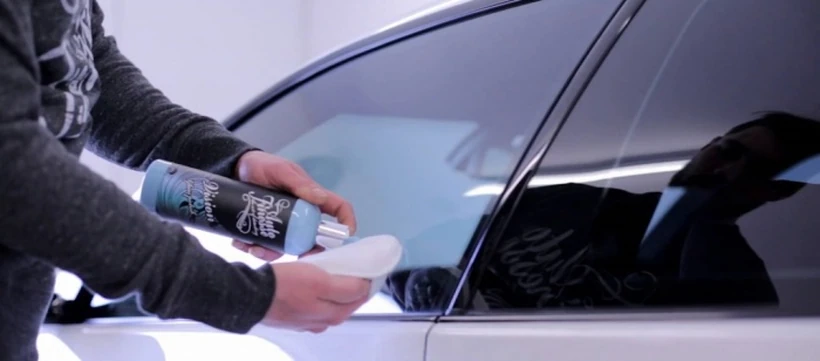
You'll also need glass polishing compound or abrasive powder, polishing pads of varying firmness, a washable marker, plastic sheeting, painter's tape, glass cleaner, and several paper towels.
Preparing the Surface
The first step is to thoroughly clean and dry the glass. Once that's done, protect nearby body panels and surrounding surfaces by covering them with plastic sheeting secured with tape.
Next, mark the scratches with a marker so they're easier to locate during the polishing process.
One important note: this method is intended for light scratches only. It will not repair chips or deep damage.
Polishing the Glass
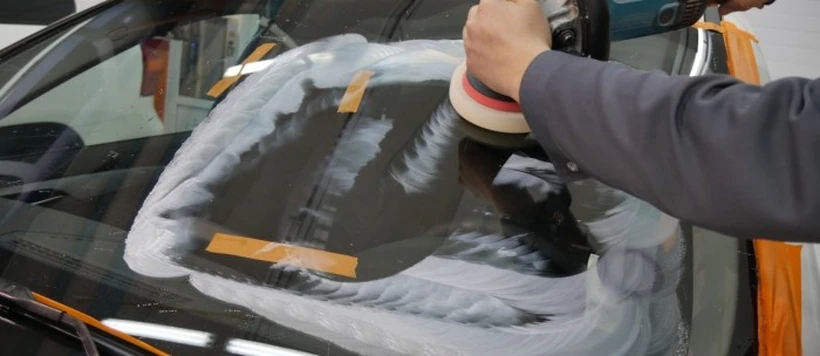
Apply a small amount of polishing compound to the damaged area. Work on sections no larger than about 14 by 14 inches, since the material tends to dry out quickly.
Using the polishing tool at roughly a five-degree angle and applying virtually no pressure, make smooth and continuous movements across the surface. Avoid staying in one spot for too long.
To prevent overheating, periodically spray the glass with water using a spray bottle.
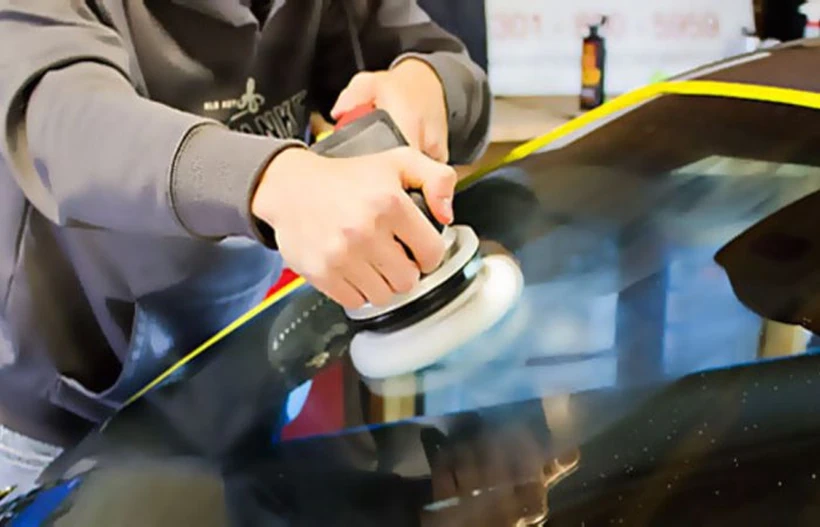
After finishing one section, move on to the next. The key is to keep the tool moving constantly. Pausing in one area can create uneven results and potentially damage the surface.
Once the entire job is complete, clean the glass thoroughly and inspect the results.
A Final Reminder
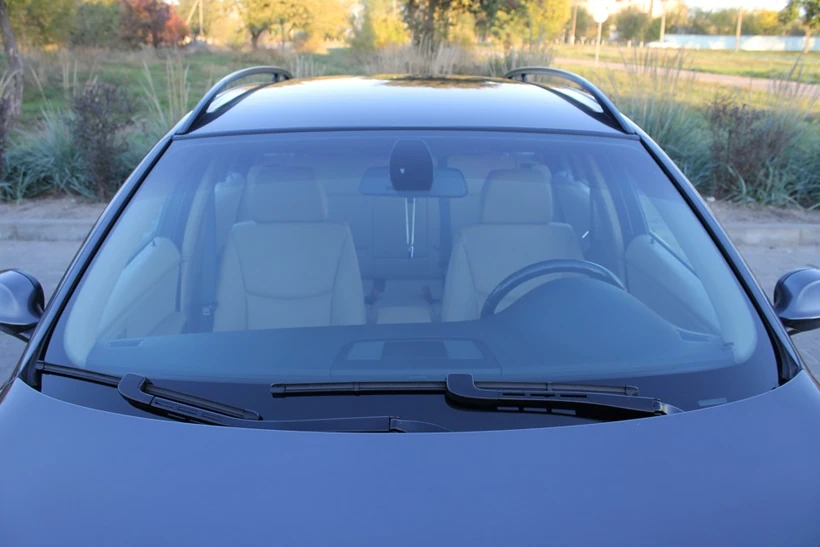
Polishing can work wonders on fine scratches and hazing, but it has its limits. Deep scratches and chips typically require professional repair or even glass replacement. Trying to remove severe damage with aggressive polishing can do more harm than good, so it's important to know when a DIY fix is no longer enough.
You may also be interested in the news:
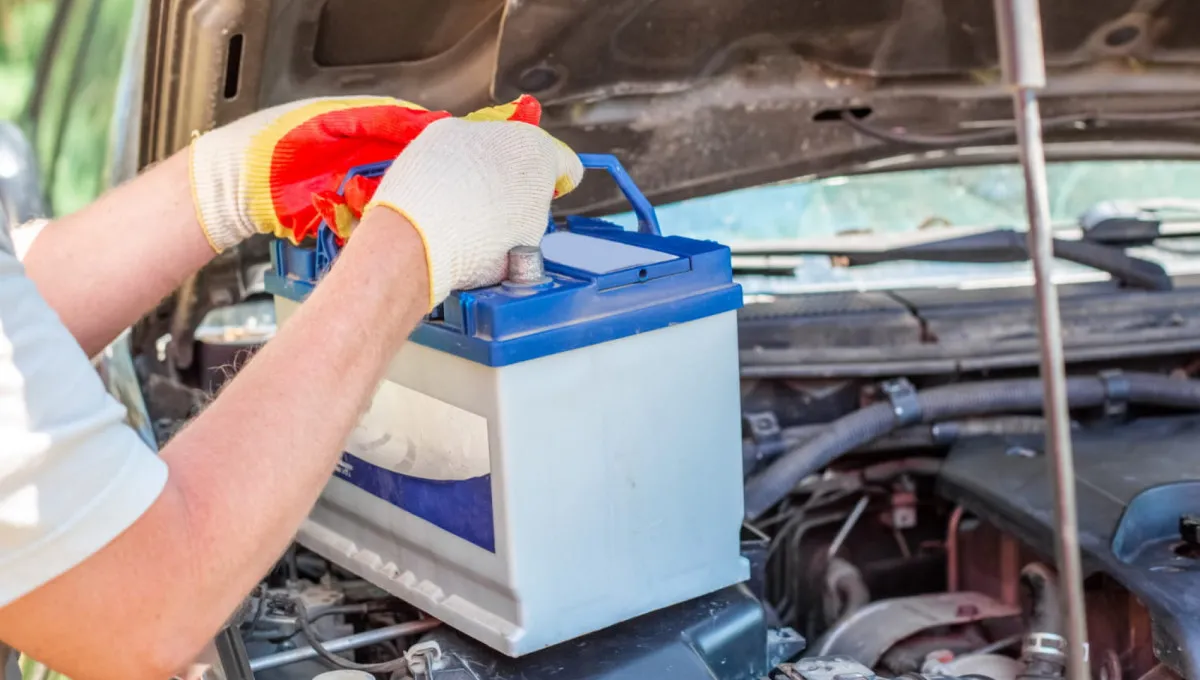
3 Signs Your Car Battery Is About to Die — And the Warning Signs Drivers Often Miss
A failing car battery rarely dies without warning, and these three signs can give drivers time to act before getting stranded.
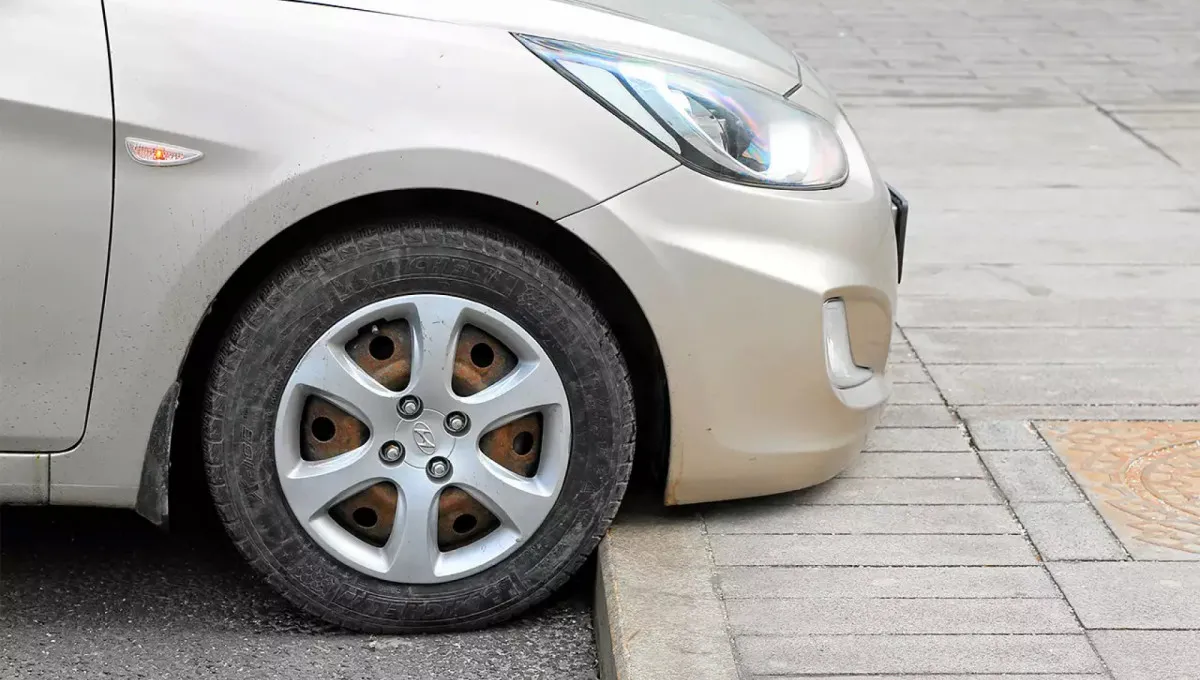
How to Park Close to a Curb Without Scratching Your Bumper: The Two-Mirror Method
How to Park Close to a Curb Without Scratching Your Bumper: The Simple Mirror Trick
Can You Wash Car Floor Mats in a Washing Machine? Experts Have the Answer
Think Twice Before Washing Your Car Floor Mats in the Washing Machine, Experts Warn.

YouTube Has a New Problem: AI Is Creating Fake Mechanics Who Look Completely Real
Artificial intelligence is now being used to create convincing fake auto mechanics on YouTube, raising concerns about misleading advice.
Your Brakes Squeal Every Morning? Here’s When That Noise Is Normal—and When It Could Mean Trouble
That sharp brake squeal first thing in the morning is often harmless—but persistent noise can point to worn or damaged brake components.