
7 Dangerous Mistakes Drivers Make in Traffic
Avoiding these common mistakes can make everyday driving safer for everyone on the road.
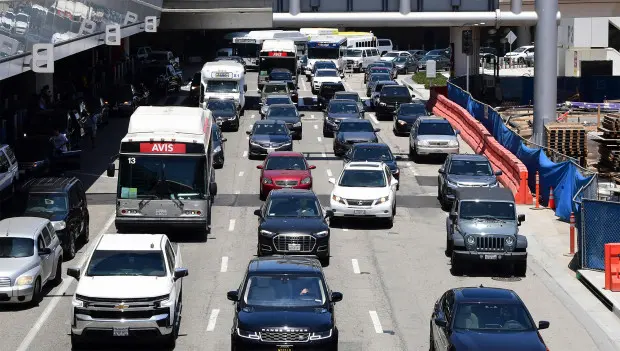
Road safety depends heavily on how drivers behave behind the wheel. Certain habits and maneuvers significantly increase the risk of accidents, putting both vehicles and lives in danger. Understanding these mistakes—and avoiding them—can go a long way toward preventing crashes.
1. Following Too Closely
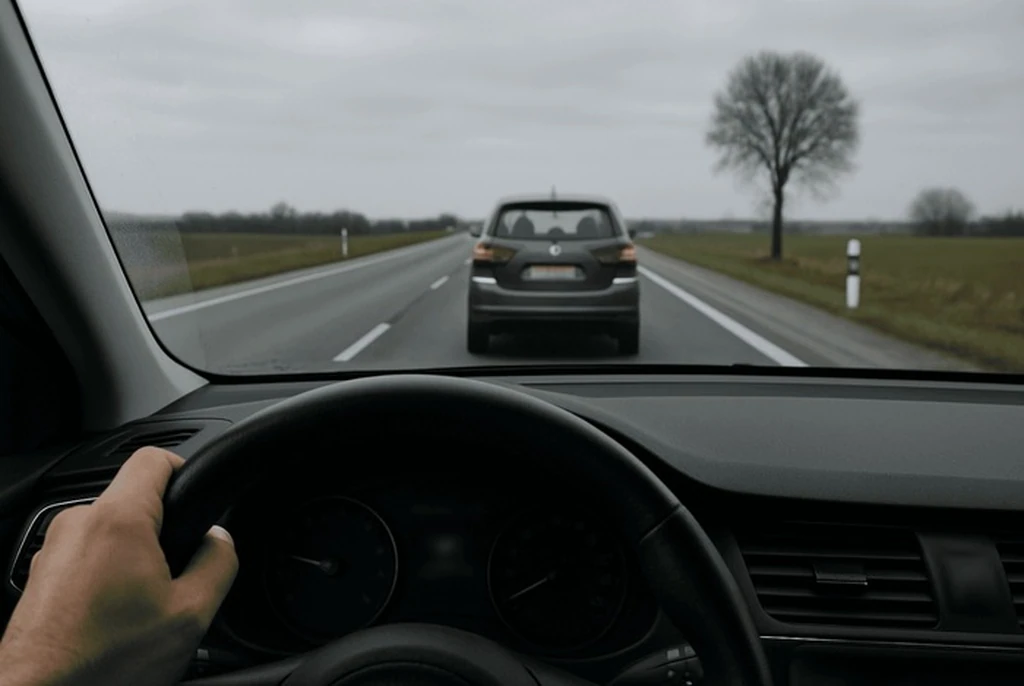
One of the most common and dangerous mistakes is tailgating. When a driver leaves little room between their vehicle and the car ahead, even a slight reduction in speed by the leading vehicle can result in a rear-end collision, especially at highway speeds.
Every vehicle needs time and distance to come to a complete stop. Without enough space, even quick reflexes may not be enough to avoid an impact. Maintaining a safe following distance remains one of the best ways to prevent accidents.
2. Changing Lanes Without Using Turn Signals
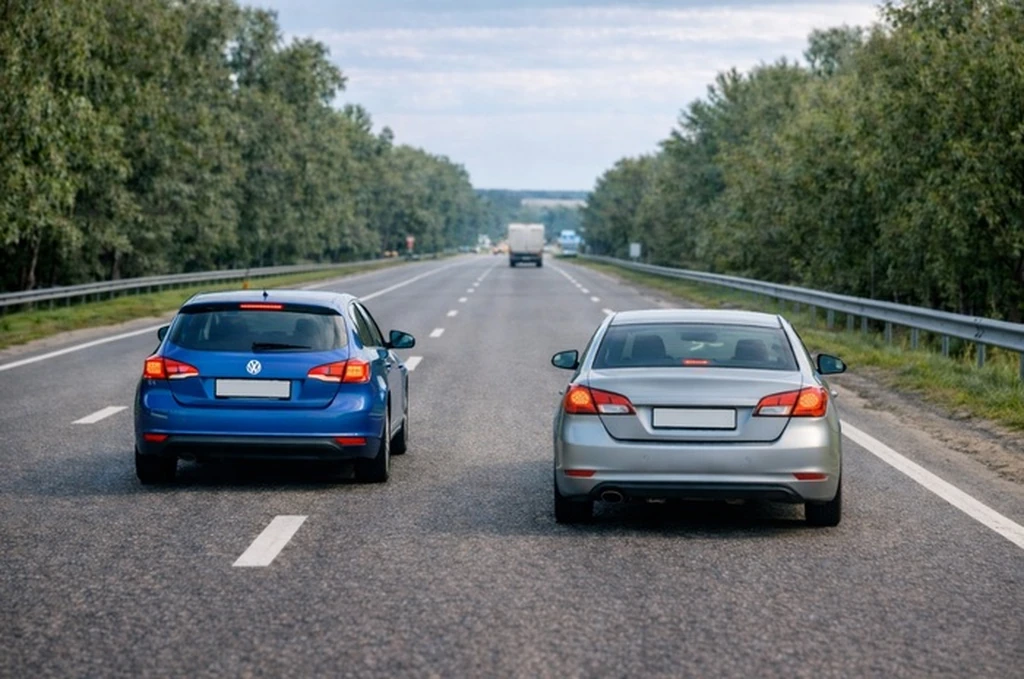
Failing to signal before changing lanes is more than bad manners—it makes traffic less predictable.
A sudden lane change forces nearby drivers to react immediately. Some may slam on the brakes, while others may swerve to avoid a collision. Both responses can create dangerous chain reactions. Using turn signals in advance gives surrounding drivers time to adjust and makes lane changes much safer.
3. Trying to Beat a Red Light
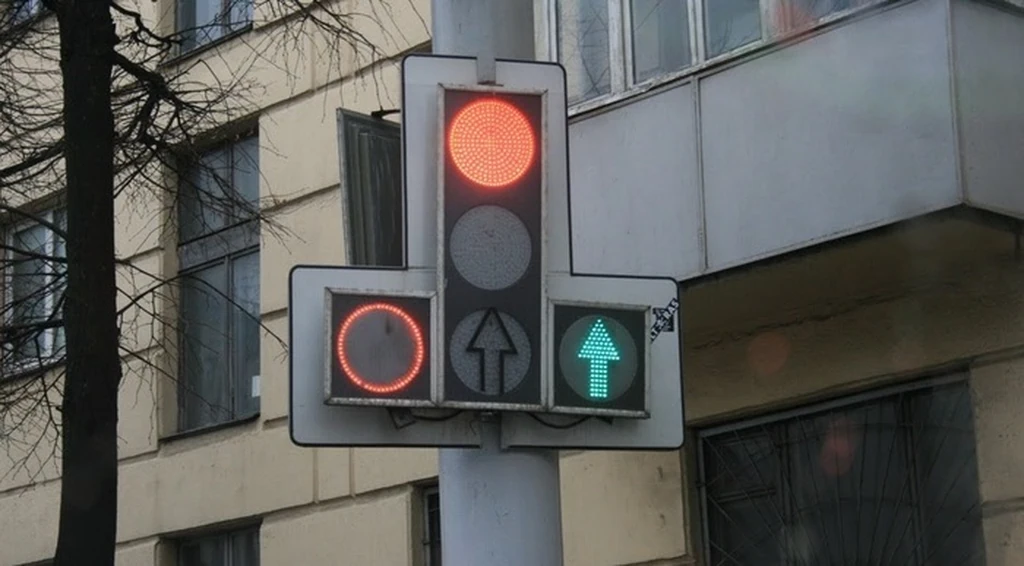
Attempting to rush through an intersection when the light is turning yellow—or after it has already turned red—is another risky move.
Some drivers accelerate to make it through, while traffic crossing in the other direction proceeds with a green light and doesn't expect anyone to be in the intersection. Because both vehicles are often traveling at speed, these situations can lead to severe side-impact crashes that put lives at risk.
4. Ignoring Blind Spots
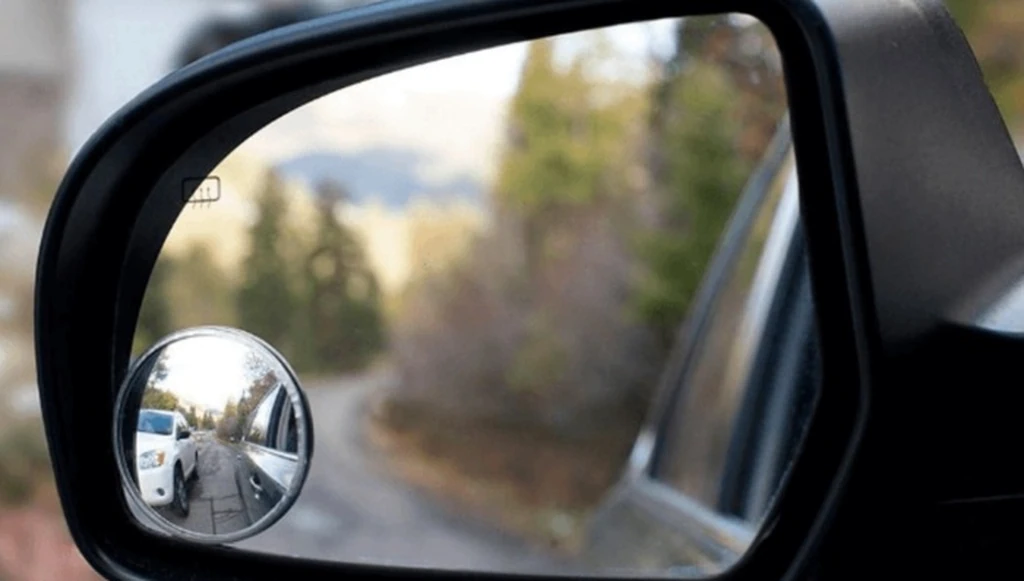
Every vehicle has areas that can't be seen in the mirrors. Drivers who fail to check blind spots before changing lanes or merging increase the chances of a collision.
A car, motorcycle, or bicycle may be hidden just outside the mirror's field of view. Looking over your shoulder, slowing down before maneuvering, using turn signals, and relying on backup cameras when appropriate can all improve safety.
5. Braking Suddenly for No Reason
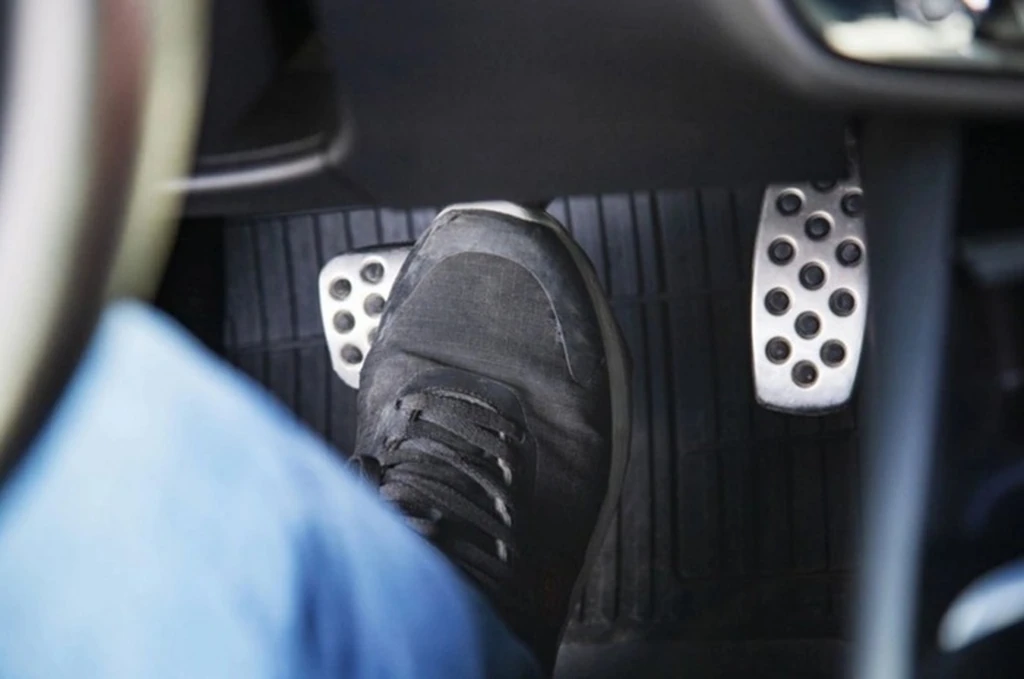
If traffic is flowing normally and there are no potholes or obstacles ahead, abrupt braking can catch other drivers off guard.
Vehicles following too closely may not have enough room to stop, increasing the likelihood of a rear-end crash. Smooth, predictable driving helps maintain a safer traffic flow for everyone.
6. Driving Much Faster—or Much Slower—Than Traffic
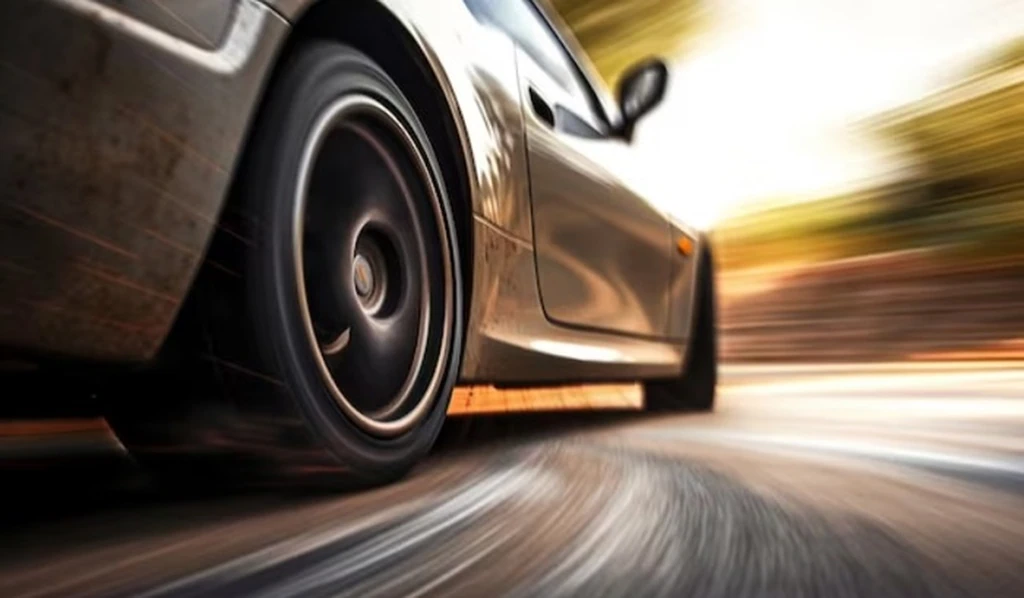
A vehicle traveling significantly above or below the speed of surrounding traffic can disrupt the flow and create hazardous situations.
Slow-moving vehicles force others to pass or change lanes more frequently, while excessive speed reduces reaction time and increases stopping distances. Either extreme raises the risk of an accident.
7. Using High Beams in Heavy Traffic
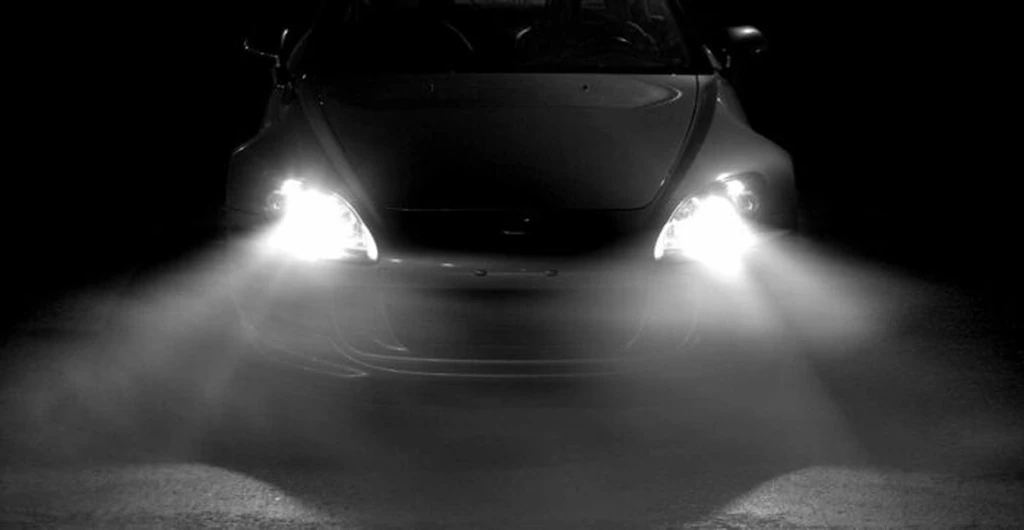
High beams are useful on dark roads, but using them when other vehicles are nearby can be dangerous.
The intense light can reflect in mirrors or shine directly into the eyes of oncoming drivers, causing temporary blindness. It may take several seconds for vision to recover, and during that time a driver is essentially operating with limited visibility. That brief moment can be enough to cause a serious crash.
Safe driving isn't just about obeying the rules—it's about being predictable and considerate. Eliminating these seven habits can help reduce accidents and make the roads safer for everyone.
You may also be interested in the news:
A Dirty Car Could Be Quietly Damaging Your Engine — And the Repairs Can Cost Thousands
A dirty car can threaten the engine, causing overheating, corrosion, fires, and costly mechanical failures.
You've Seen These Black-and-Yellow Road Markers—But Do You Know What They Really Mean?
Those familiar black-and-yellow road markers quietly tell drivers which direction to take around roadside obstacles.
Start/Stop Systems Are Everywhere — But Are They Really Saving You Gas or Wearing Out Your Engine?
Does start-stop technology really save fuel, and does it put extra wear on the engine? Here’s what drivers need to know.
Your Zodiac Sign Has a 1,000-Mile Road Trip Waiting for You
Twelve signs, twelve roads. A camper, pickup, or SUV doesn't matter. What matters is the 1,000 miles of adventure ahead.
3 Signs Your Car Battery Is About to Die — And the Warning Signs Drivers Often Miss
A failing car battery rarely dies without warning, and these three signs can give drivers time to act before getting stranded.