
How to Reliably Connect Wires Without a Soldering Iron: A Simple 5‑Step Technique
A simple wire-joining technique can create a strong, reliable connection without soldering or special tools.
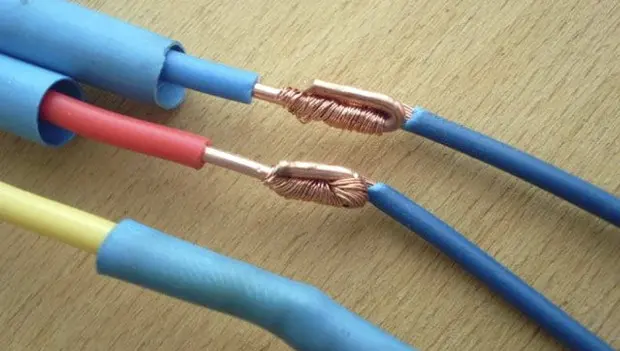
Sooner or later, most DIYers run into a situation where two electrical wires need to be connected. While it may seem like a simple task, doing it incorrectly can lead to poor conductivity, loose connections, or even electrical issues down the road. Here’s a straightforward method for creating a secure wire connection without using a soldering iron.
Step 1: Remove the Insulation
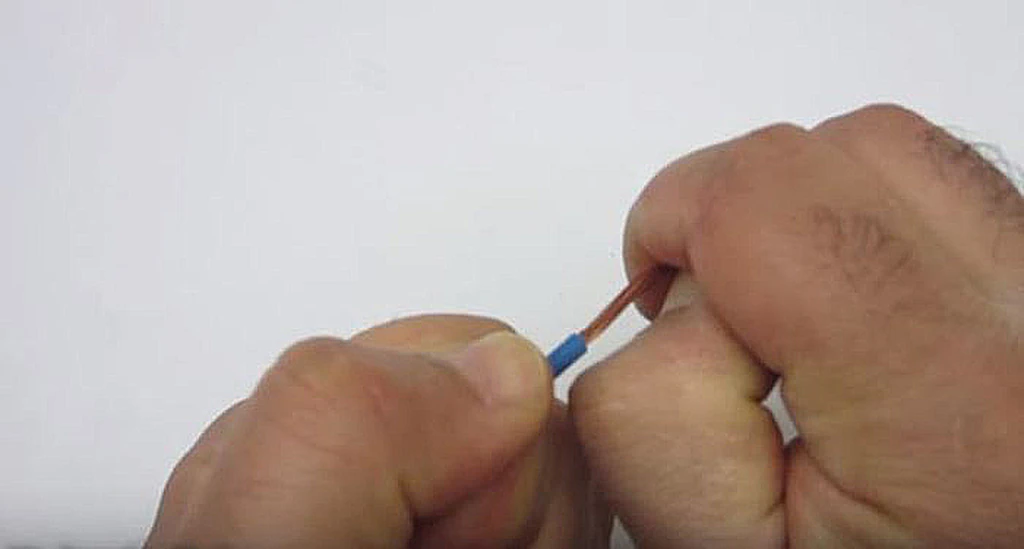
The first step is stripping the insulation from both wires. This can be done using wire strippers, a utility knife, or another suitable tool. The key is to avoid damaging the metal conductor underneath. Even minor nicks or deformation can weaken the wire and increase the risk of corrosion over time.
Step 2: Separate the Strands
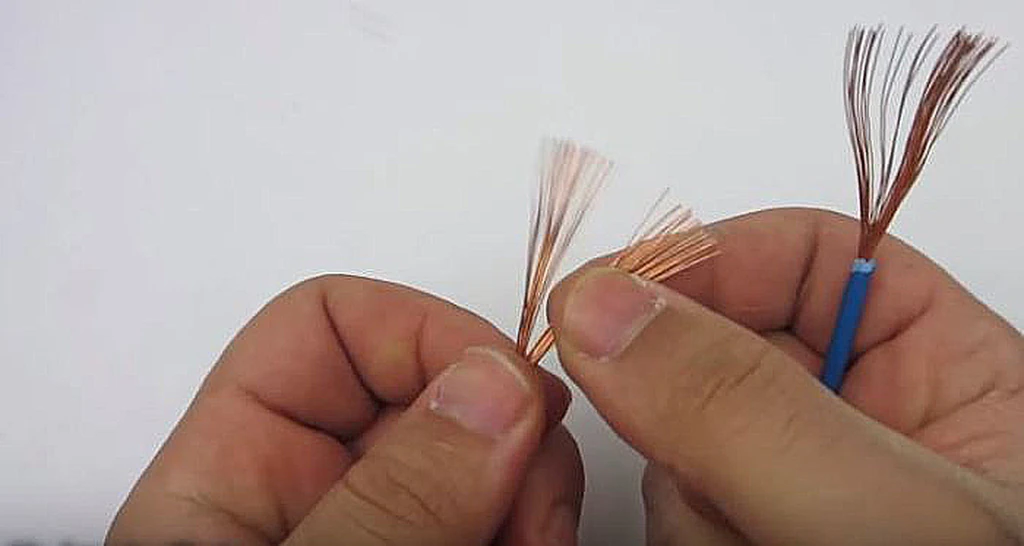
Once the insulation has been removed, gently spread the exposed wire strands into a brush-like shape. This simple step is essential because it creates the foundation for a stronger and more secure connection.
Step 3: Intertwine the Wires
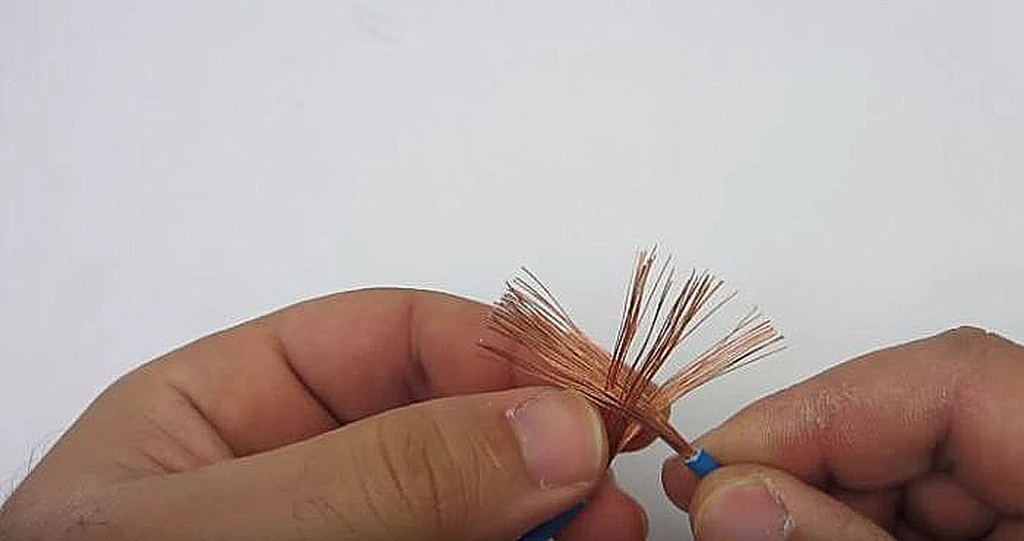
Next, cross the exposed sections of the two wires so they overlap roughly in the center of the stripped area. Carefully blend the strands together, making sure they are evenly interwoven. A well-mixed connection will hold more securely and provide better electrical contact.
Step 4: Wrap the Ends
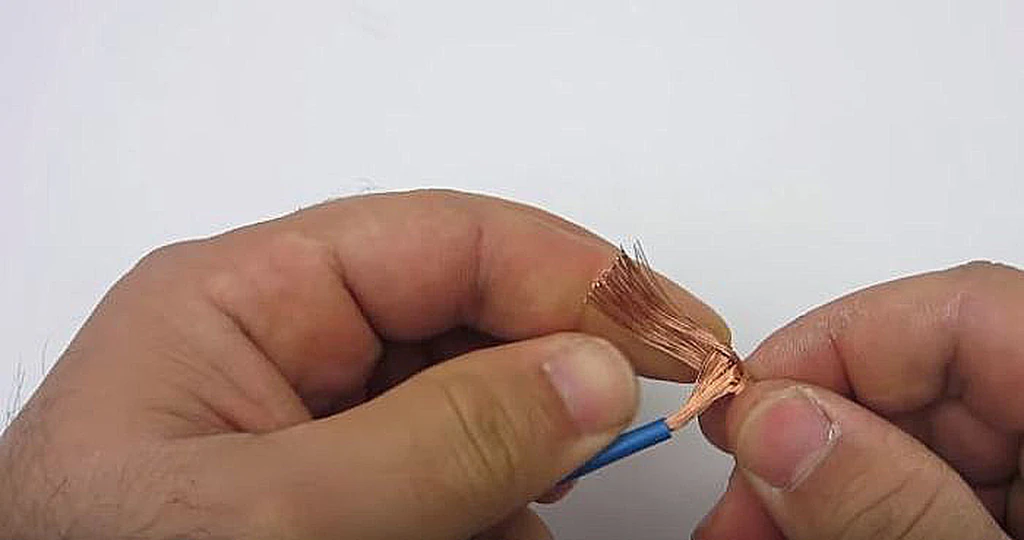
After intertwining the strands, wrap the loose end of one wire around the other conductor. Repeat the process with the opposite side, winding each wire tightly around the other. Take your time and make sure the wraps are neat and secure.
Step 5: Insulate and Test
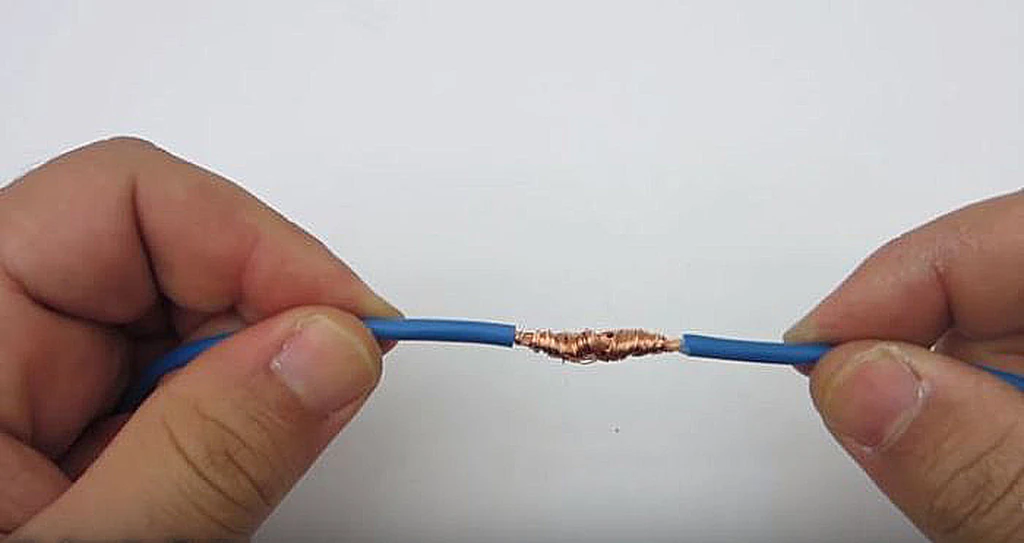
With the connection complete, thoroughly insulate it using high-quality electrical tape. Once covered, test the connection to ensure it is functioning properly. In addition to checking continuity with a meter, give the joint a firm pull test. A connection that can withstand approximately 22 pounds of force should be more than strong enough for most basic applications.
A properly made wire splice can provide a dependable connection without soldering, but careful preparation and secure insulation are critical to long-term reliability.
You may also be interested in the news:

Steering Wheel Vibrating at Highway Speed? What to Check First
A vibrating steering wheel is often most noticeable at highway speeds, but the cause isn’t always immediately obvious.
Windshield Wipers Aren’t Cleaning Properly? Here’s What Could Be Wrong
Why do windshield wipers sometimes fail to do their job?

Best Sedans for Interior Space: The Roomiest Cars of 2026
These six sedans offer generous legroom and shoulder room, giving families a comfortable alternative to larger SUVs for long trips.

Best Cars for Teen Drivers: Affordable and Safe Picks
These affordable used and new vehicles combine strong safety ratings, reliability, and reasonable prices for young drivers and their families.
12 Used Cars Retirees Should Know About—These Models Put Safety, Comfort and Reliability First
Great for Retirees: These Used Cars Stand Out for Safety, Reliability and Comfort