
5 Essential Driving Skills Driver's Ed Doesn't Teach — But Every Motorist Needs
Learning the rules of the road is only the beginning. These five real-world skills can make the difference between simply passing a driving test and becoming a confident, capable driver.
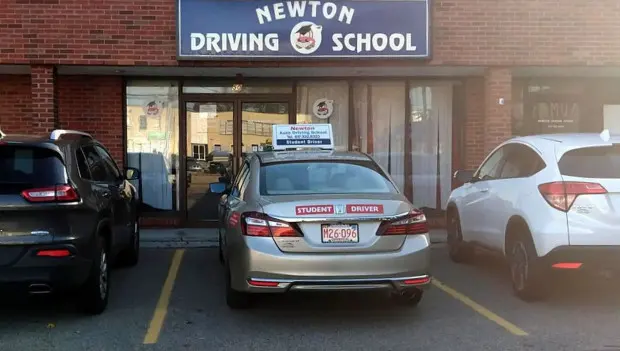
Driver education gives new motorists a solid foundation, covering traffic laws, basic vehicle operation, and safe driving practices. But earning a driver's license is only the first step. Many of the most valuable driving skills are learned through experience rather than in the classroom. Here are five abilities every driver should develop after leaving driver's ed.
1. Staying Calm Behind the Wheel

Every time you get on the road, you're entering a constantly changing environment where staying focused is critical. One of the most important skills any driver can develop is emotional self-control.
Stress from work, family issues, or personal conflicts can easily carry over into your driving. Unfortunately, strong emotions often lead to aggressive behavior behind the wheel, increasing the risk of crashes for everyone on the road.
Driver's education rarely teaches techniques for managing stress while driving. Yet the ability to stay calm in heavy traffic helps drivers make smarter decisions, anticipate the actions of pedestrians and other motorists, and maintain smoother, more predictable control of their vehicles.
2. Handling Basic Mechanical Problems
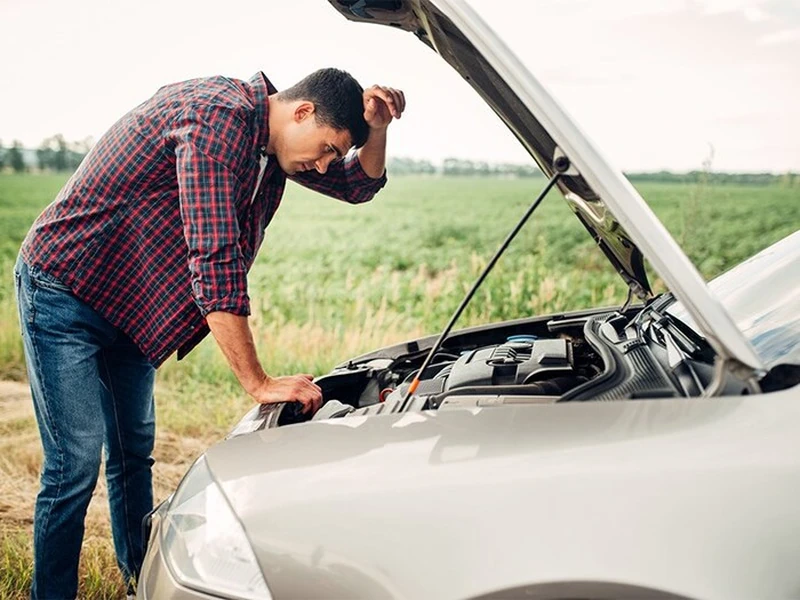
Most driver's education courses don't go beyond the basics when it comes to vehicle maintenance and troubleshooting. If something goes wrong, new drivers are generally taught to pull over safely, turn on their hazard lights, and call roadside assistance or a repair shop.
However, recognizing the symptoms of common mechanical problems can save both time and money. Knowing the difference between a weak battery, a failing alternator, or another minor issue could allow a driver to solve a simple problem without waiting for a tow truck.
Even if a repair requires professional help, understanding what's happening under the hood makes it easier to explain the issue and avoid unnecessary repairs.
3. Performing Routine Vehicle Maintenance
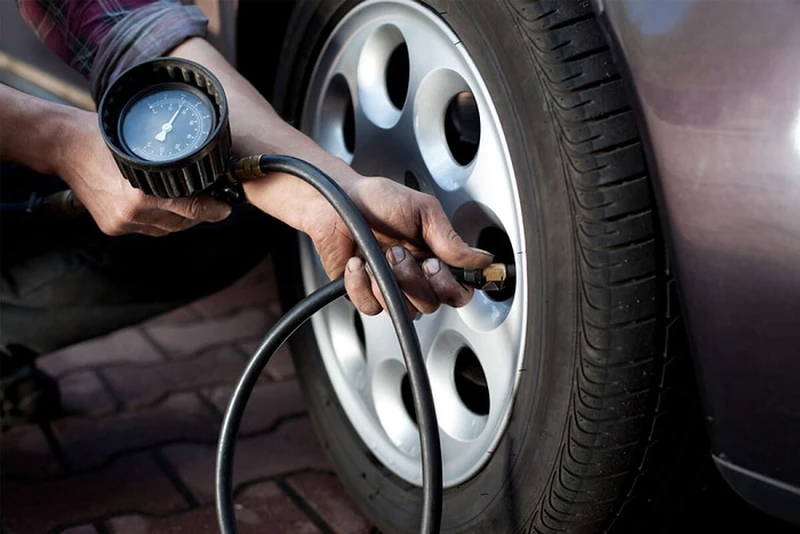
Regular maintenance is one of the keys to keeping a vehicle safe and reliable for years. Drivers who don't understand basic upkeep may end up paying for avoidable repairs or replacing expensive components sooner than necessary.
Simple tasks like checking tire pressure, knowing when to change the engine oil, selecting the correct oil grade, replacing worn windshield wiper blades, and monitoring fluid levels are essential parts of responsible vehicle ownership.
If these fundamentals were covered more thoroughly in driver's education, many new drivers wouldn't need to visit a repair shop for simple maintenance jobs that can be handled at home.
Before every trip, drivers should also make it a habit to inspect tire pressure and verify that critical fluids are at proper levels. Recognizing unusual engine noises or suspension problems early can prevent more serious mechanical failures down the road.
4. Adjusting Your Driving for Weather and Road Conditions
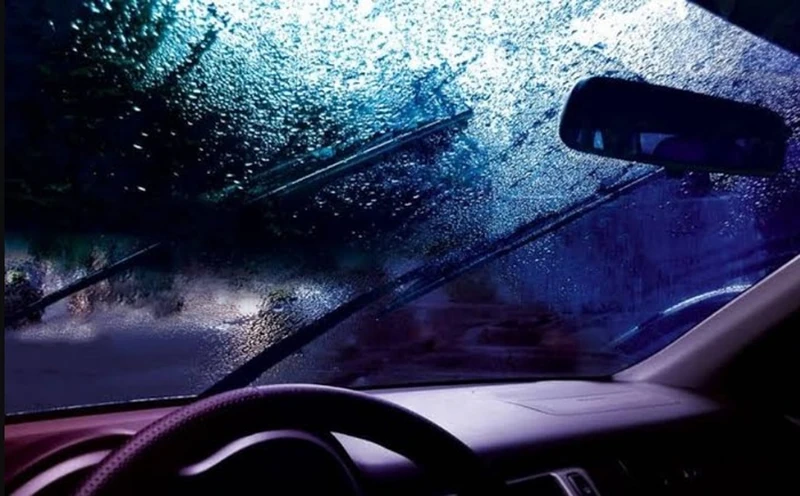
New drivers often have little experience dealing with rough pavement, slippery roads, snow-covered back roads, or standing water. Many also don't fully understand hydroplaning or how to react when it happens.
Over time, most drivers naturally learn how to adjust their driving style for changing weather and road conditions. Still, many accidents could be prevented if driver's education included more real-world training in handling rain, snow, ice, and other challenging situations.
5. Understanding Advanced Driver-Assistance Systems

Today's vehicles are equipped with increasingly sophisticated driver-assistance technology. Features such as Anti-lock Braking Systems (ABS), Electronic Stability Control (ESC), lane-keeping assist, and forward collision warning have become common on many new models.
Despite this, many driver's education programs offer little or no hands-on instruction on how these systems work. As a result, drivers who purchase newer vehicles often spend weeks—or even months—figuring out these features on their own.
Understanding what these technologies can and can't do helps drivers use them more effectively while avoiding the false sense of security that can come from relying on them too heavily.
You may also be interested in the news:
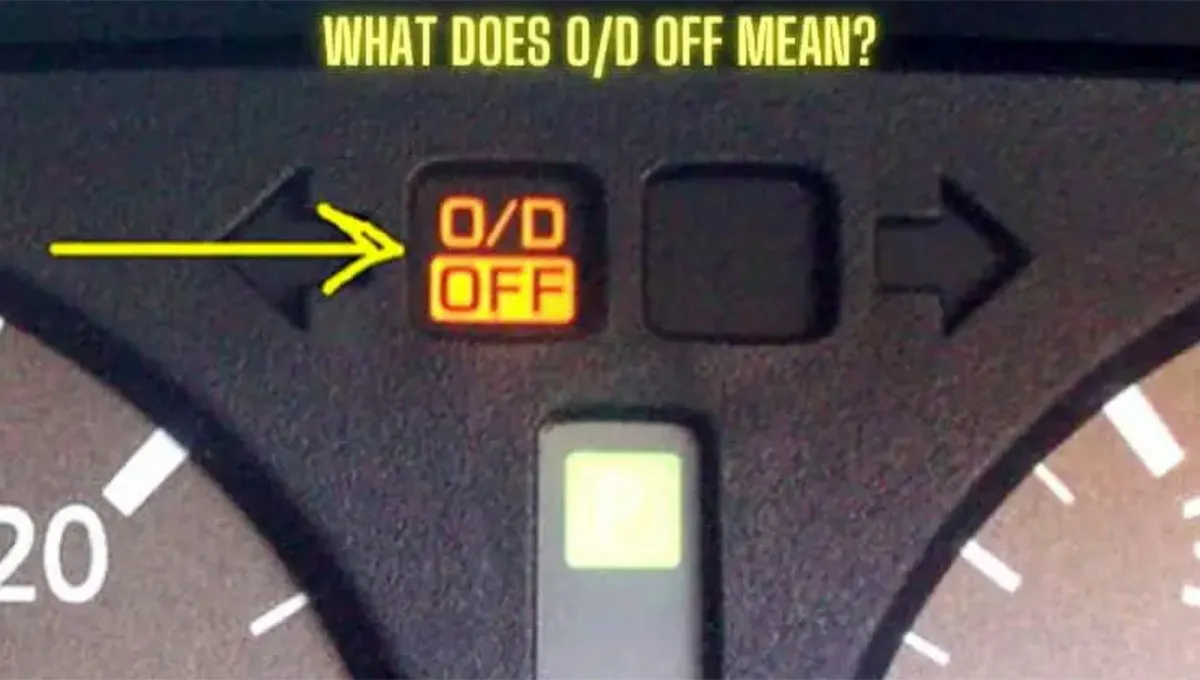
That O/D OFF Button in Your Car Has a Purpose—Here’s When You Actually Need to Press It
That mysterious O/D OFF button isn't a warning of transmission trouble—it can actually make driving easier in specific situations.
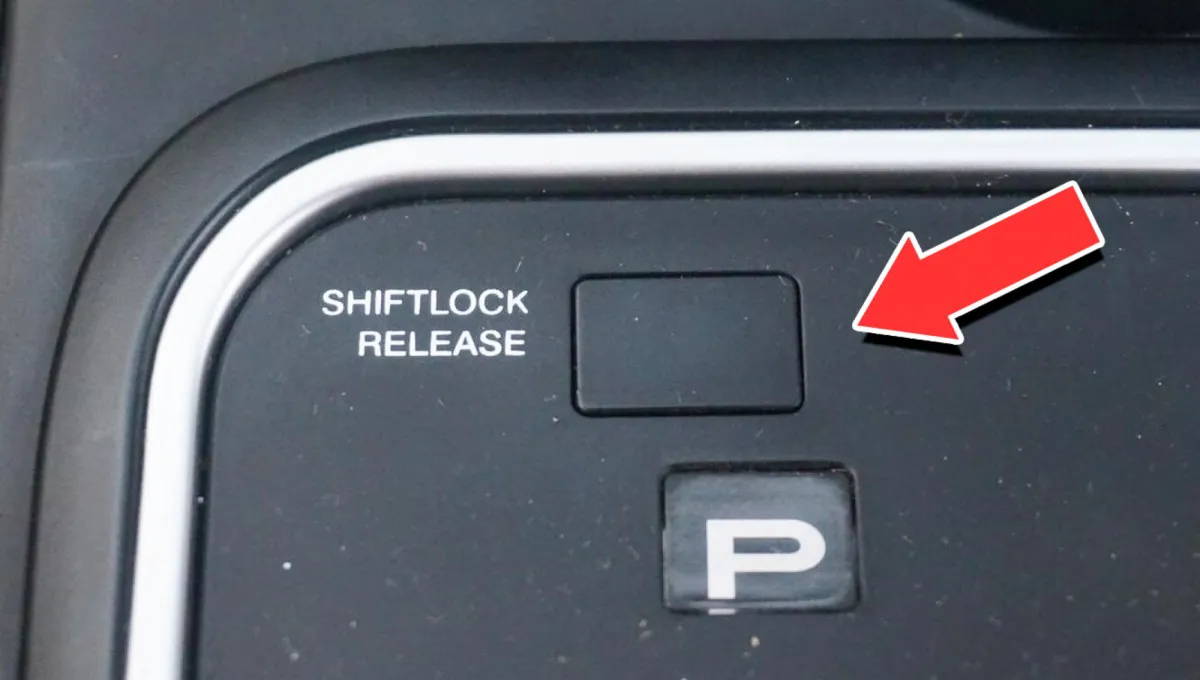
Shift Lock Explained: Why Your Automatic Shifter Won’t Move—and Why That’s Actually Good
If your automatic shifter suddenly refuses to move, there’s a good chance your car is protecting you from an accidental gear change.
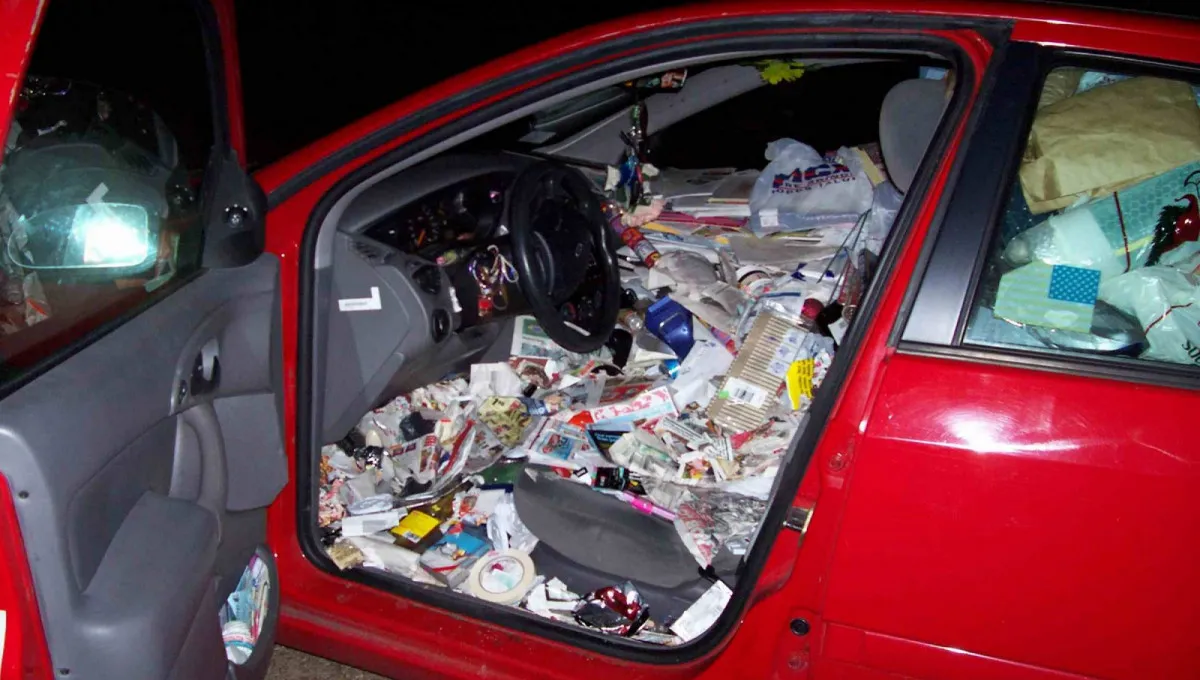
These 3 Zodiac Signs Are Most Likely to Turn Their Cars Into Rolling Junkyards
For some drivers, a car is a sanctuary; for others, it's a rolling storage unit on four wheels.

Your Steering Wheel Starts Shaking at 60 MPH? Don’t Ignore These Warning Signs
A vibrating steering wheel is often most noticeable at highway speeds, but the cause isn’t always immediately obvious.

Windshield Wipers Aren’t Cleaning Properly? Here’s What Could Be Wrong
Why do windshield wipers sometimes fail to do their job?