
How to Cool an Overheated Car: Five Smart Ways to Prevent Costly Engine Damage
An overheating engine can quickly turn a summer road trip into an expensive repair. These five simple tips can help prevent serious damage.
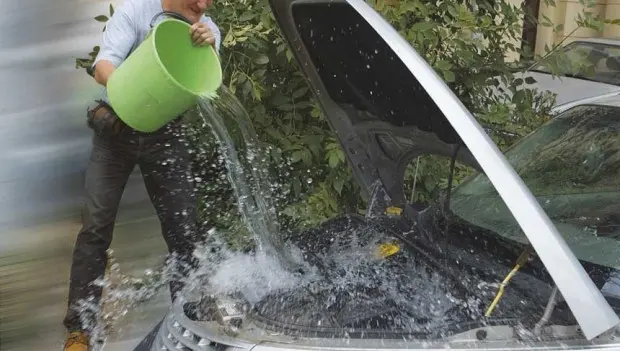
Summer has finally arrived, bringing vacation road trips, beach weekends, and heavy traffic across the country. Unfortunately, stop-and-go driving in extreme heat puts extra strain on your vehicle’s cooling system, increasing the risk of engine overheating. If the temperature gauge starts climbing, knowing what to do—and what not to do—can save you from a major repair bill.
1. Check Your Coolant Level Regularly
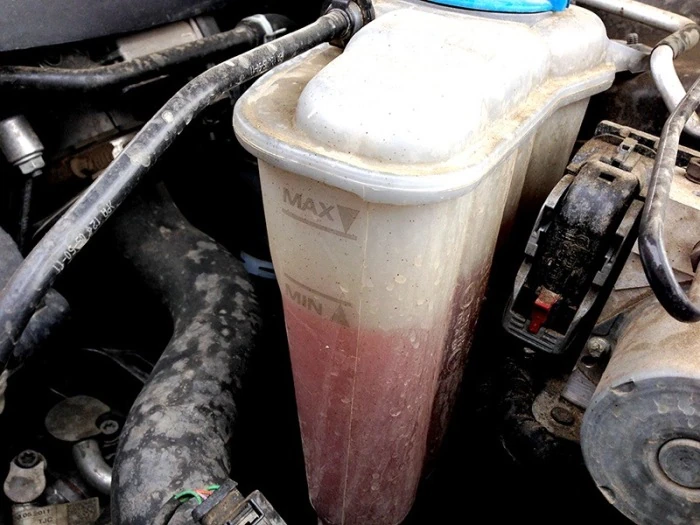
Modern vehicles include recommended coolant inspection intervals in the owner's manual, but it never hurts to check the coolant reservoir more often during hot weather. Coolant levels can gradually drop due to evaporation, small leaks, or aging hoses, and even a minor loss of coolant can reduce the system's ability to keep the engine at a safe operating temperature.
2. Keep the Radiator Clean
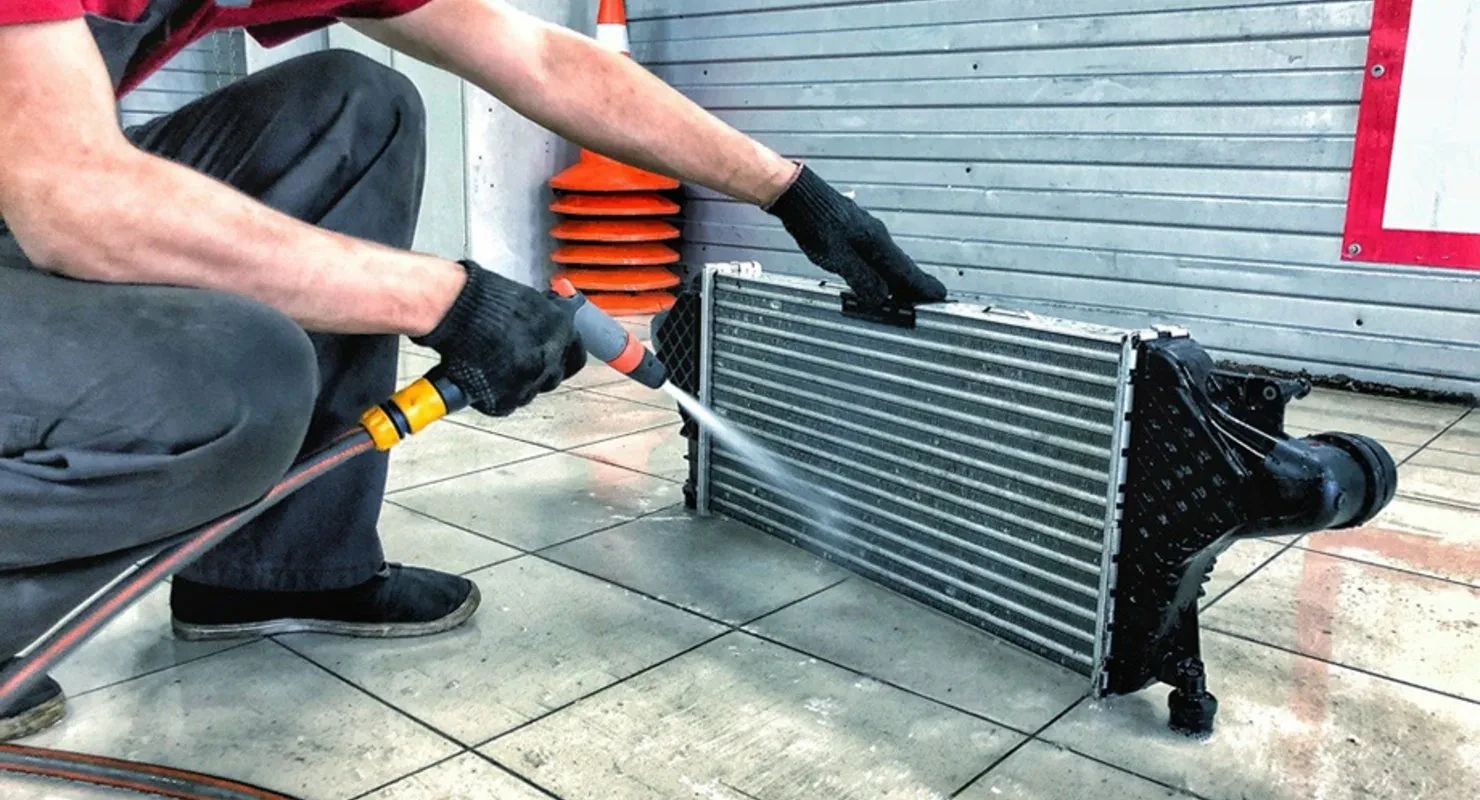
A dirty radiator has a much harder time shedding heat. Road debris, bugs, leaves, grass, and even plastic bags can block airflow through the cooling fins, making the engine work harder to stay cool.
Cleaning the radiator periodically is one of the easiest ways to improve cooling performance, especially if you spend a lot of time driving in traffic or on highways during the summer.
3. Know What to Do If the Engine Overheats
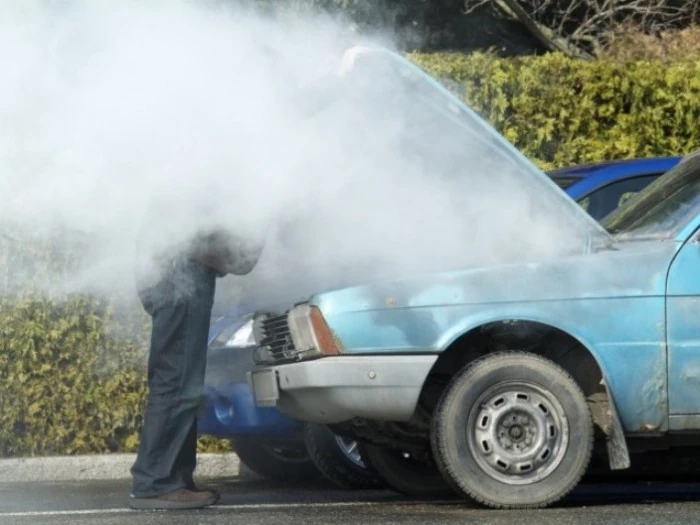
If the temperature gauge moves into the red zone or steam starts coming from under the hood, stay calm.
The most important rule is never remove the radiator cap or coolant reservoir cap while the engine is hot. The cooling system is under pressure, and coolant temperatures can exceed 250°F, causing severe burns if released suddenly.
If there is still coolant visible in the overflow reservoir and the engine appears to be circulating coolant normally, let the engine idle while monitoring the temperature. If the coolant level has dropped significantly or disappeared from the reservoir, shut the engine off to help prevent serious damage.
4. Turn On the Heater
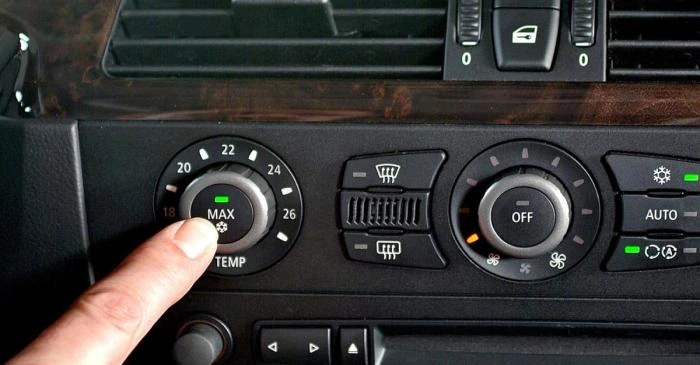
It may sound counterintuitive on a hot day, but switching the climate controls to maximum heat can help draw excess heat away from the engine. The cabin will become uncomfortable, but this trick can temporarily reduce engine temperatures until you reach a safe place to stop.
5. Cool the Radiator Carefully
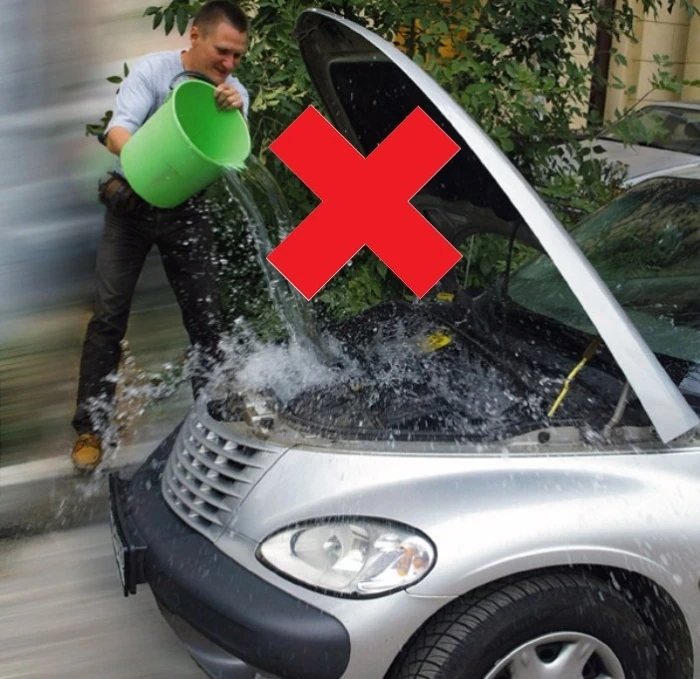
Once it's safe to do so, you can help cool the radiator by spraying water onto its exterior. Be careful to avoid electrical components, especially the cooling fan and its wiring.
If the engine is still idling, the water pump will continue circulating coolant through the radiator, helping the cooling system shed heat more efficiently. Once engine temperatures return to normal, inspect the cooling system for leaks or other issues before continuing your trip.
You may also be interested in the news:
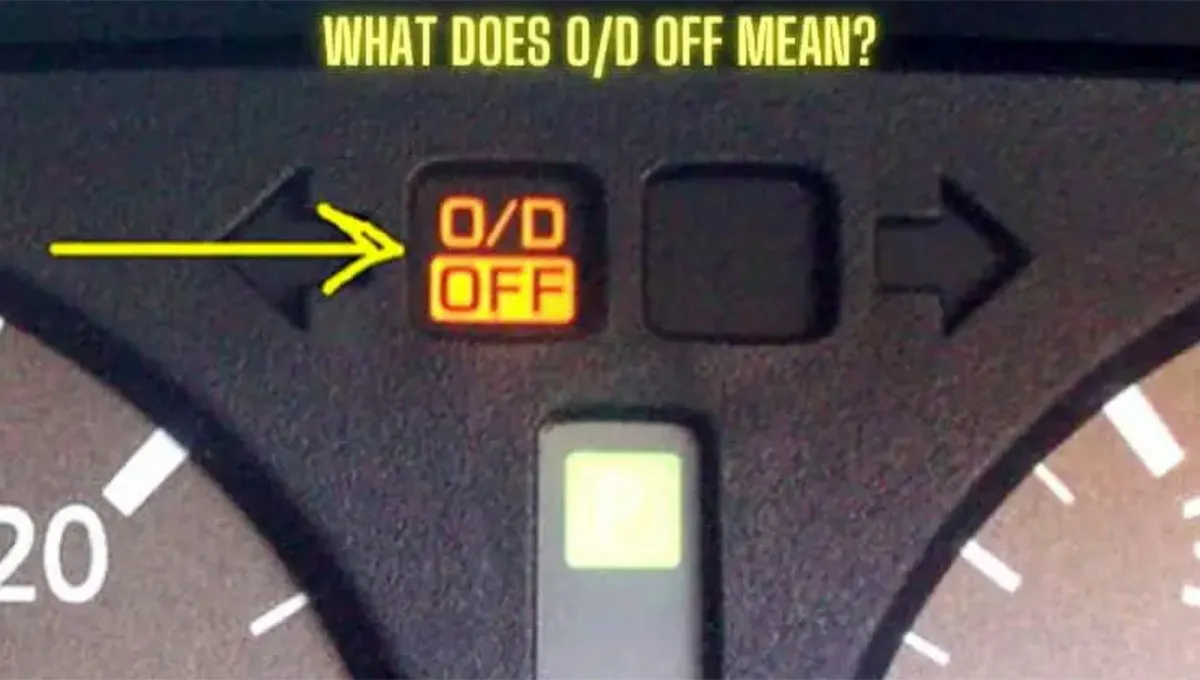
That O/D OFF Button in Your Car Has a Purpose—Here’s When You Actually Need to Press It
That mysterious O/D OFF button isn't a warning of transmission trouble—it can actually make driving easier in specific situations.
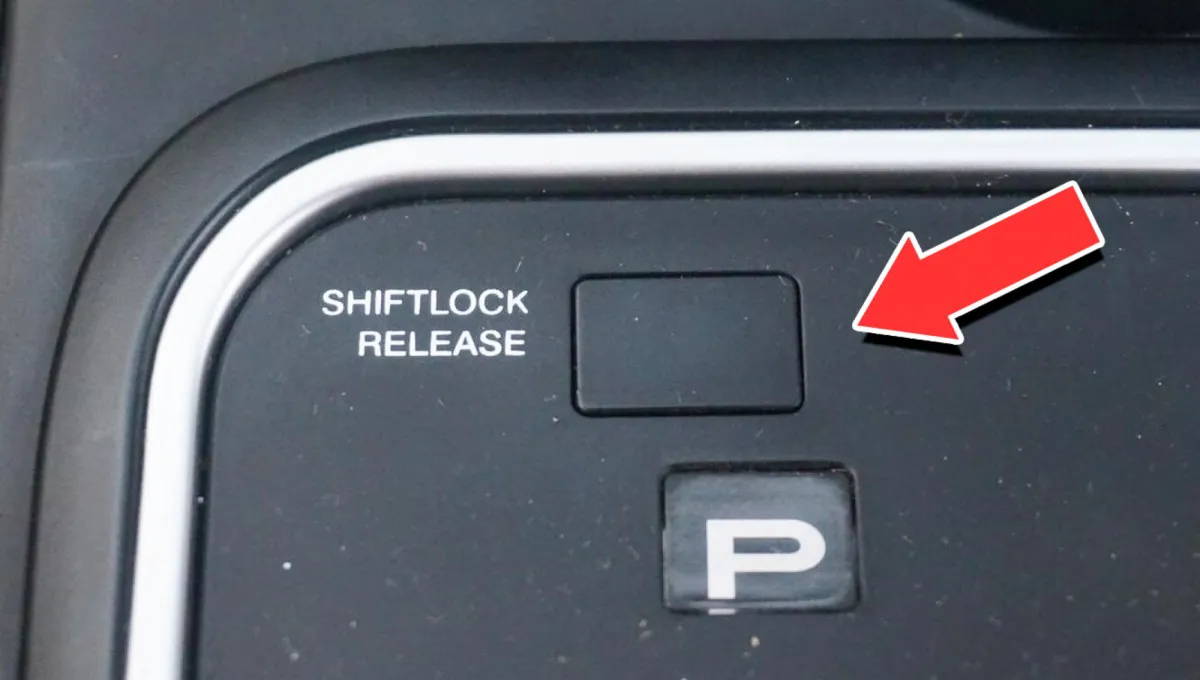
Shift Lock Explained: Why Your Automatic Shifter Won’t Move—and Why That’s Actually Good
If your automatic shifter suddenly refuses to move, there’s a good chance your car is protecting you from an accidental gear change.

Your Steering Wheel Starts Shaking at 60 MPH? Don’t Ignore These Warning Signs
A vibrating steering wheel is often most noticeable at highway speeds, but the cause isn’t always immediately obvious.
Windshield Wipers Aren’t Cleaning Properly? Here’s What Could Be Wrong
Why do windshield wipers sometimes fail to do their job?

GM Just Unleashed an 8.3-Liter Diesel V8 to Take on Ford’s 1,200-Lb-Ft Power Stroke
General Motors has confirmed an all-new 8.3-liter Duramax V8 diesel called Mongoose for the 2027 Silverado HD and Sierra HD.