
Ford Brings Veteran Engineers Back as Human Expertise Becomes Key to Improving Vehicle Quality
Ford is rehiring experienced engineers after automation-related setbacks highlighted the limits of AI in vehicle development and quality control.
Ford is rethinking its approach to vehicle development after an increase in recalls exposed weaknesses in relying too heavily on automated engineering and AI-driven design tools. The automaker is bringing back more than 350 experienced engineers, believing that human expertise remains essential for building reliable vehicles and preventing costly defects before production begins.
The company found itself under growing scrutiny after aggressive automation initiatives coincided with a surge in recall campaigns. Executives concluded that while artificial intelligence can accelerate development, it cannot fully replace decades of engineering knowledge and practical experience.
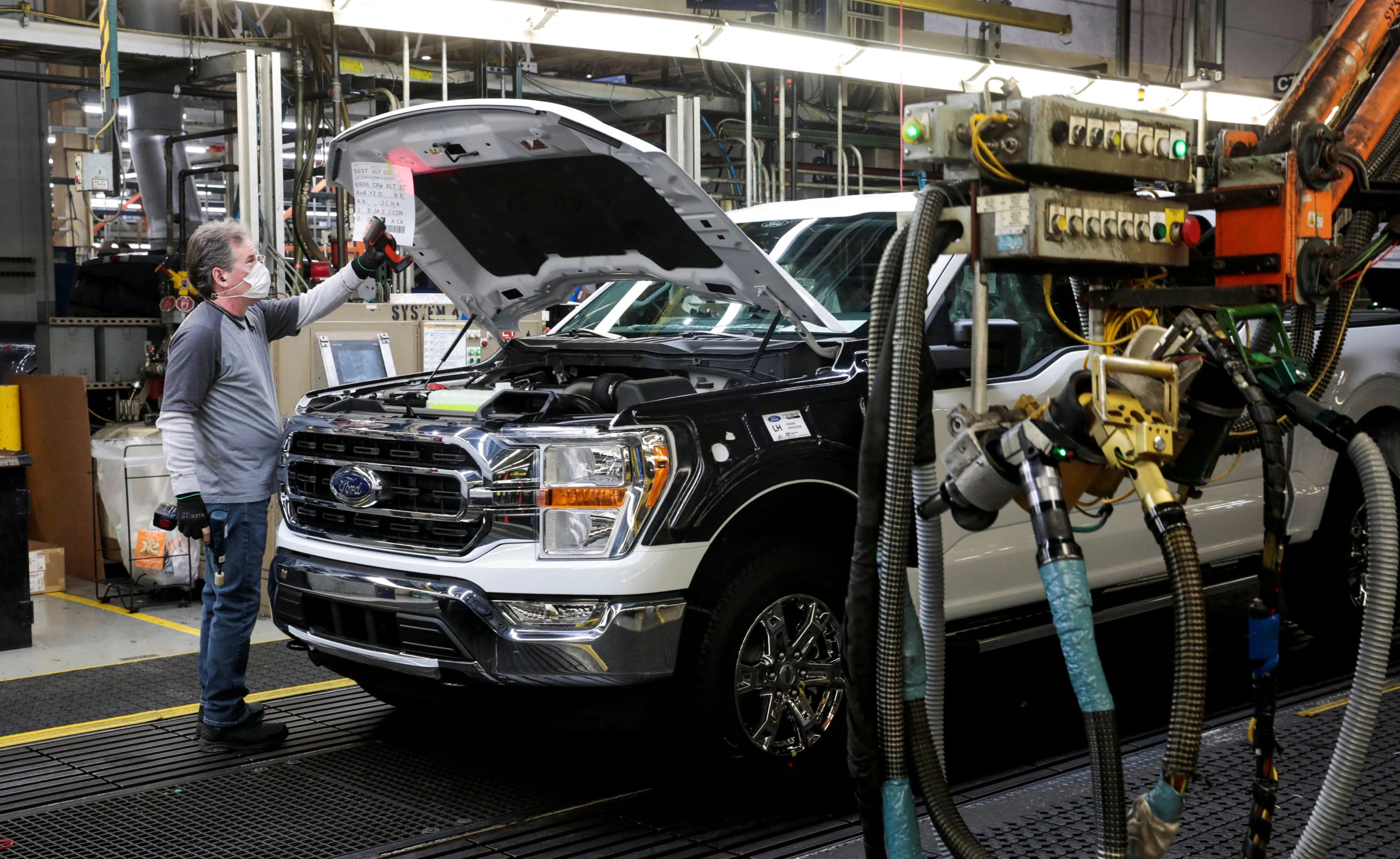
Charles Poon, Ford's vice president of hardware development, explained that many longtime engineers retired before their expertise had been documented and incorporated into the datasets used to train AI systems. As a result, the company now needs those veterans not only to refine its algorithms but also to mentor younger engineers.
According to Poon, AI is only as effective as the quality of the data behind it. Relying exclusively on automation without preserving institutional knowledge ultimately proved to be a costly mistake.
The shortcomings became particularly apparent during the development of the Explorer and Aviator, while supply chain disruptions added further complications. Chief Operating Officer Kumar Galhotra said Ford's traditional strategy of identifying and fixing problems after they appeared is no longer sufficient.
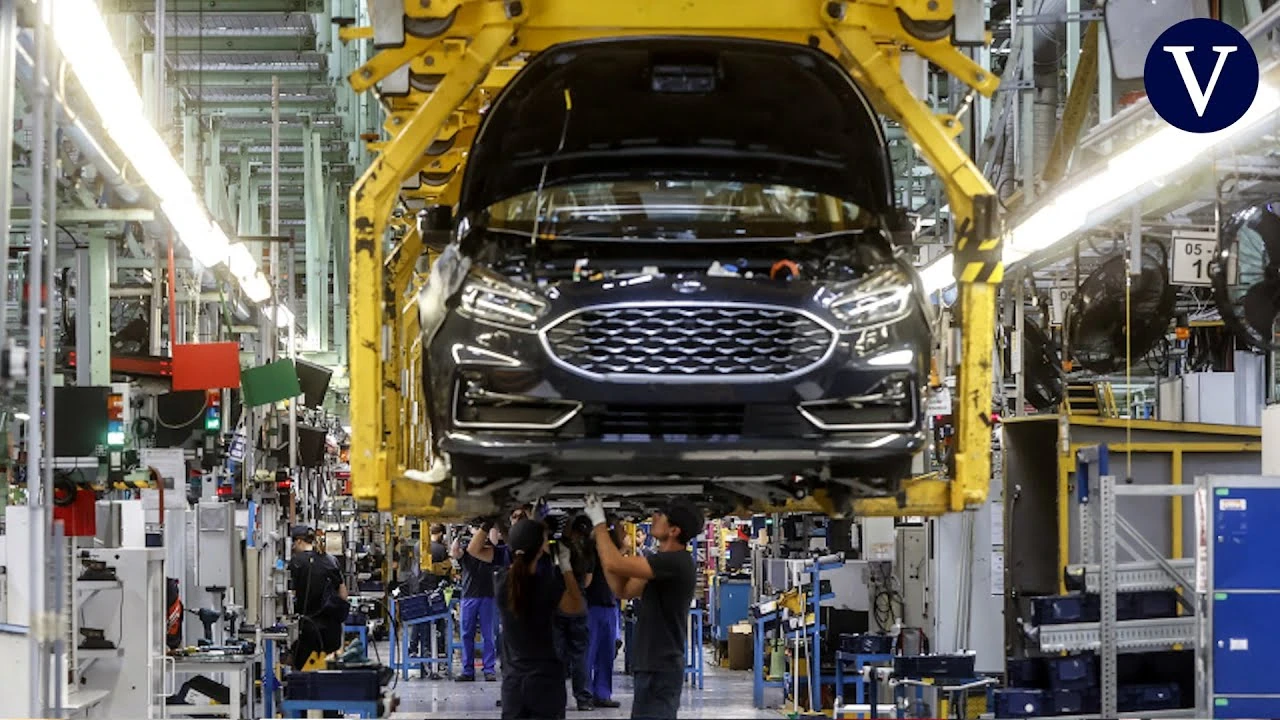
Instead, the automaker is shifting toward preventing defects during the earliest stages of vehicle design. The goal is to reduce quality issues before production begins rather than correcting them after vehicles reach customers.
Unlike smartphone manufacturers, automakers cannot afford to release products with the expectation of fixing major issues later through updates. Vehicle safety standards leave little room for that approach. Ford acknowledged that software-related problems were often discovered too late because the company lacked rapid, iterative testing throughout the development process.
To address that challenge, Ford created a dedicated team of 40 software quality specialists responsible for identifying issues during the earliest phases of development, long before new vehicles enter production.
Despite the lessons learned, Ford is not stepping away from digital technologies. Instead, it is expanding the role of AI while placing experienced engineers at the center of the process. The company has added more than 100,000 AI-powered software tests designed to uncover edge cases and stress-test vehicle systems before launch.
Its updated development infrastructure can now automatically verify code changes almost instantly, allowing engineers to detect potential issues much earlier in the design cycle. According to the company, these improvements have already contributed to stronger product quality and helped Ford earn the top position in J.D. Power's Initial Quality Study.
Ford's decision to blend artificial intelligence with experienced engineering talent could become a model for the broader automotive industry. Rather than viewing automation as a replacement for people, the company is betting that combining advanced digital tools with decades of real-world expertise will produce safer, more reliable vehicles while allowing it to respond more quickly to future challenges.
You may also be interested in the news:
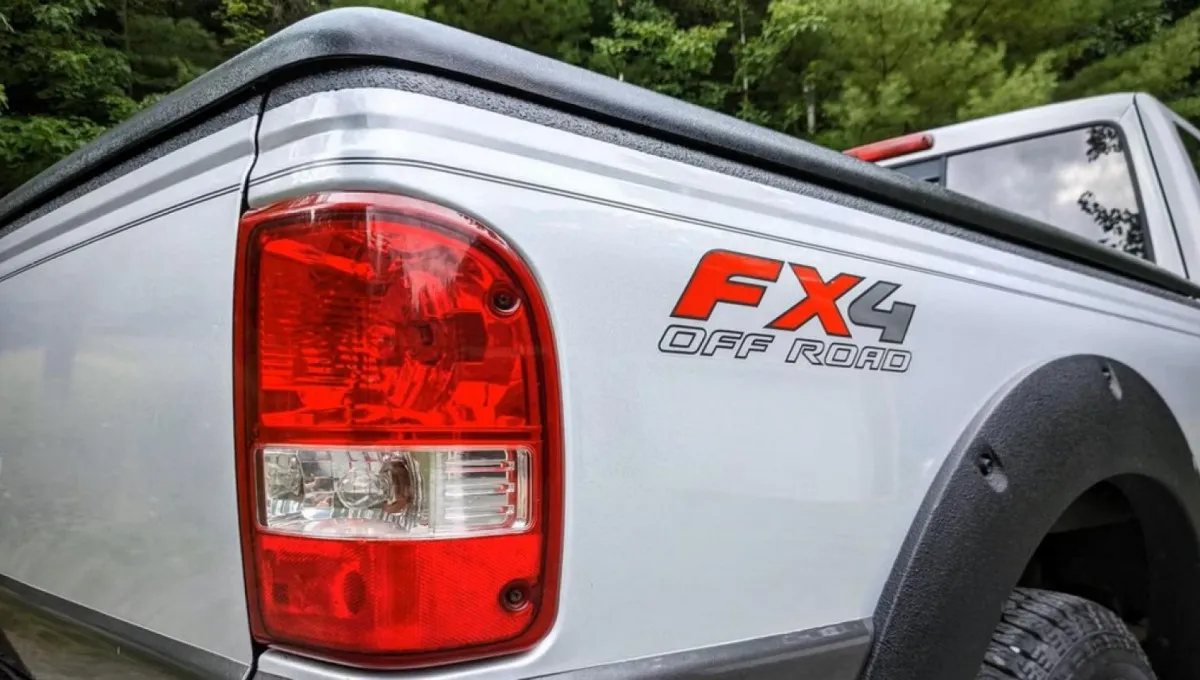
Ford Ranger FX4 Level II Was Cool Long Before the Raptor
Ford Built This Insane Ranger Years Before the Raptor—and Almost Nobody Remembers It
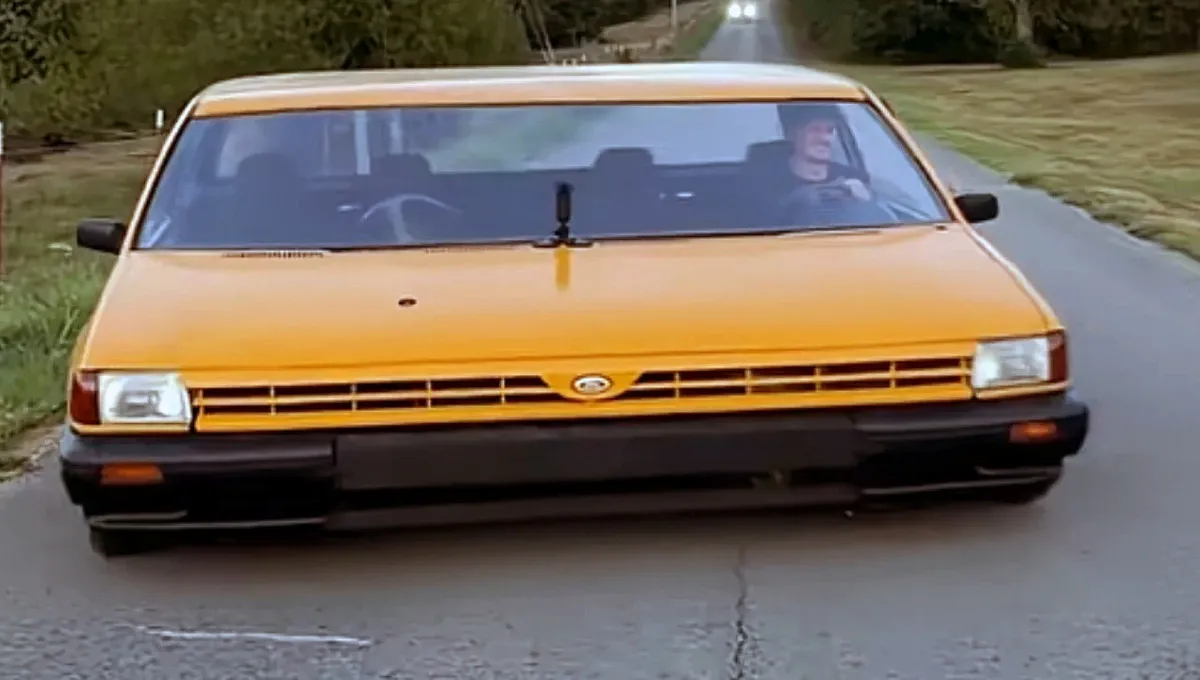
Tennessee Man Builds an Absurdly Wide Car Where Everyone Gets to Ride Shotgun
Tennessee creator Tyler Fever built an absurdly wide car after previously turning a Ford Festiva into a street-legal sliver.
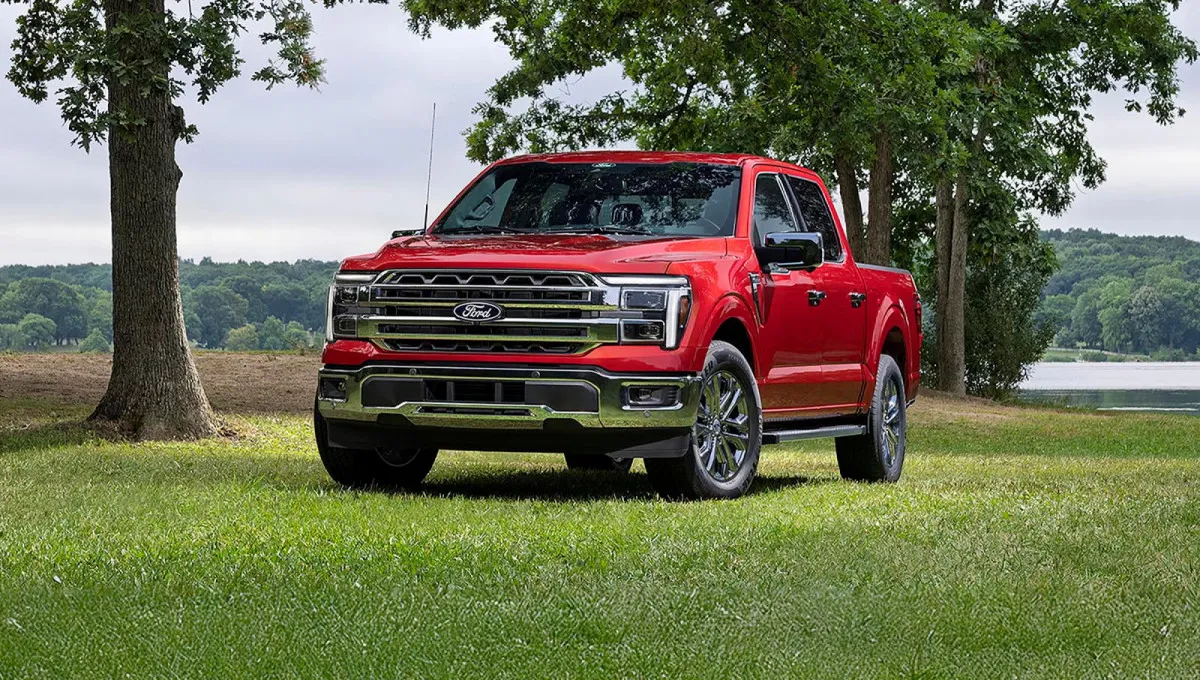
Ford Just Gave the 2027 F-150 a New Engine, Hands-Free Trailer Towing and a Carhartt Edition
Ford has updated the 2027 F-150 with a new V6, trailer-capable BlueCruise and a rugged Carhartt special edition.
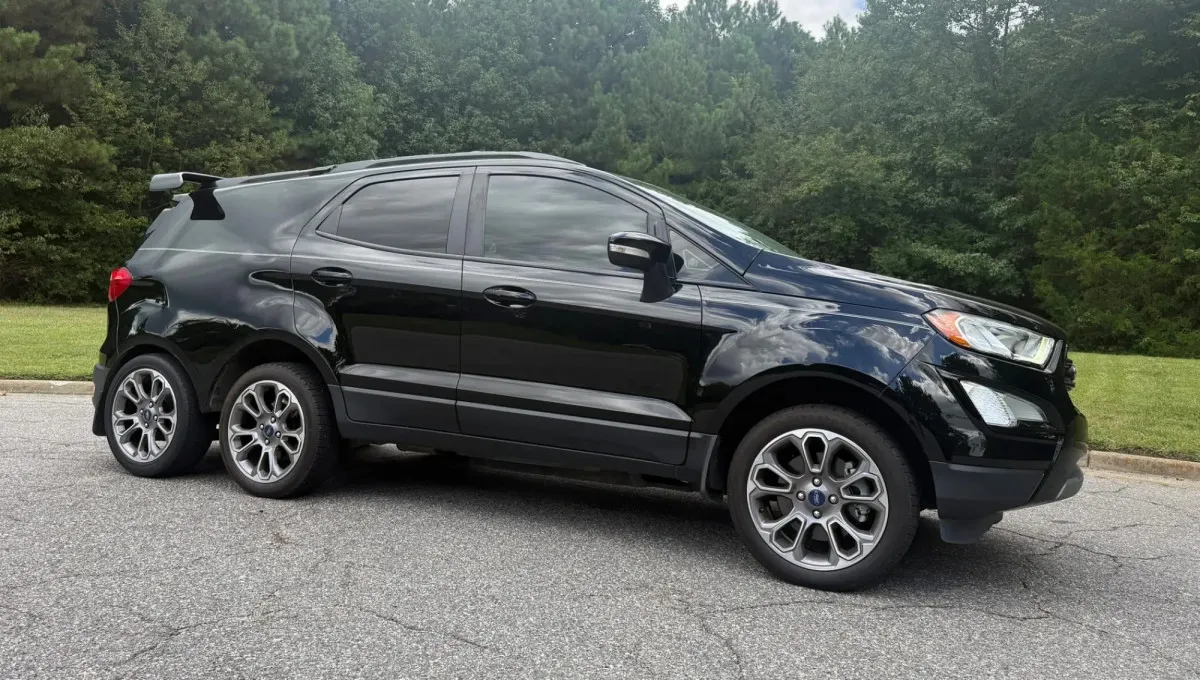
Someone Turned a Ford EcoSport Into a Six-Wheeled SUV — And It's Selling for Just $7,000
An extremely unusual six-wheeled conversion of Ford’s compact crossover has landed on the Bring a Trailer auction block.
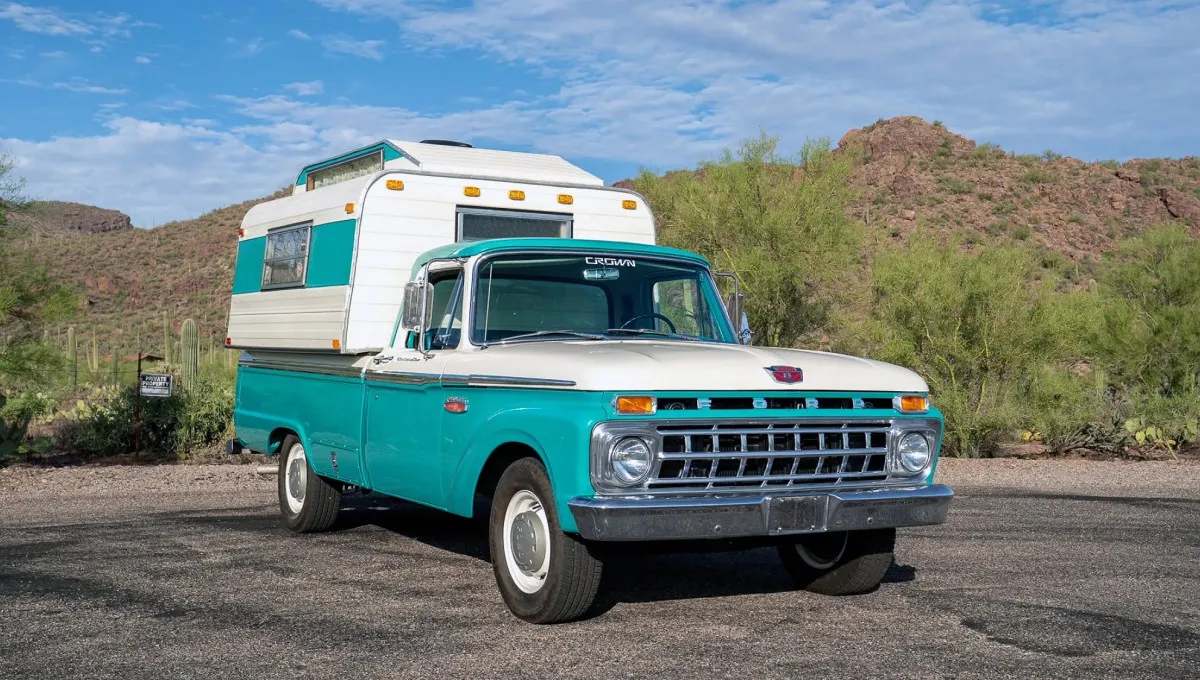
This 1965 Ford F-250 With a Mitchell & Sons Camper Is a Charming Retro Travel Companion
The 1965 Ford F-250 and Mitchell & Sons camper share colors, period styling, and compatibility.