
ECO Mode Explained: Can Saving Fuel Actually Shorten Your Engine’s Life?
ECO mode can improve fuel economy, but many drivers don't realize how it may affect engine performance and long-term durability.
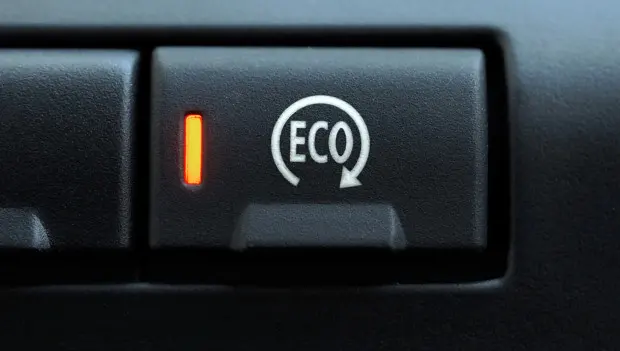
ECO mode has become a standard feature on nearly every new vehicle, thanks to stricter emissions regulations and growing demand for better fuel economy. While the setting is designed to reduce fuel consumption and lower emissions, many drivers wonder whether using it all the time could have unintended consequences for the engine and transmission.
Here's a closer look at how ECO mode works—and when it makes sense to use it.
How ECO Mode Changes the Way Your Car Drives
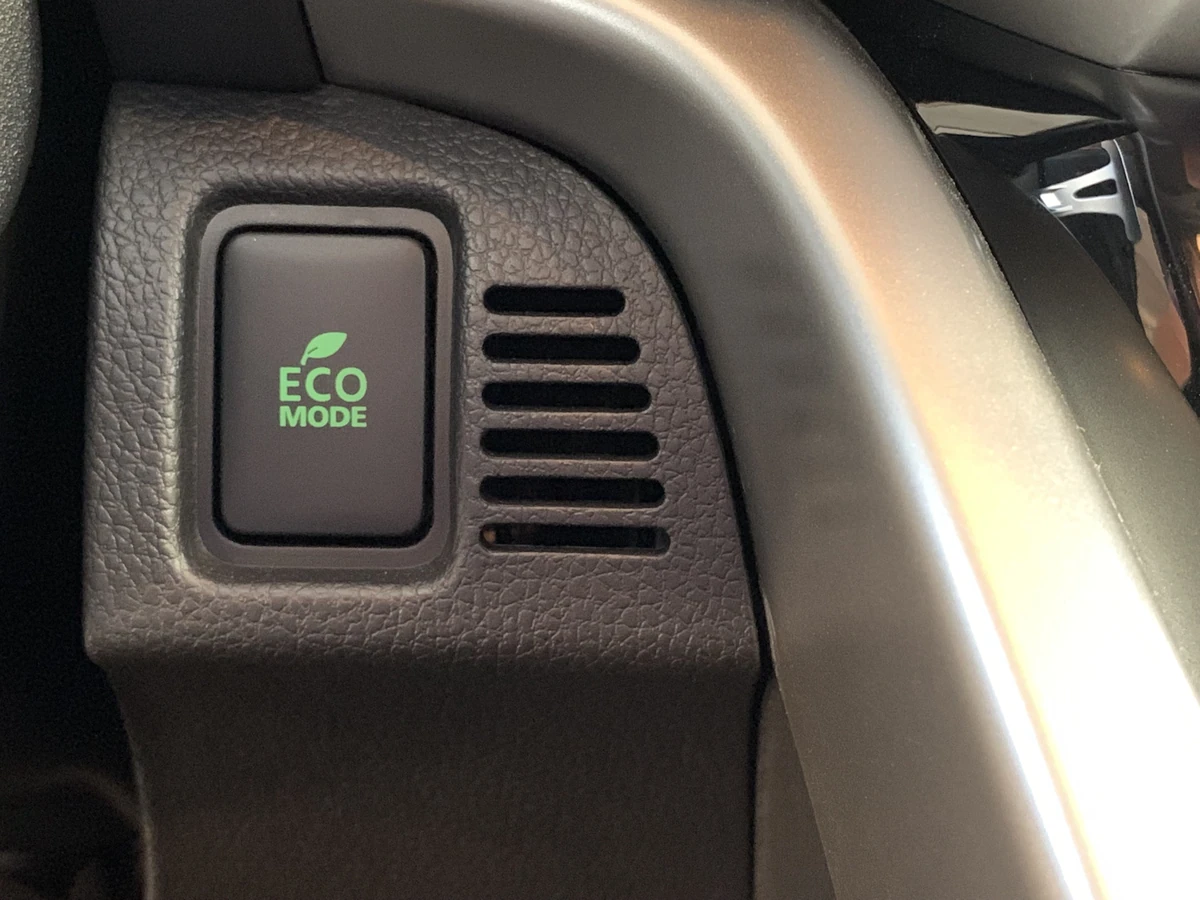
When ECO mode is activated, the vehicle's computer adjusts several operating parameters to prioritize efficiency over performance. Throttle response becomes less sensitive, automatic transmissions upshift earlier, and engine management software is calibrated to keep engine speeds as low as possible.
The result is lower fuel consumption under normal driving conditions. However, those fuel savings come with compromises.
Low Engine Speeds Aren't Always Ideal
Keeping the engine at lower RPM for extended periods may reduce fuel use, but it can also create operating conditions that aren't always beneficial.
Lower engine speeds can reduce combustion efficiency in some situations, allowing carbon deposits to build up over time. Those deposits may eventually contribute to piston ring sticking, increased oil consumption, and reduced engine performance.
Operating under heavy load at very low RPM can also place greater stress on internal engine components, including the crankshaft and bearings. If the vehicle is fueled with gasoline at the minimum recommended octane rating, the likelihood of engine knock may increase under certain conditions.
ECO Mode Doesn't Just Affect the Engine
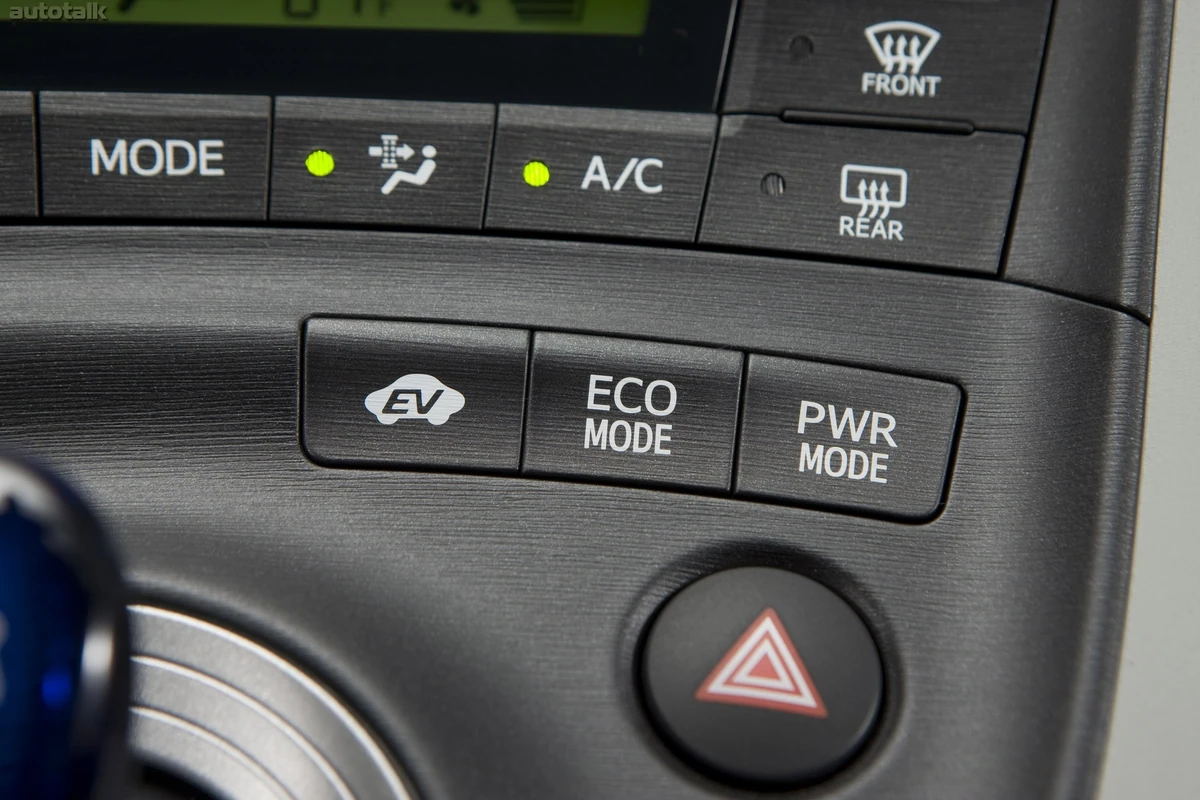
The system also modifies the behavior of other vehicle functions. Air conditioning output is often reduced, electric power steering assistance may be adjusted, and heated seats or other energy-intensive features can operate less aggressively to reduce the vehicle's overall energy demand.
On vehicles equipped with electronically controlled all-wheel drive, ECO mode may also soften throttle response and reduce drivetrain aggressiveness, making acceleration feel noticeably slower.
What It Means for Automatic Transmissions
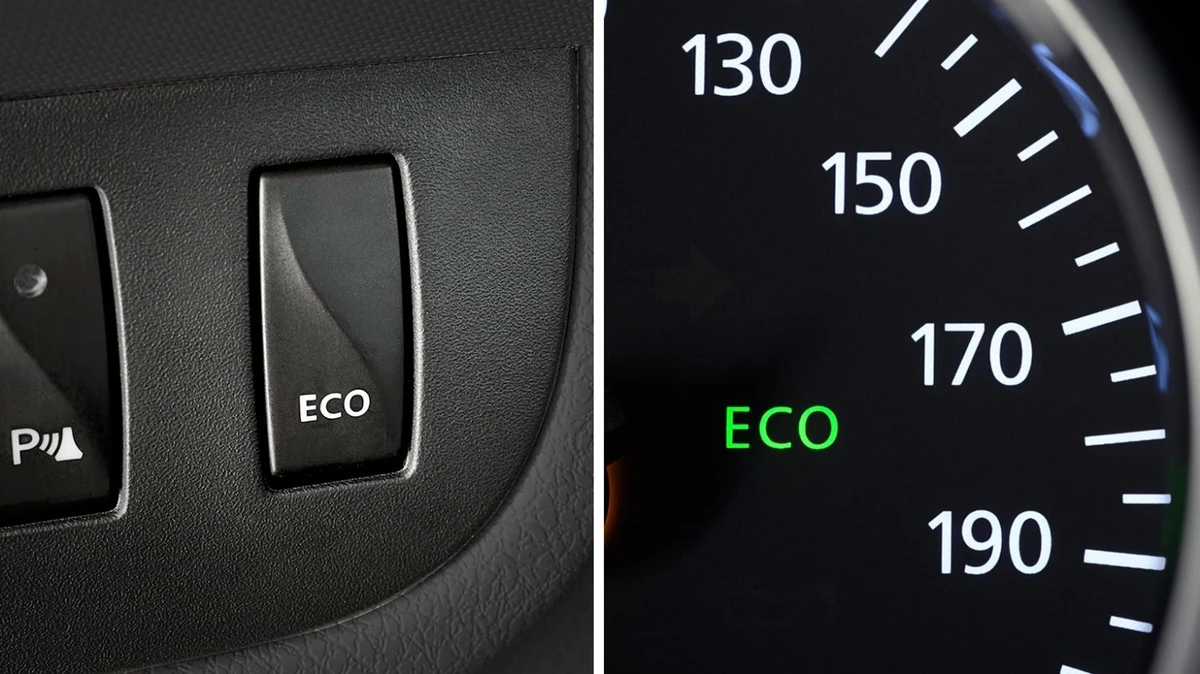
Automatic and dual-clutch transmissions typically shift into higher gears sooner in ECO mode. In city traffic, this can lead to more frequent gear changes as the transmission constantly searches for the most fuel-efficient ratio.
Over time, frequent shifting may contribute to increased wear on clutch packs and transmission components. That's one reason manufacturers emphasize following the recommended transmission fluid service intervals, especially for vehicles that spend most of their time in stop-and-go traffic.
Is ECO Mode a Good Choice on the Highway?
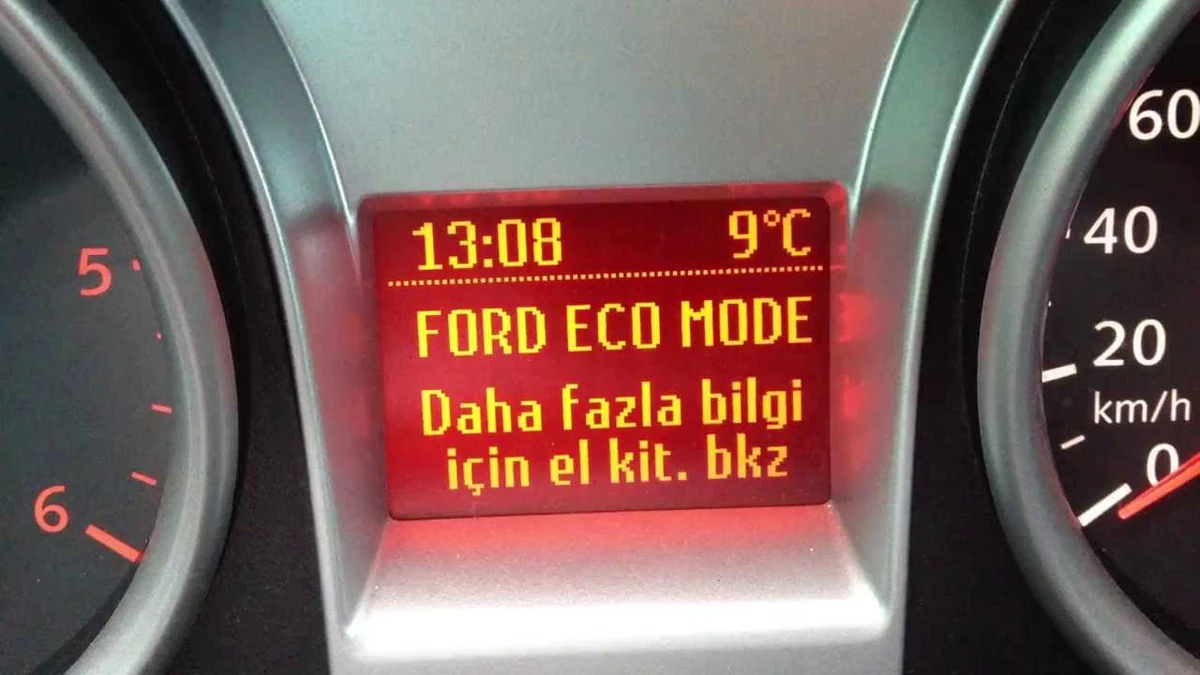
ECO mode isn't always the best option for highway driving. Because throttle response is intentionally softened, acceleration can feel sluggish when merging or passing slower traffic. Drivers often compensate by pressing the accelerator much harder, forcing the transmission to downshift aggressively. Frequent kickdowns can place additional stress on the transmission and reduce the fuel-saving benefits ECO mode is designed to provide.
For situations requiring quick acceleration or rapid lane changes, many automakers recommend switching back to Normal or Sport mode.
How Much Fuel Does It Really Save?
In everyday driving, ECO mode can reduce fuel consumption, but the savings are often smaller than many drivers expect. Smooth acceleration, maintaining steady speeds, avoiding unnecessary idling, and limiting air conditioner use can often produce fuel economy similar to driving in ECO mode. In many ways, the feature simply encourages gentler driving habits by limiting throttle response and optimizing transmission behavior.
Despite its drawbacks, ECO mode isn't inherently harmful. Used appropriately—especially during relaxed city driving or long stretches of steady cruising—it can reduce fuel consumption and lower emissions without causing problems.
Hybrid vehicles benefit even more because their electric motors help offset the reduced engine output during acceleration and stop-and-go traffic. Even so, many automotive technicians recommend giving both conventional and hybrid engines occasional higher-RPM drives once fully warmed up. Doing so can help burn off carbon deposits, bring engine oil up to full operating temperature, and promote long-term engine health.
Like most vehicle technologies, ECO mode works best when it's used in the right conditions rather than left on all the time.
You may also be interested in the news:
The Language of the Road: Which Hand Signals Do American Drivers Still Understand?
Traditional driving hand signals are fading from American roads, but a few old gestures can still help drivers avoid trouble.
One Storage Mistake Can Ruin Your Summer Tires: How to Prevent Cracks and Premature Aging
Even a garage or basement can damage your summer tires over winter without a few simple precautions.
The Mistake Thousands of Drivers Make: Why You Should Never Let Your Gas Tank Get Too Low
Mechanics explain how driving on empty can damage fuel pumps and injectors, and how much gas to keep.
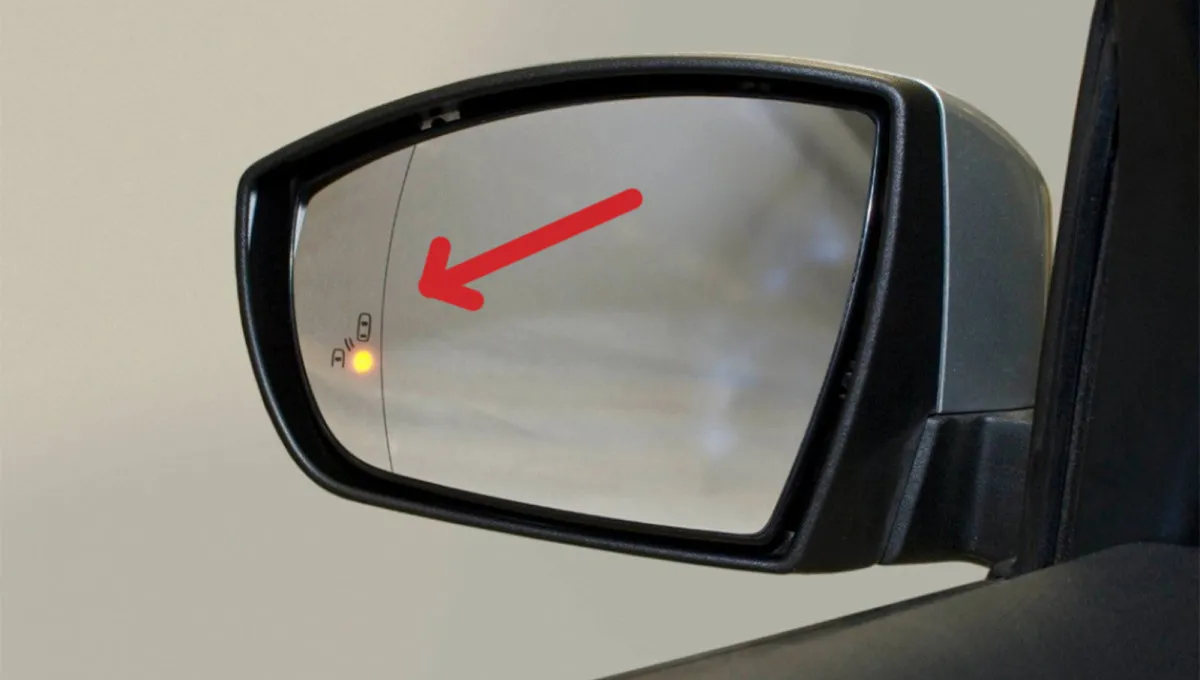
Why Do Some Car Side Mirrors Have a Dotted Line? Most Drivers Don't Know What It Does
That small dotted line on your car's side mirror serves an important purpose many drivers overlook.
Is It Illegal to Drive With Your Car's Interior Lights On? Here's What Drivers Need to Know
Drivers often wonder whether turning on their car's interior lights while driving is illegal or could result in a ticket.