
How to Tint Your Car Windows Yourself Without Making Costly Mistakes
Installing window tint at home is easier than many drivers think if you use the right tools and techniques.
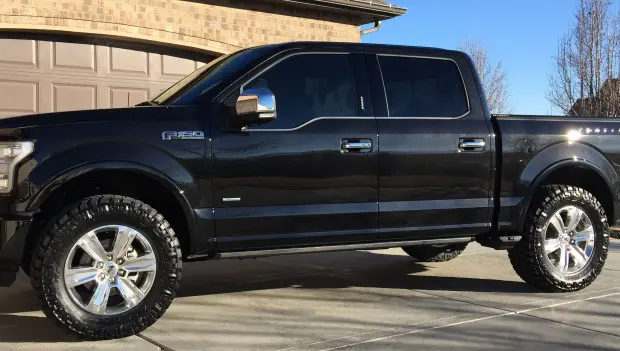
Few things are more uncomfortable than climbing into a car that's been sitting in the summer sun. Fortunately, there's a simple way to reduce cabin temperatures: window tint. Many drivers assume professional installation is the only way to get good results, but with patience and the right materials, you can apply window film yourself without spending a fortune.
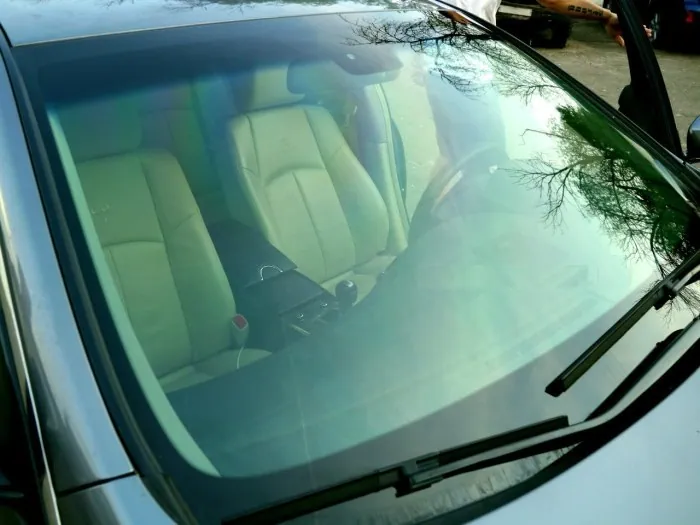
Before getting started, remember to check your state's window tint laws. In many parts of the U.S., regulations limit how dark front side windows and windshields can be, while rear windows are often subject to less restrictive rules. If your goal is simply to reduce heat, a high-quality ceramic or heat-rejecting film can be an excellent option without dramatically darkening the glass.
What You'll Need
Before you begin, gather the following supplies:
- Window tint film
- Rubber squeegee
- Spray bottle
- Sharp utility knife
- Heat gun or powerful hair dryer
- Baby shampoo or mild dish soap
- Masking tape
- Clean microfiber towels (lint-free if possible)
- Clear nail polish (optional)
Even if this is your first tint job, avoid the cheapest film available. Low-quality film is often difficult to install, wrinkles easily, and may fail long before premium products.
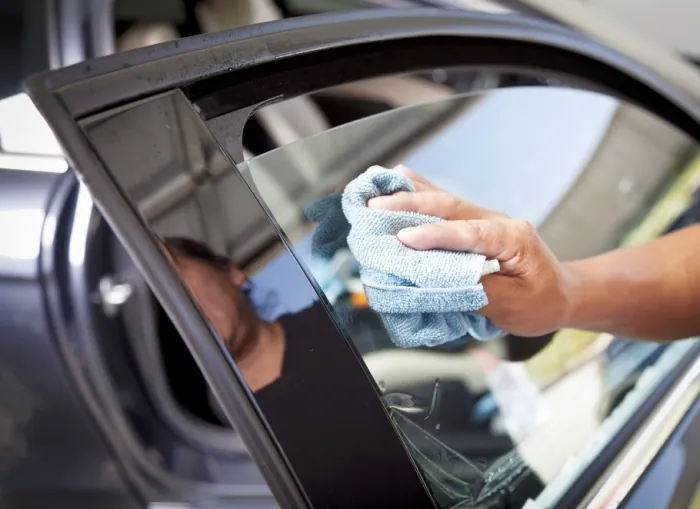
For the best results, remove the windows if practical—at minimum, the side windows. Thoroughly clean both the glass and your work area. Even tiny dust particles that are invisible to the naked eye can create bubbles, bumps, or poor adhesion once the film is installed.
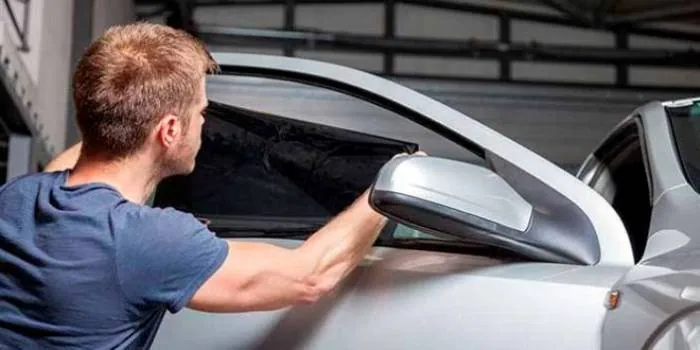
Cut each piece of tint slightly larger than the window, leaving about 1 inch of extra material on every side for trimming.
Be sure to remember that the tint is installed on the inside surface of the glass. You can either measure the window beforehand or place the film directly against the glass to mark the correct shape.
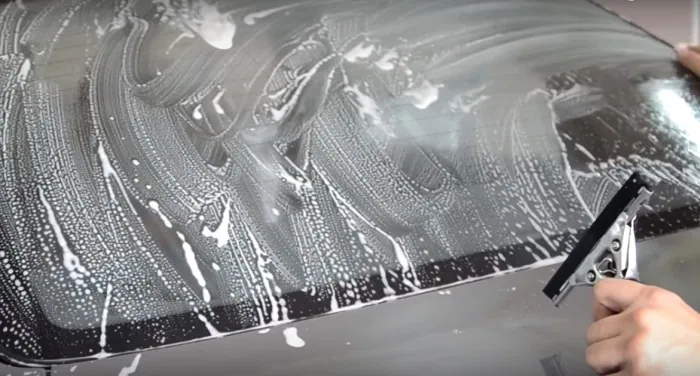
Spray the inside of the glass generously with a mixture of water and a few drops of shampoo or mild soap.
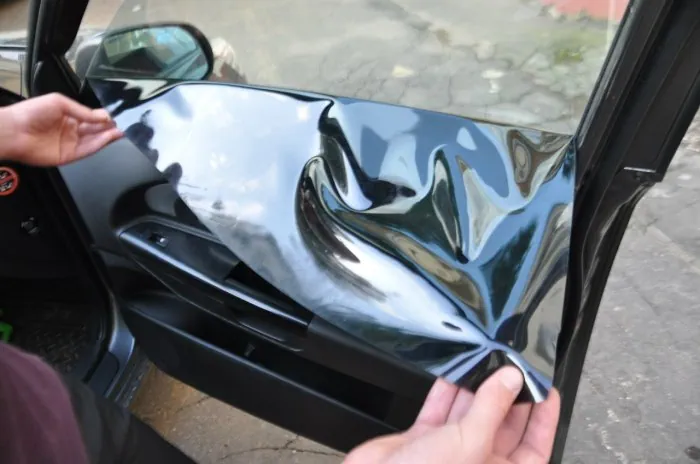
Next, wet the adhesive side of the film with the same solution before placing it onto the glass. Start by aligning the top edge, then slowly work your way downward, keeping the film straight while avoiding wrinkles and creases.
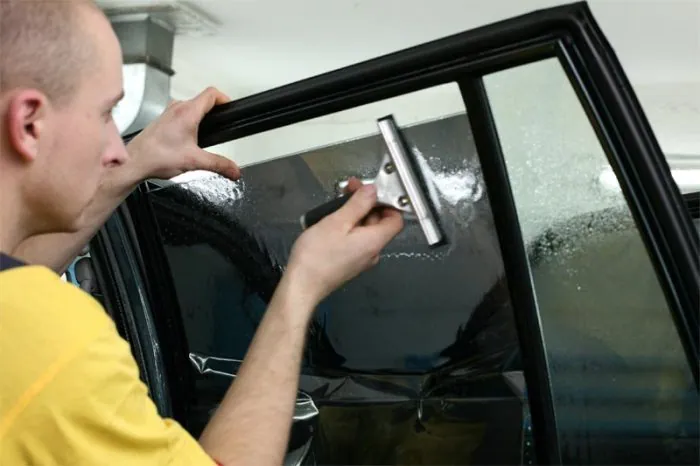
Once the film is positioned correctly, use a rubber squeegee to push out all trapped water and air bubbles, working from the center toward the edges.
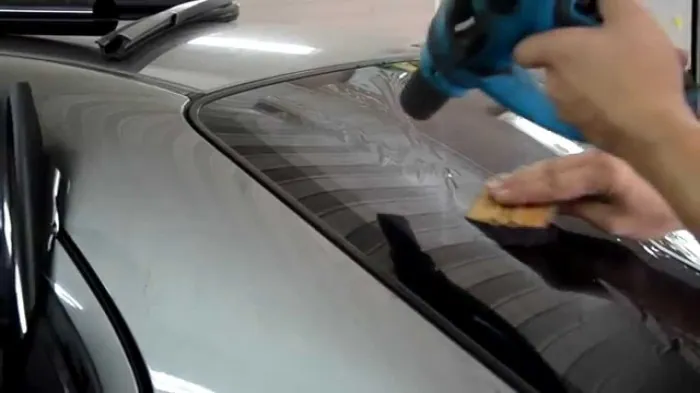
Afterward, use a heat gun to gently warm the film, helping it conform to the glass and improving adhesion.
Using a straightedge and a sharp utility knife, trim the excess film, leaving a gap of roughly 1/64 inch (about 0.5 mm) around the edge of the glass.
Some DIY installers lightly seal the edges with clear nail polish to reduce the risk of peeling over time, although this step is optional and not commonly used by professional tint shops.
After installation, avoid lowering the windows or disturbing the film for at least 24 hours. Depending on temperature and humidity, complete curing may take several days, during which small water pockets or hazy areas usually disappear on their own.
You may also be interested in the news:
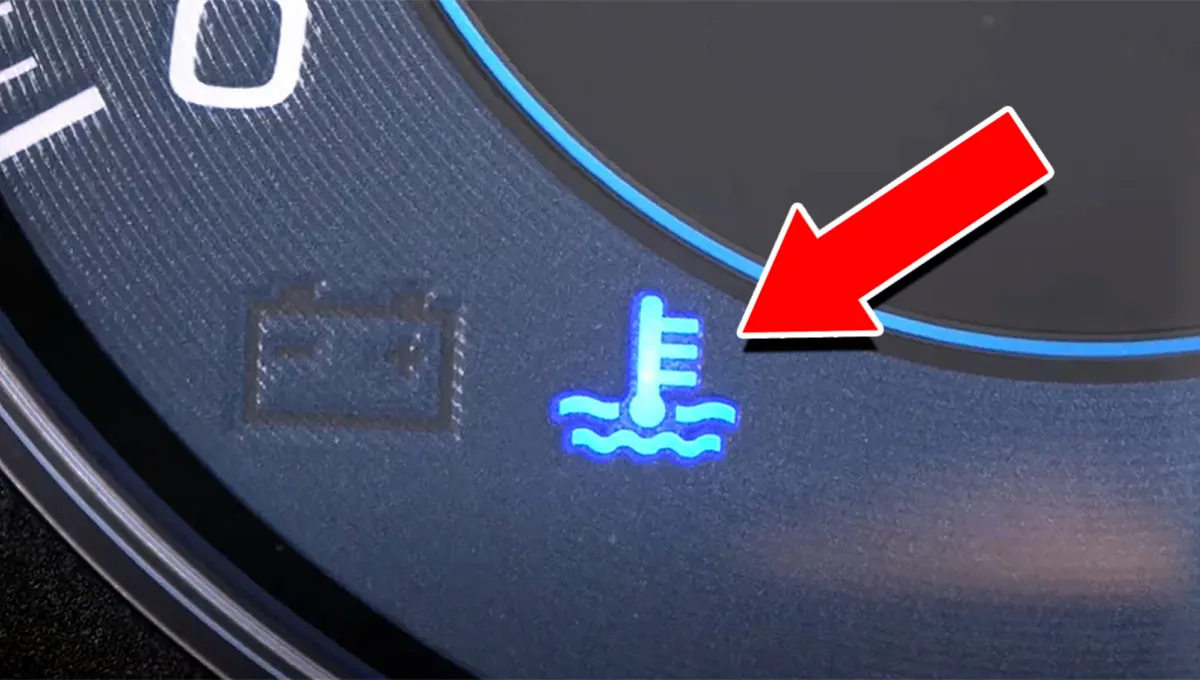
These 7 Dashboard Warning Lights Could Leave You Stranded—Here’s What They Really Mean
These dashboard warning lights can signal serious problems, from low oil pressure to overheating or brake trouble.
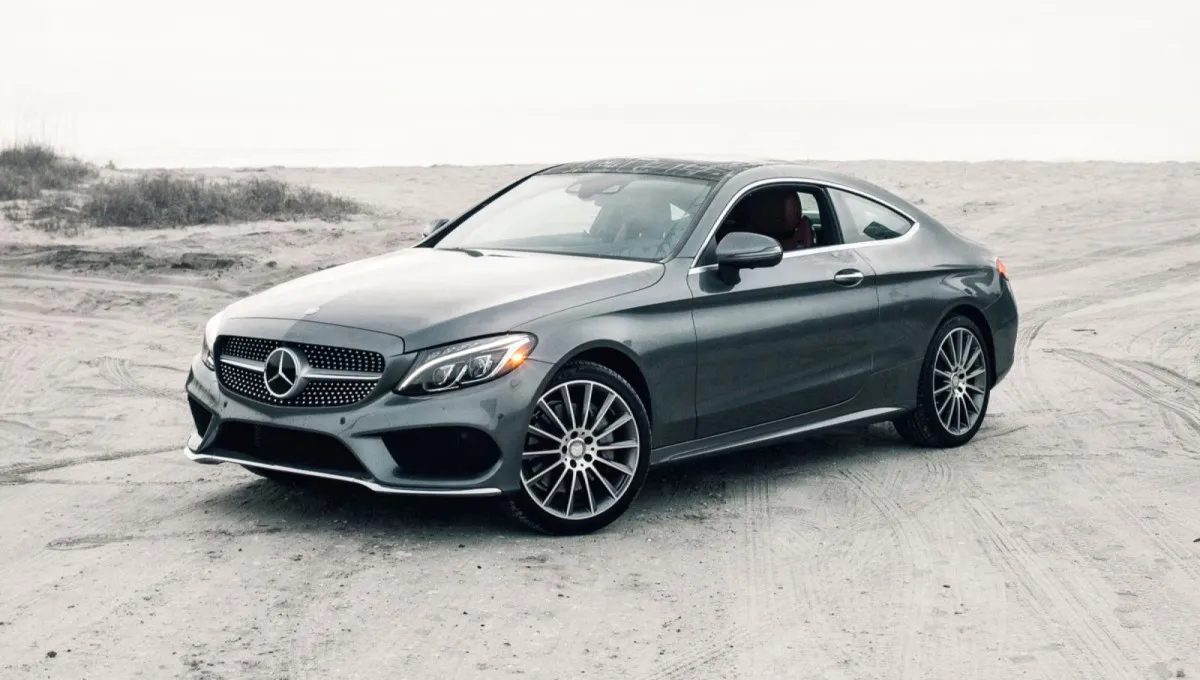
Five Used Mercedes-Benz Models That Deserve Extra Scrutiny Before You Buy
These five used Mercedes-Benz models have reported issues that could turn an attractive bargain into an expensive ownership headache.
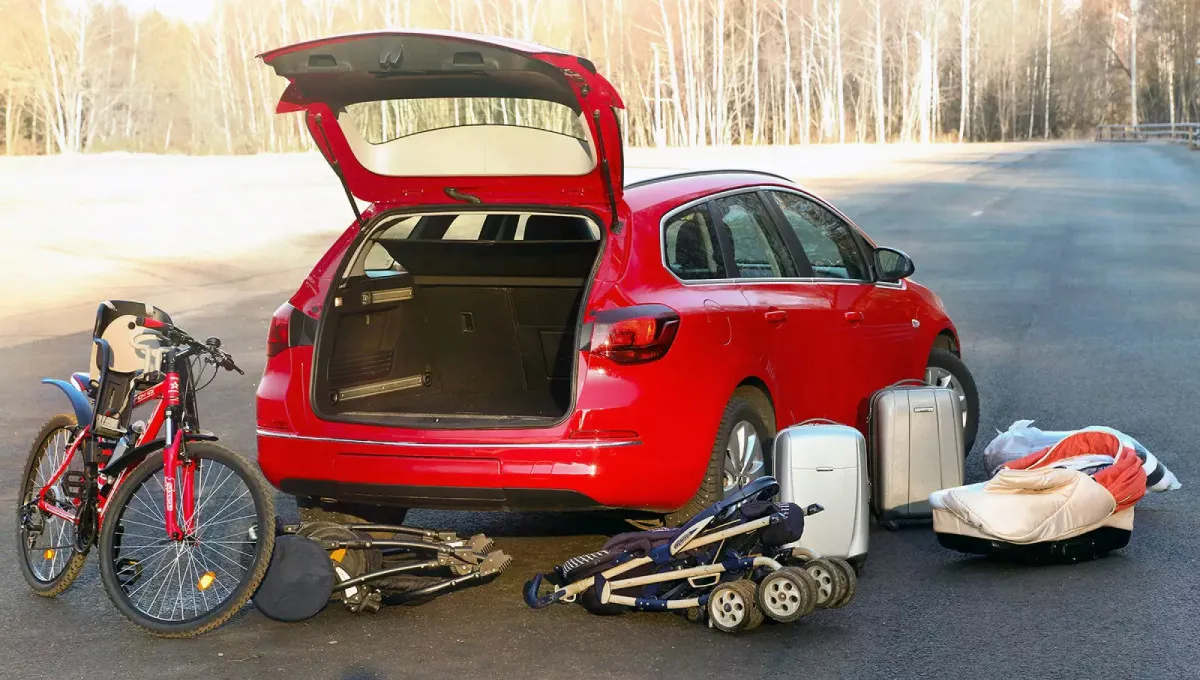
These 10 Used Family Cars Could Save You From Buying the Wrong SUV or Minivan
Shopping for a used family vehicle? These 10 SUVs and minivans offer the practicality American families need every day.
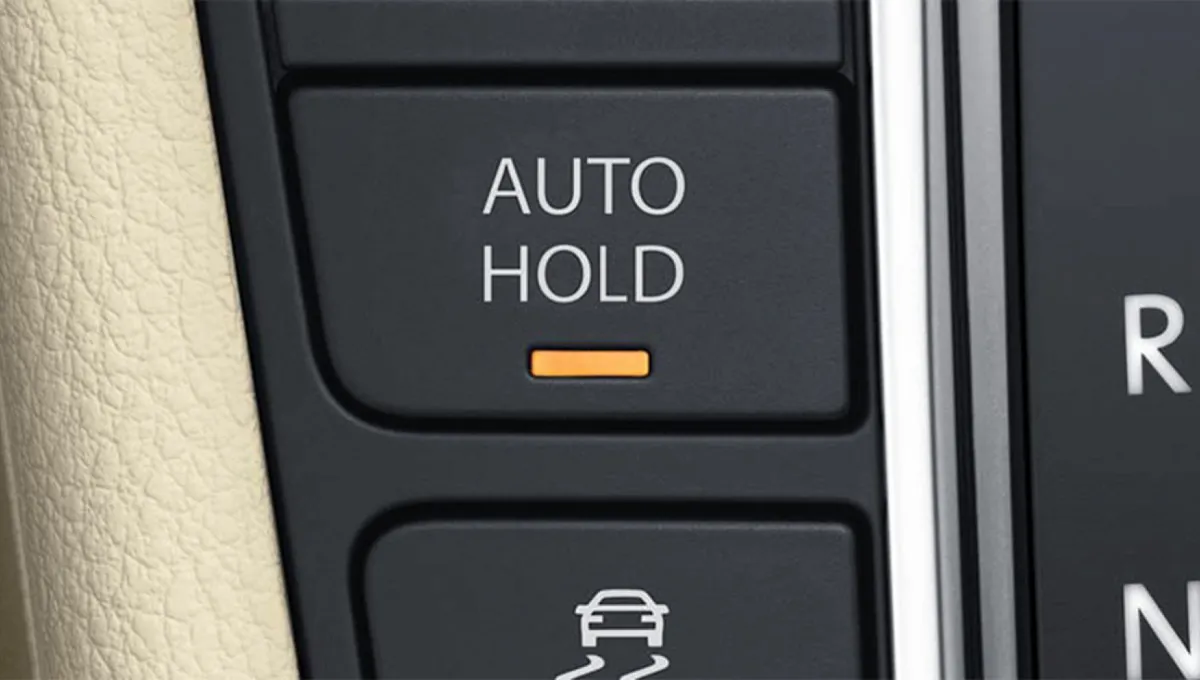
That Little Auto Hold Button Could Make Your Daily Commute a Lot Less Annoying
That little Auto Hold button can take the strain out of stop-and-go traffic, steep hills, and everyday city driving.
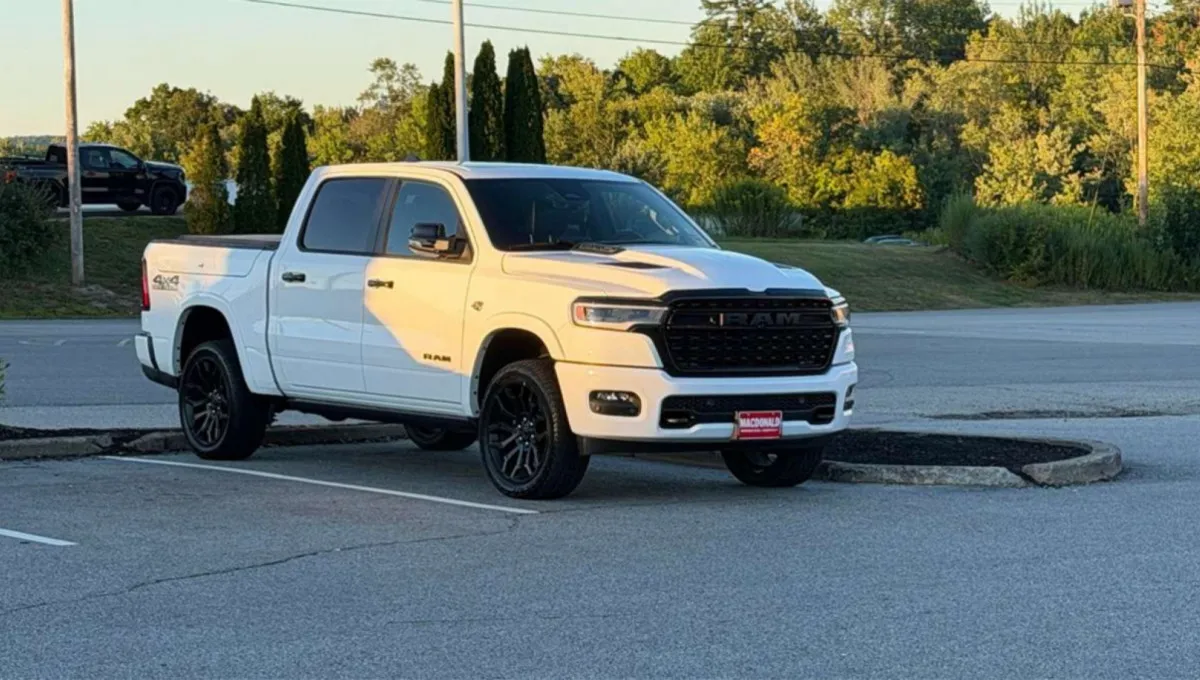
He Traded His F-150 for a Loaded Ram 1500—Then the Door Sticker Revealed Just 782 Pounds of Payload
2026 Ram 1500 Limited Buyer Trades His F-150 and Finds Only 782 Pounds of Payload