
How to Avoid Ruining Your A/C in Hot Weather: 5 Warning Signs It's About to Fail
Summer is in full swing, and your vehicle's air conditioning may already be showing signs of trouble.
Summer is in full swing: blazing sun, traffic jams, and a cabin that quickly turns into a greenhouse. Your air conditioner is often the only relief. As long as cold air keeps flowing through the vents, the ride stays comfortable. But once the system starts acting up, every trip becomes miserable. The worst-case scenario is having the A/C compressor fail during the hottest part of the season. The good news is that it rarely happens without warning. In most cases, the compressor shows signs of trouble long before it fails completely. You just have to recognize them before you're facing an expensive repair bill.
Replacing an A/C compressor is far more costly than simply recharging the refrigerant. If the system stops blowing cold air, the problem may be a leak or normal refrigerant loss. Depending on the repair shop and the amount of refrigerant needed, an A/C recharge typically costs around $60–$90. But if the compressor itself has failed, the repair bill is in a completely different league. Replacing the compressor on a mainstream vehicle can easily cost $600–$950, while premium models can exceed $1,800. That's why it's better to recognize the warning signs early than pay for a major repair later. Here are the five most common symptoms.
You Hear a Whistle or Metal Grinding Noise
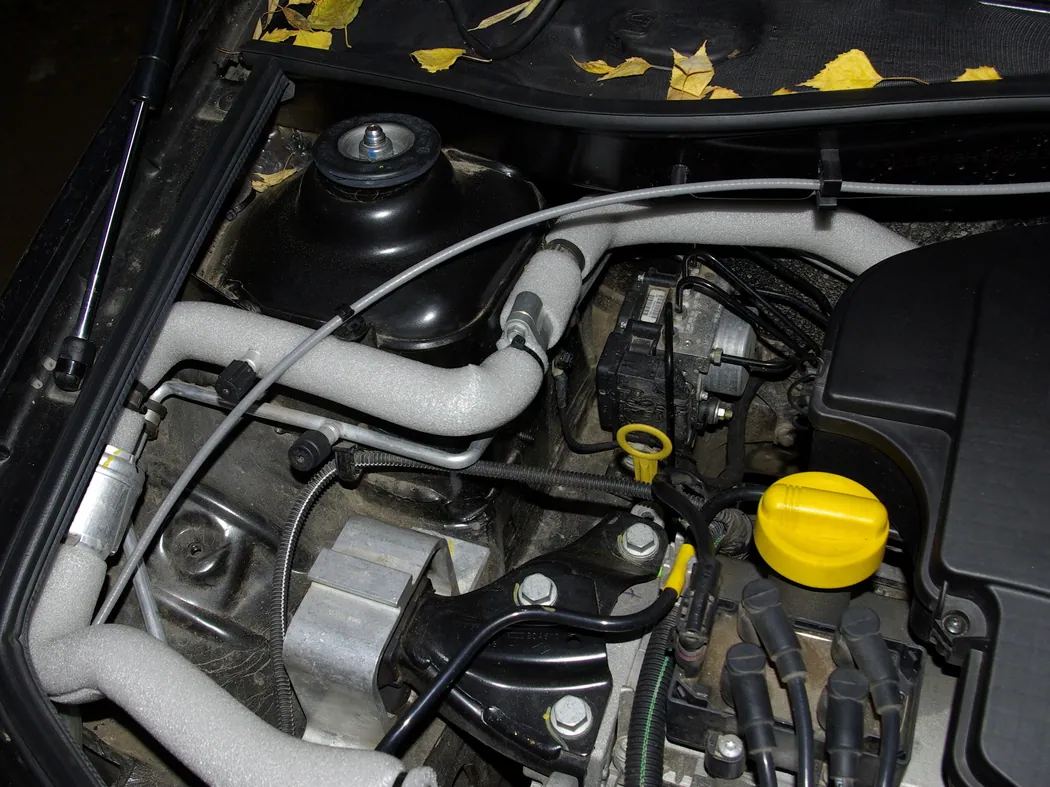
A high-pitched whistling sound usually means the compressor bearing is badly worn or beginning to seize. A metallic grinding noise may indicate the compressor's internal components are operating without adequate lubrication or are starting to fail. If these noises become consistent, it's time to have the system inspected.
The Air From the Vents Is No Longer Consistently Cold

If the air temperature keeps changing—from ice cold to slightly warm and back again—it may point to a failing compressor. A worn compressor can no longer generate the pressure difference the system needs, causing inconsistent operation. Many drivers blame the automatic climate control, but that's often not the real cause.
You Smell Burning Rubber or Plastic
If a burning electrical or hot mechanical odor comes through the vents, it could indicate an overheating compressor or a short circuit in the compressor clutch coil. If you notice a strong smell of burning plastic or oil around the compressor, or see smoke, it's best to shut off the engine and call for a tow truck immediately.
Your Vehicle Is Using More Gas Than Usual
A properly functioning compressor uses only a small portion of the engine's power. As internal components wear, the pulley becomes harder to turn, increasing engine load and fuel consumption. This is especially noticeable in stop-and-go traffic, where fuel economy can worsen by as much as 15 to 20 percent.
You Notice Dark Oily Stains on the Compressor
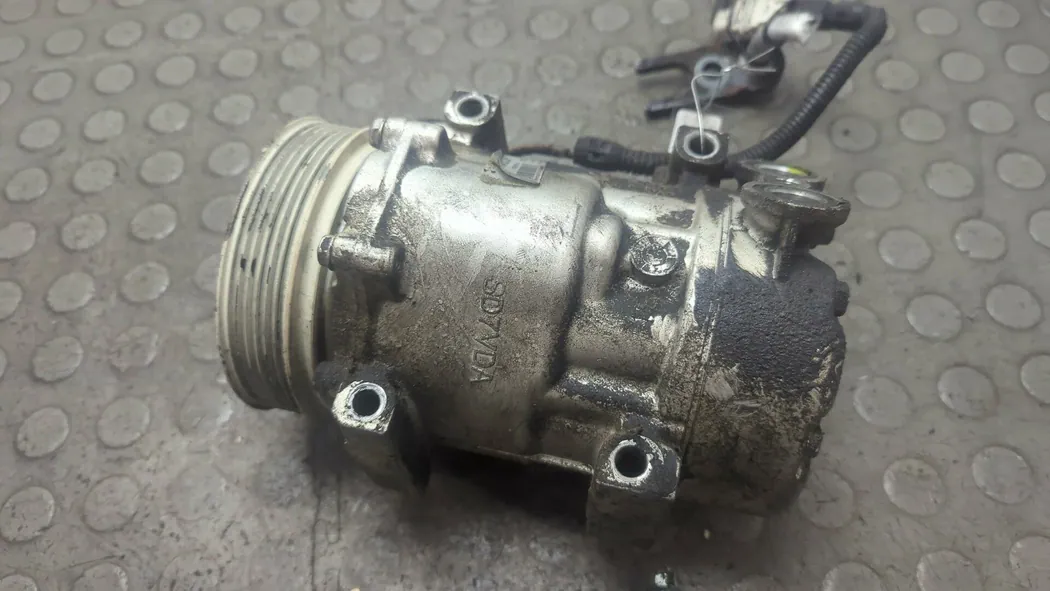
Dark, greasy residue covered with dirt around the compressor usually indicates an oil leak. Without sufficient lubrication, the compressor runs dry, leading to metal debris inside the system and premature bearing failure. Signs of overheating on the compressor clutch and severe corrosion are also cause for concern, as refrigerant can escape through tiny cracks.
If You Notice Two or Three Symptoms, It's Time for Service
No single symptom guarantees that the compressor is failing, but several appearing together are a strong indication that something is wrong. Don't wait until the climate control system stops working completely. In the middle of a summer heat wave, waiting for an appointment at the repair shop, you'll likely wish you had scheduled a simple inspection sooner.
You may also be interested in the news:
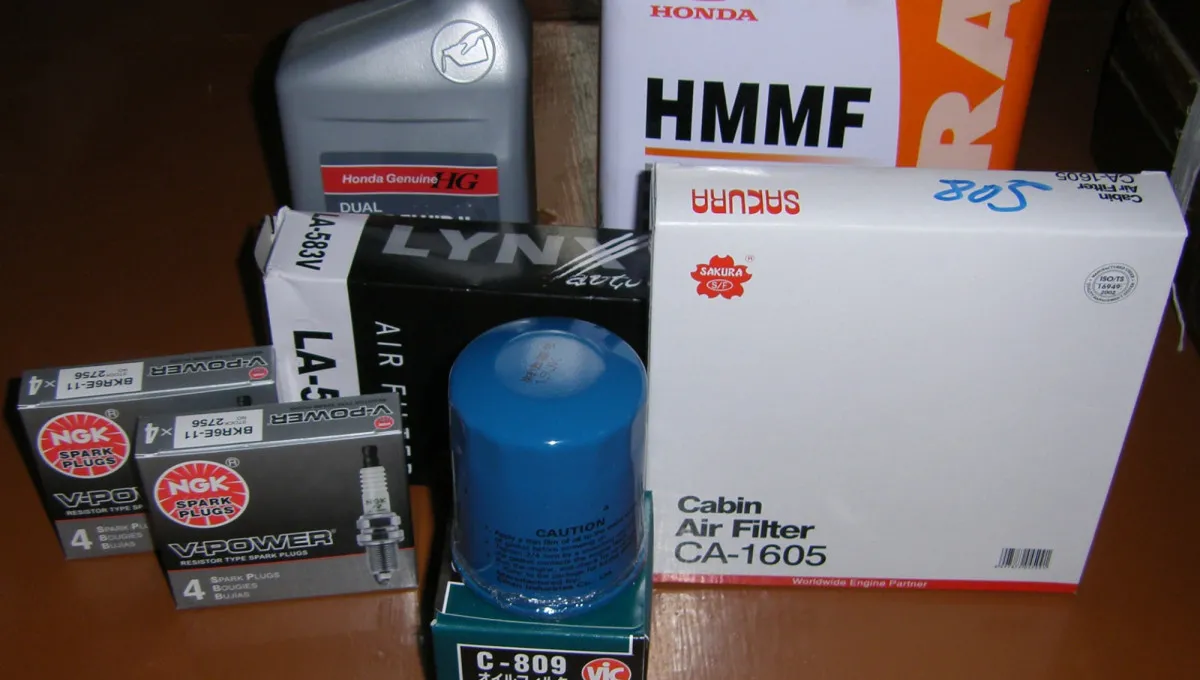
Changing Your Car’s Filters: How to Do Basic Maintenance Yourself Without Damaging the Engine
Changing the oil, engine air filter and cabin air filter yourself can save money, but small mistakes can cause expensive problems.
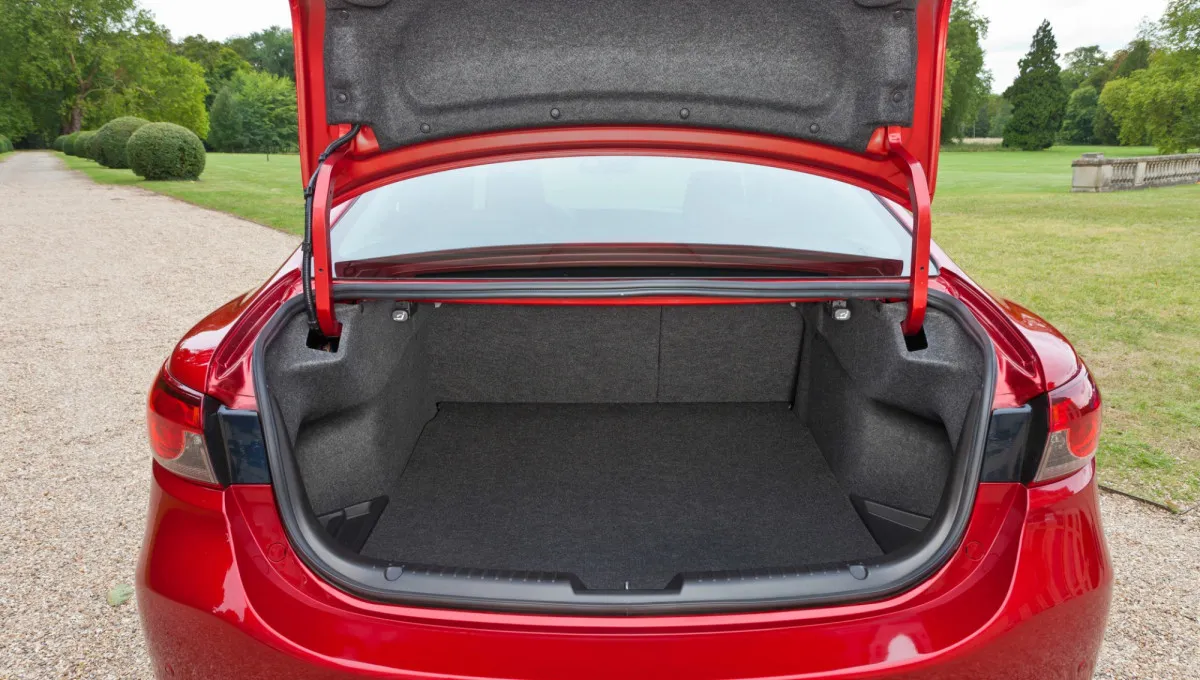
That Stuff in Your Trunk Is Costing You More Than You Think—Here’s What to Take Out
Carrying unnecessary cargo can quietly increase fuel use, accelerate wear and create an avoidable safety hazard for drivers and passengers.
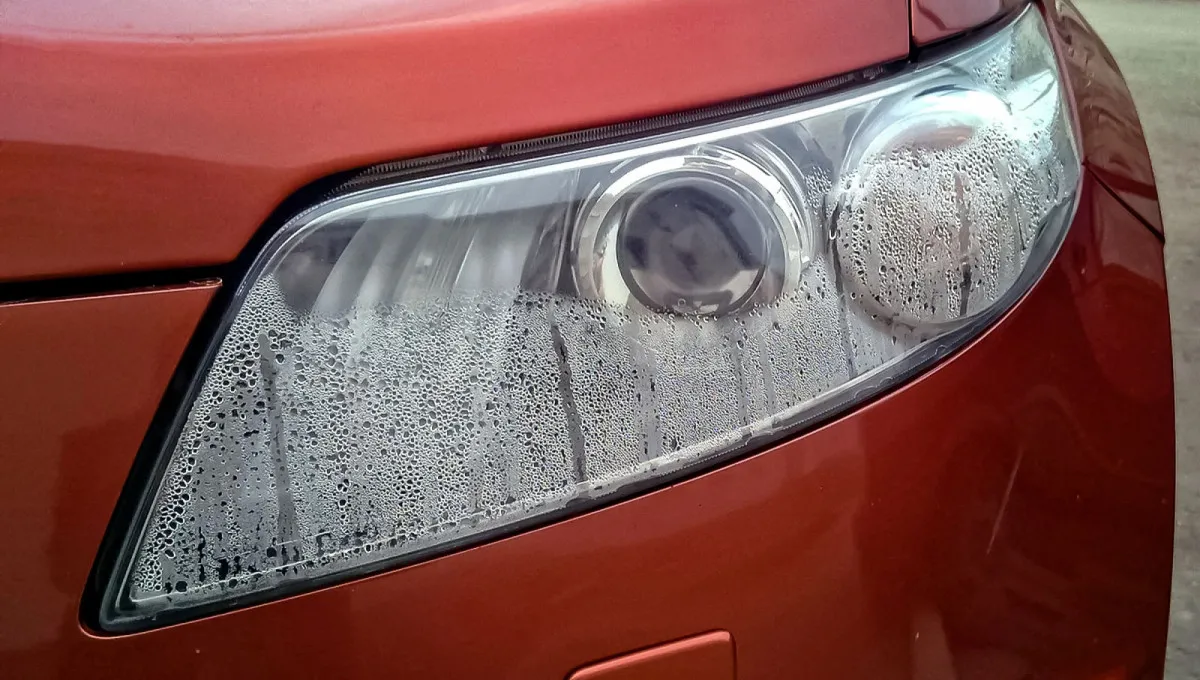
Your Headlights Are Fogging Up for a Reason: 4 Causes and 5 Steps to Fix Them
Foggy headlights are not always a sign of damage, but persistent condensation can point to a problem that needs attention.
Why Is Your Car’s Suspension Making a Knocking Noise? 5 Symptoms Every Driver Should Know
Five common suspension noises can point to specific problems, helping drivers narrow the cause before inspection.

How to Protect Your Windshield From Flying Rocks: This Simple Trick Could Save You From Replacing It
Keep your distance, slow down and repair chips quickly to help prevent small windshield damage from becoming costly cracks.