
Common Questions: Why Is the TPMS Warning Light On and How Do You Fix It?
Seeing the tire pressure monitoring system (TPMS) warning light on your dashboard can be alarming, but the cause is usually easy to fix.
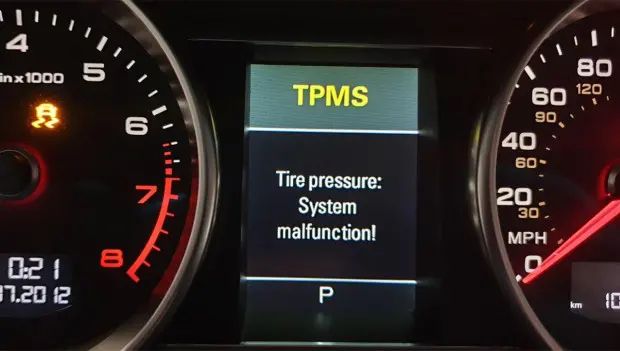
Starting a modern vehicle, even on a cold morning, is usually a simple task. Turn the key, the warning lights on the instrument cluster illuminate, and after a few seconds they go out. Sometimes, however, one small icon stays on, indicating a problem. One common example is the tire pressure warning light. A TPMS warning can be frustrating, especially if you're running late for work and haven't paid much attention to the owner's manual. That doesn't mean your day is ruined. The tire pressure monitoring system is designed not to create problems, but to help prevent them.
What Is the TPMS Warning Light and Why Is It Important?
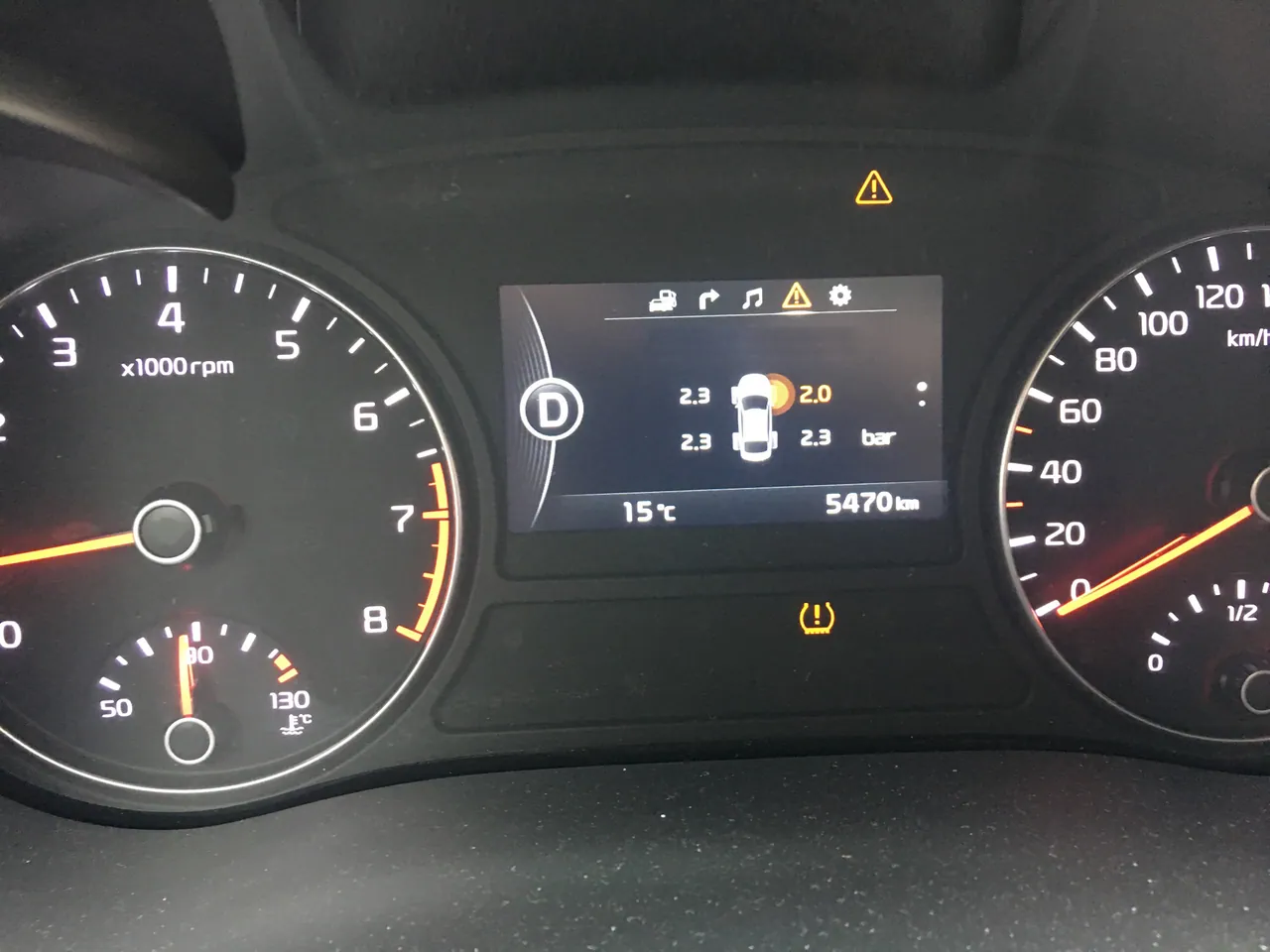
The tire pressure monitoring system is a sensor-based system that alerts you when one or more tires have pressure that is too low or too high. Automakers use different types of sensors, but the purpose remains the same. Although an illuminated TPMS warning light is enough to make you nervous, it is not always a serious issue.
Unlike many other dashboard warnings, it does not necessarily indicate a mechanical failure.
In many cases, the TPMS warning is triggered by something as harmless as a temperature change that affects tire pressure. A puncture or other tire damage, as well as overinflation during tire service, can also activate the warning.
Is It Safe to Drive With the TPMS Warning Light On?
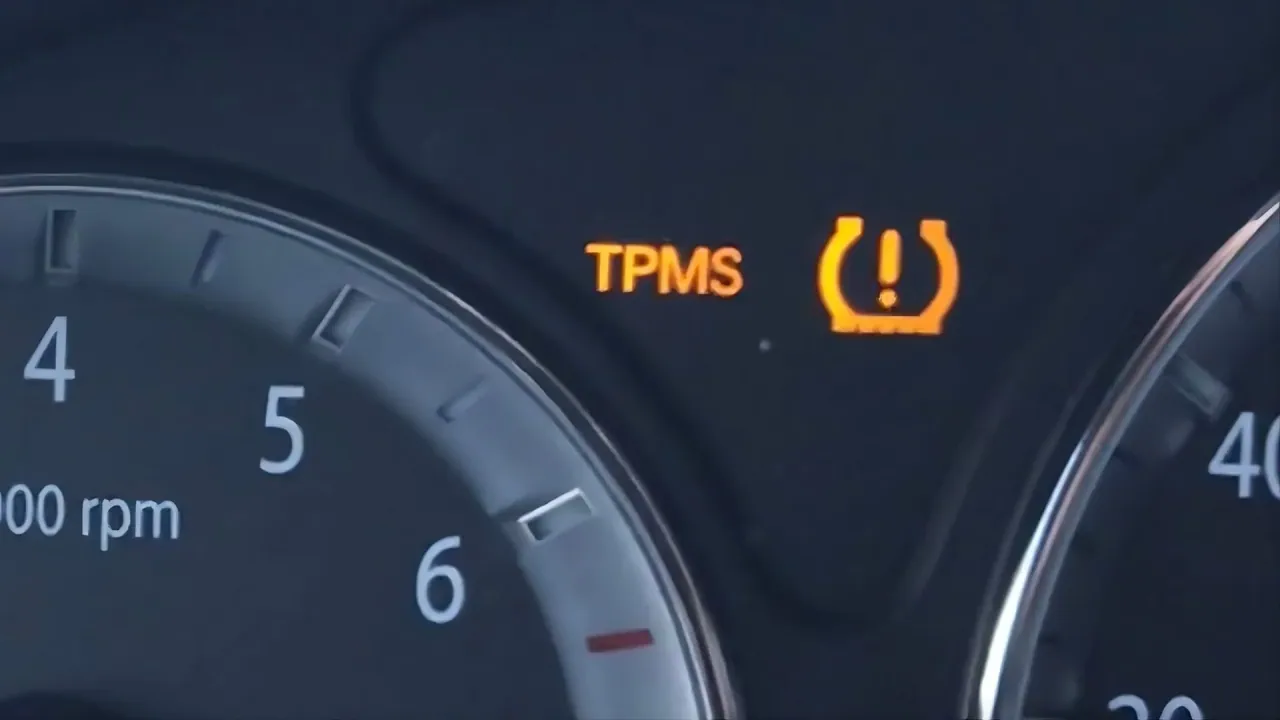
Driving with the TPMS warning light illuminated is not safe. Without inspecting the tire, it is impossible to know how quickly it is losing air. If the warning appears while you're driving, reduce your speed and head to the nearest gas station or tire shop to inspect the tire. Better yet, check your tire pressure regularly, such as every two weeks, using a tire pressure gauge.
Do not inflate your tires to the maximum pressure listed on the sidewall. As you drive, the air inside the tires heats up, increasing the pressure beyond that value. This can reduce ride comfort and increase the risk of a tire failure. Always follow the recommended tire pressure listed on the sticker inside the driver's door jamb.
What If the Sensor Is Faulty?
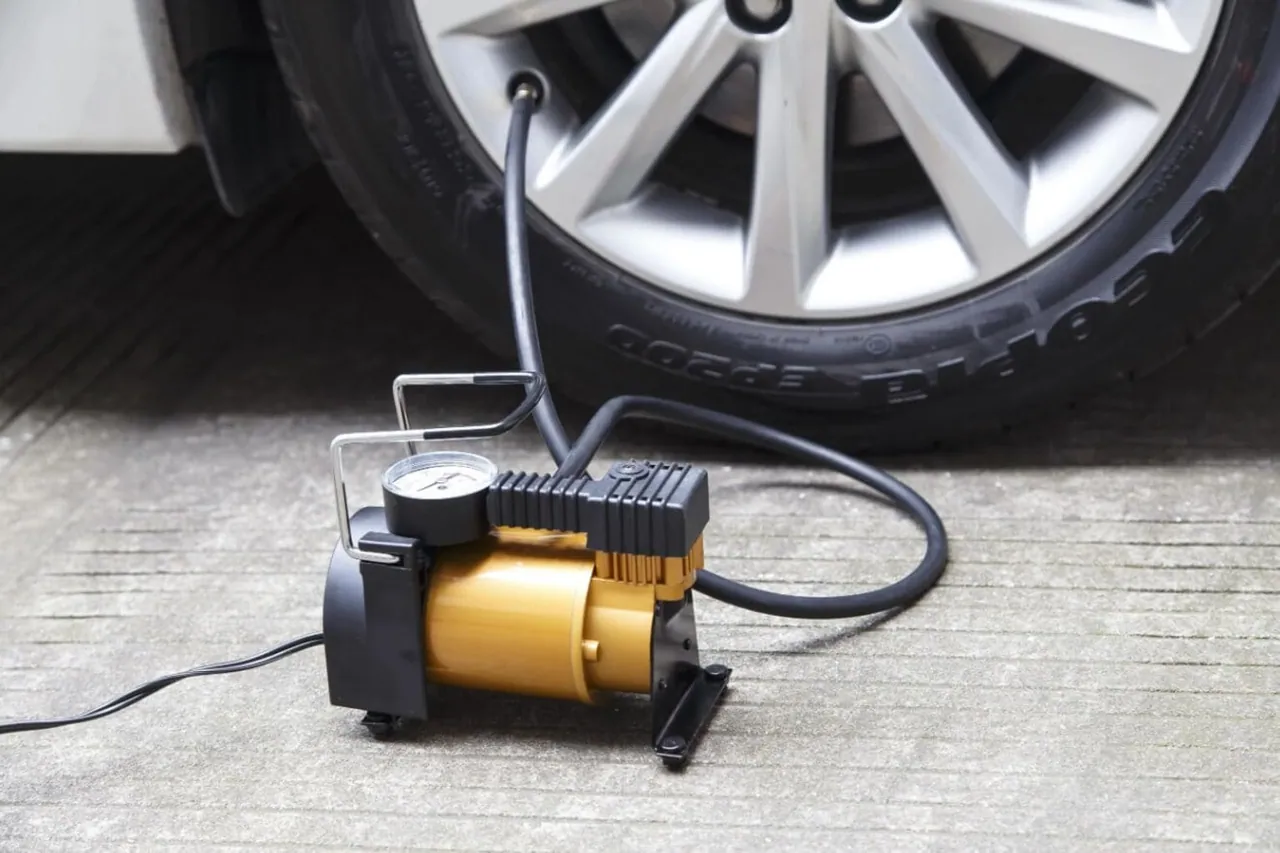
It is perfectly normal for the TPMS warning light to come on and then turn off occasionally, especially when morning temperatures are around freezing and rise later in the day. A faulty sensor is more likely if the warning light flashes rapidly or stays on continuously even though the tire pressure is correct.
Pay attention to the warning light and determine whether it is flashing or staying on steadily. Did it appear while driving or after a significant temperature change? Continue monitoring your tire pressure. When colder weather arrives, adding a small amount of air may be enough to turn the warning light off, but always use a tire pressure gauge and avoid overinflating the tire, which can affect ride comfort, handling, and safety. Seasonal tire changes on vehicles equipped with TPMS sensors are best performed at a qualified repair shop. If you are certain the tires are inflated to the correct pressure and are undamaged, you can reset the warning light using the button sequence specified for your vehicle model or visit a repair shop for a more accurate diagnosis.
You may also be interested in the news:

Astrologers Name 3 Zodiac Signs That Love Driving at Night: Is Yours One of Them?
For these three signs, nighttime means freedom, not fear, as they hit the road after the city goes quiet.
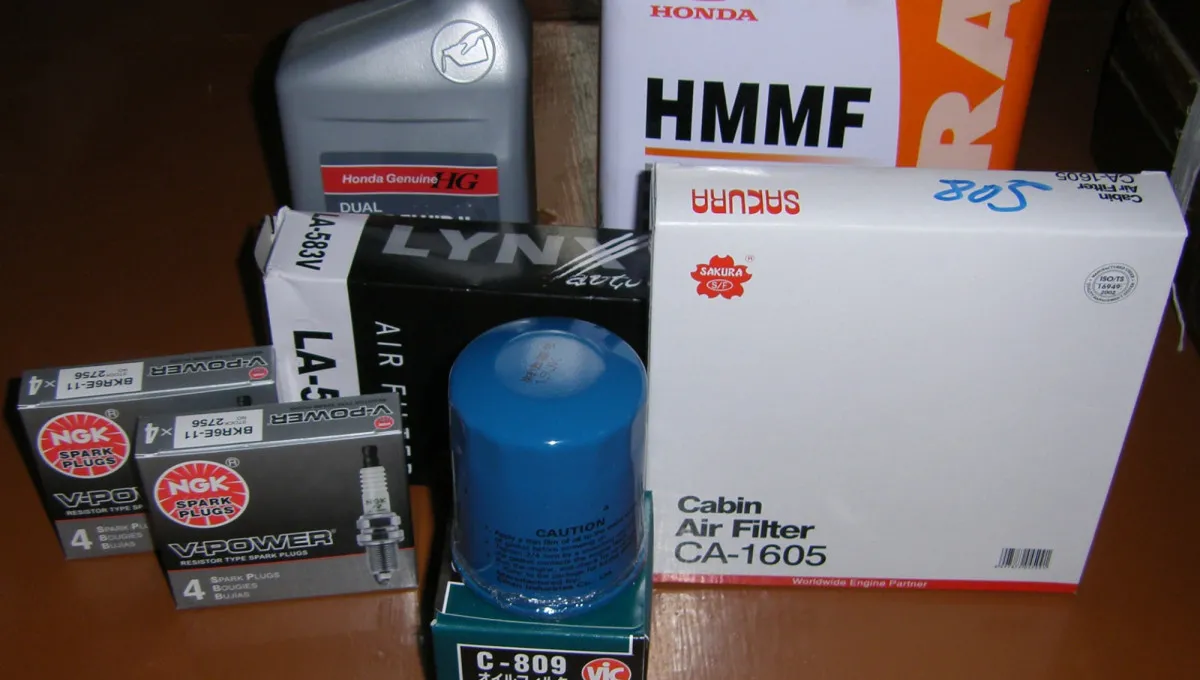
Changing Your Car’s Filters: How to Do Basic Maintenance Yourself Without Damaging the Engine
Changing the oil, engine air filter and cabin air filter yourself can save money, but small mistakes can cause expensive problems.
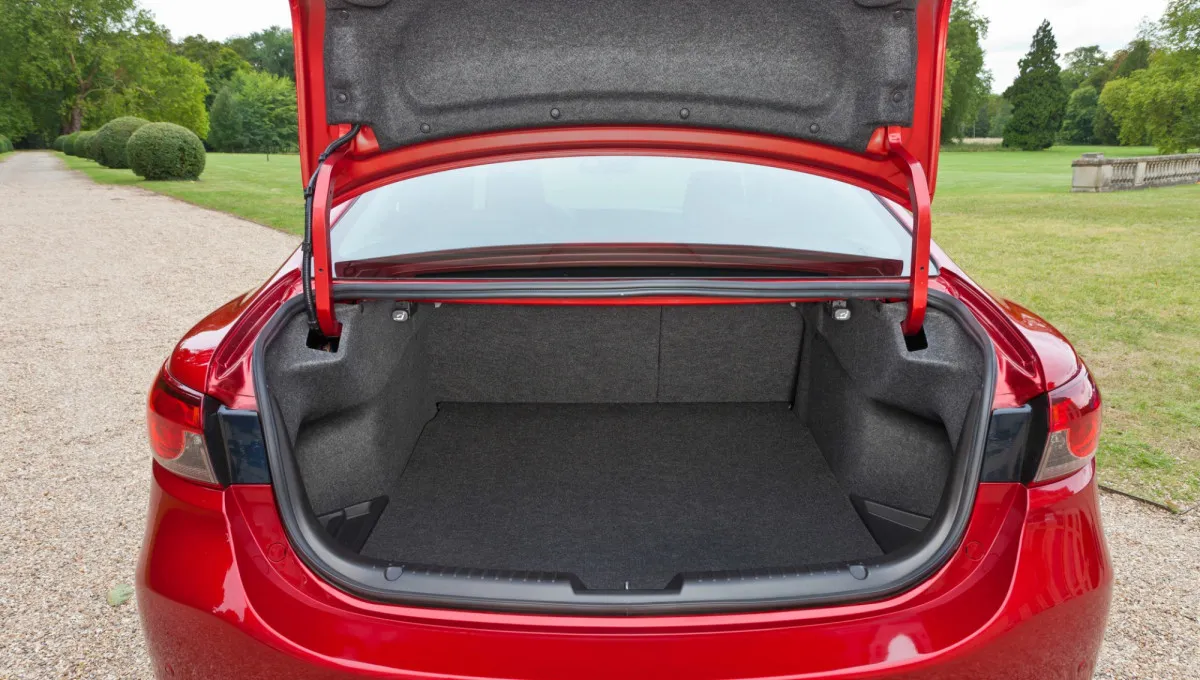
That Stuff in Your Trunk Is Costing You More Than You Think—Here’s What to Take Out
Carrying unnecessary cargo can quietly increase fuel use, accelerate wear and create an avoidable safety hazard for drivers and passengers.
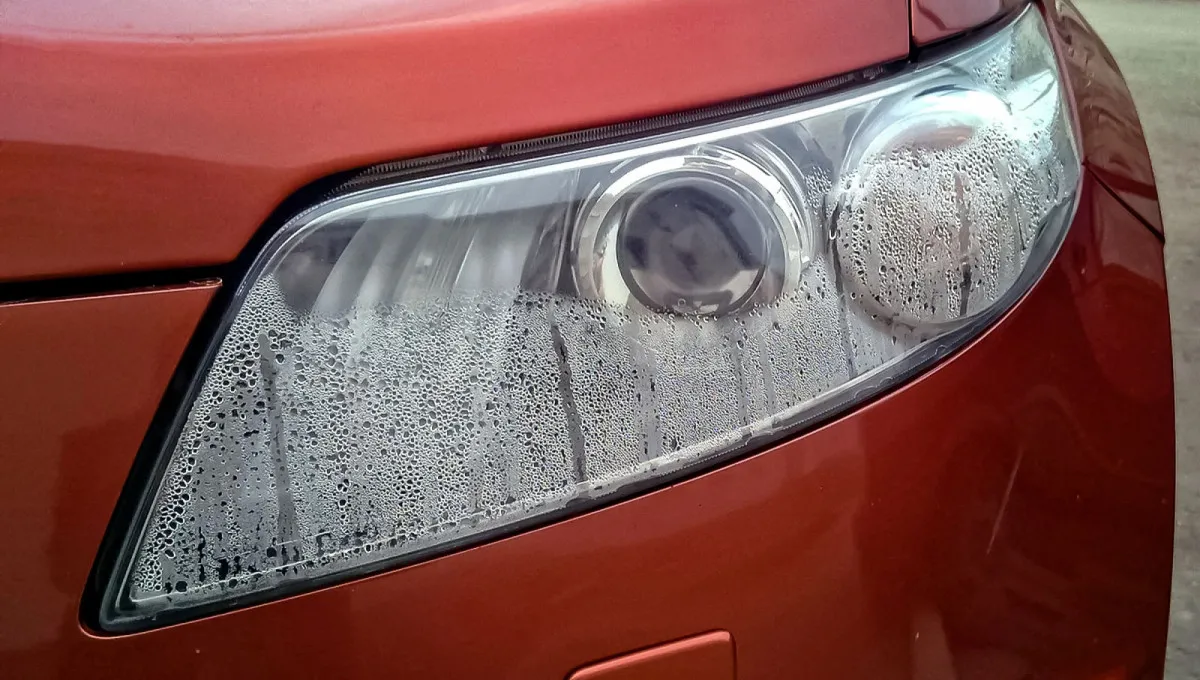
Your Headlights Are Fogging Up for a Reason: 4 Causes and 5 Steps to Fix Them
Foggy headlights are not always a sign of damage, but persistent condensation can point to a problem that needs attention.

Why Is Your Car’s Suspension Making a Knocking Noise? 5 Symptoms Every Driver Should Know
Five common suspension noises can point to specific problems, helping drivers narrow the cause before inspection.