
A Dirty Car Could Be Quietly Damaging Your Engine — And the Repairs Can Cost Thousands
A dirty car can threaten the engine, causing overheating, corrosion, fires, and costly mechanical failures.
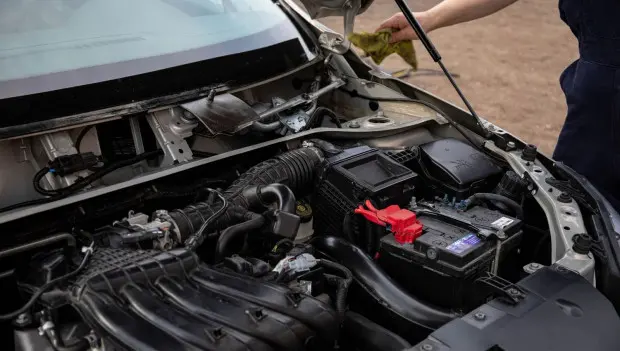
It is widely believed that regularly washing a car is simply a matter of appearance and keeping it looking good. However, a dirty car can pose much more serious risks that may lead to catastrophic engine failures, including complete engine seizure. Drivers often underestimate this less obvious but critically important link between vehicle cleanliness and the longevity of its “heart.” Especially after heavy off-road driving or in dusty conditions, cleaning the vehicle becomes not just desirable but essential to prevent expensive repairs.
Dirty Radiator: A Hidden Overheating Threat
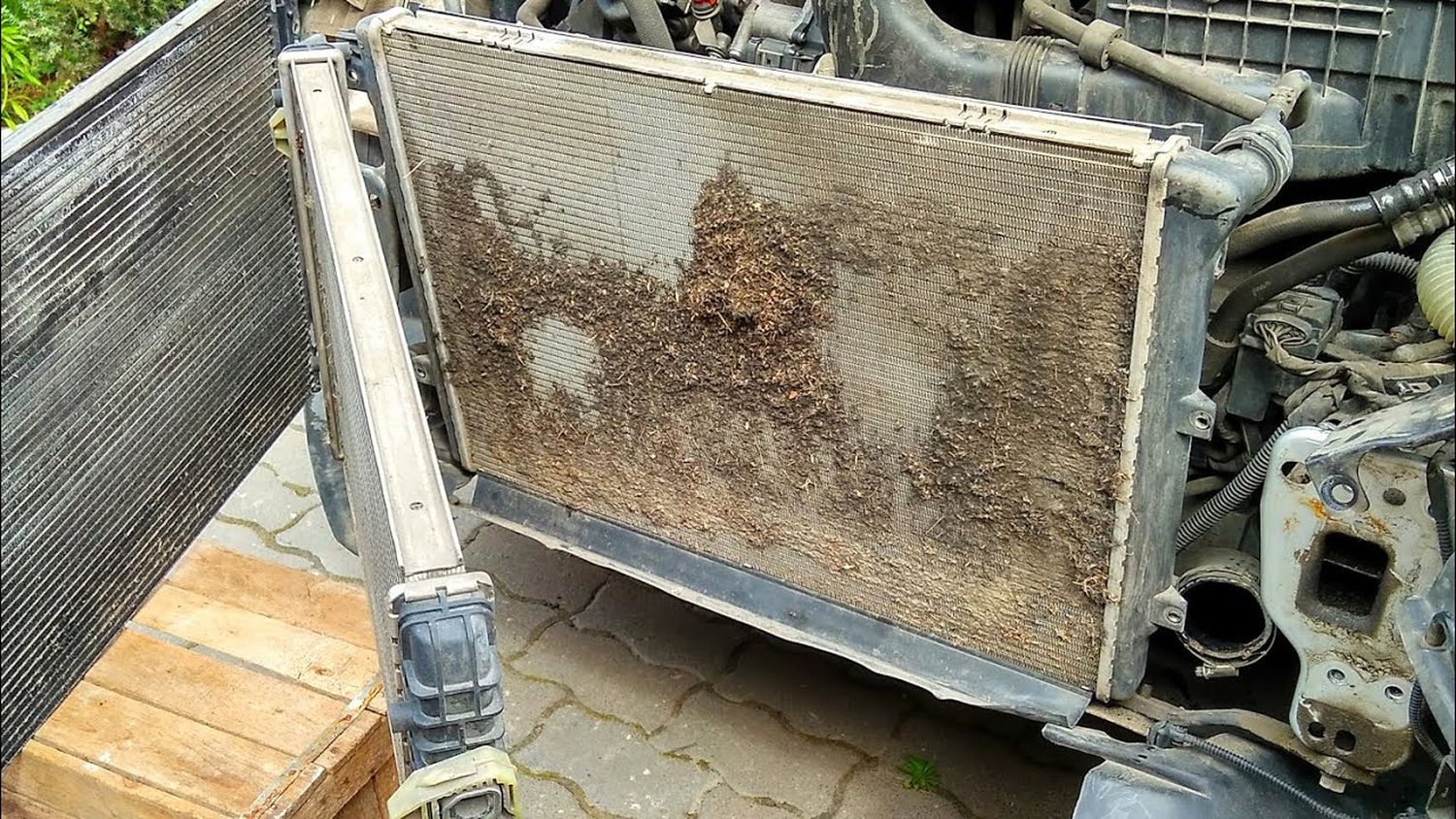
Dust, dirt, insects, and other debris that accumulate on the radiator’s outer surface are among the engine’s most dangerous enemies. This layer of contamination significantly restricts airflow through the radiator fins, reducing its ability to effectively remove heat from the coolant. Over time, as heat transfer deteriorates, engine temperature begins to rise above normal levels. Such overheating is extremely dangerous because it can cause the cylinder head to warp. This, in turn, can compromise the system’s seals and cause coolant leaks, making the problem even worse. In the worst case, prolonged overheating can cause the pistons to seize, effectively bringing the engine to a complete stop and requiring a major rebuild or even replacement. That is why keeping the radiator clean is essential for the stable operation of the cooling system and the entire powertrain.
The Dangers of a Contaminated Intake System and Engine Electrical Components
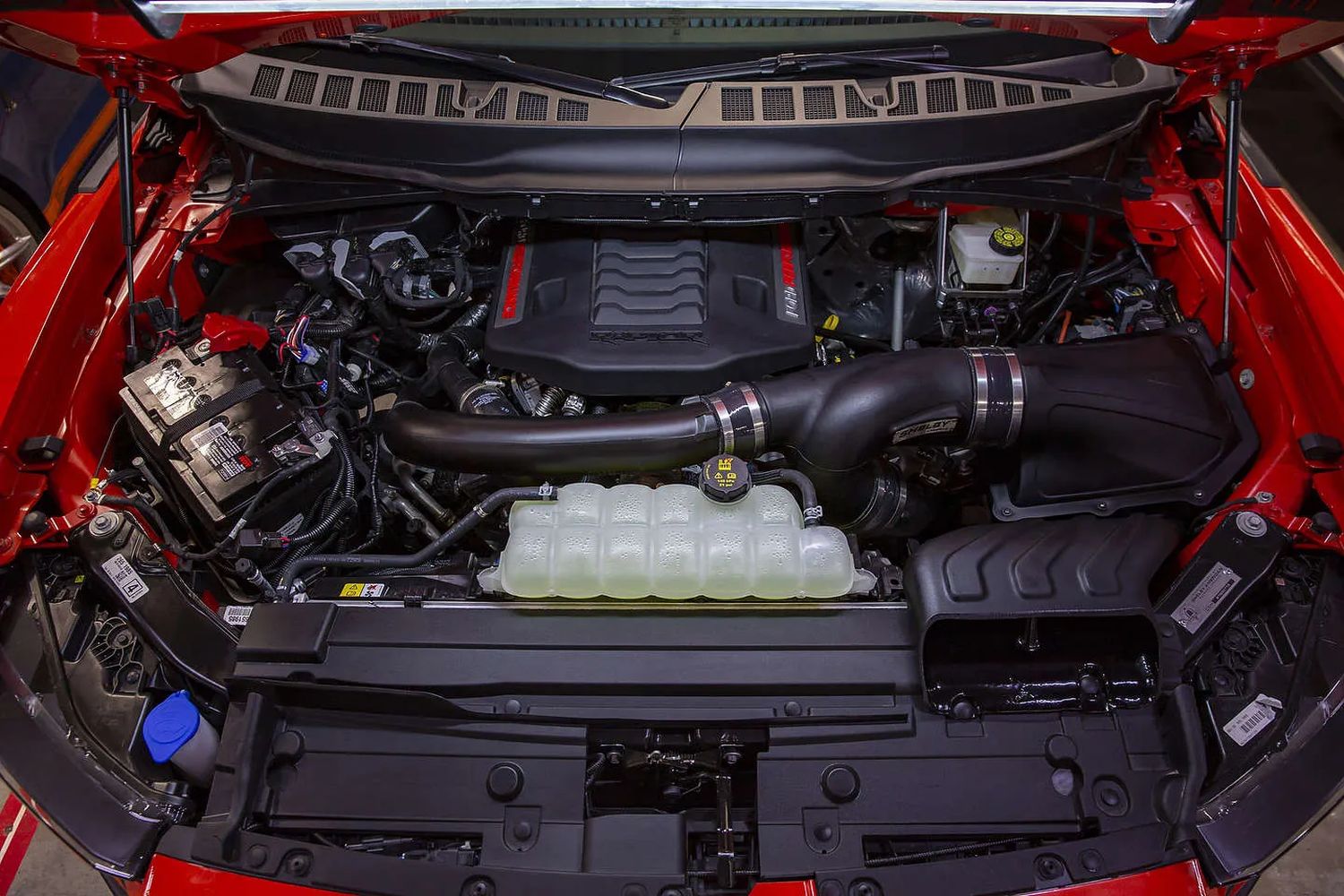
However, the threat from contamination is not limited to the radiator. Road dust and dirt, especially during heavy vehicle use or when the air filter is replaced too late, can enter the combustion chamber through the air intake system. These abrasive particles can damage the cylinder walls, reducing compression and increasing component wear. They can also contaminate the engine oil, turning it into an abrasive mixture that accelerates wear on bearings, piston rings, and other critical engine components.
In addition to internal damage, dirt and moisture accumulating on the engine create ideal conditions for corrosion of metal components. This affects not only external parts but also critical components such as wiring, the alternator, and ignition coils. Corrosion can disrupt electrical connections, cause short circuits, and lead to the failure of these systems, making it impossible to start the engine or causing it to run improperly. Regularly cleaning the engine bay helps prevent these problems while maintaining the functionality and reliability of the vehicle’s electrical and mechanical systems.
Fire Risks and More Difficult Diagnostics: The Dangerous Consequences of Neglect
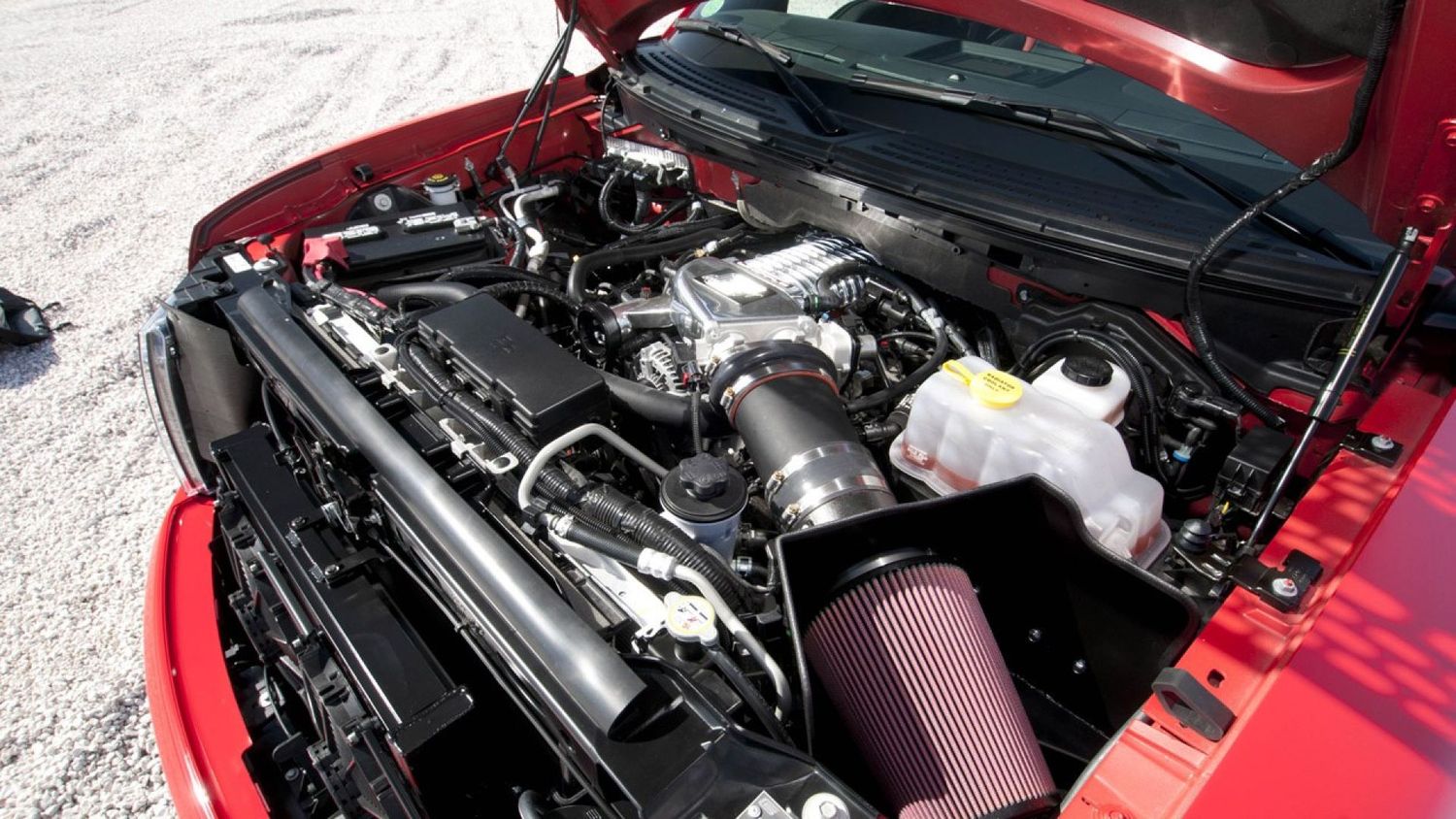
The buildup of dirt, oil leaks, and other flammable substances under the hood creates a direct fire hazard. Spilled oil, fuel, or other automotive fluids mixed with dust and dirt can become ideal fuel for a spark that occurs accidentally or comes into contact with hot engine or exhaust components. This can lead to a fire that destroys the vehicle and endangers passengers and others nearby. Regular inspection and cleaning of the engine bay are critical for minimizing this risk.
A dirty engine also makes it significantly harder to detect oil or coolant leaks. If the engine surface is covered with dirt and dust, even substantial leaks can go unnoticed for a long time. This can lead to critically low fluid levels, which in turn can cause engine overheating, oil starvation, or other serious failures. Detecting such problems early is essential to preventing expensive repairs, while a clean engine bay makes it easier to spot and address potential issues quickly.
Prevention and Financial Consequences: Cleanliness as an Investment
To avoid these problems, it is worth following several simple but effective recommendations. First and foremost, wash your vehicle regularly, paying attention not only to the body but also to the engine bay, especially after driving off-road or in dusty conditions. Professional engine cleaning should be performed carefully and with all safety precautions observed to avoid damaging electrical components.
Installing a metal engine skid plate can provide an additional layer of protection. It helps prevent dust, moisture, dirt, and small rocks from entering the engine bay, which is especially useful when frequently driving on rough roads or off-road.
Neglecting regular maintenance and cleanliness can have extremely unpleasant financial consequences. An engine rebuild is one of the most expensive procedures in vehicle maintenance. Depending on the engine type and complexity of the work, the cost can vary significantly. These expenses can increase many times over when complex failures occur or major components need to be replaced. Therefore, investing in regular washing and preventive maintenance is far less expensive than potential engine repair costs, underscoring the financial benefits of keeping a vehicle clean.
You may also be interested in the news:
Start/Stop Systems Are Everywhere — But Are They Really Saving You Gas or Wearing Out Your Engine?
Does start-stop technology really save fuel, and does it put extra wear on the engine? Here’s what drivers need to know.
3 Signs Your Car Battery Is About to Die — And the Warning Signs Drivers Often Miss
A failing car battery rarely dies without warning, and these three signs can give drivers time to act before getting stranded.
How to Park Close to a Curb Without Scratching Your Bumper: The Two-Mirror Method
How to Park Close to a Curb Without Scratching Your Bumper: The Simple Mirror Trick

Can You Wash Car Floor Mats in a Washing Machine? Experts Have the Answer
Think Twice Before Washing Your Car Floor Mats in the Washing Machine, Experts Warn.
YouTube Has a New Problem: AI Is Creating Fake Mechanics Who Look Completely Real
Artificial intelligence is now being used to create convincing fake auto mechanics on YouTube, raising concerns about misleading advice.