
Windshield Wipers Aren’t Cleaning Properly? Here’s What Could Be Wrong
Why do windshield wipers sometimes fail to do their job?
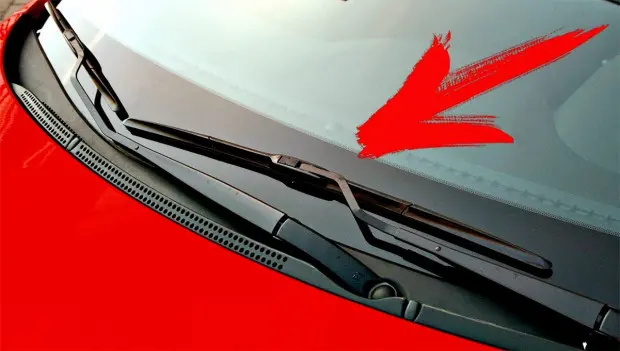
If your windshield wipers leave streaks, a hazy film or standing water behind, driving can quickly become both frustrating and unsafe. And the problem isn’t always the wiper blades themselves. The windshield, washer system, wiper arms or even an improper installation can all be to blame.
1. Inspect the Wiper Blades
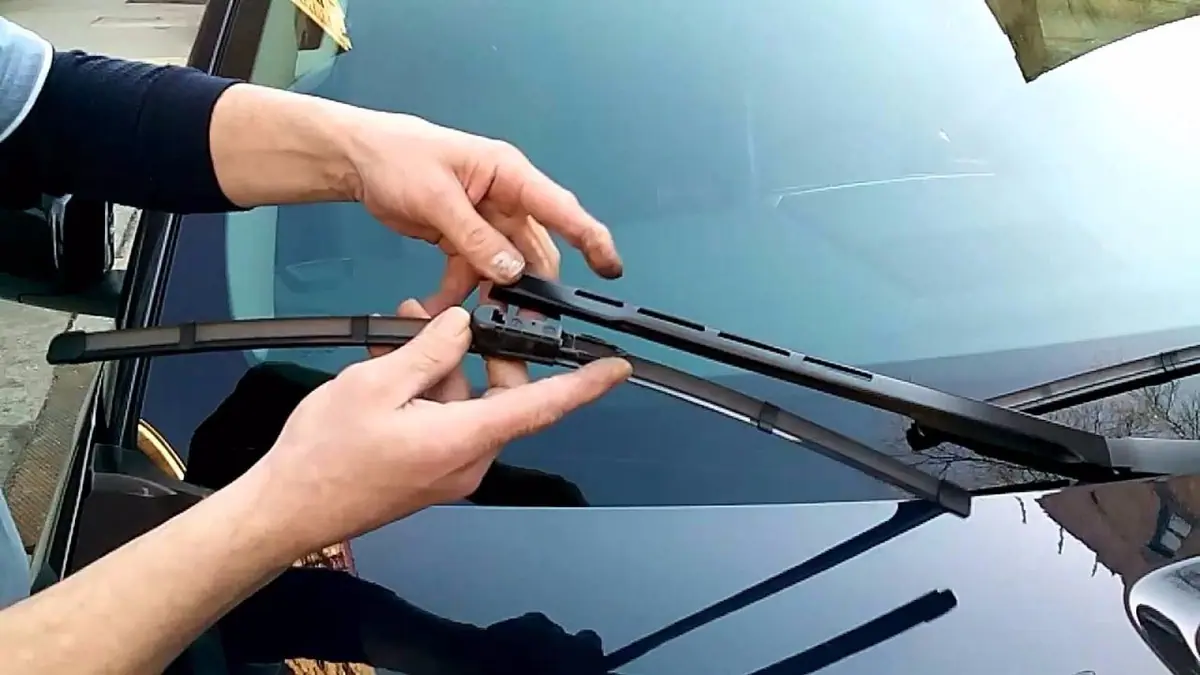
The wiper blades are the best place to start. They operate in some of the dirtiest conditions on a vehicle, constantly dealing with road grit, dust, road salt, rain, snow and small debris. Over time, the rubber loses its flexibility. The wiping edge becomes uneven, and the blade can no longer clear water in a single pass.
Worn-out blades usually make themselves known pretty quickly. They may squeak, chatter across the windshield, leave wide streaks or clean only part of the glass. Sometimes the rubber looks fine at first glance, but running a finger along the edge can reveal a hardened section or small cracks.
Common signs that your wiper blades are worn include:
- The same streaks remain after every pass.
- The rubber has become hard or cracked.
- The blade vibrates or skips across the windshield.
- The rubber edge is curled to one side.
- Parts of the windshield remain dirty after several passes.
If the rubber is simply covered with grime, wipe it down with a damp cloth. You may be surprised by how much black residue comes off. Cleaning the blades can sometimes improve their performance.
But if the rubber is cracked, hardened or damaged, cleaning won’t fix the problem. Replacing the blades is the better option.
2. Clean the Outside of the Windshield
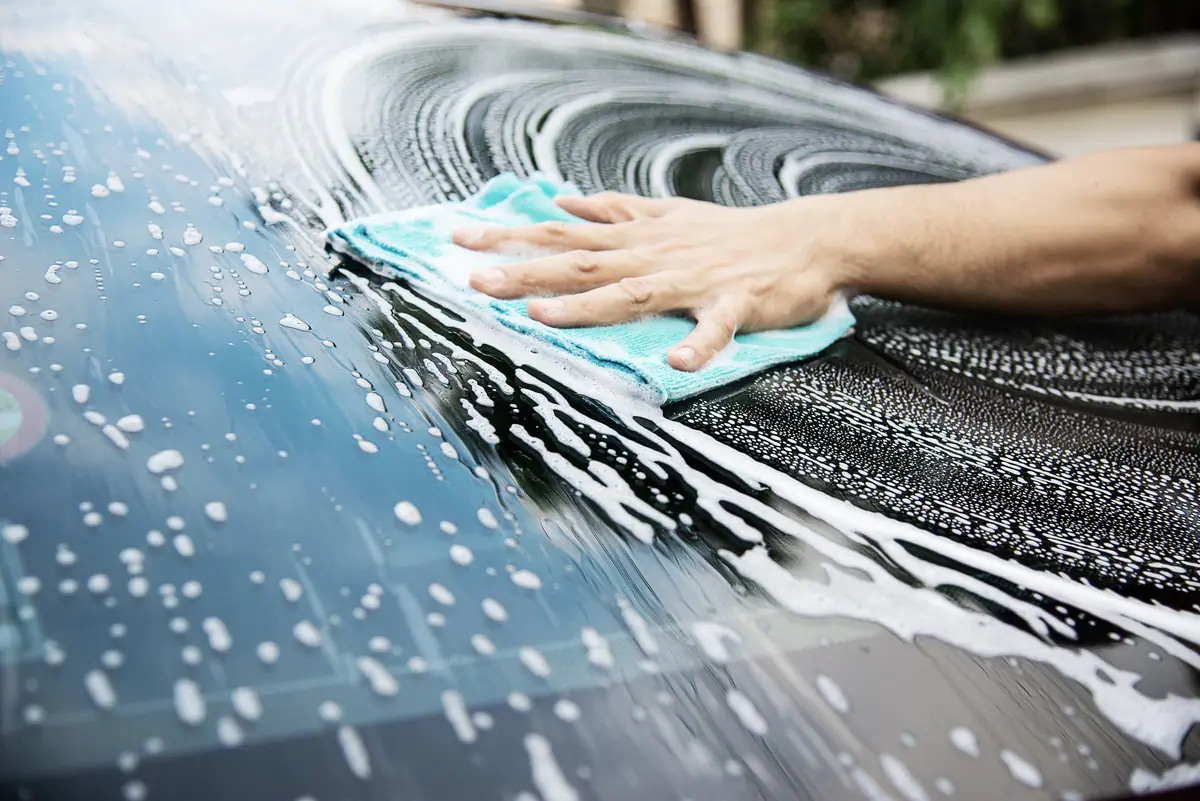
Even brand-new wiper blades can perform poorly if the windshield itself is dirty. Road grime, exhaust residue, road salt, wax from a car wash and low-quality detailing products can leave behind a greasy film. The glass may look clean, but the wipers can end up smearing that residue across the windshield.
Plain water usually isn’t enough to remove this type of buildup. Use a cleaner specifically designed for automotive glass. Pay particular attention to the lower portion of the windshield, where the blades rest when they’re not in use. Dirt, sand and leftover washer fluid tend to collect there.
An older windshield can make the problem even more noticeable. Fine scratches can hold onto dirt and create glare from headlights at night. Avoid aggressive scrubbing, rough sponges and abrasive cleaners, which can make the glass even worse.
3. Check the Windshield Washer Fluid
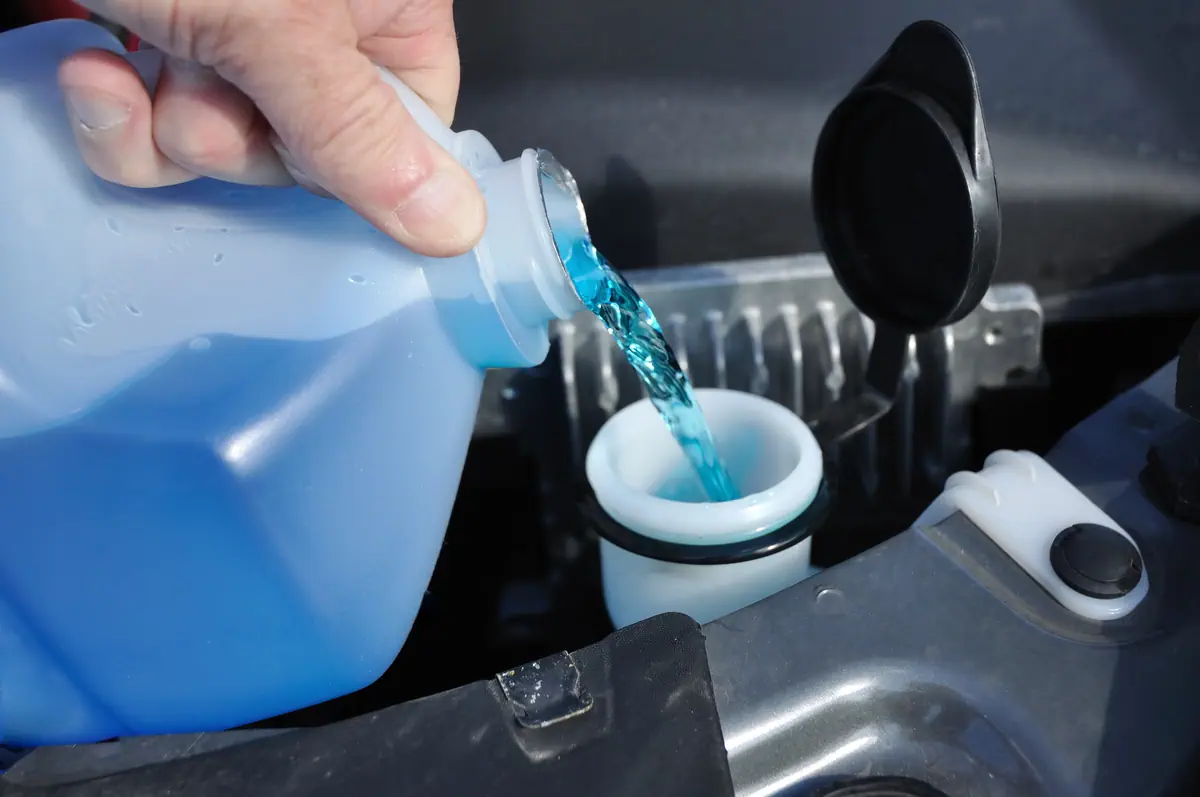
Sometimes the wipers aren’t the real problem. The washer system may be making it harder for them to do their job.
In summer, plain water may not do a good job removing grease, dust and bug residue. In winter, the wrong washer fluid can become too thick, freeze on the windshield or leave a cloudy residue.
Check a few things:
- Is there enough washer fluid in the reservoir?
- Are the nozzles spraying evenly?
- Are the spray nozzles clogged with dirt?
- Is the washer fluid appropriate for the season?
- Does the fluid leave a hazy film on the glass?
If the washer nozzles spray too low or miss the area swept by the wipers, the blades may end up dragging across nearly dry glass. That can cause squeaking, streaking and premature wear.
4. Check the Wiper Arm Pressure
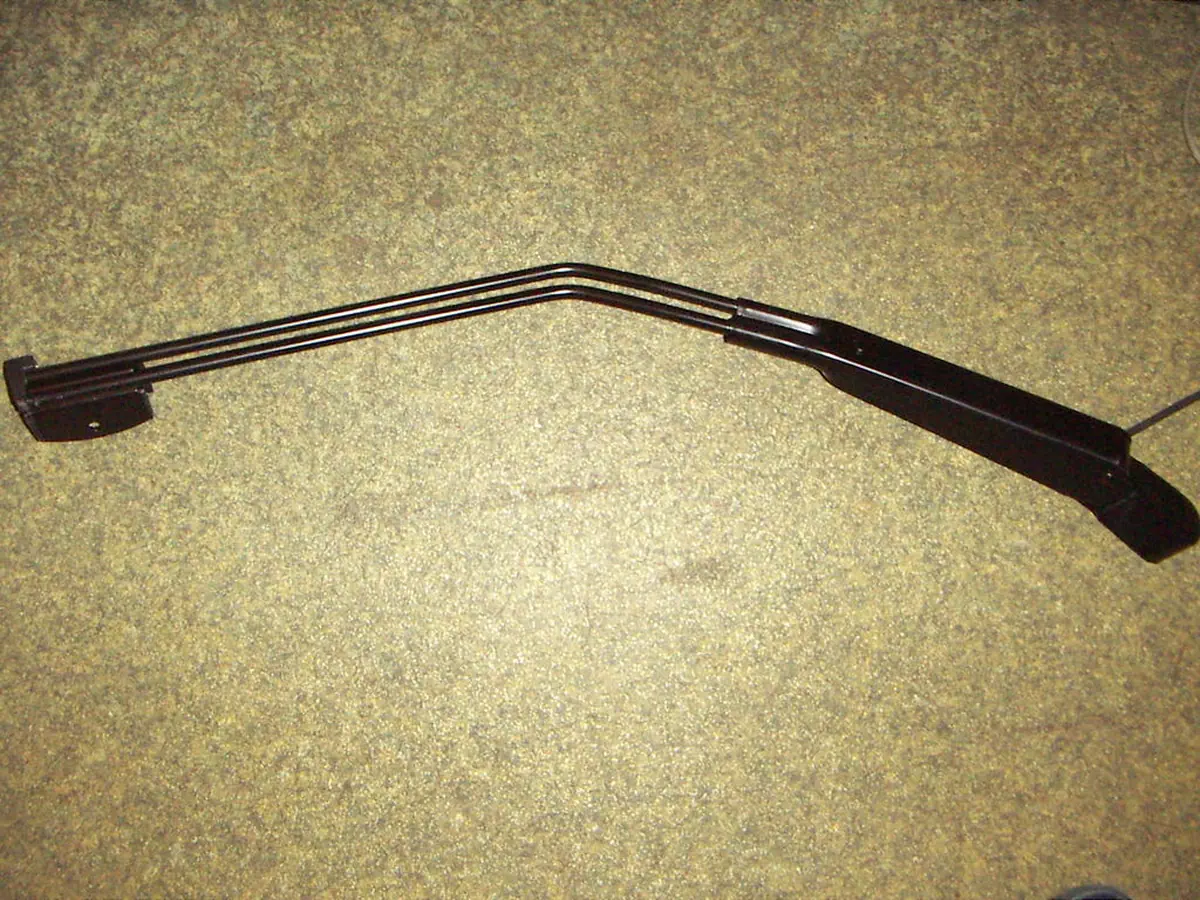
What if the blades are new, the windshield is clean and the washer fluid is fine, but the results are still poor?
The wiper arms may be the problem. Over time, the spring inside a wiper arm can weaken, reducing the pressure that holds the blade against the windshield.
You may not notice the issue at low speeds. Around town, the wipers might appear to work normally. At highway speeds, however, airflow can lift the blade slightly away from the glass, leaving dirty areas behind.
The problem can become especially obvious during heavy rain, when the windshield is no longer being cleared evenly.
5. Make Sure the Blades Are Installed Correctly
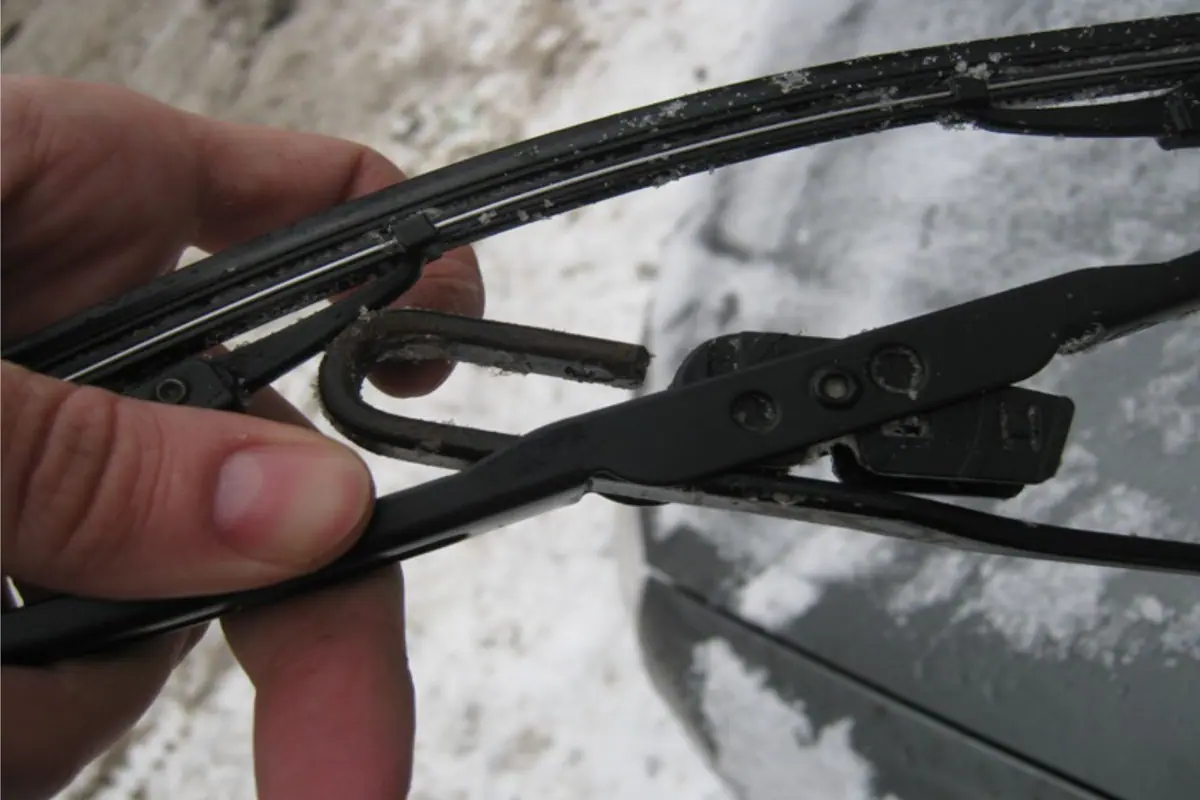
Sometimes the explanation is surprisingly simple: the blade was installed incorrectly.
The connector may appear to snap into place even though the blade is slightly misaligned. When that happens, the rubber doesn’t contact the windshield at the correct angle and can leave streaks behind.
After installing a new blade, make sure it is securely attached to the wiper arm. It shouldn’t wobble, have excessive play or shift as the arm moves.
If the blade uses a universal mounting system, make sure the correct adapter is installed. The wrong adapter can affect how firmly the blade sits against the glass and prevent it from working properly.
Blade length matters, too. A blade that is too short won’t clean enough of the windshield. One that is too long can hit the other blade, contact the windshield trim or extend beyond the intended sweep area.
The safest approach is to use the blade size specified for your vehicle.
6. Don’t Run the Wipers on a Dry Windshield
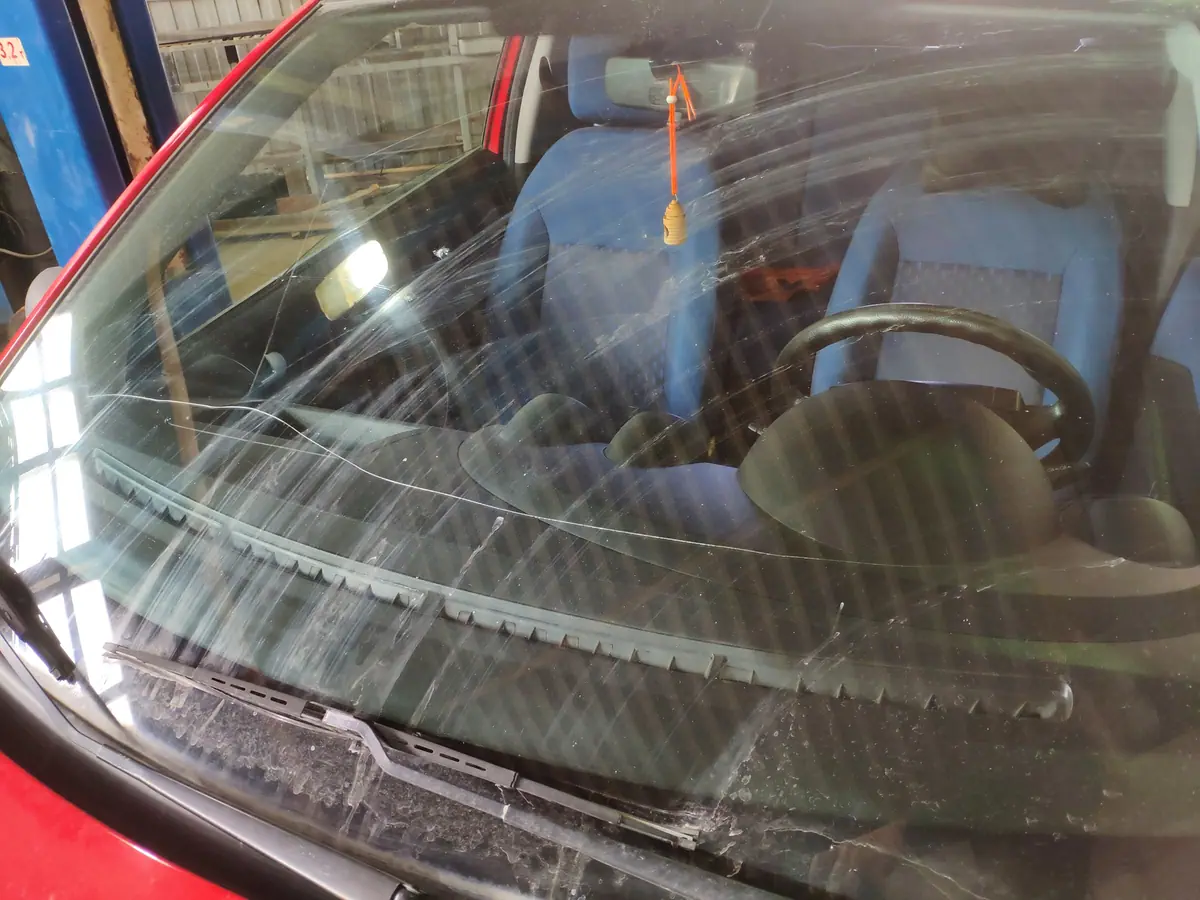
Many drivers unintentionally shorten the life of their wiper blades by running them across dry glass.
There is almost always some dust or fine grit on the windshield. When the rubber drags that debris across the glass, the blade wears faster and can leave tiny scratches behind.
Winter can be even harder on the system. If the blades are frozen to the windshield, don’t simply switch on the wipers. Doing so can damage the rubber, bend the wiper arms or put unnecessary strain on the wiper mechanism.
Instead, warm up the windshield, carefully remove the ice and then use the wipers.
The same principle applies in summer. Don’t run the blades over a dusty, dry windshield just to clear off the dirt. Spray washer fluid first. The blades will move more smoothly, and the glass can be cleaned without unnecessary wear.
7. Know When It’s Time to Replace the Blades
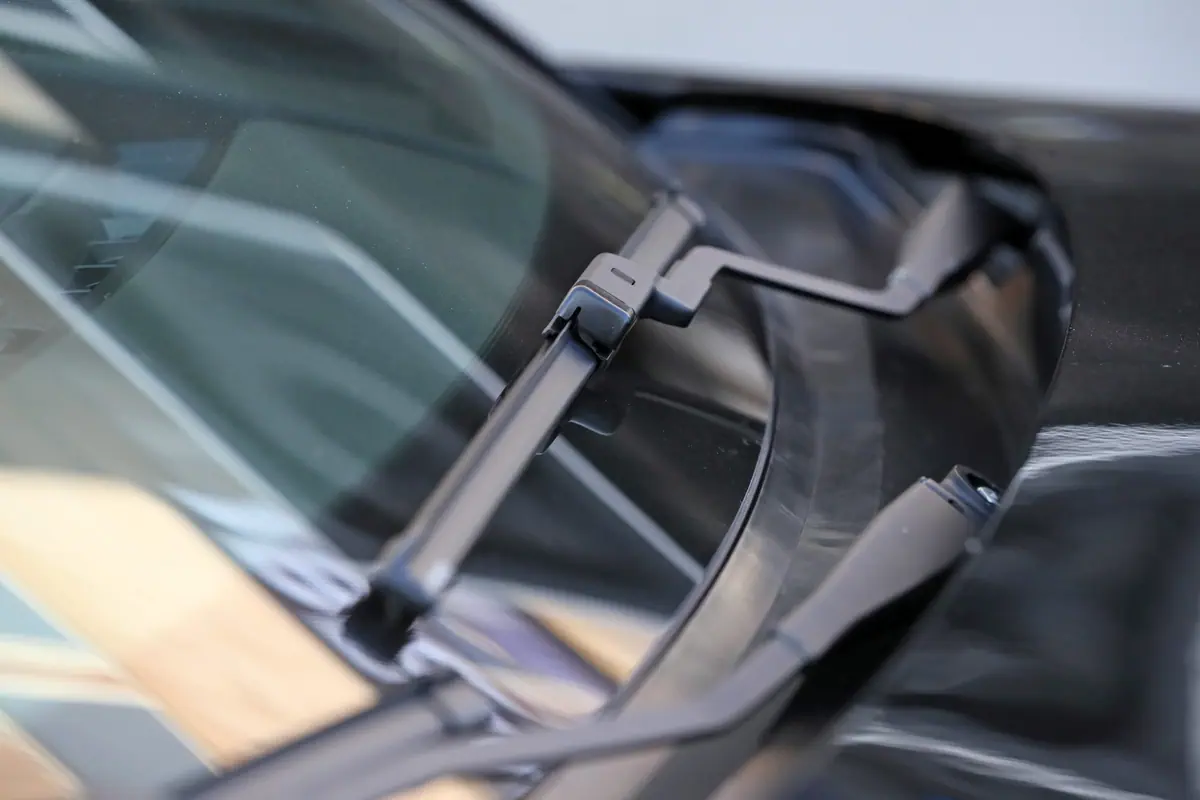
Even good-quality wiper blades don’t last forever. Sunlight, freezing temperatures, road chemicals, dirt and normal wear eventually take their toll.
Drivers can also get used to gradually worsening visibility and put off replacing the blades even after they have stopped cleaning the windshield properly.
It’s time to replace the blades if:
- Wide streaks remain after wiping.
- The blades squeak even on a wet windshield.
- The rubber is torn or separating.
- Only certain sections of the windshield are being cleaned.
- Cleaning the blades doesn’t improve their performance.
Don’t wait until visibility becomes seriously compromised. During rain, snow and dirty road conditions, properly functioning windshield wipers are an important part of safe driving. Good blades help you spot pedestrians, nearby vehicles, lane markings and road hazards sooner.
You may also be interested in the news:

Steering Wheel Vibrating at Highway Speed? What to Check First
A vibrating steering wheel is often most noticeable at highway speeds, but the cause isn’t always immediately obvious.

Best Sedans for Interior Space: The Roomiest Cars of 2026
These six sedans offer generous legroom and shoulder room, giving families a comfortable alternative to larger SUVs for long trips.

Best Cars for Teen Drivers: Affordable and Safe Picks
These affordable used and new vehicles combine strong safety ratings, reliability, and reasonable prices for young drivers and their families.

12 Used Cars Retirees Should Know About—These Models Put Safety, Comfort and Reliability First
Great for Retirees: These Used Cars Stand Out for Safety, Reliability and Comfort
A Dirty Car Could Be Quietly Damaging Your Engine — And the Repairs Can Cost Thousands
A dirty car can threaten the engine, causing overheating, corrosion, fires, and costly mechanical failures.