
Steering Wheel Vibrating at Highway Speed? What to Check First
A vibrating steering wheel is often most noticeable at highway speeds, but the cause isn’t always immediately obvious.

Your Steering Wheel Starts Shaking at 60 MPH? Don’t Ignore These Warning Signs.
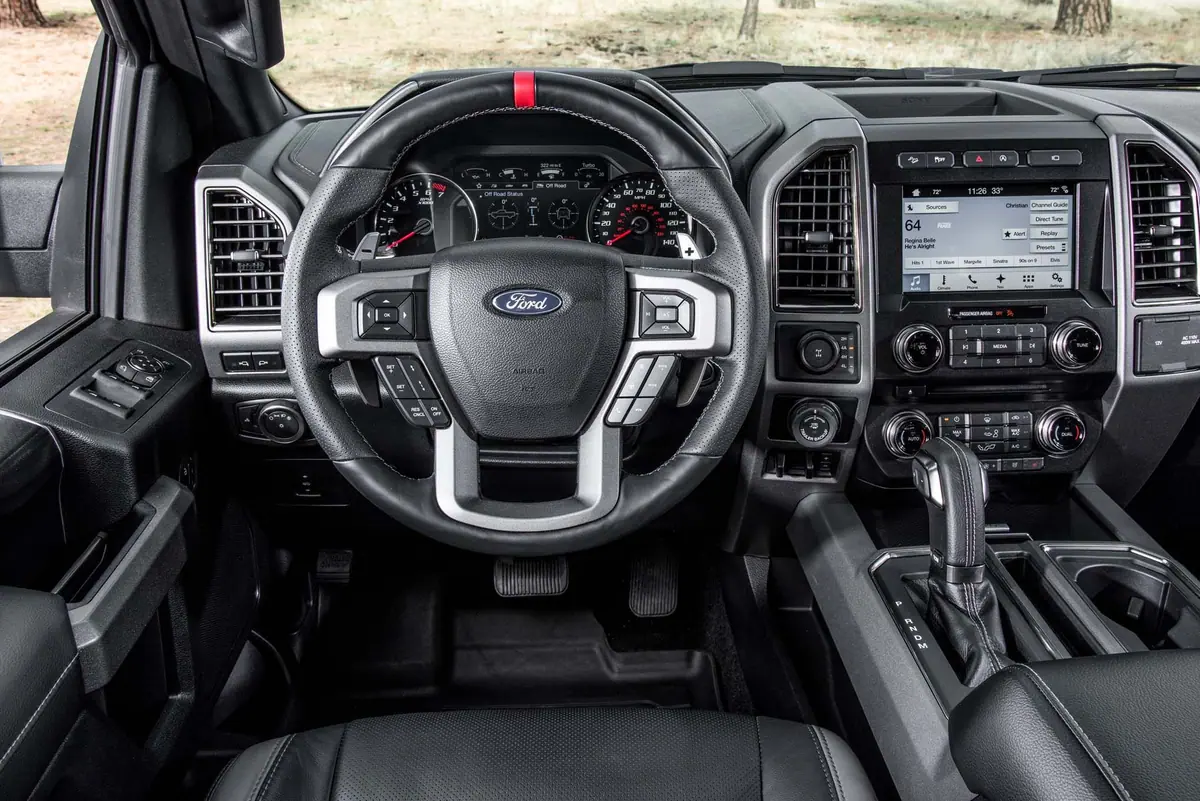
A steering wheel that starts shaking at highway speeds is often a sign that one or more wheels is out of balance. When a wheel and tire are properly balanced, their weight is distributed evenly around the entire assembly. If that balance is disturbed, the wheel no longer rotates smoothly, and the driver may feel a noticeable vibration through the steering wheel or even the entire vehicle.

Why Does the Steering Wheel Vibrate at Certain Speeds?
Wheel imbalance is particularly common at speeds of roughly 50 to 75 mph. As the wheel spins faster, even a relatively small imbalance can produce a stronger vibration.
If the problem is with one of the front wheels, the vibration is often felt most clearly through the steering wheel. An imbalance involving a rear wheel may instead be more noticeable through the seat or floor.
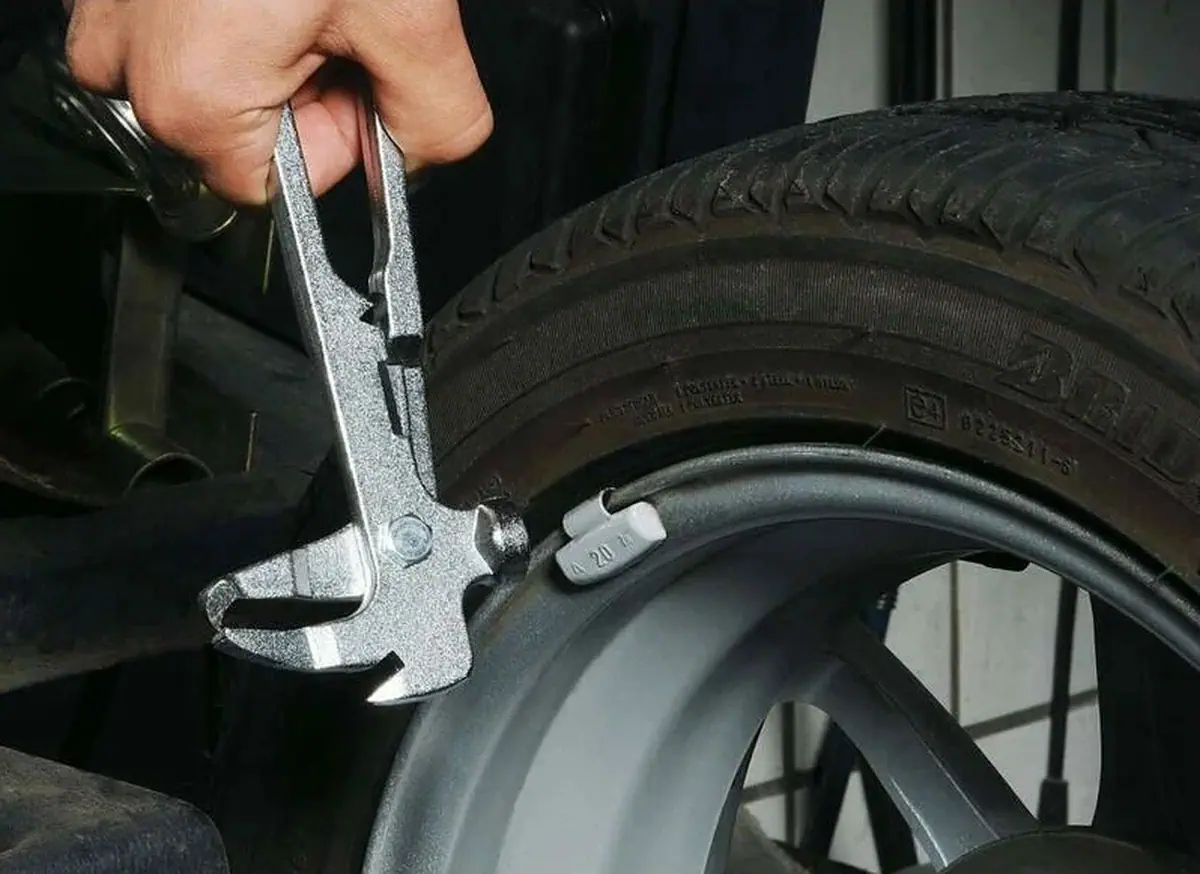
The problem doesn't necessarily start when a new tire is installed. A wheel can become unbalanced after hitting a pothole, losing a wheel weight, developing uneven tread wear or suffering damage to the wheel itself.
That's one reason it's a good idea to have the wheel balanced whenever a new tire is mounted.
Don't Ignore a Persistent Vibration
A vibration that continues at highway speeds shouldn't simply be written off as an annoyance.
An out-of-balance wheel creates additional stress on components such as shocks and struts, suspension parts, steering components and wheel bearings. In addition to making the ride uncomfortable, continued vibration can contribute to accelerated tire wear and premature wear of other parts.
If the steering wheel suddenly starts shaking after hitting a pothole or road debris, it's worth having the wheels and tires inspected rather than assuming the problem will go away on its own.
How Often Should Wheels Be Balanced?
There isn't one universal interval that applies to every vehicle. Wheel balancing needs depend on driving conditions, road quality, tire wear and the condition of the wheels.
As a general guideline, some drivers may have the balance checked every 3,000 to 6,000 miles or every year or two. However, there's no need to wait for a scheduled interval if new symptoms appear.
An inspection makes sense if you notice:
- Uneven or unusual tire wear
- A new vibration at a specific speed
- A steering wheel that shakes at highway speeds
- A vibration that becomes stronger as speed increases
- A wheel that has recently taken a hard hit from a pothole
What If Balancing Doesn't Fix the Problem?
Wheel imbalance is one of the first things worth checking, but it isn't the only possible cause of vibration.
If the vibration remains after the wheels have been balanced, the tires should be inspected for damage or irregular wear. The wheels themselves should also be checked for bends or other damage.
A technician may also need to inspect the wheel bearings, steering system and suspension components.
In other words, balancing is a logical first step when a steering wheel starts vibrating at highway speeds, but it isn't a universal explanation for every vibration.
The important thing is to identify the source rather than continuing to drive with a persistent problem. A relatively simple tire or wheel issue may be responsible, but vibration can also be an early warning that another component needs attention.
You may also be interested in the news:
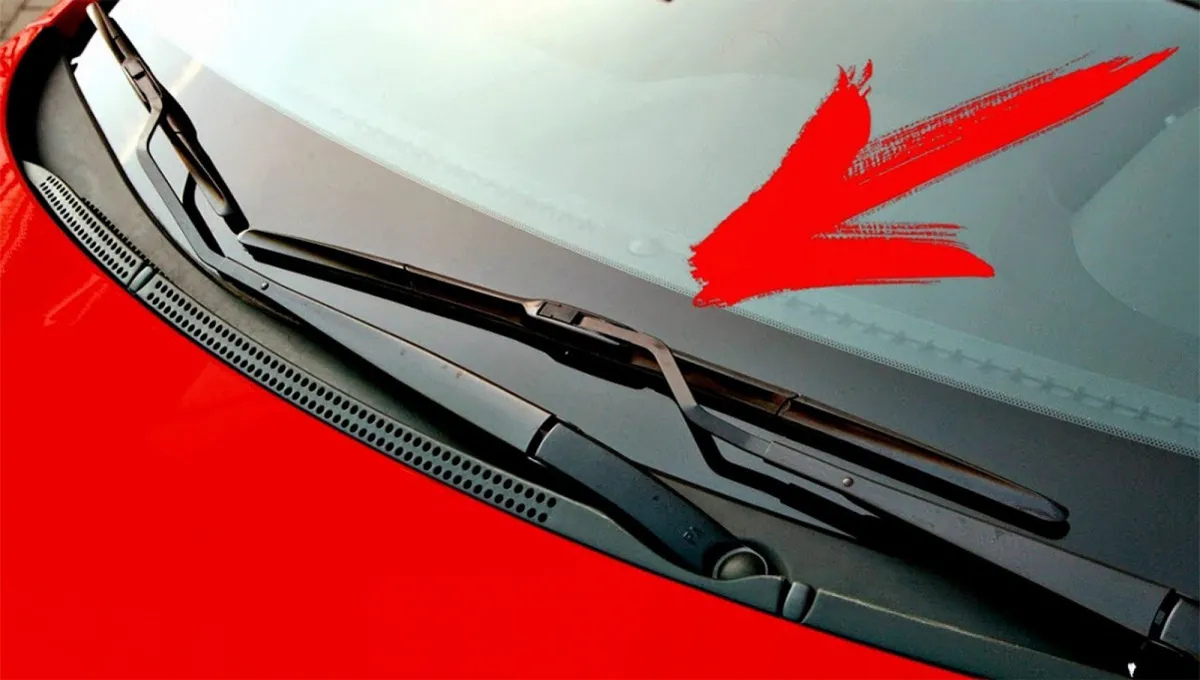
Windshield Wipers Aren’t Cleaning Properly? Here’s What Could Be Wrong
Why do windshield wipers sometimes fail to do their job?

Best Sedans for Interior Space: The Roomiest Cars of 2026
These six sedans offer generous legroom and shoulder room, giving families a comfortable alternative to larger SUVs for long trips.

Best Cars for Teen Drivers: Affordable and Safe Picks
These affordable used and new vehicles combine strong safety ratings, reliability, and reasonable prices for young drivers and their families.

12 Used Cars Retirees Should Know About—These Models Put Safety, Comfort and Reliability First
Great for Retirees: These Used Cars Stand Out for Safety, Reliability and Comfort
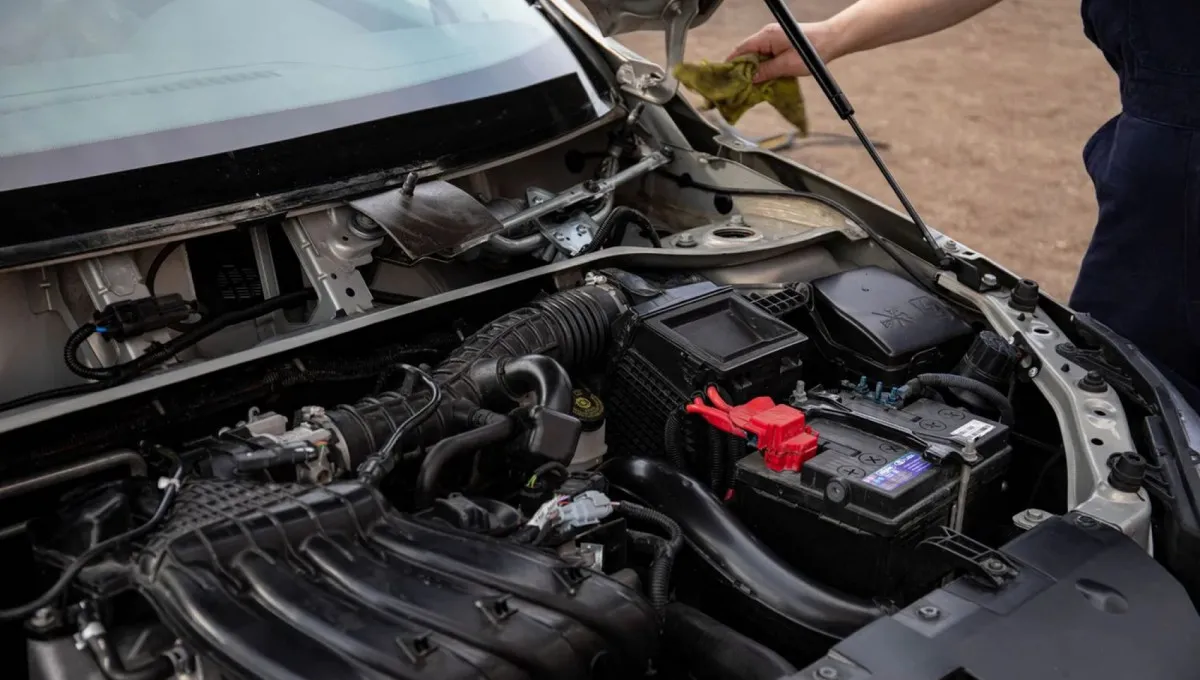
A Dirty Car Could Be Quietly Damaging Your Engine — And the Repairs Can Cost Thousands
A dirty car can threaten the engine, causing overheating, corrosion, fires, and costly mechanical failures.