
Your Car Won’t Shift Out of Park? Don’t Panic—This Safety Feature May Be the Reason
If your automatic shifter suddenly refuses to move, there’s a good chance your car is protecting you from an accidental gear change.
Drivers of vehicles with automatic transmissions sometimes run into a confusing situation: the engine is running, the brake pedal is pressed, but the gear selector won't move.
The first thought is often that something expensive has gone wrong with the transmission. In many cases, however, the transmission isn't the problem at all. The culprit is a standard safety feature called shift lock.
Shift lock is designed to prevent the transmission from being moved out of Park unless certain conditions are met. Far from being a problem, the system is an important safety feature that can help prevent a vehicle from moving unexpectedly.
What Is Shift Lock and Why Does It Exist?
Shift lock is a mechanical or electronic system that prevents an automatic transmission from being shifted out of Park until specific conditions are met.
In most modern vehicles, the system is connected to the brake pedal, ignition system and vehicle control electronics. When the transmission is in Park, pressing the brake pedal typically releases the shifter.
If the brake pedal isn't pressed, the selector stays locked.
That prevents an accidental shift into Drive or Reverse, such as when a child or pet is inside the vehicle and manages to bump the shifter.
For some drivers, the system can be surprising. The engine is running, but the selector won't budge. That's exactly what it's supposed to do.
Shift lock became common on passenger vehicles decades ago and remains one of the simplest ways to prevent unintended vehicle movement.
How Does Shift Lock Work?
In a traditional setup, a small solenoid is located near the gear selector. When you press the brake pedal, the vehicle sends power to the solenoid, which releases the locking mechanism.
If the brake isn't pressed, the lock remains engaged and the shifter cannot be moved.
Depending on the vehicle, the system may also require the ignition to be switched on. Modern electronic controls can monitor several conditions to prevent unsafe shifting.
If the vehicle's battery is dead, the shift-lock solenoid may not receive enough power to release. That's why automakers typically provide a manual override.
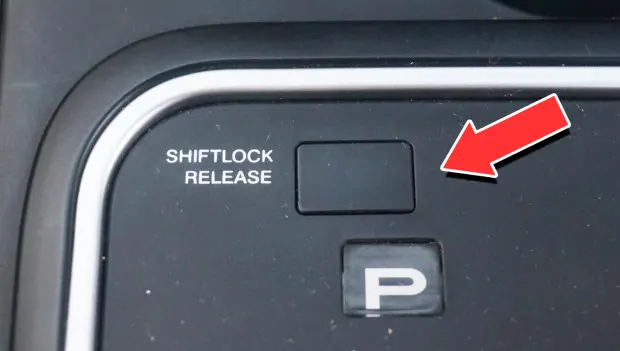
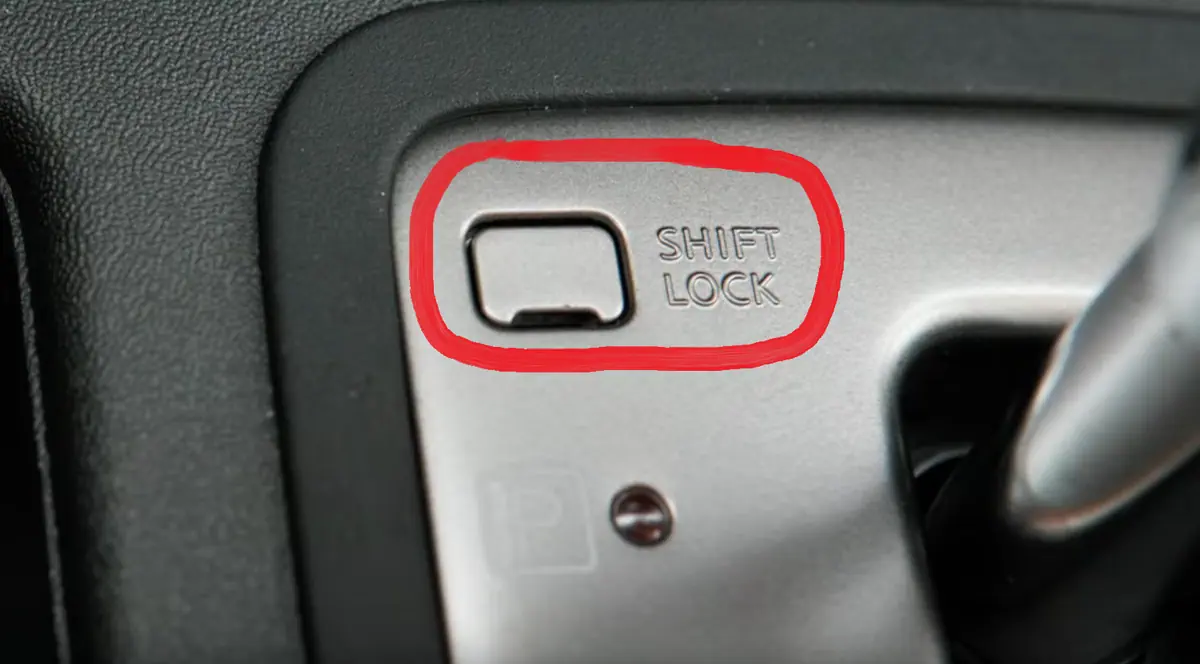
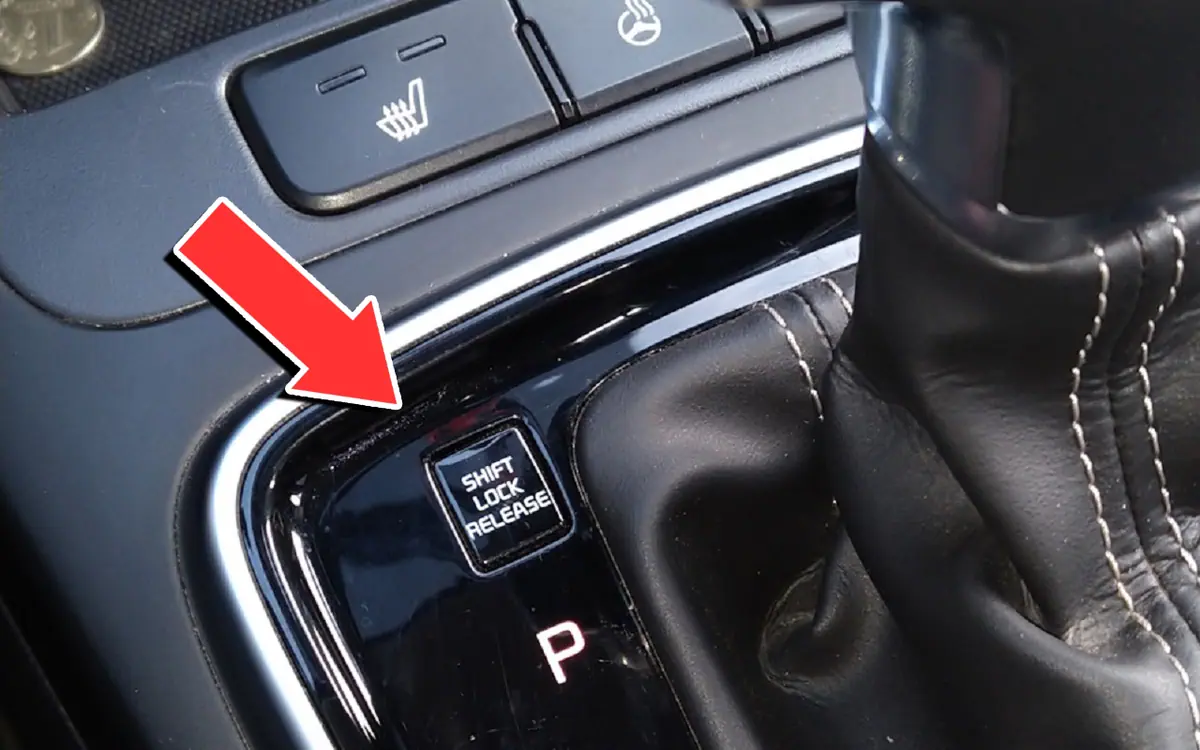
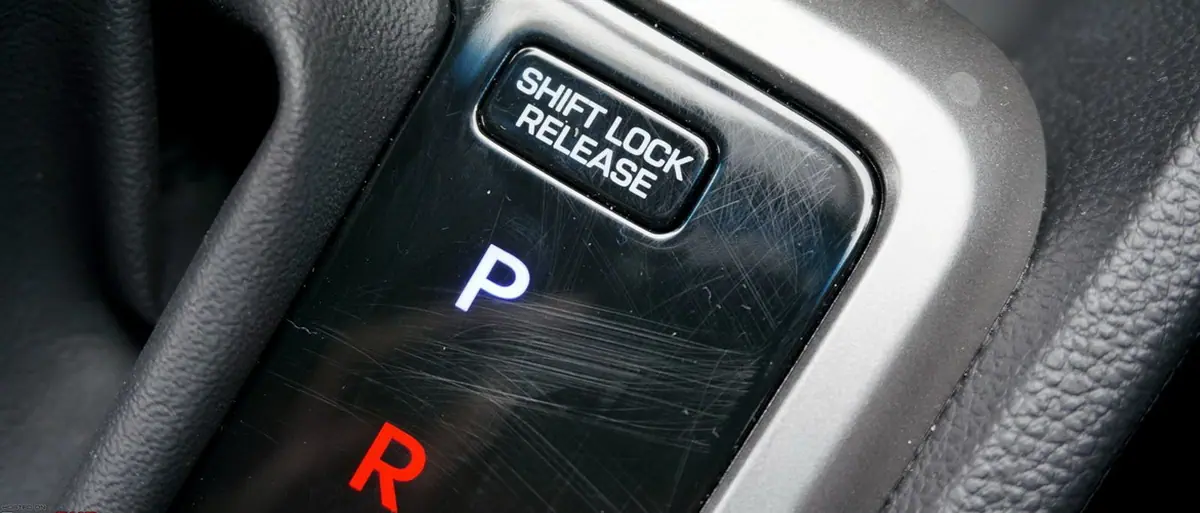
Look near the gear selector for a small button or covered opening labeled Shift Lock Release. Using this emergency release can allow the selector to be moved into Neutral so the vehicle can be pushed or towed.
It's important to remember that the override is intended for emergencies. It bypasses a safety feature and shouldn't be used as a normal way to operate the transmission.
When Is Shift Lock Especially Useful?
Imagine leaving your vehicle running on a slope while a child is sitting in the cabin. Without a shift-lock system, the child could potentially move the selector into Drive or Reverse, causing the vehicle to move.
Shift lock helps prevent that scenario.
The system also requires the driver to press the brake before selecting a gear, reducing the chance of an unexpected lurch when pulling away from a parking spot.
Shift lock provides another layer of protection when starting the vehicle, although drivers should never rely on it instead of the parking brake.
When parked on an incline, always use the parking brake and follow the procedure recommended in the owner's manual.
How to Unlock a Stuck Shifter
If your automatic shifter won't move, start with the basics.
Make sure the ignition is switched on or the engine is running, depending on the vehicle. Then firmly press the brake pedal. In most vehicles, that's the signal that releases the shift lock.
If the shifter still won't move, check the instrument panel for warning lights.
A blown fuse, faulty brake-light switch, weak battery or problem with the shift-lock solenoid can prevent the system from releasing.
If the battery is completely dead, locate the Shift Lock Release access point near the selector. It may be hidden beneath a small removable cover.
With the parking brake applied, follow the procedure in the owner's manual to use the release and move the selector into Neutral. That can allow the vehicle to be moved or loaded onto a tow truck.
The exact procedure varies by vehicle, so don't force the shifter or insert tools into openings that aren't specifically identified as the shift-lock release.
Electronic shifters can work differently as well. Some use software-controlled locks, while others have a mechanical emergency release located beneath a trim panel.
If you're unsure how your particular system works, the owner's manual is the best place to start.
When Shift Lock Indicates a Real Problem
If the shifter repeatedly refuses to move even when the brake pedal is pressed, that's different.
A malfunctioning brake-pedal switch, shift-lock solenoid, fuse, wiring or control module could be responsible.
The problem may also be related to a weak or failing battery.
A shifter that remains locked once or twice because of a dead battery is one thing. A selector that repeatedly gets stuck during normal operation deserves attention from a qualified technician.
The good news is that a shift-lock problem doesn't automatically mean the automatic transmission itself is failing. The issue can be located in a relatively simple component outside the transmission.
The Good News for Drivers
The next time your automatic shifter refuses to move, don't immediately assume your transmission has failed.
In many cases, the vehicle is simply doing exactly what it was designed to do.
Press the brake pedal, make sure the ignition is on, and check the owner's manual if the selector remains locked.
And if you ever need the emergency release, knowing where the Shift Lock Release is located can save you a lot of frustration.
It's a small feature, but it plays an important role in keeping an automatic vehicle from moving when the driver isn't ready.
Once you understand how it works, a locked shifter can be less of a mystery—and a lot less stressful.
You may also be interested in the news:
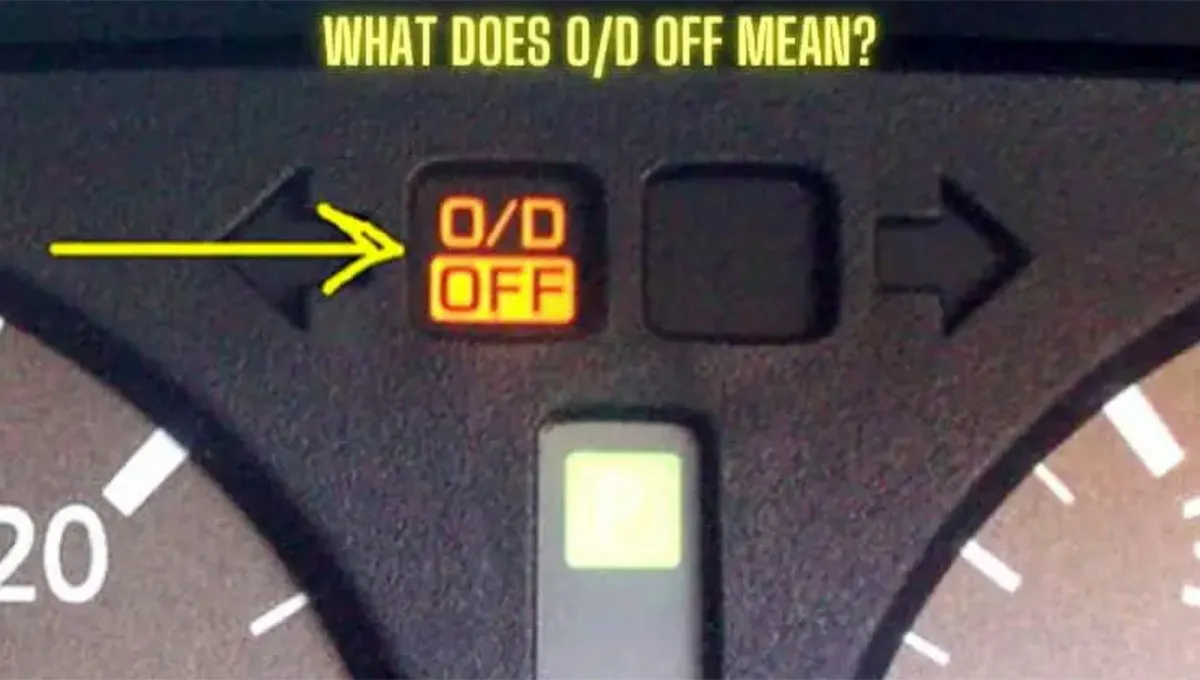
That O/D OFF Button in Your Car Has a Purpose—Here’s When You Actually Need to Press It
That mysterious O/D OFF button isn't a warning of transmission trouble—it can actually make driving easier in specific situations.

Your Steering Wheel Starts Shaking at 60 MPH? Don’t Ignore These Warning Signs
A vibrating steering wheel is often most noticeable at highway speeds, but the cause isn’t always immediately obvious.
Windshield Wipers Aren’t Cleaning Properly? Here’s What Could Be Wrong
Why do windshield wipers sometimes fail to do their job?
Best Sedans for Interior Space: The Roomiest Cars of 2026
These six sedans offer generous legroom and shoulder room, giving families a comfortable alternative to larger SUVs for long trips.

Best Cars for Teen Drivers: Affordable and Safe Picks
These affordable used and new vehicles combine strong safety ratings, reliability, and reasonable prices for young drivers and their families.