
These 7 Dashboard Warning Lights Could Leave You Stranded—Here’s What They Really Mean
These dashboard warning lights can signal serious problems, from low oil pressure to overheating or brake trouble.
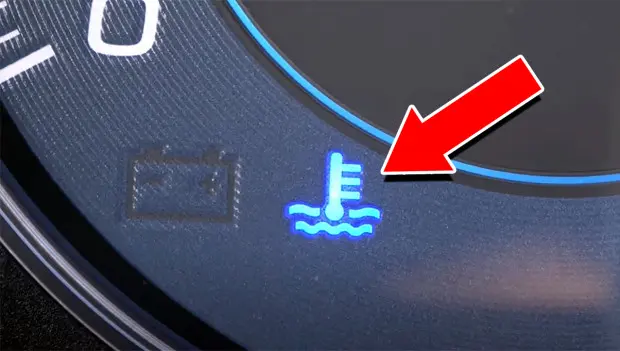
You’re driving along without a care when a yellow or red light suddenly appears on the dashboard. Your heart sinks, and the first question is usually simple: How serious is it?
Not every warning light means you need to pull over immediately, but some can signal problems that shouldn’t be ignored. Here’s what several common dashboard symbols can mean and what to do when they appear.
Airbag Warning Light
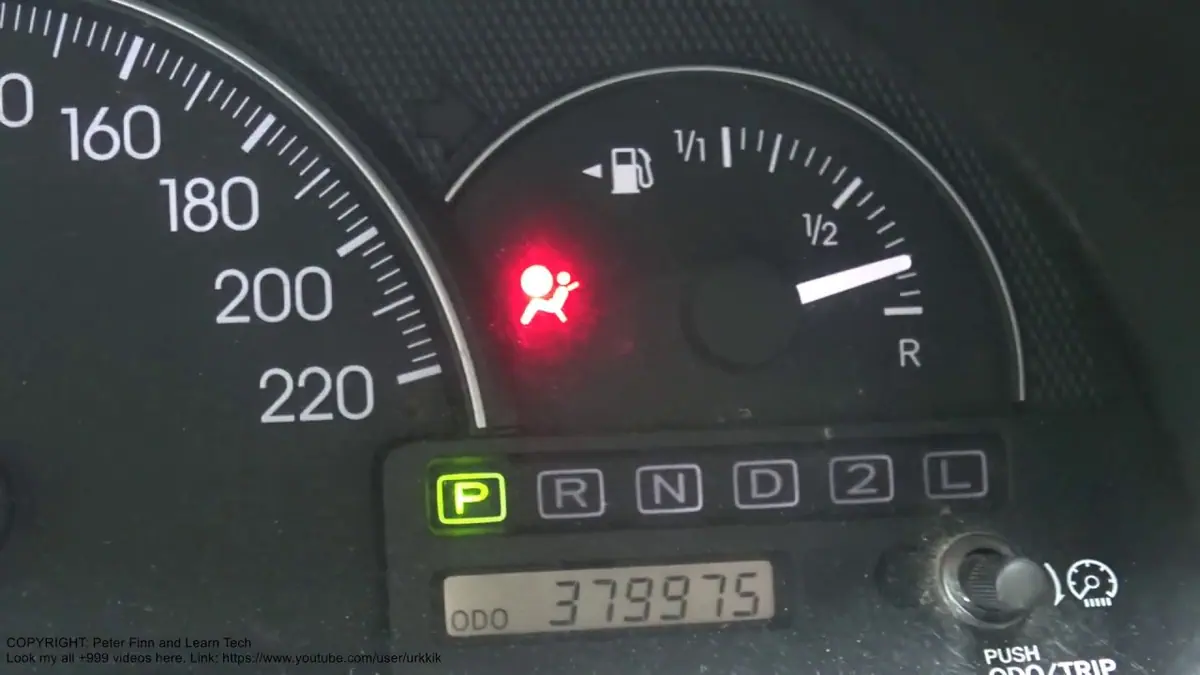
The symbol looks like a person sitting with a circle in front of their face.
If it stays illuminated, the airbag system may be disabled or a sensor could be malfunctioning. In a crash, the airbag may not deploy as intended.
Have the vehicle diagnosed rather than putting it off.
Wrench or Service Light
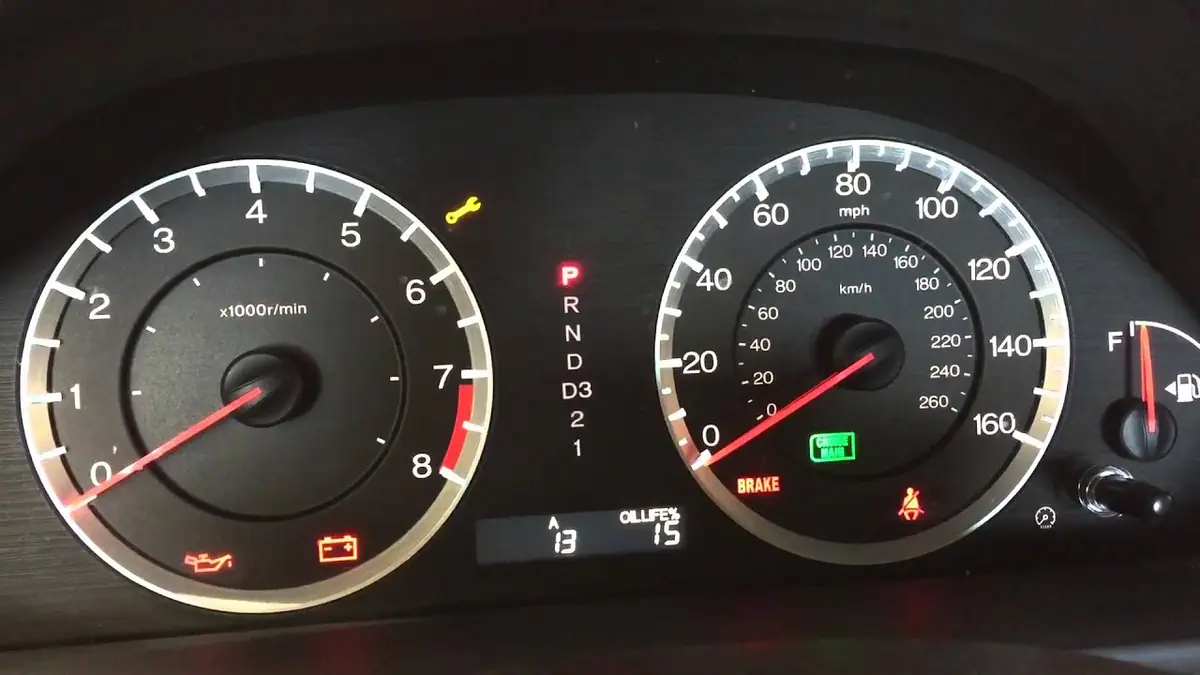
A wrench symbol generally indicates that the vehicle is due for maintenance.
Some vehicles are set up to display the reminder after roughly 6,200 to 9,300 miles. If you recently had the oil changed and the vehicle's maintenance reminder wasn't reset, you may be able to clear it through the onboard menu.
If the required maintenance hasn't been performed, schedule service.
Brake Warning Light
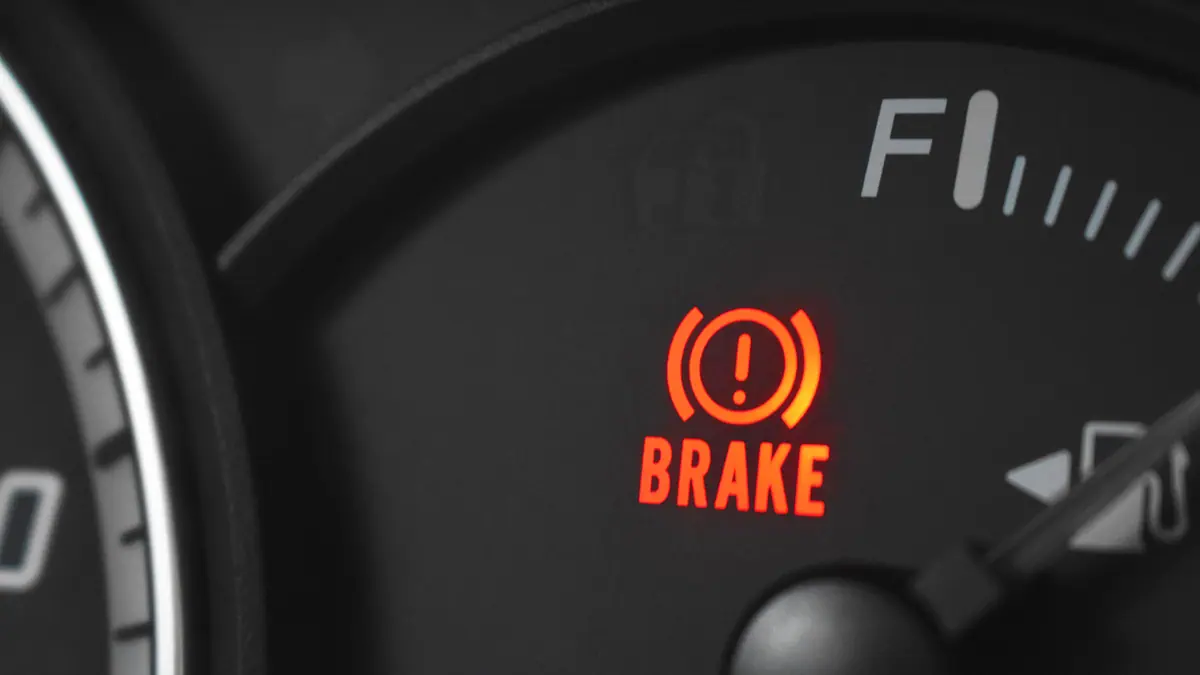
A warning symbol containing an exclamation point inside a circle, or sometimes the letter "P," can indicate that the parking brake is engaged.
If you've released the parking brake but the light remains on, the brake may not be fully released, the parking-brake switch could be faulty, or the brake-fluid level could be low.
Check the brake-fluid reservoir. If the level is low, have the braking system inspected.
Red Warning Light With an Exclamation Point
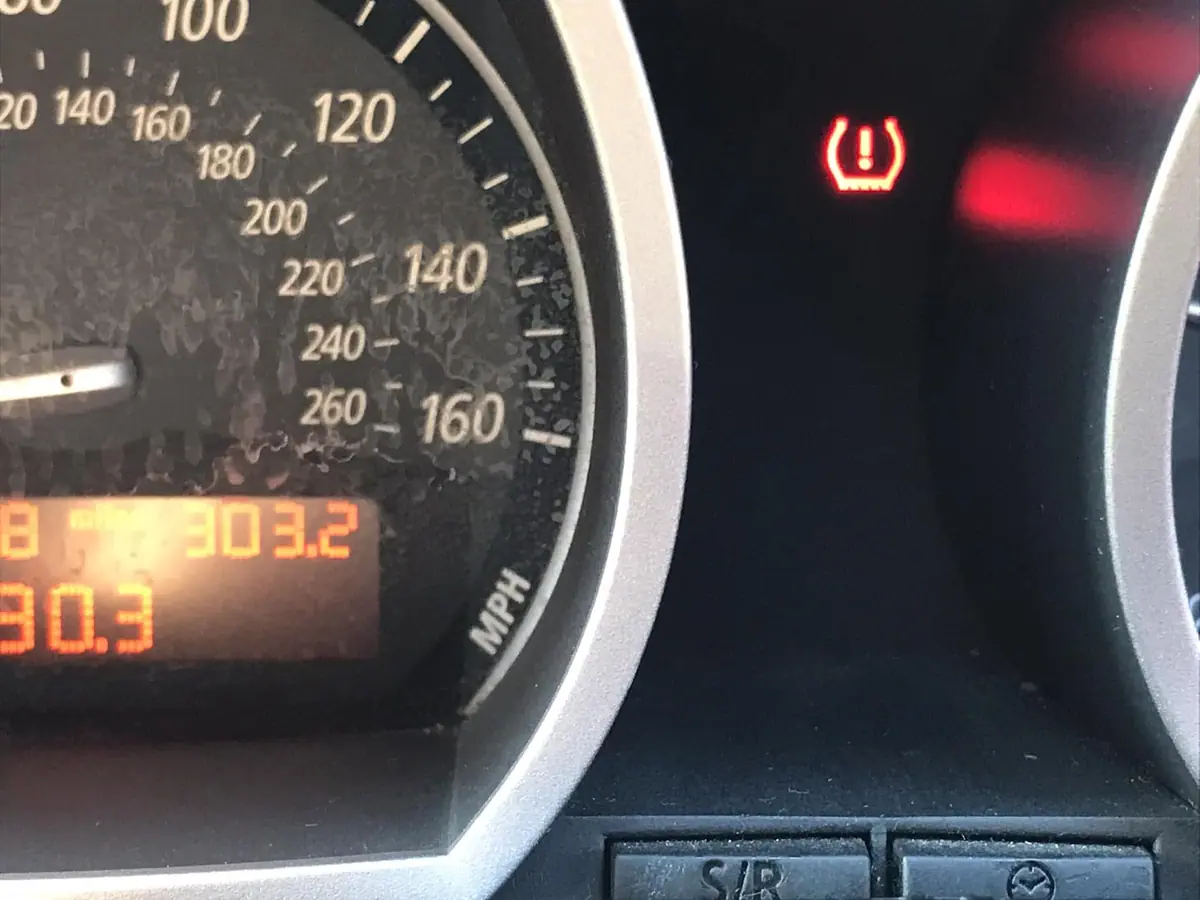
The exact meaning of this warning varies by manufacturer. In some vehicles, a similar symbol can indicate an engine or electrical problem.
If the vehicle is running normally and isn't stalling or producing smoke, you may be able to drive it to a repair shop. If it starts jerking or running badly, stop driving and arrange for a tow.
Oil Pressure Warning Light
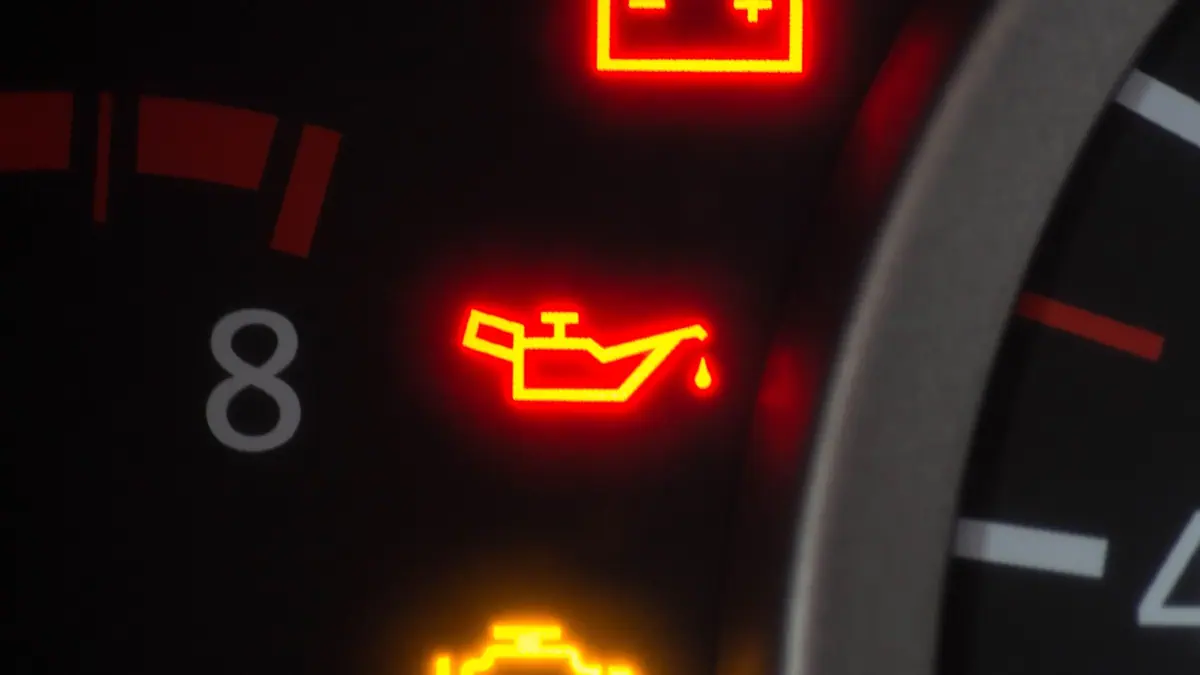
An oil-can symbol can appear in red or yellow, depending on the vehicle.
A red oil warning light can indicate low oil pressure. If it comes on while you're driving, shut the engine off immediately. Continuing to drive with insufficient oil pressure can cause severe engine damage.
A yellow oil warning light can indicate a low oil level. Check the oil and add the appropriate amount if necessary, then arrange an oil change or inspection.
Battery Warning Light
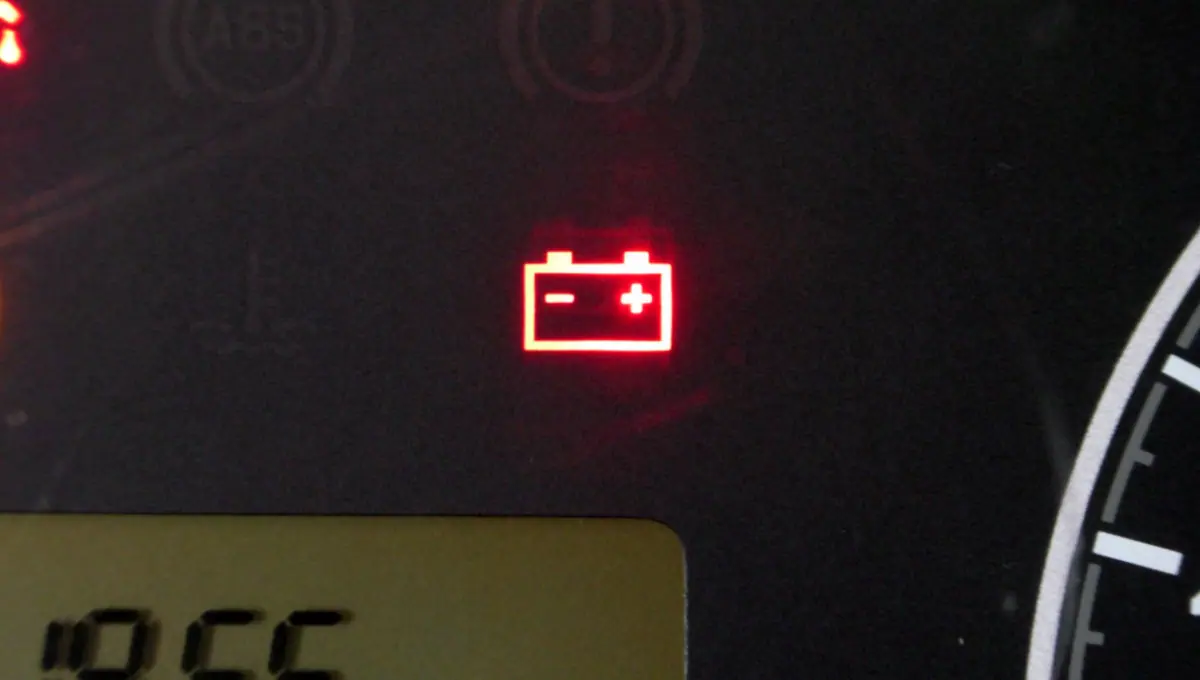
A battery symbol with positive and negative signs usually indicates a problem with the vehicle's charging system.
The alternator may have failed, or the drive belt could have come off. If the engine is still running, you may be able to reach the nearest repair shop before the battery is completely depleted.
Turn off unnecessary electrical accessories, including the audio system, air conditioning and lights when conditions allow. Once the engine shuts off, you'll generally need a tow.
Engine Temperature Warning Light
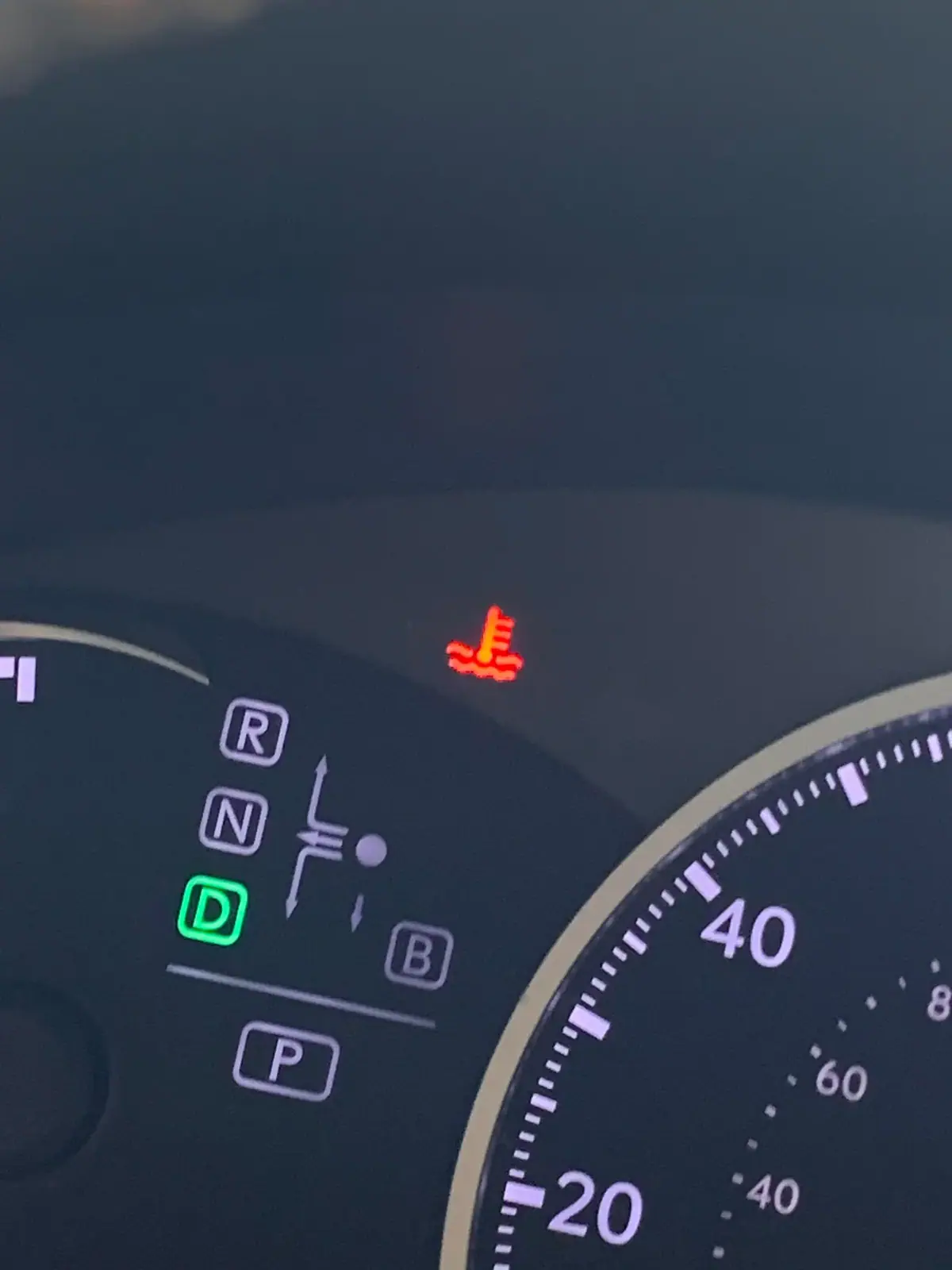
A thermometer or temperature symbol can indicate that the engine is overheating.
Stop as soon as it's safe, shut off the engine and open the hood. Don't immediately remove the radiator cap. The cooling system can be extremely hot and pressurized, creating a burn hazard.
Allow the engine to cool for about 20 minutes before checking the system. If the coolant level is low, add coolant as appropriate and have the vehicle inspected.
Blue Snowflake or Cold-Temperature Light
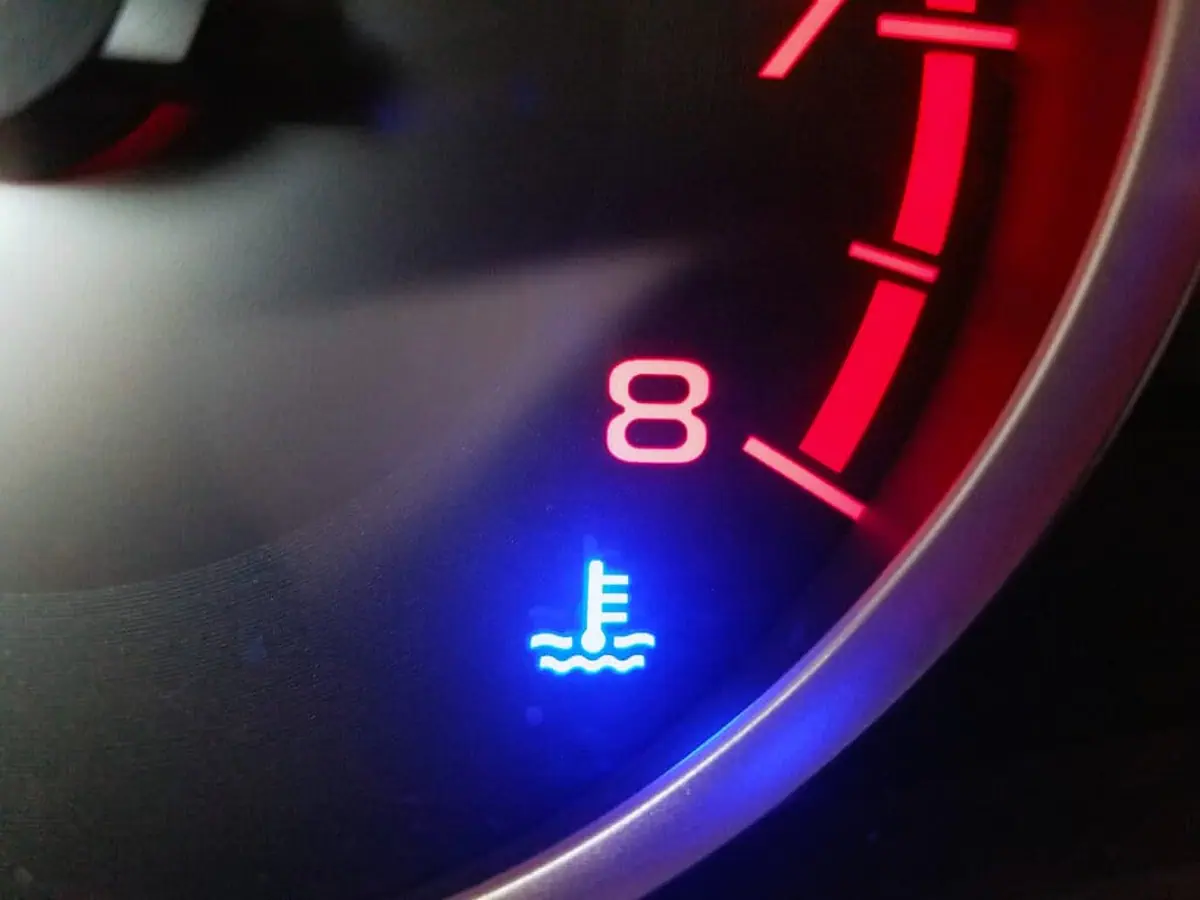
A blue snowflake or blue/green temperature indicator usually isn't a reason to panic. It can simply mean the engine is still cold.
Drive gently and avoid heavy acceleration until the indicator goes out and the engine reaches its normal operating temperature.
What Dashboard Warning Light Colors Mean
As a basic rule of thumb, red warning lights deserve immediate attention. Stop and determine what's wrong when it's safe to do so.
Yellow or amber lights generally indicate a problem or maintenance issue that needs attention, even if the vehicle can still be driven.
Blue or green indicators are typically informational and show that a system or operating condition is active.
The exact meaning of a warning light can vary between vehicles, so the owner's manual remains the best reference for a specific dashboard symbol.
You may also be interested in the news:
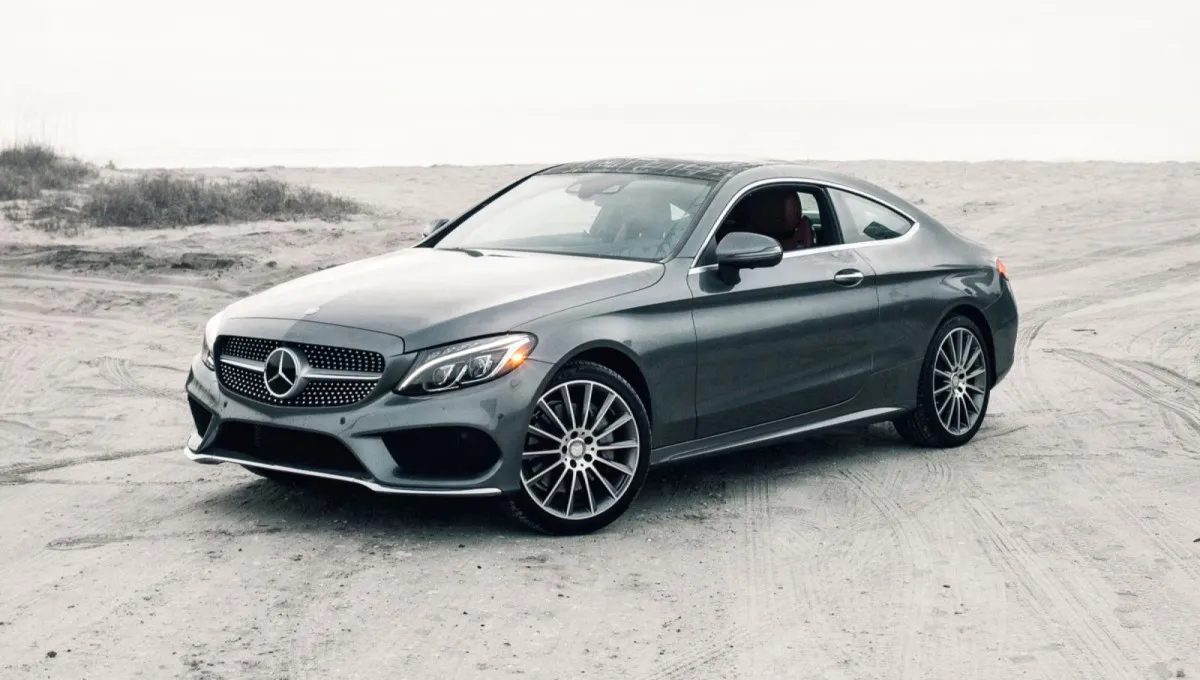
Five Used Mercedes-Benz Models That Deserve Extra Scrutiny Before You Buy
These five used Mercedes-Benz models have reported issues that could turn an attractive bargain into an expensive ownership headache.

These 10 Used Family Cars Could Save You From Buying the Wrong SUV or Minivan
Shopping for a used family vehicle? These 10 SUVs and minivans offer the practicality American families need every day.
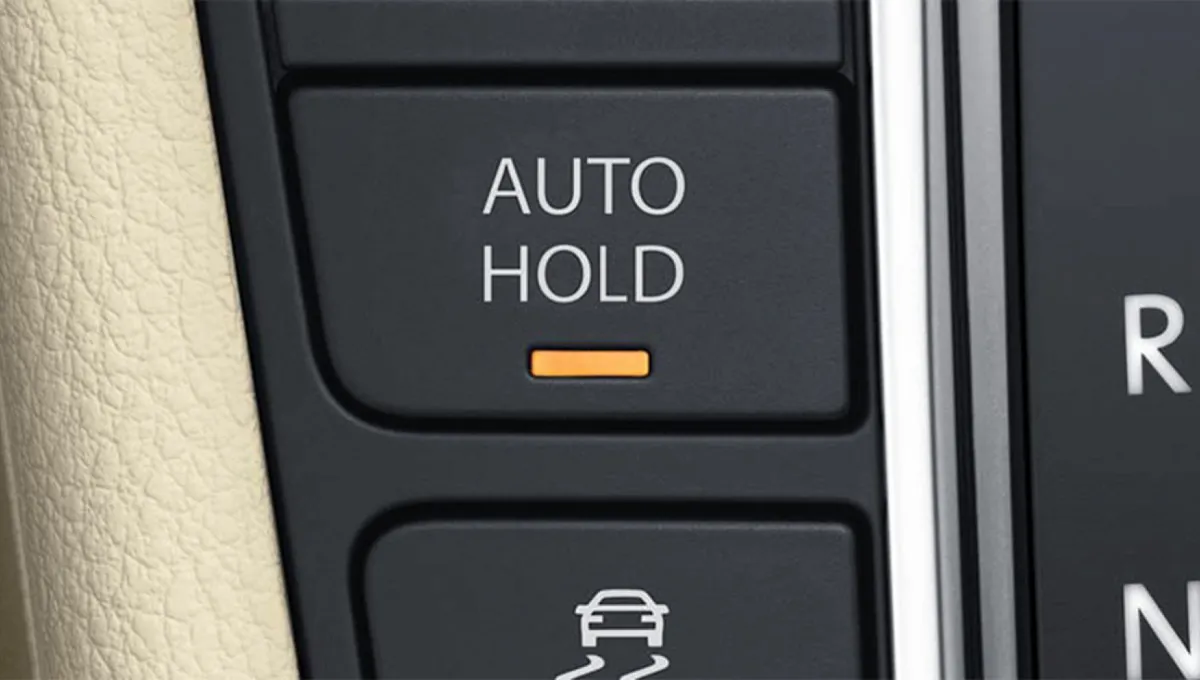
That Little Auto Hold Button Could Make Your Daily Commute a Lot Less Annoying
That little Auto Hold button can take the strain out of stop-and-go traffic, steep hills, and everyday city driving.
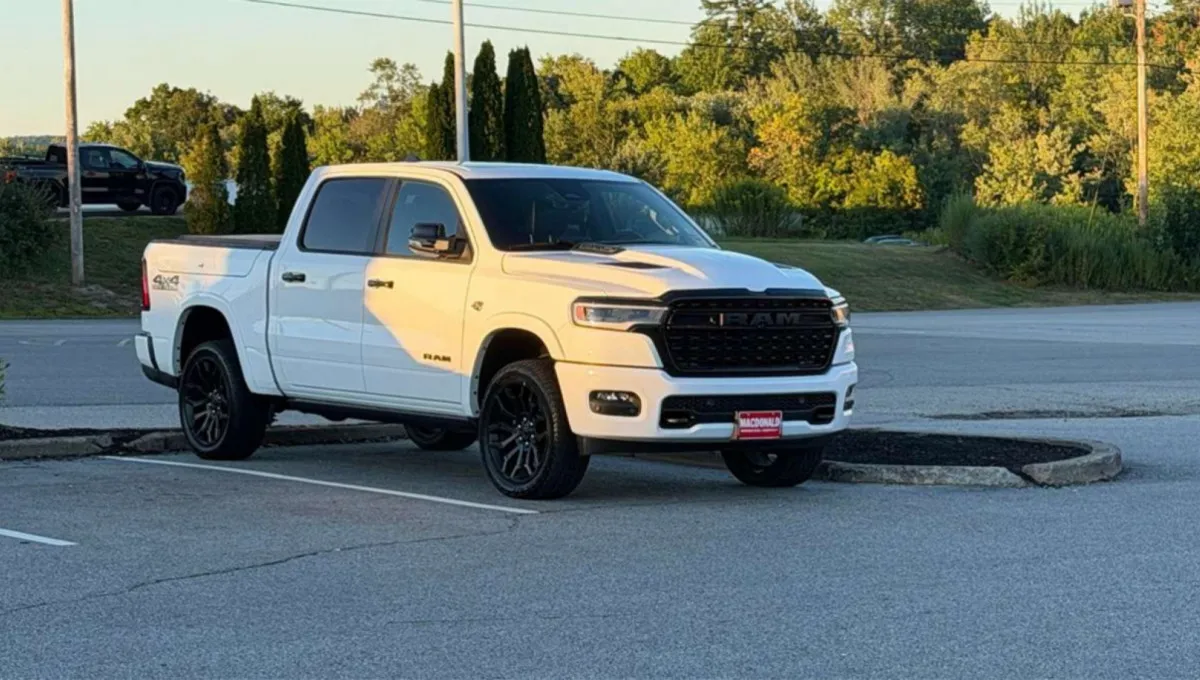
He Traded His F-150 for a Loaded Ram 1500—Then the Door Sticker Revealed Just 782 Pounds of Payload
2026 Ram 1500 Limited Buyer Trades His F-150 and Finds Only 782 Pounds of Payload
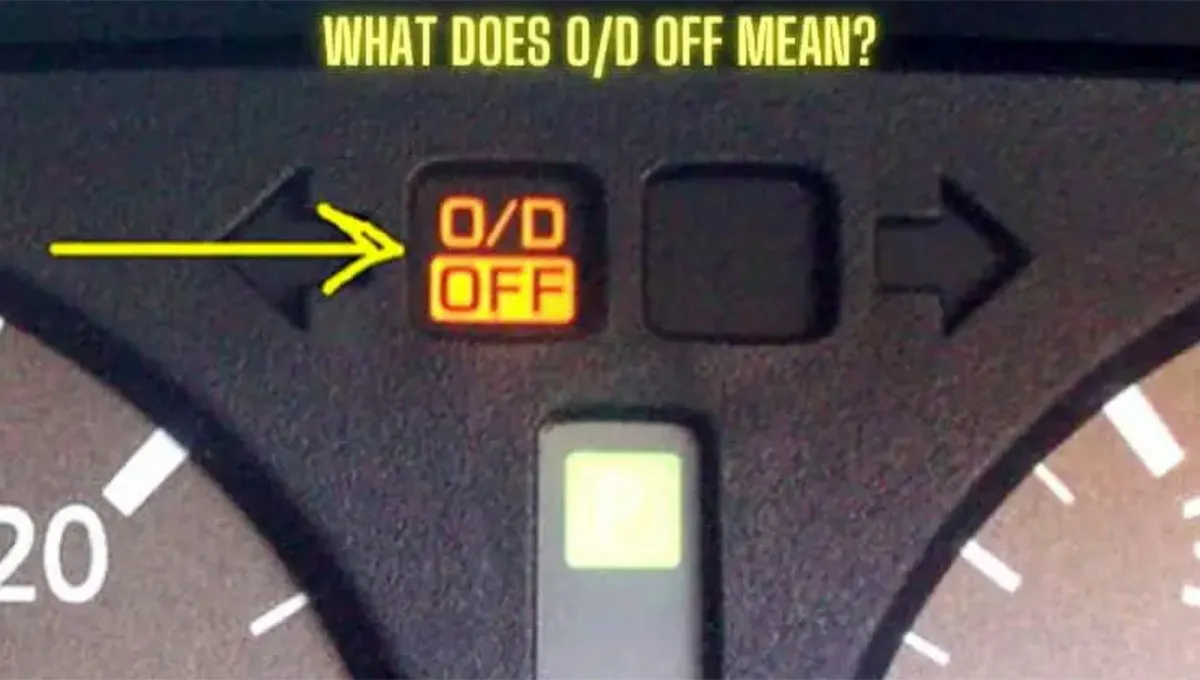
That O/D OFF Button in Your Car Has a Purpose—Here’s When You Actually Need to Press It
That mysterious O/D OFF button isn't a warning of transmission trouble—it can actually make driving easier in specific situations.