
Stop Spraying WD-40 on These 10 Things in Your Car — You Could Be Making the Problem Worse
WD-40 solves many automotive problems, but using it on the wrong parts can cause expensive damage.
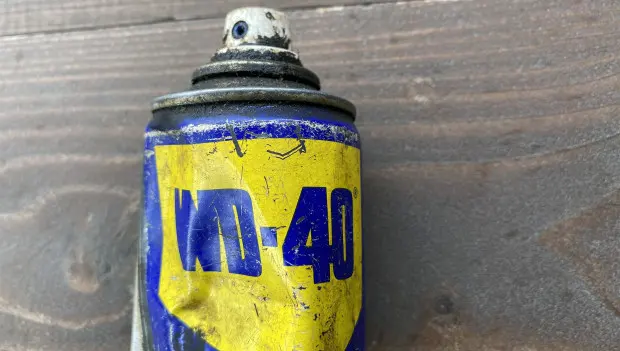
WD-40 is useful for loosening stuck parts, displacing water, removing grime, and handling minor corrosion. But its versatility has limits. Because its oil-and-hydrocarbon-based formula can affect certain types of rubber and other materials, spraying it on the wrong automotive components can cause problems.
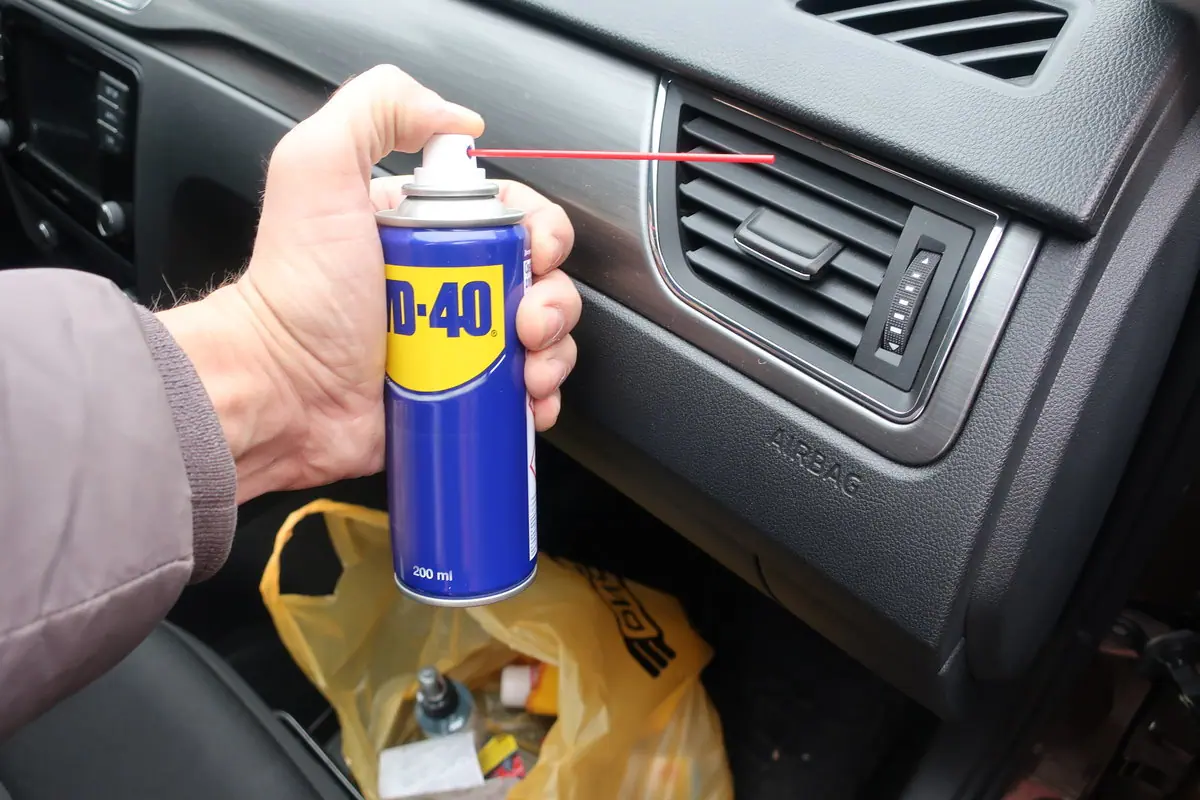
Why WD-40 Isn’t a Universal Automotive Lubricant
WD-40 is one of the best-known products in automotive garages and workshops. Its name has even become a generic term for similar aerosol products. The original WD-40 is named for its water-displacement properties, and its range of uses makes it a convenient item to keep around.
It can help loosen rusty bolts, stop annoying squeaks, slow corrosion, clean body panels, remove insect residue and tar, and treat battery terminals.
That versatility can also encourage a common mistake: assuming that if a part needs lubrication or cleaning, WD-40 is automatically a suitable choice.
It isn't.
The product has an oil-and-hydrocarbon-based composition, which means it can be unsuitable for rubber components that aren't resistant to oils and gasoline. Some automotive parts should therefore be kept away from WD-40 and similar products.
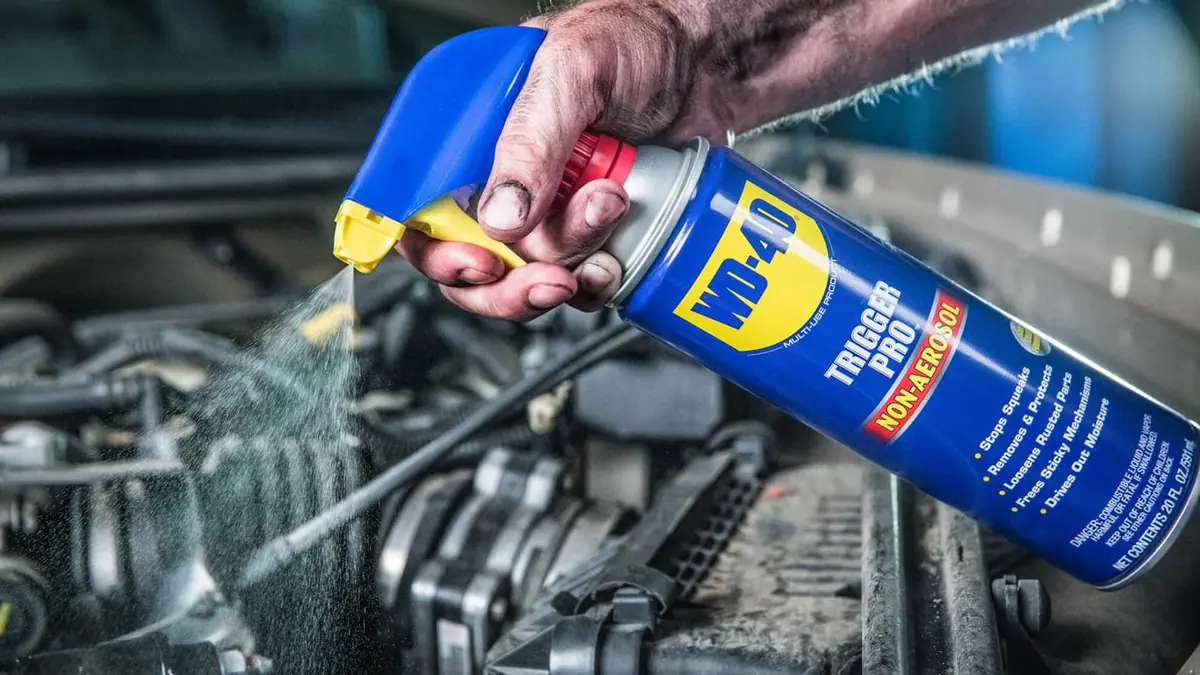
Automotive Parts You Shouldn't Spray With WD-40
Door, Hood, and Trunk Seals
Weatherstripping around doors, the hood, and the trunk can be damaged by WD-40. Rubber exposed to the product can swell and become sticky or dirty. Under deformation, it may eventually tear.
Brake Hoses and Other Rubber Brake Components
Brake-system rubber deserves particular caution. That includes brake hoses as well as the seals and other rubber components inside brake cylinders.
WD-40 isn't an appropriate product for these parts. Damage to brake components can have serious consequences.
Cooling-System Hoses
WD-40 may make a hose easier to slide onto a fitting, but that doesn't make it a suitable lubricant for the job.
The rubber can lose its bond with the reinforcing threads inside the hose. As a result, the hose may eventually crack.
Timing Belts and Accessory Drive Belts
A squealing belt may tempt you to reach for an aerosol lubricant. That's a bad use for WD-40.
A treated belt can slip on the teeth of the pulleys or, in some circumstances, break. A belt that's responsible for driving engine components isn't something to experiment with.
Sunroof Seals
Sunroof weatherstripping can also be vulnerable because the rubber isn't designed to withstand oil and gasoline exposure.
Treating the seal with WD-40 can cause it to deteriorate and eventually stop performing its intended sealing function.
Windshield-Wiper Blades
WD-40 isn't a good solution for wiper rubber, either. Treating the blades can make their condition worse rather than improving their performance.
Pedals
Spraying WD-40 on a pedal assembly can leave the pedal surfaces slippery.
That's an especially poor trade-off in a vehicle, where predictable contact with the pedals is essential.
Lock Cylinders
WD-40 can remove the lubricant originally applied inside a lock cylinder. Once that factory lubrication is gone, the lock may wear or fail prematurely.
Brake Pads and Rotors
Brake components depend on friction. Applying an oily product to brake pads or rotors works against the basic function of the braking system.
Keep WD-40 away from friction surfaces that need to remain clean and dry.
Leather Seats
WD-40 may initially make leather look shinier and its color appear more vivid. That temporary cosmetic effect doesn't make it a suitable leather treatment.
Over time, the leather can lose softness and elasticity, and cracks may develop.
Other Uses That Usually Aren't Worth It
Some applications aren't necessarily as dangerous as spraying WD-40 on brake components, but they still offer little reason to use the product.
Dashboards: WD-40 can attract dust and leave a surface that's easier to soil. Products specifically designed for dashboard and interior surfaces are a better choice.
Emblems and badges: Spraying WD-40 around attached emblems and badges can contribute to them coming loose, increasing the risk that they'll eventually fall off and be lost.
Plastic headlight covers: Any visual improvement from treating these surfaces is likely to be temporary. Using a product for a cosmetic effect that doesn't last isn't a particularly useful application.
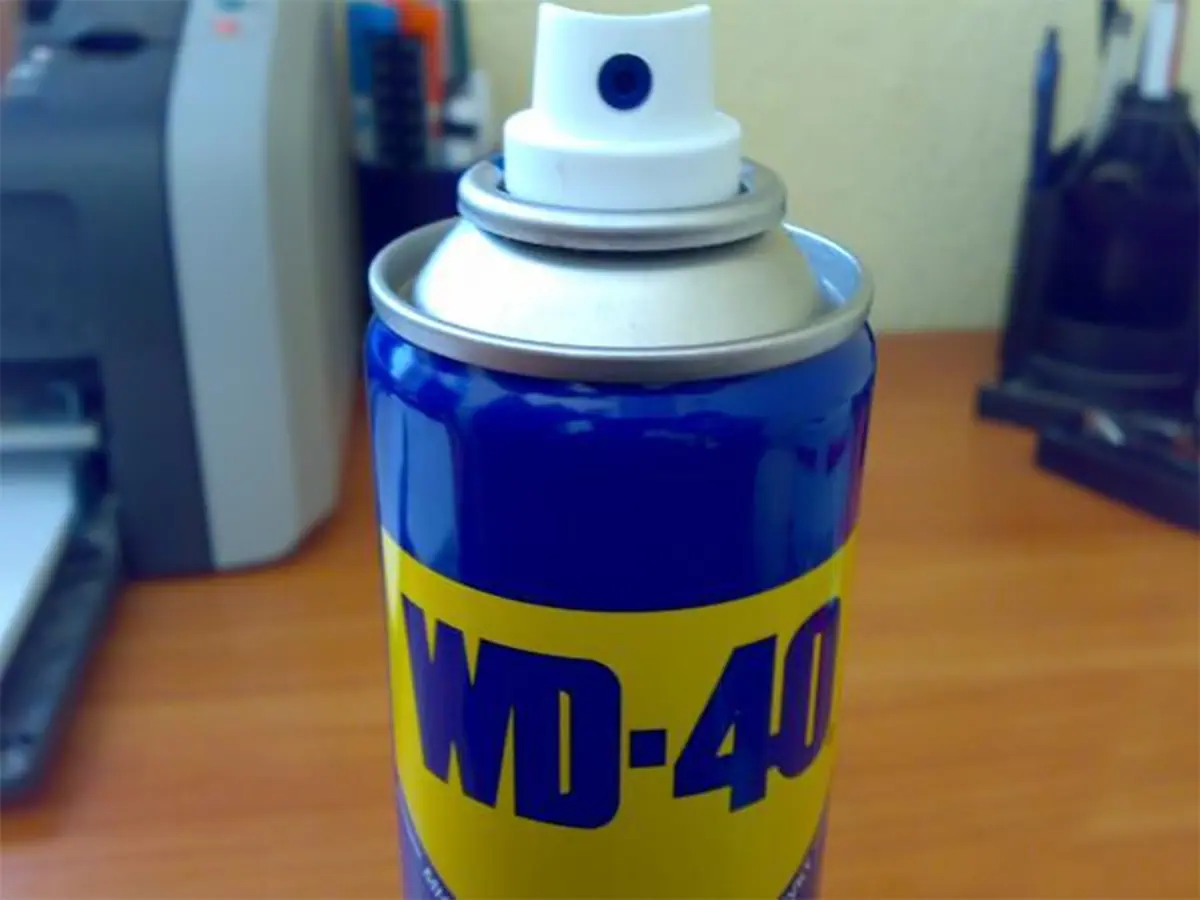
What WD-40 Is Still Good For
Avoiding inappropriate applications doesn't mean WD-40 has little value. Quite the opposite: its broad range of legitimate uses is why it remains useful in a garage or vehicle tool kit.
Depending on the task, it can be used for things such as:
- loosening rusty or stuck bolts;
- addressing annoying squeaks;
- helping slow corrosion;
- removing tar residue;
- removing insect residue;
- cleaning certain exterior surfaces;
- treating battery terminals;
- displacing water.
The key is to distinguish between a part that can benefit from the product and a part whose material or function makes WD-40 unsuitable.
A can of WD-40 can be a useful thing to keep nearby. It just shouldn't be treated as a universal solution for every automotive problem.
You may also be interested in the news:
These 7 Dashboard Warning Lights Could Leave You Stranded—Here’s What They Really Mean
These dashboard warning lights can signal serious problems, from low oil pressure to overheating or brake trouble.
Why Stainless-Steel Bodies Never Replaced Conventional Steel in Mass-Market Cars
Stainless-steel bodies resist corrosion, but cost, manufacturing challenges, and styling constraints keep automakers using steel.
These 5 Mercedes-Benz Models Can Look Like Bargains — Until the Repair Bills Arrive
These five used Mercedes-Benz models have reported issues that could turn an attractive bargain into an expensive ownership headache.
These 10 Used Family Cars Could Save You From Buying the Wrong SUV or Minivan
Shopping for a used family vehicle? These 10 SUVs and minivans offer the practicality American families need every day.
That Little Auto Hold Button Could Make Your Daily Commute a Lot Less Annoying
That little Auto Hold button can take the strain out of stop-and-go traffic, steep hills, and everyday city driving.